
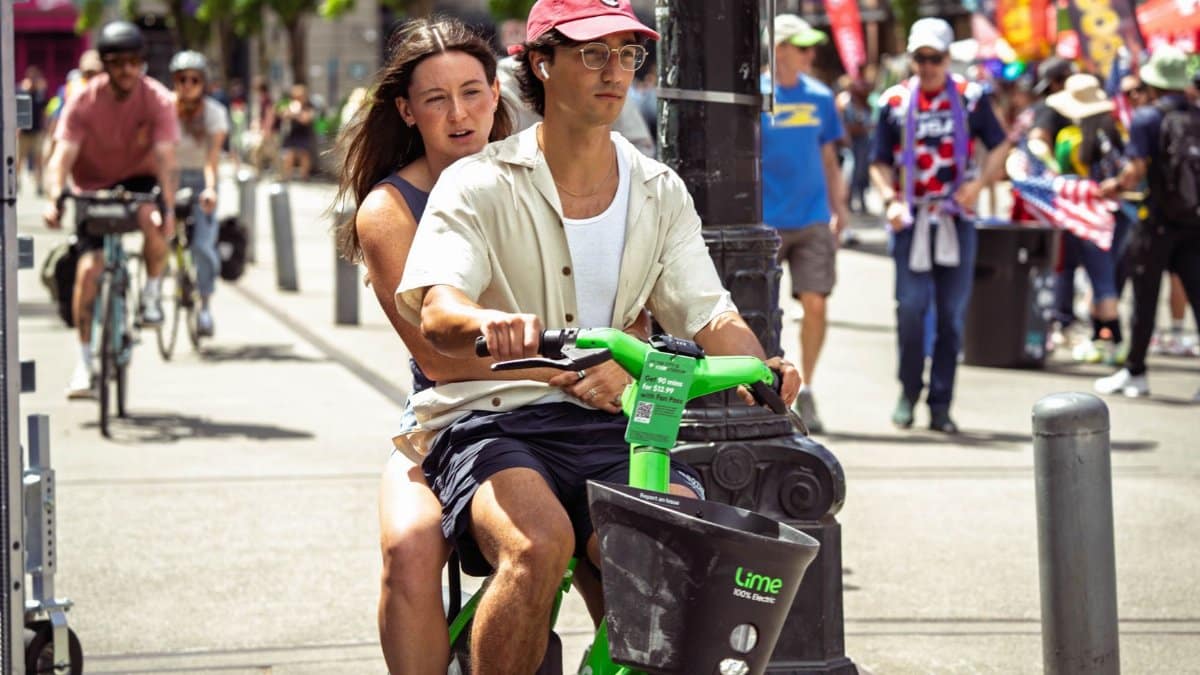
In recent months electric scooters have become a common sight on city streets offering convenient short distance travel for many commuters. However when large numbers gather unexpectedly they can create unexpected challenges for traffic flow and public safety. Officials in the Twin Cities area have noted several such incidents this summer. The situation with Lime scooters Minneapolis illustrates how shared mobility tools can both help and hinder urban movement depending on how they are used in groups. These events have sparked discussions about regulation and the future of micromobility options. Residents report mixed feelings with some appreciating the eco friendly alternative to cars while others worry about sidewalk clutter and reckless riding. The review by the company comes after specific meetups in early August that blocked key intersections downtown. Local leaders are now examining whether current rules are sufficient to manage such crowds.
Background on Recent Scooter Events

Large groups of riders assembled near popular downtown spots creating bottlenecks that lasted for hours. Police redirected vehicles as participants weaved through intersections without regard for signals. Witnesses described the scene as lively yet disruptive with dozens of scooters moving in loose formations. City data shows similar clusters forming on weekends but the August episodes stood out for their scale. Transportation planners have tracked scooter volumes over the past year noting steady growth in daily trips. This pattern suggests users enjoy the flexibility these devices provide yet group dynamics introduce new variables for managers to consider.
Effects on Traffic Patterns

Congestion spread beyond the immediate gathering points as drivers sought alternate routes. Bus schedules slipped by several minutes according to transit authority reports. Emergency vehicles faced delays navigating the crowded zones prompting calls for better coordination. Studies from comparable cities indicate that concentrated scooter use can reduce car trips overall but only when dispersal remains even. Here the sudden convergence reversed those gains temporarily. Pedestrians also voiced frustration stepping around clusters parked on sidewalks. Planners are modeling scenarios to predict future hotspots and adjust signal timing accordingly.
Company Actions and Statements

Lime has begun an internal assessment of the August gatherings to understand participation drivers. Representatives stated they are working with city staff to discourage mass meetups that impair normal street function. The firm emphasized its commitment to responsible operation through speed limits and designated parking zones. App updates may soon include alerts when users approach high density areas. Similar reviews have occurred in other markets where rapid adoption led to parallel issues. Observers note that proactive steps can preserve public support for the service.
Resident Perspectives and Concerns

Longtime Minneapolis inhabitants describe the change in street life since scooters arrived. Some welcome the reduced emissions and parking relief while cautioning against unchecked expansion. Others recount near misses with fast moving riders on busy sidewalks. Community meetings have drawn steady attendance as people seek clearer guidelines. Feedback collected by neighborhood associations highlights both convenience and chaos in equal measure. Balancing these views remains central to ongoing policy talks.
Regulatory Framework in Place

Current ordinances require operators to maintain fleets within defined boundaries and remove units left in problematic spots. Caps on total vehicles aim to prevent oversupply during peak seasons. Enforcement relies on a combination of company reports and citizen complaints. City council members have proposed tightening rules around group events following the latest incidents. Comparisons with peer municipalities reveal a range of approaches from permit systems to usage fees. Refinement of these measures continues as usage data accumulates.
Broader Trends in Urban Mobility

Electric scooters fit into a larger shift toward smaller vehicles for short trips. Many cities report drops in single occupant car travel within core districts. Integration with public transit apps allows seamless connections from bus stops to final destinations. Challenges arise when popularity surges without matching infrastructure such as dedicated lanes. Experts advocate for pilot programs that test incentives for off peak use. Data sharing between companies and planners supports more accurate forecasting of demand.
Future Outlook for Shared Devices

Adjustments by Lime and local authorities may set precedents for handling organized rides elsewhere. Sustained dialogue between stakeholders could yield solutions that retain benefits while curbing disruptions. Monitoring over the coming seasons will reveal whether recent steps prove effective. Public education campaigns might encourage riders to avoid peak congestion periods. Overall the experience underscores the need for adaptive management in evolving transportation landscapes.