
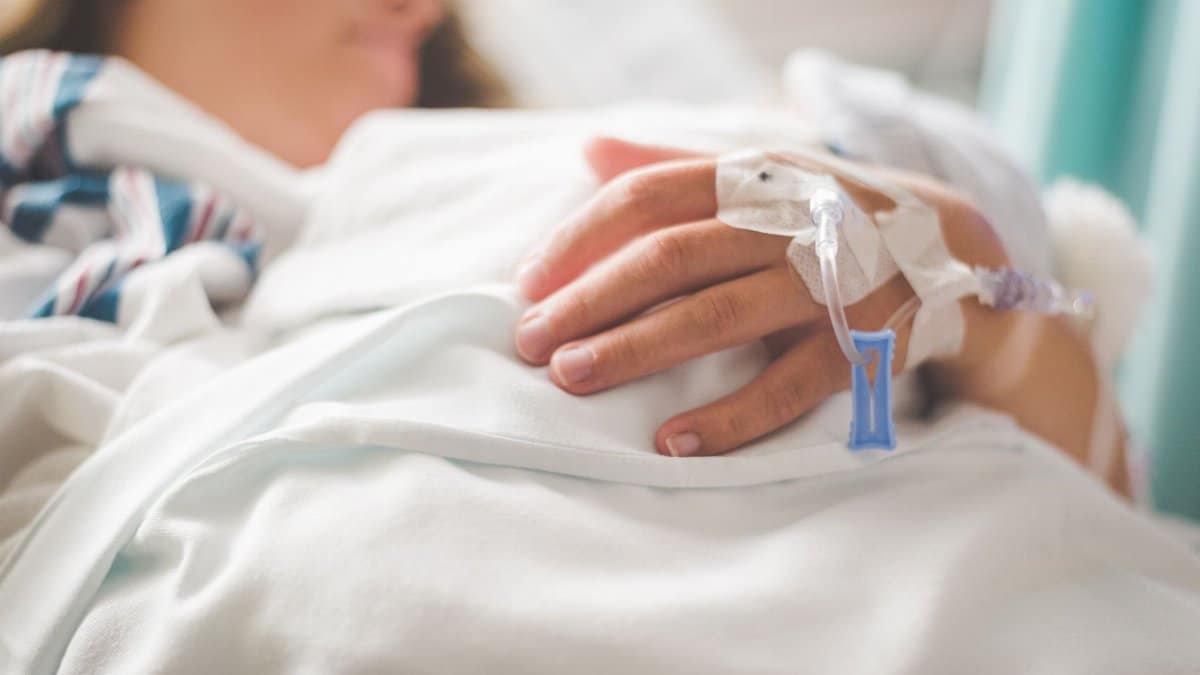
In the crowded emergency department of a South Los Angeles hospital, staff members routinely manage an overwhelming flow of patients who arrive with complex medical needs but find limited space and resources available for timely care. This ongoing strain has drawn attention from health care leaders seeking practical solutions. The MLK Hospital grant represents a significant step toward easing these pressures through targeted investment in physical expansion and operational improvements.
Origins of Persistent Challenges at the Facility

MLK Community Hospital emerged from the closure of an earlier county institution that had served the area for decades. Reopened under new management, the current version has focused on financial stability while addressing gaps in acute care. Community advocates note that population growth in the surrounding neighborhoods has outpaced infrastructure updates, leading to frequent bottlenecks during peak hours.
Scope of Support from Kaiser Permanente

The announced funding package totals 25 million dollars along with a loan arrangement for modular structures. This assistance targets the emergency department directly, allowing for added treatment bays and updated equipment. Officials from both organizations describe the arrangement as a model of regional cooperation aimed at strengthening local health systems without relying on public tax dollars.
Expansion Plans for Emergency Services

Construction will introduce prefabricated units that can be integrated quickly beside the existing building. These additions will increase capacity by roughly thirty percent according to preliminary estimates. Hospital leaders expect shorter wait times and better ability to handle surges such as those seen during respiratory illness seasons.
Community Impact in South Los Angeles

Residents in the area often face longer travel times to alternative hospitals when local capacity is exceeded. The new resources should reduce those burdens and support preventive outreach programs already underway. Local business owners anticipate indirect benefits as improved health access can stabilize workforce participation in nearby commercial districts.
Partnership Models in Modern Health Care
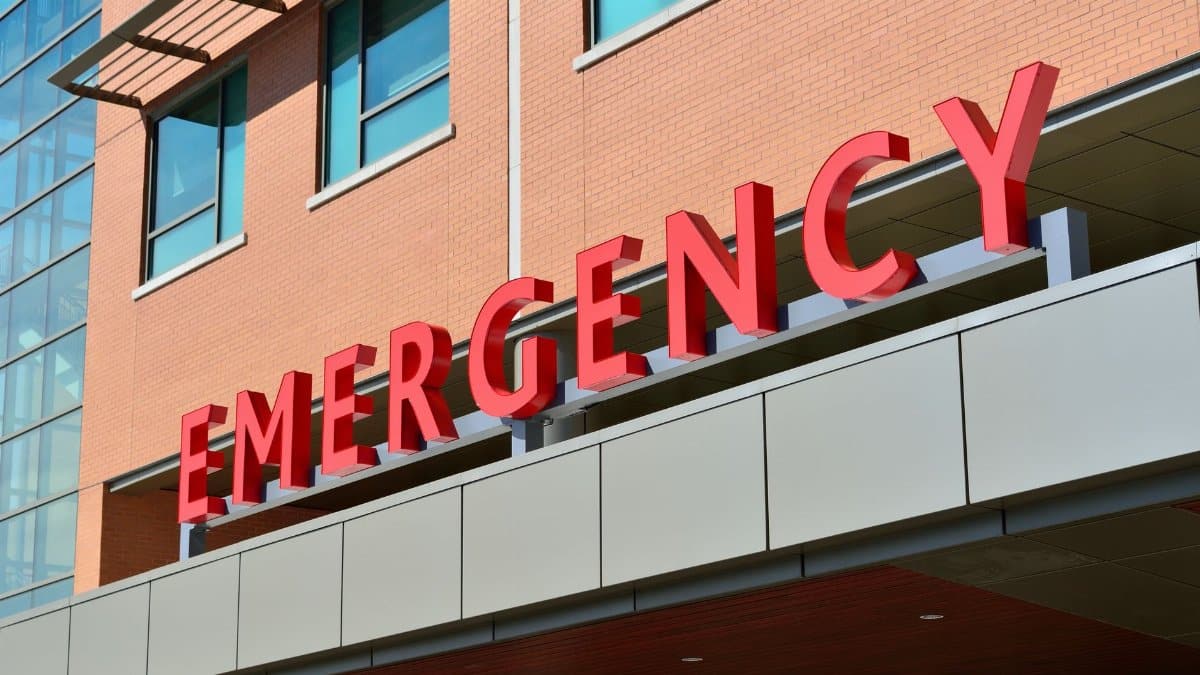
Collaborations between nonprofit systems and independent facilities have grown in recent years as a way to share expertise and capital. In this instance the arrangement avoids full merger while delivering concrete infrastructure gains. Observers suggest similar approaches could apply to other safety net providers facing parallel constraints across the country.
Patient Care Improvements Expected
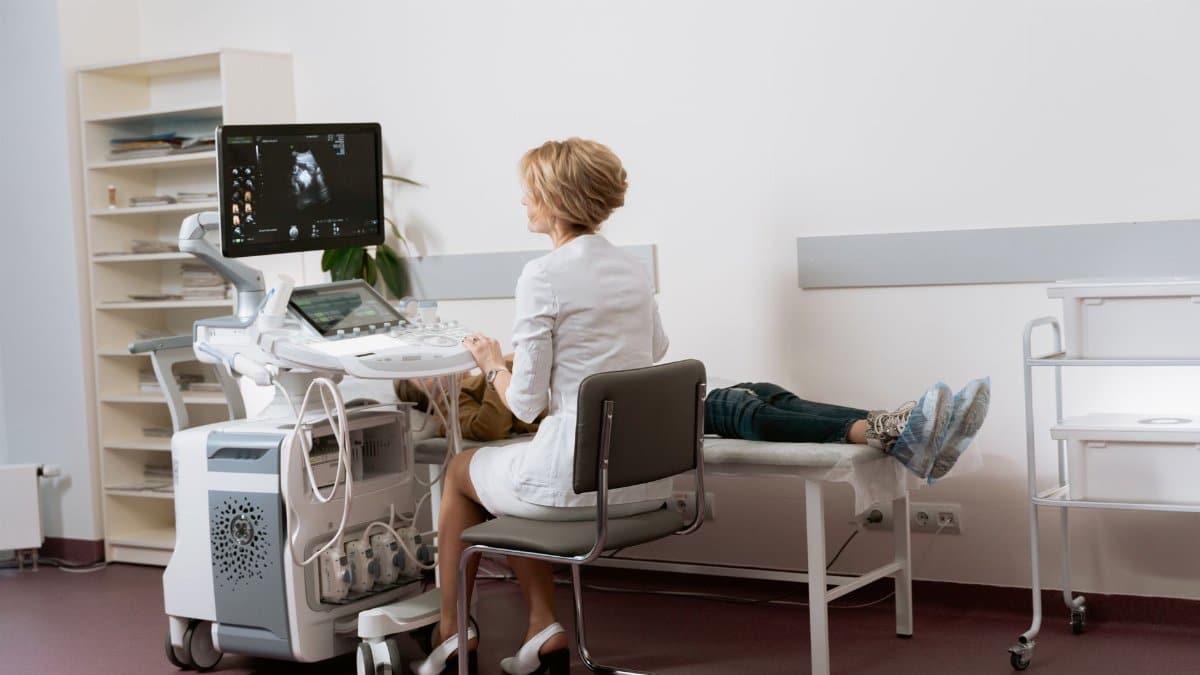
With more space available clinicians can adopt updated protocols for triage and observation. Training sessions for staff will accompany the physical changes to ensure smooth adoption of expanded workflows. Early projections indicate measurable gains in satisfaction scores and reduced rates of patients leaving without being seen.
Financial Considerations Behind the Grant

Kaiser Permanente framed its contribution as both philanthropic and strategic, given overlapping patient populations and referral patterns. The hospital will gain breathing room to pursue its own revenue cycle enhancements over the coming years. Both parties emphasize that the funds come with clear milestones for accountability and public reporting.
Broader Trends in Urban Hospital Funding

Health systems nationwide continue to grapple with aging physical plants and evolving demands from aging populations. Grants and low interest loans from larger entities have become one avenue for smaller operators to remain viable. This case illustrates how targeted capital can align with community mission statements without compromising independence.
Future Outlook for Regional Health Access
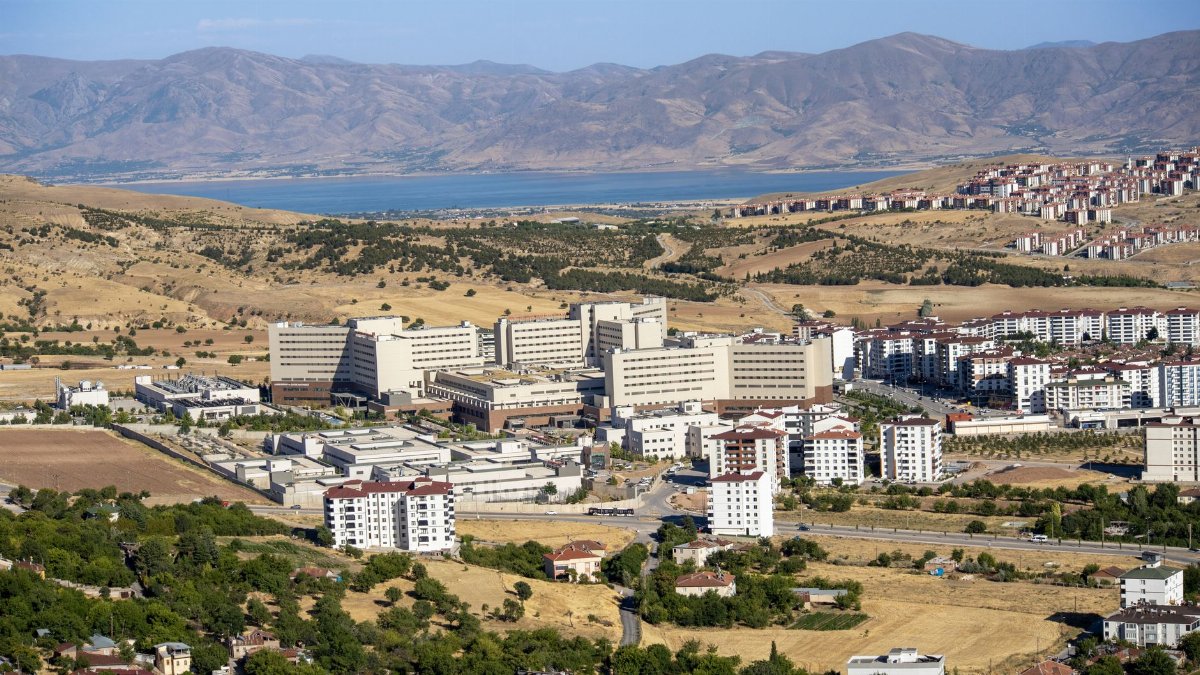
Once the modular units are in place and operational the hospital intends to evaluate further needs in areas such as specialty clinics. Sustained attention from private partners may help bridge gaps that public budgets alone cannot close. The overall effort underscores a shared interest in maintaining accessible care options close to where people live and work.