
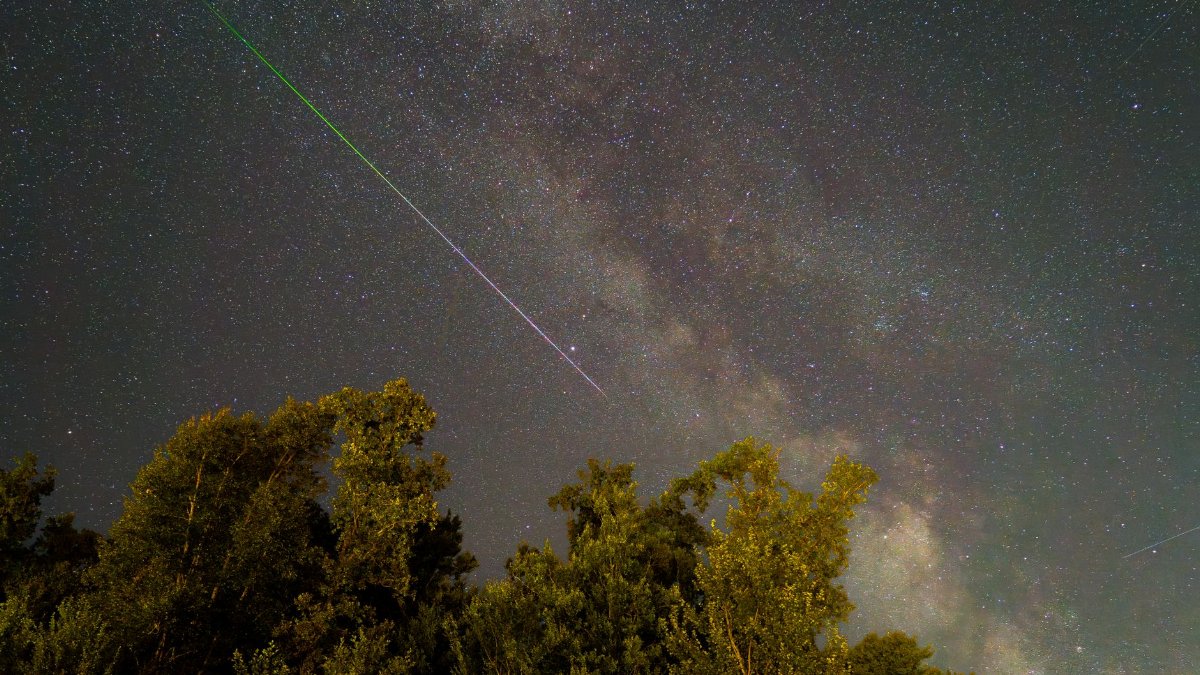
Under the vast night sky over Illinois this summer residents are turning their attention upward in anticipation of a reliable celestial display that draws families and astronomy enthusiasts alike each year. The Perseids meteor shower Chicago offers a chance to witness streaking lights without any special equipment or travel far from home. Following closely after recent eclipse excitement the event provides another opportunity for shared wonder under open skies free from the constraints of city routines. Observers can expect activity building over several nights with the peak arriving around August 12 to 13 in 2026 when conditions align for optimal visibility in the region.
Origins of the Annual Display
The Perseids trace their roots to comet Swift Tuttle which leaves behind a trail of debris that Earth encounters during its orbit. This interaction creates the bright meteors visible from various locations including urban centers like Chicago. Scientists have tracked the pattern for decades noting its consistency compared to other showers. The event serves as an entry point for many people into the broader field of astronomy.
Prime Locations Around the City
Finding darker patches within the greater Chicago area improves the experience significantly. Parks along the lakefront such as those in the northern suburbs provide clearer views than downtown streets. Further out in rural stretches of Illinois light pollution drops allowing more meteors to stand out against the background. Local astronomy groups often recommend specific preserves for group viewings.
Timing and Peak Expectations

Activity begins in late July and continues into mid August with the strongest period falling on those two nights in 2026. Rates can reach up to sixty meteors per hour under ideal conditions though city lights reduce the count. Early morning hours before dawn tend to yield the highest numbers as the sky rotates into position.
Minimal Gear for Success

No telescopes or binoculars are required since the meteors move quickly across wide sections of sky. A reclining chair or blanket helps with neck comfort during extended sessions. Warm layers prove useful even in summer as temperatures drop after midnight. Mobile apps can help track the radiant point in the constellation Perseus.
Weather Factors to Consider
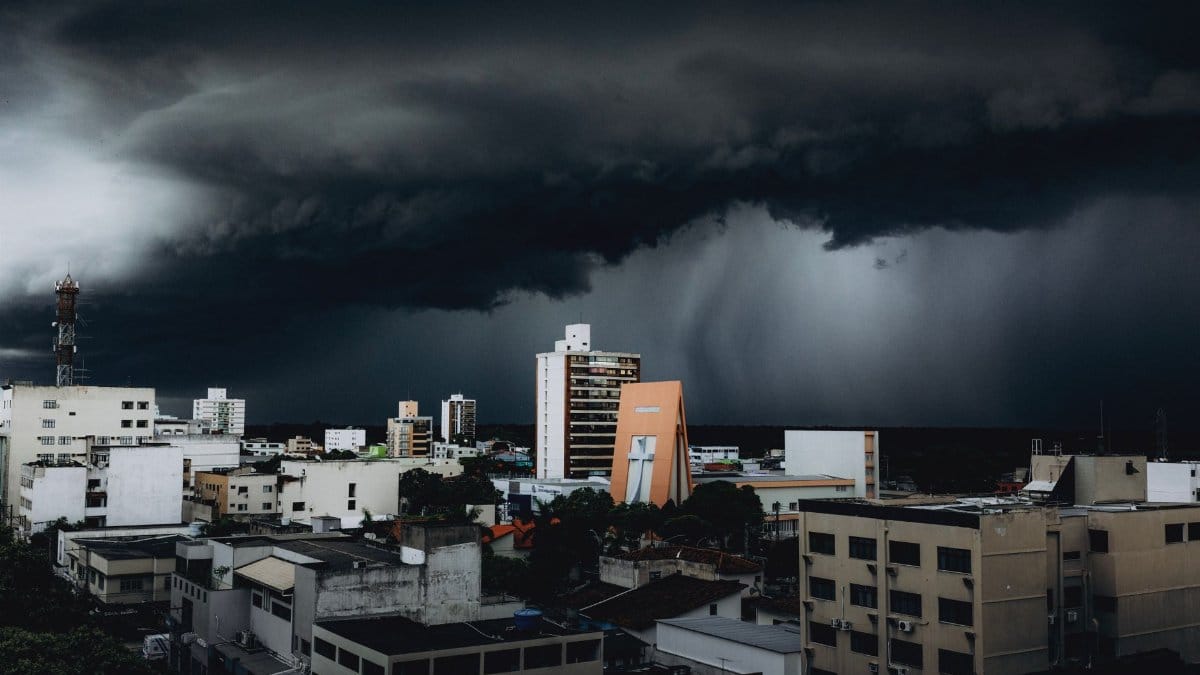
Clear skies are essential and local forecasts often guide decisions on where to head. Humidity and haze from Lake Michigan can sometimes interfere with visibility in the immediate Chicago vicinity. Checking multiple sources the evening before allows for adjustments to plans if clouds threaten.
Connection to Recent Eclipse Events
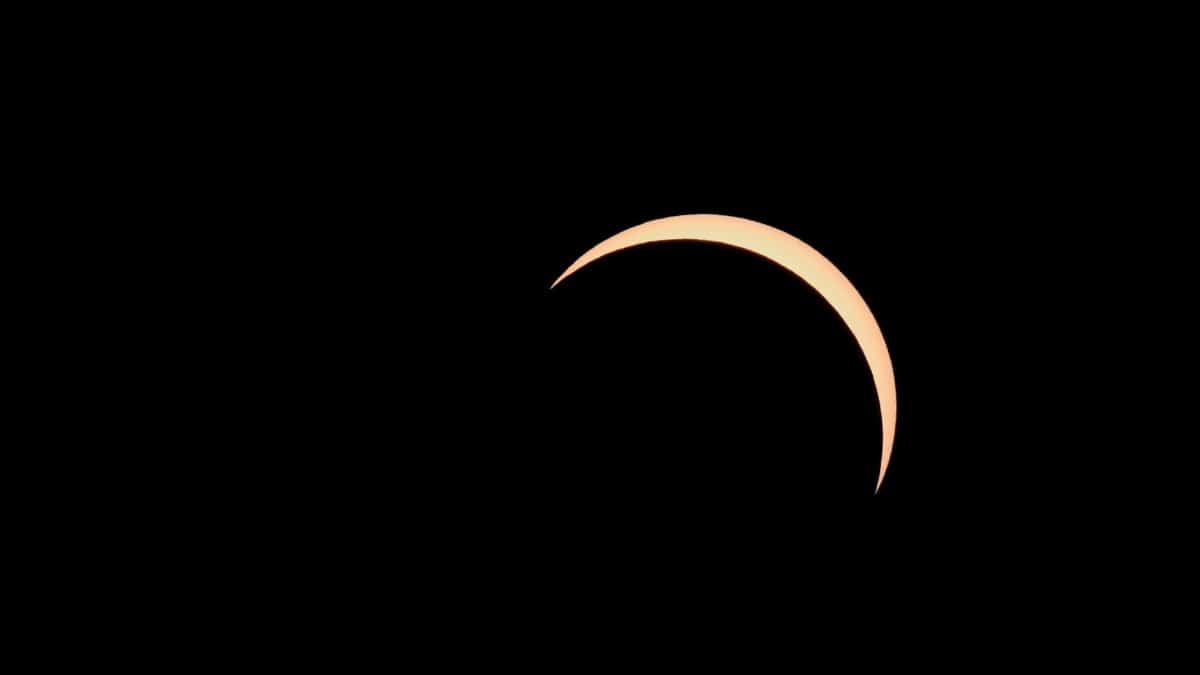
The timing after the solar eclipse has drawn renewed interest from those already engaged with sky phenomena. Many who viewed the earlier event are extending their curiosity to this shower. Shared online discussions highlight how both experiences foster a sense of scale in the universe.
Family Friendly Approaches

Parents find the Perseids meteor shower Chicago accessible for children because it requires little setup and offers immediate visual rewards. Stories about comets and space debris add educational value during waits between sightings. Groups in the area sometimes organize simple gatherings with snacks to make the night more engaging.
Light Pollution Challenges
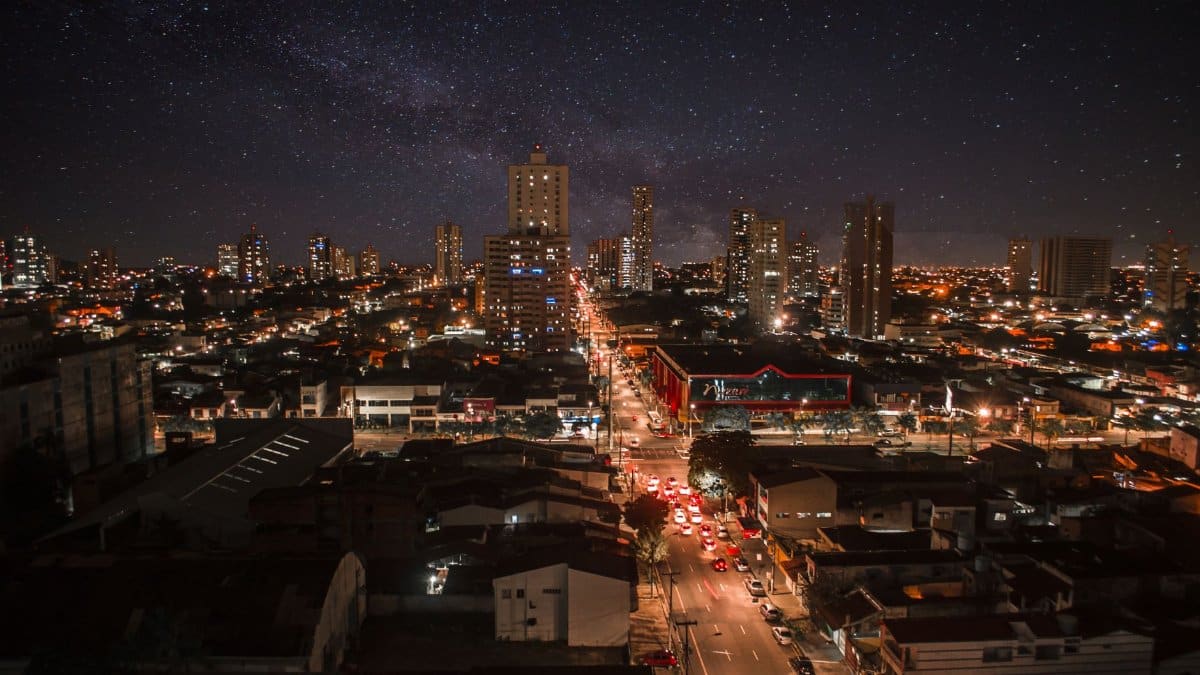
Urban glow from Chicago remains a constant factor that dims fainter meteors. Heading to edges of the metro area or using hills as natural barriers helps mitigate this issue. Awareness campaigns encourage reduced outdoor lighting during peak nights to benefit collective viewing.
Scientific Observations Shared
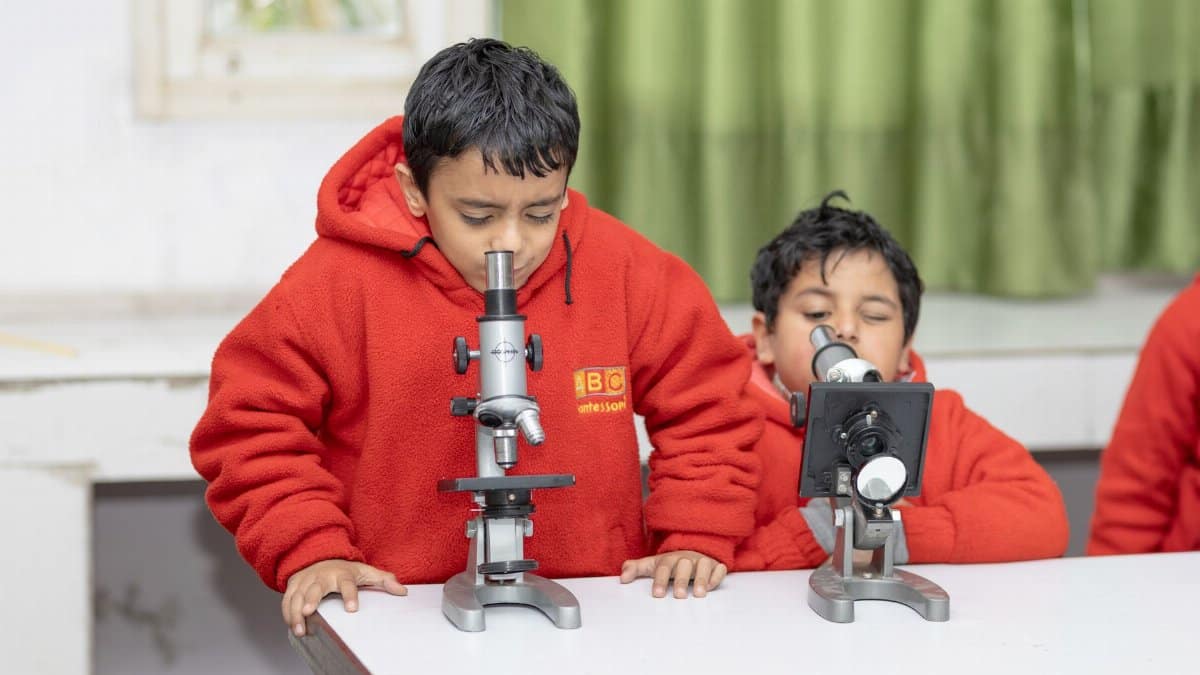
Researchers collect data from public reports to refine models of the debris stream. Participants in the Chicago area can contribute through citizen science platforms that log sightings in real time. This collaboration extends the reach of professional studies without advanced training.
Future Opportunities Beyond 2026

The shower returns annually with similar characteristics though moon phases influence brightness each cycle. Planning ahead for subsequent years allows families to mark the calendar in advance. Continued interest supports local planetariums that offer related programs year round.