
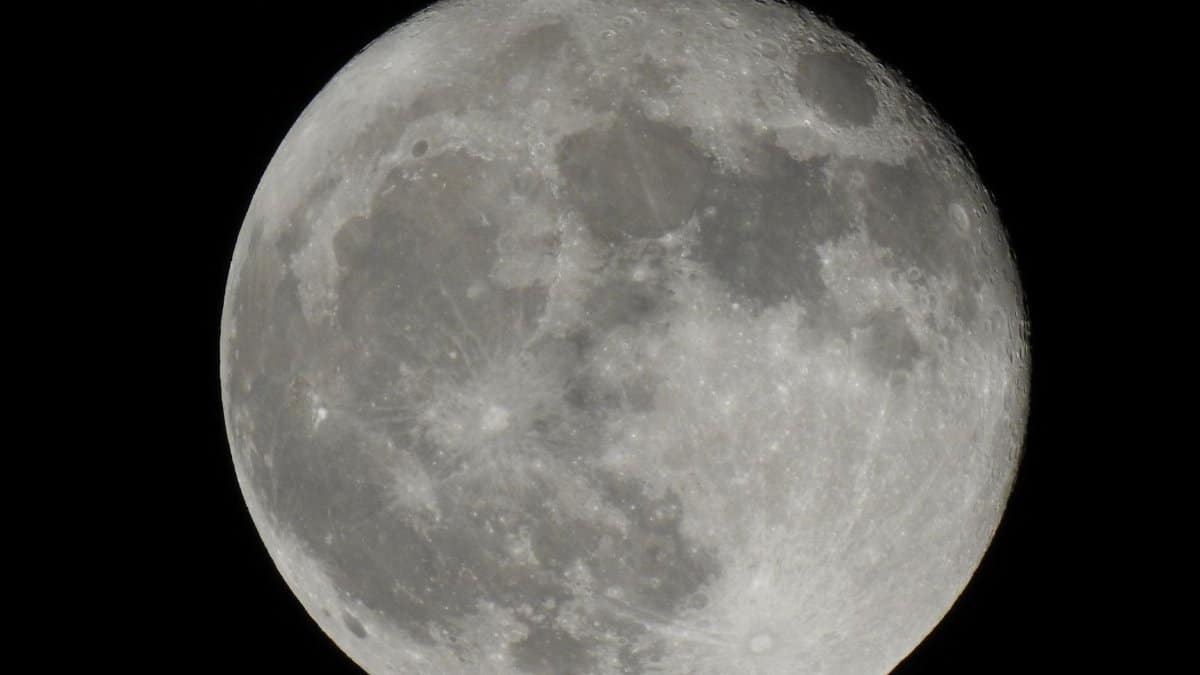
In the quiet marshes along the mid Atlantic coast, where fishing boats still outnumber rockets, a new chapter in space exploration is taking shape. Federal agencies have outlined ambitious goals for sustained lunar operations that could reshape how the nation approaches deep space travel. These efforts, centered in part around NASA Wallops moon base concepts, hold the potential to draw resources and attention to facilities that have long supported suborbital and orbital missions from Virginia soil near the Maryland border.
Historical Role of Regional Launch Sites
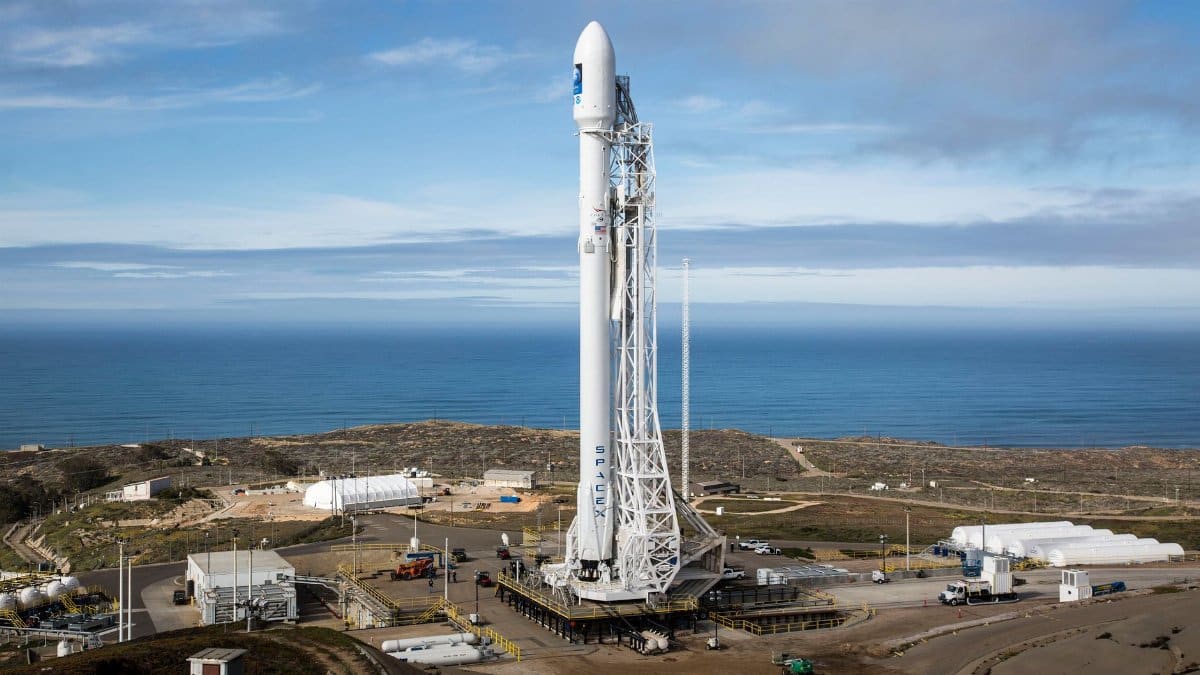
Wallops Flight Facility has served as a testing ground for atmospheric research and small satellite deployments since the middle of the last century. Its location offers direct access to the Atlantic Ocean for safety corridors during ascent. Over decades the site has launched sounding rockets that collected data on weather patterns and ionospheric conditions. Such work laid groundwork for later programs that now emphasize return trips to the lunar surface.
Expansion of Launch Infrastructure
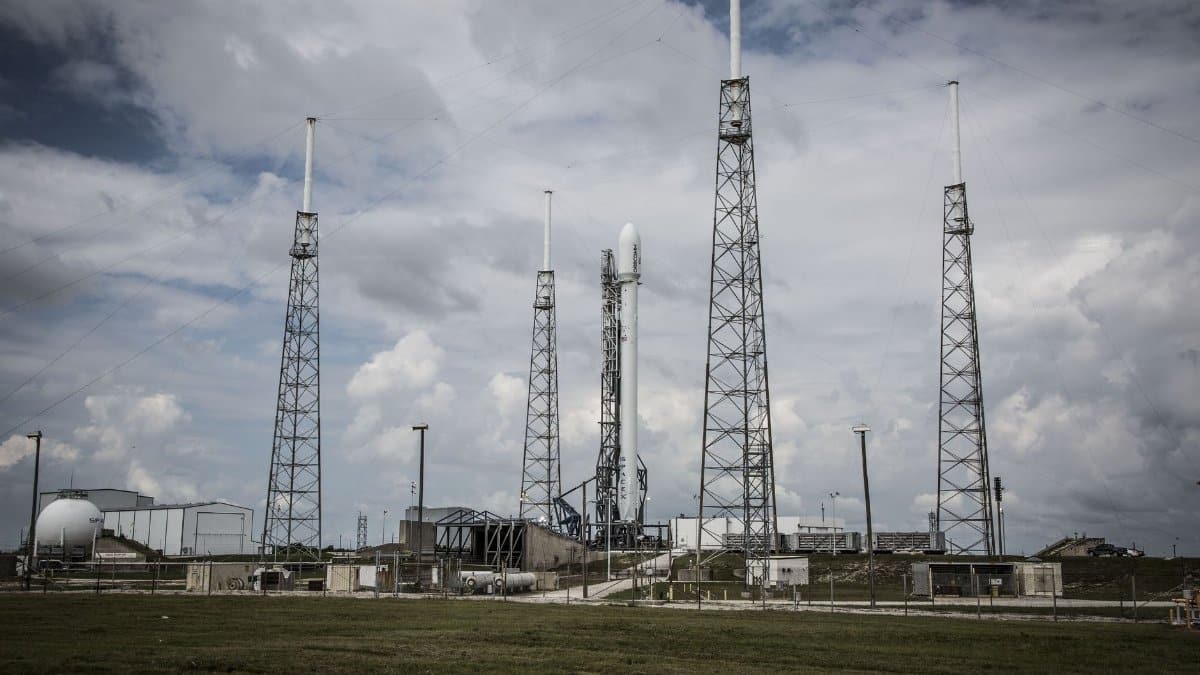
Plans tied to lunar ambitions call for upgrades at existing pads and the addition of new processing buildings. Engineers anticipate handling larger vehicles capable of carrying habitats and supply modules. These changes would allow more frequent missions while maintaining the coastal setting that minimizes risk to populated areas. Local officials note that improved capabilities could attract additional government contracts beyond current workloads.
Workforce Development Needs
A surge in activity would require technicians, engineers and support staff trained in propulsion systems and payload integration. Community colleges in the area have begun reviewing curricula to prepare residents for specialized roles. Partnerships with universities could bring research projects to the region that focus on materials suited for long duration spaceflight.
Effects on Nearby Communities

Towns across the Eastern Shore stand to gain from increased spending at restaurants, hotels and retail outlets that serve visiting teams. Property values near the facility may rise as demand for housing grows. Yet planners stress the importance of measured growth that preserves the rural character valued by longtime residents.
Private Sector Partnerships

Commercial firms already use Wallops for rideshare missions and technology demonstrations. Lunar base requirements could expand those opportunities by creating steady demand for cargo delivery services. Companies specializing in habitats or power systems might establish offices nearby to reduce transport costs during development phases.
Coastal Environmental Balance
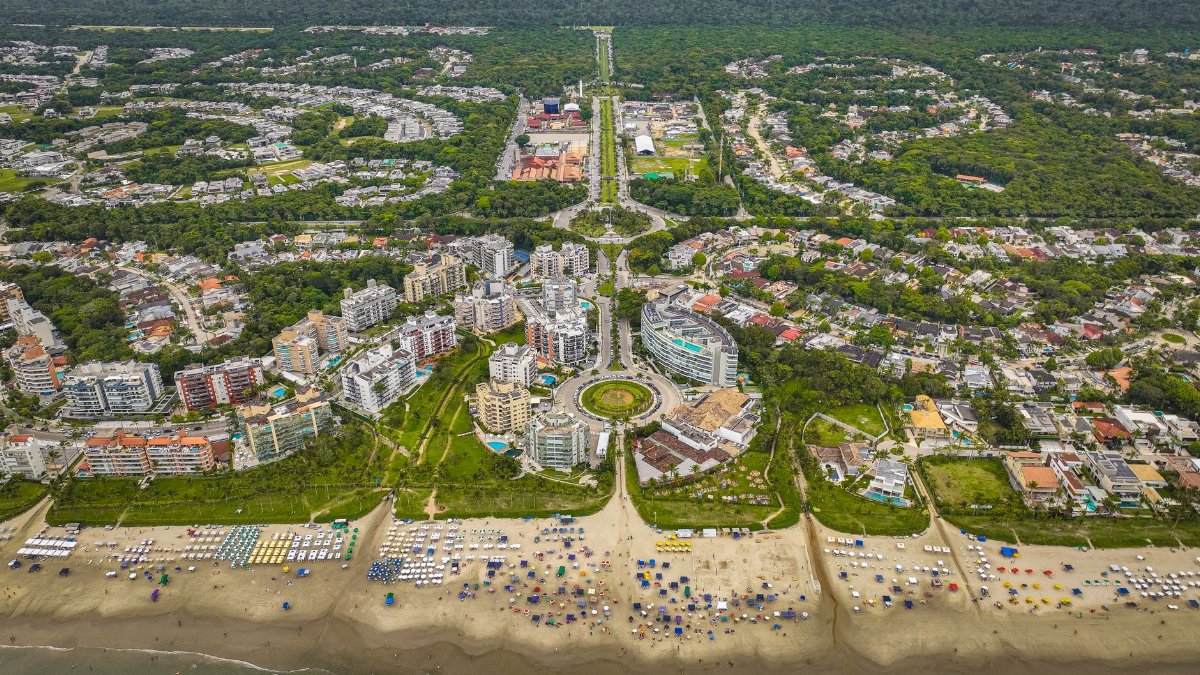
Any expansion must account for sensitive wetlands and migratory bird routes that define the local ecology. Studies of past launches show limited lasting effects when protocols are followed. Agencies involved have committed to ongoing monitoring that includes water quality tests and noise assessments to protect both wildlife and quality of life for neighbors.
National Space Strategy Connections

Lunar operations serve broader aims of scientific discovery and preparation for crewed journeys to Mars. Facilities on the Eastern Shore contribute through reliable access to orbit at lower latitudes than many inland sites. This geographic advantage supports efficient trajectories that conserve fuel for heavy payloads.
Outlook for Sustained Regional Benefits

Continued investment in NASA Wallops moon base related activities could anchor a cluster of aerospace suppliers and service providers. Over time the presence of such work may diversify an economy traditionally tied to agriculture and tourism. Observers expect the first visible signs of progress within the next several budget cycles as contracts are awarded and ground is broken on supporting structures.