

Boston city leaders have turned their attention to a new proposal that involves leasing parking spaces in the heart of downtown. This development comes at a time when state laws are tightening rules around federal enforcement activities. The discussion surrounding ICE parking Boston highlights tensions between local policies and national directives. Officials from both the city and state have expressed reservations about how such a lease might impact daily life for residents and businesses in the area. As the situation unfolds it raises questions about urban space management and public safety priorities in one of the oldest cities in the nation. Further details reveal that the proposal seeks roughly two hundred fifty spots which could serve federal needs but may conflict with community interests.
Reactions from State Leadership

The governor has been vocal in opposing measures that expand federal presence in local spaces. Recent legislation signed into law aims to limit cooperation with certain federal activities. This stance reflects broader efforts to protect state resources and maintain control over local matters. Community groups have praised the approach noting it prioritizes resident concerns over external demands.
Urban Planning Challenges in Downtown Areas

Downtown Boston faces ongoing pressures from limited space and growing demand for parking. Adding dedicated spots for federal use could shift availability for everyday commuters and visitors. Planners must weigh these factors carefully to avoid disrupting the flow of daily traffic and commerce in a busy commercial district.
Community Input on Federal Space Requests

Public meetings have drawn residents eager to share views on how federal proposals affect their neighborhoods. Many express worry that dedicated parking could lead to increased activity in already crowded zones. Local advocates push for more transparency in decision making processes.
Legal Framework Surrounding Enforcement Leases

State laws now include provisions that restrict certain types of agreements with federal agencies. These rules seek to ensure local governments retain authority over public assets like parking facilities. Legal experts review the proposal to determine compliance with new statutes.
Economic Effects on Local Businesses

Business owners in the vicinity worry about changes in parking access that might reduce customer visits. A shift toward federal priority use could alter foot traffic patterns in retail corridors. Economic analyses suggest careful monitoring will be needed to track any downturns in sales.
Historical Context of Federal Local Relations
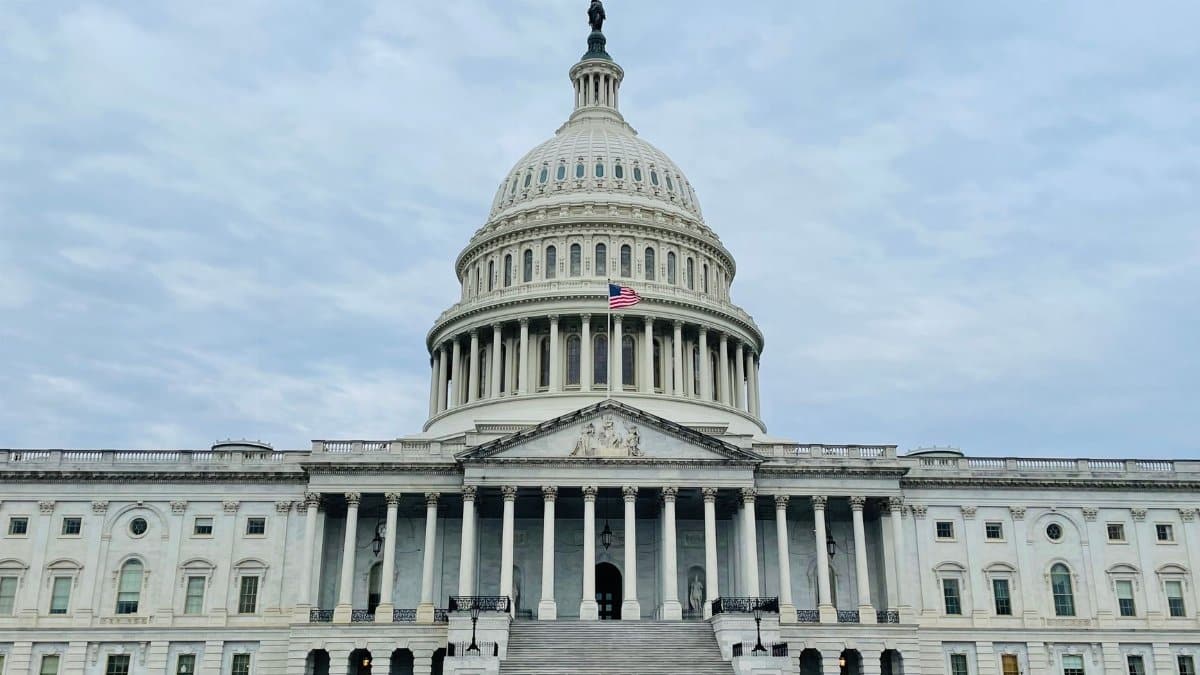
Interactions between city officials and federal entities have evolved over decades in Boston. Past agreements on shared resources provide lessons for current negotiations. This history informs the cautious approach taken by contemporary leaders.
Future Outlook for Parking Management

City planners explore alternative solutions to meet diverse needs without favoring one group. Innovative approaches such as shared use agreements or expanded public transit options receive consideration. The goal remains balanced access for all users in the urban core.