

Recent requests from Hennepin County to the Metropolitan Council have brought renewed attention to transit funding pressures in the Minneapolis area. Local officials report that all available resources for a major light rail project have now been allocated. This leaves a substantial Blue Line shortfall that requires intervention from regional authorities to avoid further delays. The situation reflects broader challenges in managing large scale infrastructure amid fluctuating material costs and labor market shifts. Residents along the proposed corridor express mixed views about the benefits versus the growing public investment needed.
Origins of the Current Funding Gap

Project planners initially set aside funds based on earlier cost estimates but those projections proved insufficient as construction advanced. Supply expenses climbed steadily while workforce availability remained limited in key trades. County representatives detailed how these factors combined to create the present shortfall without any remaining local reserves to draw upon.
Role of the Metropolitan Council in Regional Transit
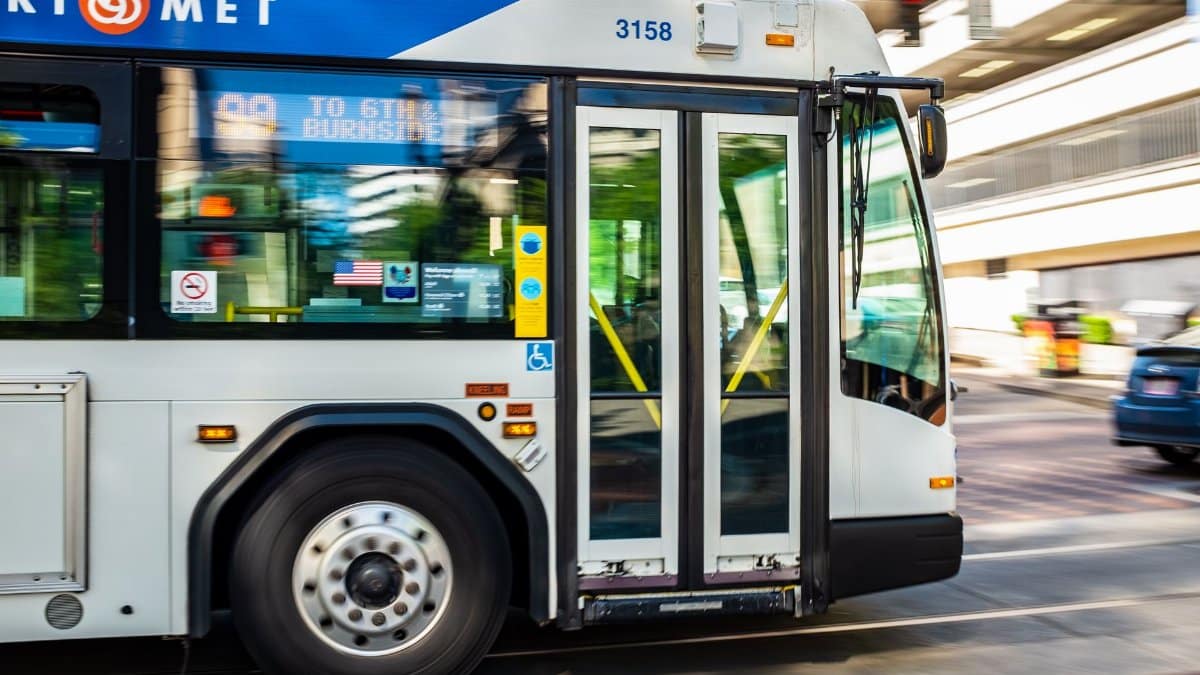
The Metropolitan Council oversees multiple transportation initiatives across several counties. Its authority includes allocating state and federal grants that support extensions like the one under discussion. County leaders argue that this body holds the capacity to address the Blue Line shortfall through reallocation of existing pools or new appropriations.
Reactions from Local Lawmakers and Advocates
Some elected officials have questioned whether the extension remains viable given the added expense. Others emphasize the long term connectivity gains for underserved neighborhoods. Public meetings have featured testimony both in favor of completion and in support of scaling back the scope to control overall outlays.
Impact on Communities Along the Route
Neighborhoods expected to gain direct rail access worry about prolonged uncertainty. Small businesses anticipate changes in foot traffic once service begins yet fear disruptions during extended building periods. Community groups have organized forums to discuss how the Blue Line shortfall might affect daily commutes and economic activity.
Comparison with Similar Projects Nationwide

Other cities have encountered comparable rises in rail construction expenses due to similar economic pressures. In those cases regional agencies often stepped in with supplemental support after initial budgets fell short. Such precedents inform the current request from Hennepin County for assistance in closing its own gap.
Potential Alternatives if Funding Is Not Secured

Options under review include trimming the route length or delaying segments until additional revenue sources emerge. Some proposals call for greater reliance on bus rapid transit as a lower cost substitute. Each path carries tradeoffs in terms of ridership projections and development potential.
Broader Implications for Future Infrastructure Planning
This episode underscores the need for more flexible budgeting mechanisms in public works. Planners may incorporate larger contingency reserves in upcoming ventures to account for market volatility. The handling of the Blue Line shortfall could set patterns for how agencies respond to cost escalations elsewhere in the state.
Next Steps in the Negotiation Process

Discussions between county staff and the Metropolitan Council are scheduled to continue over the coming months. Detailed financial reviews will examine all available revenue streams. Outcomes will determine whether construction proceeds on the original timeline or requires adjustment to match available resources.