
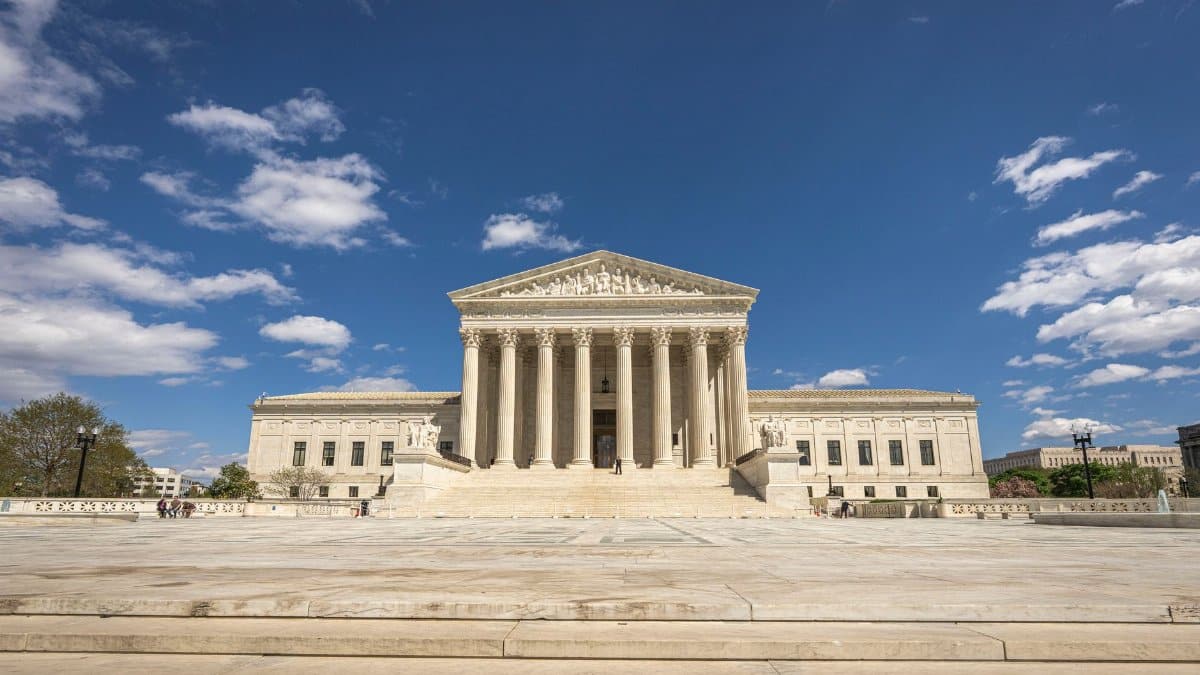
The recent judicial outcome from the nations highest court has left many wondering about the future of protections for vulnerable immigrant populations. Officials in Massachusetts moved quickly to voice their concerns after the decision permitted the potential end of safeguards for people from Haiti and Syria. Governor Maura Healey and Mayor Michelle Wu issued statements that highlighted the human costs involved for families who have built lives in the region. Their remarks came amid growing national discussion over how such policies shape communities across the country. The TPS Supreme Court ruling stands as a turning point in ongoing debates about residency and security for those already here.
Background on Temporary Protected Status Protections

Temporary protected status has served as a lifeline for individuals fleeing unstable conditions in their home nations. It allows eligible people to live and work legally in the United States while conflicts or disasters persist back home. For decades the program has supported communities from various countries facing unique challenges. Recipients often contribute to local economies through employment in essential sectors.
Details of the Recent Judicial Outcome

The ruling clarified that federal authorities hold broad power to end the protections without extensive review. This opens pathways for termination notices to take effect for specific groups. Legal experts note that the case centered on procedural questions rather than the merits of the status itself. The outcome shifts how future reviews of similar programs may unfold.
Responses from Massachusetts Leadership

Governor Healey described the change as a blow to families who rely on stability to raise children and maintain jobs. She emphasized the states role in supporting all residents regardless of origin. Mayor Wu echoed these sentiments while pointing to the contributions of affected workers in Boston. Both leaders called for continued advocacy at the federal level to find alternative solutions.
Effects on Haitian Residents in the Region

Many from Haiti have integrated deeply into Massachusetts life over years of holding the status. The potential loss could disrupt schools, businesses, and neighborhoods where they participate actively. Community organizations have begun preparing guidance sessions to help people understand their options. Local leaders stress the need for clear information during this uncertain period.
Impacts Facing Syrian Communities

Syrian families granted the status often arrived after periods of intense conflict in their homeland. They have established roots through work and education in American cities. The ruling introduces new pressures on households already navigating complex resettlement processes. Advocates highlight stories of resilience amid the fresh policy shifts.
Broader Political Context Surrounding Immigration

This development fits into larger conversations about how the country manages inflows and existing populations. Partisan divides have grown sharper around enforcement priorities and humanitarian considerations. State officials like those in Massachusetts often find themselves balancing federal directives with local needs. The situation illustrates tensions between national policy and regional realities.
Potential Economic Consequences for Local Areas

Losing workers through status changes could affect industries that depend on reliable labor pools. Restaurants, healthcare facilities, and construction sites might face shortages if departures increase. Economic analyses suggest ripple effects on tax revenues and consumer spending in affected cities. Planners urge preparation to mitigate disruptions where possible.
Legal Pathways That Remain Available

Individuals impacted may explore other avenues such as asylum claims or family based petitions. Attorneys recommend consulting qualified professionals to review personal circumstances promptly. Courts continue to handle related cases that could influence outcomes further down the line. Awareness of these routes helps reduce immediate anxiety for those involved.
Community Support Networks in Action

Churches, nonprofits, and volunteer groups have stepped up to offer resources and counseling. These efforts focus on practical assistance like job training and legal aid referrals. Faith communities play a notable part in providing spaces for dialogue and mutual aid. Such networks demonstrate the social fabric that binds diverse populations together.
Looking Ahead to Policy Developments

Observers expect further litigation and possible legislative responses in coming months. The interplay between executive actions and judicial oversight will likely remain central. States may pursue their own measures to cushion effects while federal debates continue. Public engagement could shape how these issues evolve over time.