
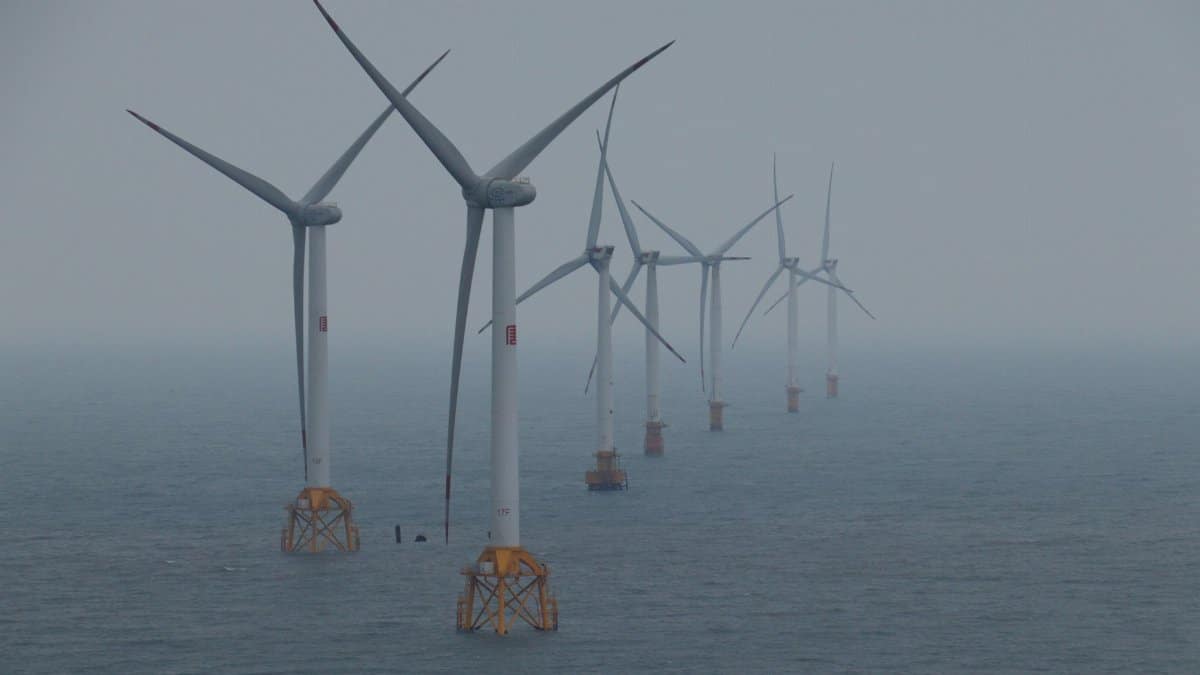
In recent months a prominent European energy firm has stepped back from ambitious plans to develop wind power resources along the Pacific shoreline. The decision comes as federal authorities prioritize conventional energy sources and reshape leasing arrangements that once supported clean power expansion. This shift affects multiple coastal zones and signals a new direction for investment in the region. The situation with offshore wind California illustrates how quickly market conditions can change when political leadership emphasizes fossil fuel interests over emerging technologies.
Company Withdraws From Pacific Leases

German based RWE has agreed to transfer its rights in several offshore areas as part of a large financial arrangement valued at one point two two billion dollars. The transaction allows the current administration to redirect those sites toward other uses aligned with its energy agenda. Observers note that such exits reduce the number of active players pursuing large scale wind installations in state waters.
Federal Policy Turns Toward Traditional Sources

New directives from Washington emphasize expanded drilling and extraction on public lands and waters. These moves replace earlier incentives that encouraged renewable projects and have led several firms to reassess their portfolios. Industry analysts point to reduced certainty around permitting timelines as a key factor driving the pullback.
Impact On State Energy Goals
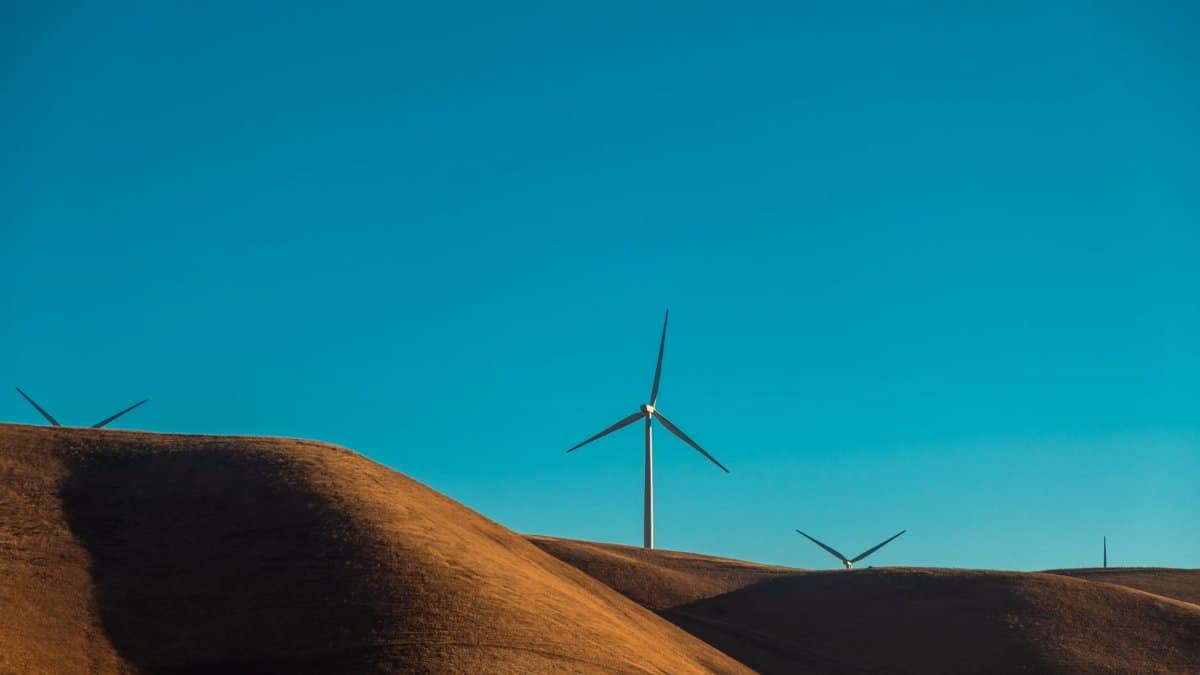
California officials had set targets for substantial clean power contributions from coastal facilities by the end of the decade. The departure of another developer complicates efforts to meet those benchmarks and may require adjustments to procurement strategies. Local utilities now face questions about how to fill the gap left by delayed or canceled projects.
Financial Details Of The Agreement

The one point two two billion dollar payment provides the company with an exit path while giving federal agencies flexibility to reassign the leases. Supporters of the deal argue it recoups value for taxpayers and aligns resources with immediate national needs. Critics contend it represents a missed opportunity to advance lower emission options.
Broader Market Reactions

Other firms watching the California market have expressed caution about committing further capital. Stock prices for renewable developers dipped following the announcement as investors weighed the implications for similar projects elsewhere along the Atlantic and Gulf coasts. Some see opportunities in onshore alternatives or international markets.
Environmental Considerations Raised

Advocates for marine protection worry that redirected leases could open sensitive habitats to more intensive industrial activity. Studies from academic institutions have documented risks to marine life from certain extraction methods and these concerns now receive renewed attention in policy debates.
Future Prospects For The Sector

Despite the current climate some experts believe technological improvements could revive interest in offshore resources once political conditions stabilize. Continued innovation in turbine design and grid integration may lower costs enough to compete even without strong federal support. Regional leaders continue to explore partnerships that could sustain momentum at the state level.