
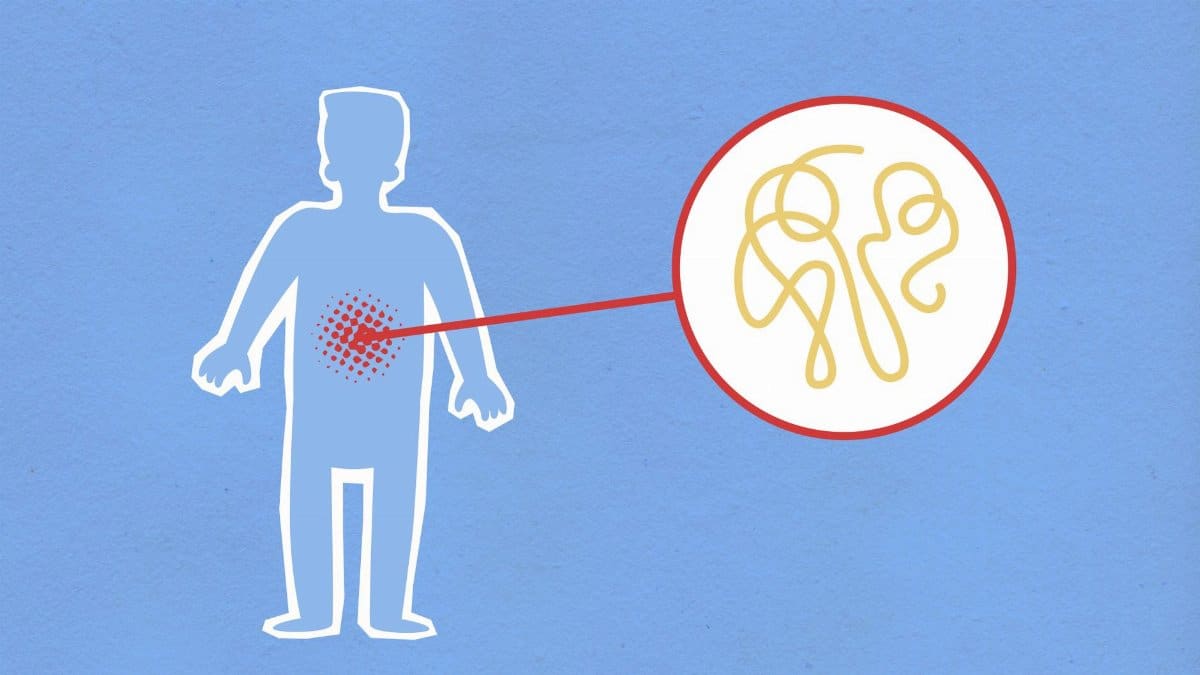
Health authorities across the state have observed an unusual uptick in reports of a food related parasitic illness this season. The situation has prompted closer scrutiny of cyclosporiasis California and its ties to common produce items. Many residents remain unaware of how such infections spread through everyday meals yet the implications for public dining habits are significant. Experts emphasize the need for vigilance without causing undue alarm among consumers who enjoy fresh vegetables and fruits year round.
The Parasite and Its Effects on the Body
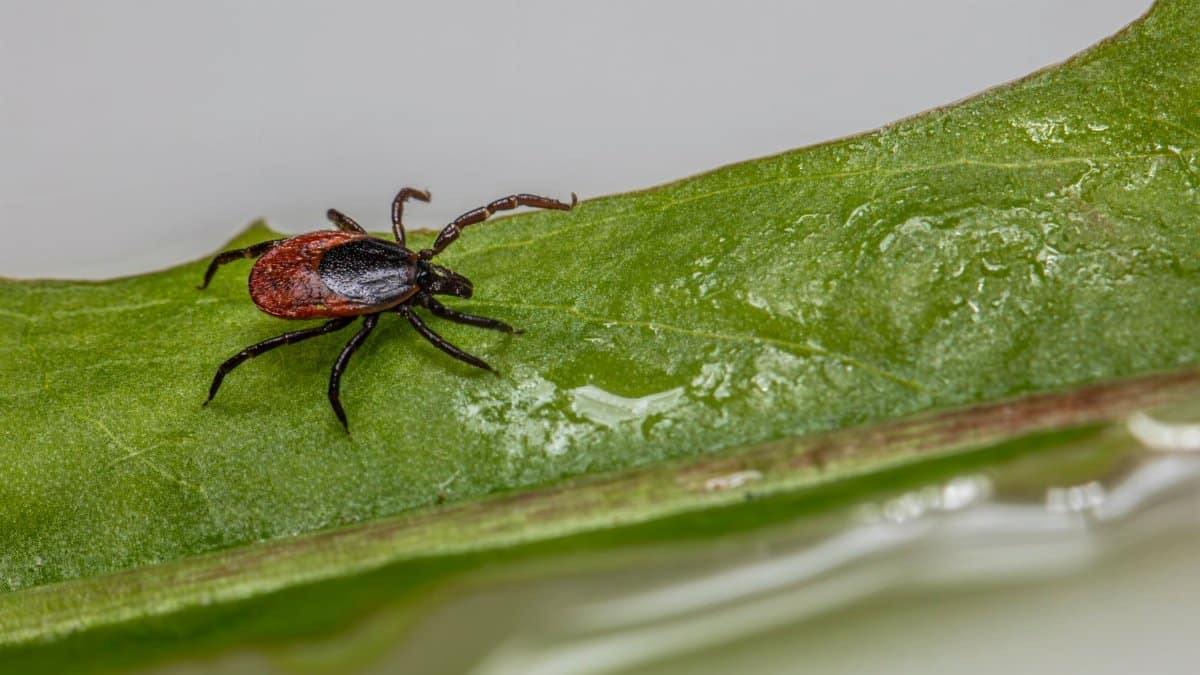
Cyclosporiasis stems from a microscopic organism that targets the intestinal tract. Once ingested it can lead to prolonged digestive discomfort including nausea and fatigue that lingers for weeks in some individuals. Medical professionals note that symptoms often mimic other common ailments which complicates early detection in busy clinics.
How Contamination Reaches Grocery Shelves

Fresh produce such as leafy greens can carry the parasite when grown in regions with inadequate water sanitation. Supply chains that stretch across borders introduce variables where washing practices may fall short. Distributors work to trace batches but gaps in oversight allow affected items to reach store displays.
Patterns Observed in Recent Months

State records show the number of confirmed instances exceeds typical seasonal averages. Investigators link some clusters to specific shipments of lettuce distributed through multiple outlets. Routine surveillance systems flagged the deviation early allowing for targeted recalls.
Role of Multi State Coordination Efforts

Federal agencies collaborate with local teams to map the spread and identify common sources. Data sharing helps pinpoint whether the issue originates from one farm or broader environmental factors. Such cooperation proves essential in containing wider dissemination.
Advice for Safe Food Handling at Home

Consumers benefit from thorough rinsing of all produce under running water. Peeling outer layers when possible adds another barrier against unseen contaminants. Health educators recommend avoiding raw preparations during peak alert periods to reduce personal risk.
Impact on Vulnerable Populations

Older adults and those with weakened immune systems face greater challenges if exposed. Hospitals report longer recovery times for these groups requiring supportive care and hydration monitoring. Community outreach focuses on protecting these individuals through clear communication.
Environmental Factors Influencing Spread
Weather conditions and irrigation methods in growing areas play a part in parasite survival. Drought or heavy rains can alter soil and water quality creating favorable conditions for contamination. Researchers continue to study these variables for better prevention strategies.
Lessons from Past Outbreaks Nationwide

Similar events in prior years led to improved tracking technologies now in use. Industry standards evolved to include more rigorous testing at packing facilities. These measures have curbed some risks yet new challenges emerge with changing agricultural practices.
Public Response and Information Campaigns

Local news outlets and health departments issue updates to keep residents informed. Social media serves as a rapid channel for alerts though accuracy varies. Officials stress verified sources to avoid misinformation that could heighten anxiety unnecessarily.
Future Steps for Monitoring and Prevention
Enhanced laboratory capacity allows quicker identification of cases. Partnerships with agricultural sectors aim to strengthen on farm safety protocols. Ongoing investment in these areas seeks to stabilize numbers in coming seasons.