
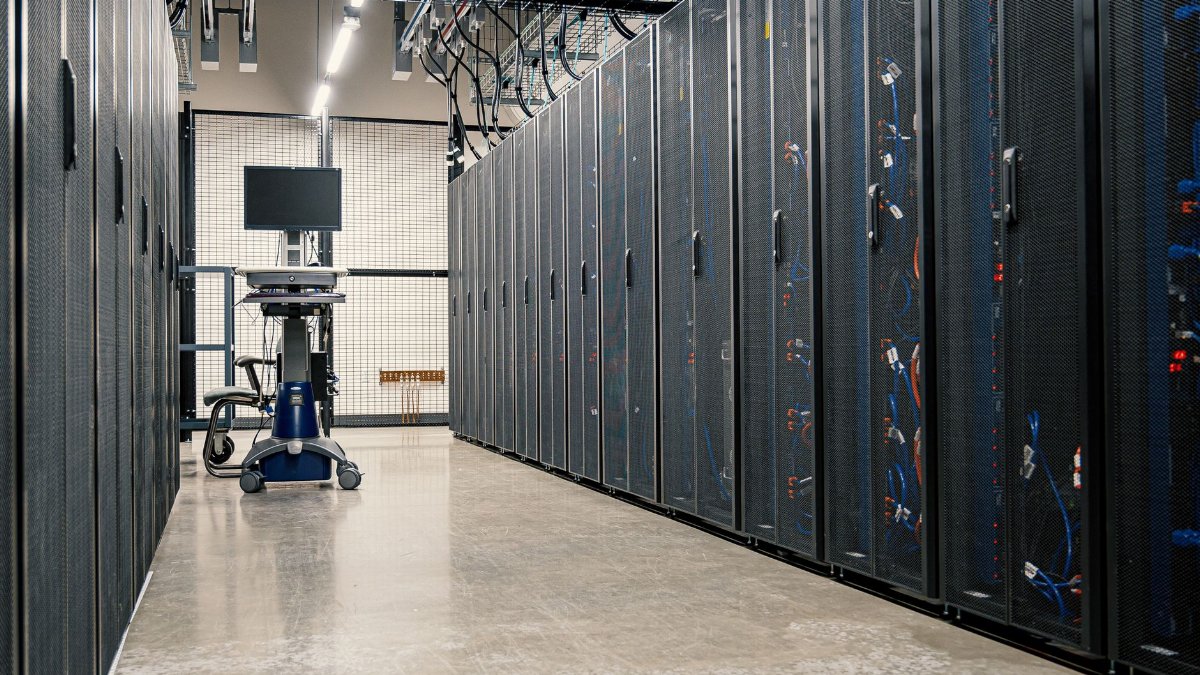
A proposal now circulating in Springfield could reshape how Illinois data centers operate and expand in the years ahead. The measure focuses on stricter rules for cooling systems, requirements for renewable power sources, and the return of certain tax breaks that had been scaled back in recent years. Lawmakers say the changes aim to balance rapid industry growth with environmental safeguards and local community needs. As data demand rises across the Midwest, the state finds itself at a crossroads where technology meets regulation in new ways.
Background on the Springfield measure

The draft language emerged in early August and has drawn attention from utility officials, environmental advocates, and corporate developers alike. It calls for closed loop cooling methods that reduce water use and ties future incentives to clean energy commitments. Backers argue this approach prevents unchecked expansion while still supporting job creation in construction and operations.
Energy demands and grid pressures
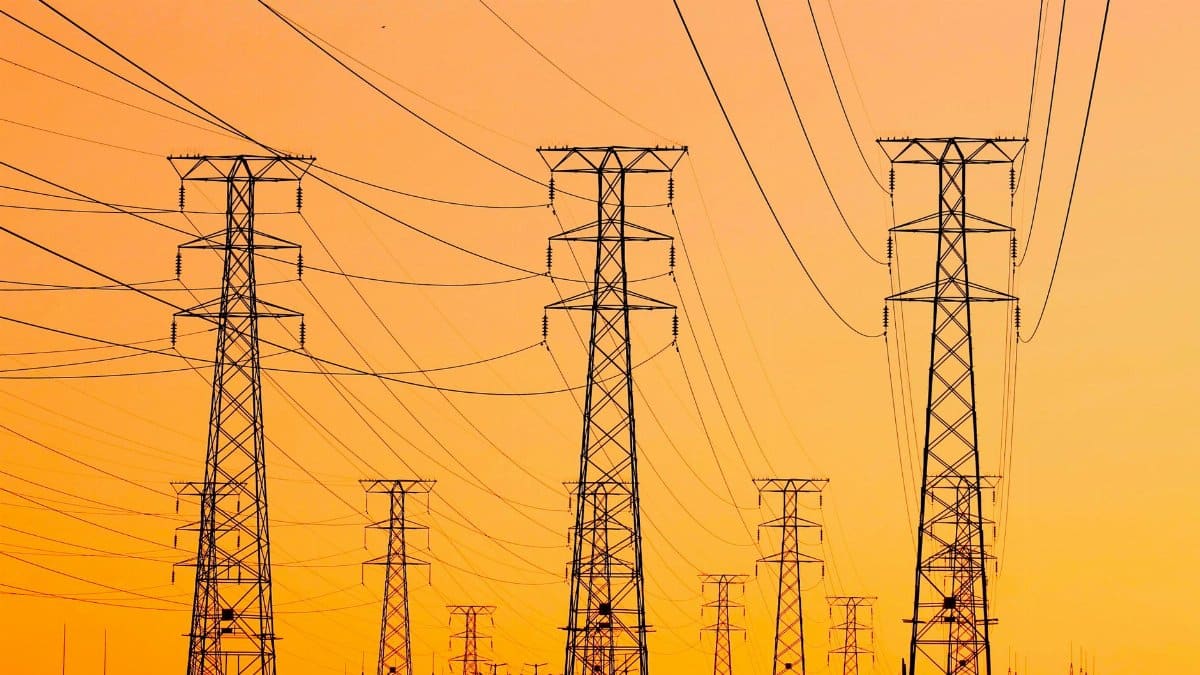
Illinois data centers already consume substantial electricity, and projections show further increases as artificial intelligence applications grow. The proposal requires new facilities to secure renewable power contracts, a step intended to ease strain on the regional grid. Utilities have begun studying how to integrate these large loads without raising costs for residential customers.
Water conservation through cooling rules

Traditional cooling systems rely heavily on evaporation, which can draw millions of gallons from local supplies each year. The new rules push for closed loop designs that recycle water internally. Communities near proposed sites have voiced concerns about aquifer levels, and the legislation seeks to address those worries before permits are issued.
Tax incentives and economic tradeoffs

Restored breaks would lower property tax burdens for qualifying projects that meet the renewable and cooling standards. Proponents claim this will keep Illinois competitive with neighboring states that offer similar packages. Critics counter that lost revenue could affect school funding and infrastructure repairs in rural counties where many sites are planned.
Local employment patterns

Construction phases create temporary surges in hiring, yet long term staffing needs remain modest once facilities open. Training programs at community colleges near data center clusters have started to focus on electrical and mechanical skills. The proposal includes provisions for workforce grants tied to local hiring targets.
Environmental review processes

Under the measure, developers must submit detailed impact studies covering air quality, noise, and wildlife corridors. State agencies would gain expanded authority to require modifications or deny permits. This marks a shift from earlier frameworks that treated data centers more like light industrial projects with lighter scrutiny.
Community pushback and transparency

Residents in several counties have organized meetings to question traffic increases, visual impacts, and property value shifts. The legislation mandates public hearings at multiple stages and requires companies to share projected utility usage data. Advocates say greater openness could build trust where past projects moved forward with limited input.
Comparisons with other states

Virginia and Texas have faced similar debates over data center growth and resource use. Illinois officials have studied those experiences while crafting language that fits local conditions, such as abundant wind resources in central and northern areas. The goal is to avoid the rapid sprawl seen elsewhere without halting investment entirely.
Renewable power sourcing challenges

Securing enough wind and solar capacity to meet the proposed thresholds will require new transmission lines and storage solutions. Developers are exploring partnerships with rural cooperatives that already generate excess clean energy. Timing remains uncertain, since grid upgrades often lag behind facility construction schedules.
Future outlook for state policy

If passed, the rules would take effect gradually, giving existing operators time to adapt. Lawmakers expect amendments during committee review, particularly around enforcement timelines and penalty structures. The outcome could set a precedent for how other Midwest states approach the same industry questions in coming years.