
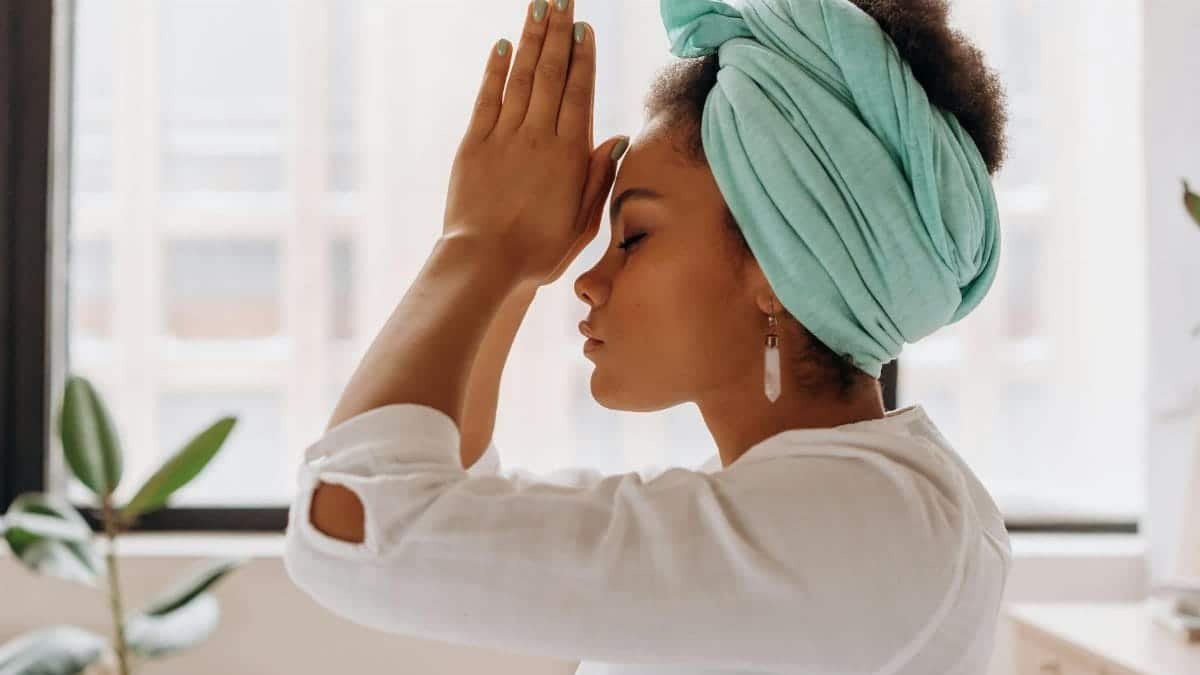
Is quick mindfulness stress reduction really the solution everyone claims? In today’s high-pressure world, stress is a constant for many Americans, with 77% reporting physical symptoms from it, according to the American Psychological Association. But what if a 10-second trick could shift your mindset instantly? This ultra-fast mindfulness technique, gaining traction in 2025, promises to calm your nervous system no matter where you are. It’s simple, accessible, and doesn’t require a yoga mat or silent retreat. Here’s how it works and why it’s worth a shot.
1. What Is the 10-Second Trick?
This quick mindfulness stress reduction method boils down to a focused breathing and awareness exercise. You pause for just 10 seconds, close your eyes if possible, and take slow, deliberate breaths—inhaling for four seconds, holding for two, and exhaling for four. While doing this, anchor your mind on a single sensation, like the air moving through your nose or the rise of your chest. It’s a micro-meditation that resets your nervous system fast.
2. Why It Works So Quickly
Stress triggers the body’s fight-or-flight response, spiking cortisol and heart rate. Research from institutions like the National Institutes of Health shows that even brief mindfulness practices can lower cortisol levels by activating the parasympathetic nervous system, which promotes calm. This 10-second trick interrupts the stress cycle by forcing your brain to focus on the present, not the chaos around you.
3. When to Use It

Caught in traffic? Anxious before a meeting? Use this technique anywhere stress hits. It’s perfect for moments when you can’t step away for a longer break. Whether you’re at your desk, in a crowded subway, or even mid-argument, those 10 seconds can act as a mental reset. Users report feeling clearer and less reactive almost instantly.
4. The Science Behind the Calm

Studies, including those summarized by American Psychological Association, highlight how mindfulness reduces activity in the amygdala, the brain’s fear center. Even a brief pause with intentional breathing can dial down emotional intensity. This isn’t just feel-good hype; it’s a measurable shift in brain function that helps you regain control under pressure.
5. How to Make It a Habit

Consistency turns this trick into a powerful tool. Start by pairing it with daily triggers—like before checking emails or after a phone call. Set a reminder on your phone for three quick sessions a day. Over time, your brain will associate these moments with calm, making the response almost automatic when stress spikes.
6. Real Results From Real People

Take Jenna R., a 34-year-old nurse from Chicago. She started using this 10-second method during hectic shifts. “I used to feel overwhelmed by 10 a.m.,” she says. “Now, I pause, breathe, and I’m back in the game. It’s a lifesaver.” Her experience aligns with countless others who’ve found quick mindfulness stress reduction a practical fix for daily tension.
7. Limits to Keep in Mind

This isn’t a cure-all. Severe anxiety or chronic stress may need deeper interventions like therapy or medication. The 10-second trick works best for situational stress—those fleeting moments of overwhelm. Think of it as a Band-Aid, not a full treatment plan, and consult a professional if stress persists.
8. Customizing Your 10 Seconds

Not everyone clicks with the same focus point. If breathing feels awkward, try grounding yourself by noticing your feet on the floor or the texture of an object in hand. The key is to pick one sensory detail and lock in for those 10 seconds. Experiment to find what snaps you out of stress fastest.