
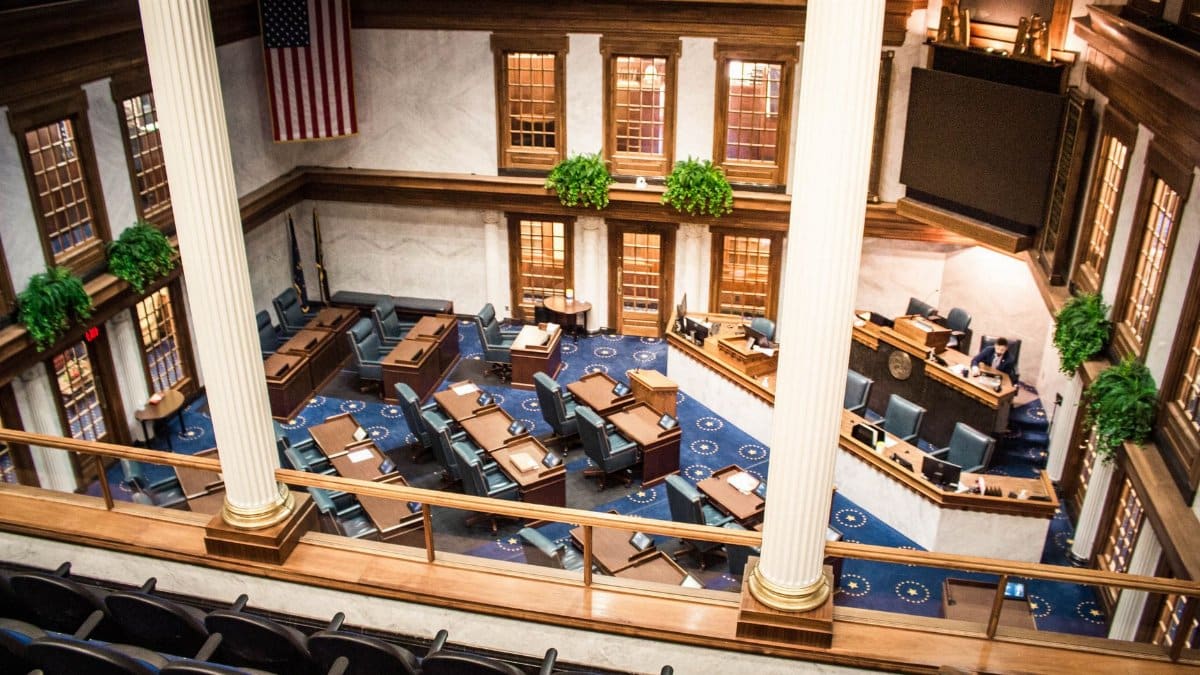
In the bustling corridors of state politics where strategy meets opportunity, the push to fill ballots reflects a broader commitment to representation. As campaigns gear up across the state, Indiana Democrats candidates have emerged as a focal point for those tracking shifts in legislative balance. Observers note that thorough recruitment signals determination to contest every district rather than concede ground early.
Understanding the Recruitment Push

Party leaders describe the effort as methodical and focused on local voices. Volunteers reached out to professionals, educators and community figures who had not previously considered running. This approach helped identify individuals ready to address issues like education funding and infrastructure needs. The result leaves few seats without a name on the ticket.
Key Districts Showing Strong Interest
Several areas once viewed as safe for one side now feature competitive matchups. Organizers spent months meeting residents at town halls and county fairs to gauge concerns. Those conversations shaped the profiles of people willing to serve. Indiana Democrats candidates in these spots often emphasize practical solutions drawn from their own experiences in small businesses or public schools.
Challenges Faced During Selection

Not every outreach produced immediate yes answers. Potential contenders weighed family obligations and work schedules against the demands of a campaign. Some declined after initial talks while others asked for more details on support from the central office. Persistence paid off as follow up calls and neighbor endorsements convinced a number to file papers.
Role of Local Organizations
County level groups played a vital part by hosting workshops on petition gathering and voter outreach. These sessions gave newcomers confidence in the mechanics of running. Experienced volunteers paired with first time hopefuls to share lessons from past cycles. The network extended beyond urban centers into rural counties where turnout can decide close races.
Policy Priorities Emerging from Candidates

Early platforms center on access to healthcare in underserved regions and support for family farms facing market pressures. Discussions also touch on property tax relief and workforce training programs. Indiana Democrats candidates frequently tie these themes to personal stories of neighbors struggling with rising costs or limited job options close to home.
Impact on Upcoming Legislative Sessions
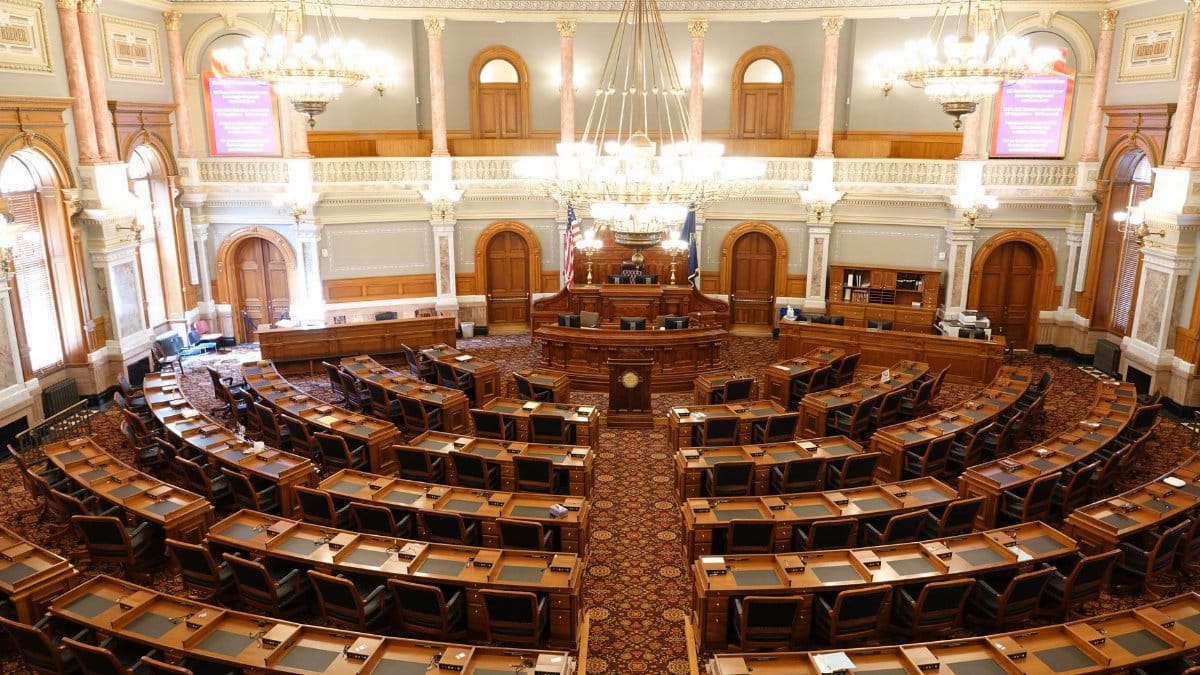
A fuller slate could alter debate dynamics once winners take office. More voices at the table might encourage bipartisan talks on shared concerns such as road repairs. Analysts suggest the presence of additional contenders keeps pressure on incumbents to respond to constituent feedback throughout the year rather than only near election time.
Comparisons With Previous Election Cycles
Past efforts sometimes left gaps in certain regions allowing uncontested wins. Current numbers show improvement in coverage across the map. The difference stems from earlier planning and better data on voter interests in each area. This shift marks a change in how the group prepares for statewide contests.
Voices From First Time Contenders
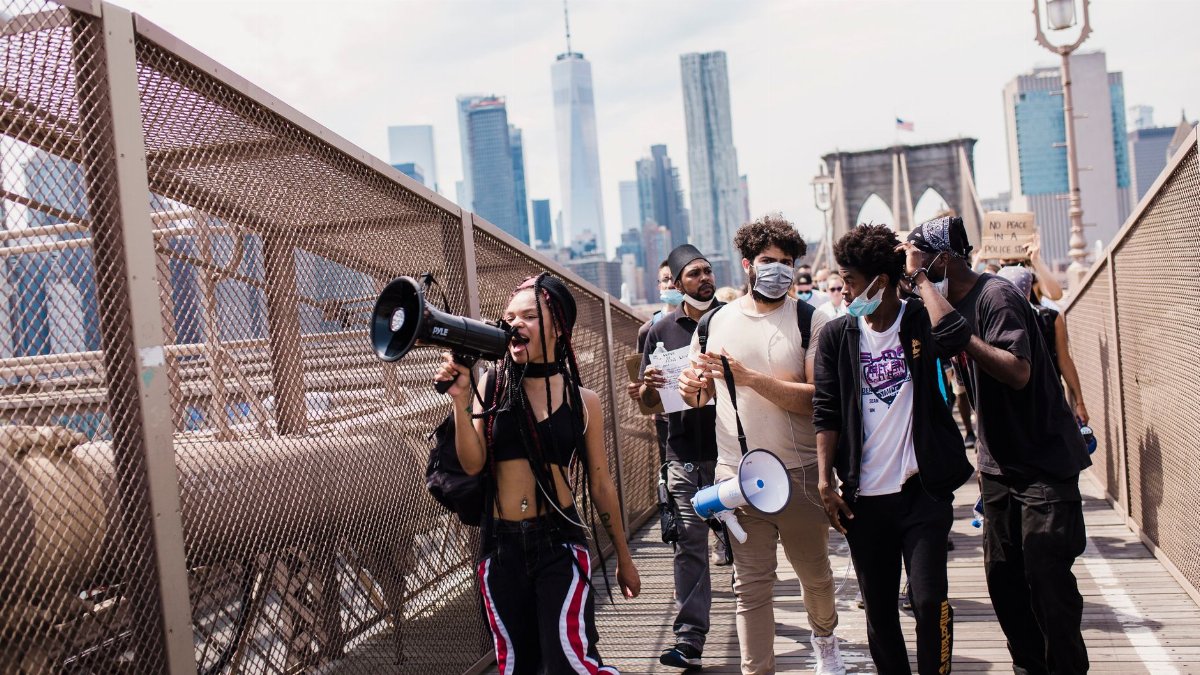
Several individuals new to politics speak of motivation rooted in community service rather than partisan loyalty. One former teacher noted the chance to advocate for classroom resources that directly affect daily learning. Another cited concerns over access to clean water in growing suburbs. Their perspectives add depth to conversations about state priorities.
Support Structures Available to Newcomers
Training programs cover everything from debate preparation to digital communication strategies. Staff members provide guidance on compliance with finance rules and media interactions. Such resources aim to level the field so candidates can focus on meeting voters instead of navigating paperwork alone.
Broader Implications for State Representation
Filling most seats demonstrates an intent to engage the full electorate. Residents in every corner gain options when weighing who best understands regional needs. This pattern may encourage higher participation rates on election day as people see familiar names reflecting their own backgrounds.