
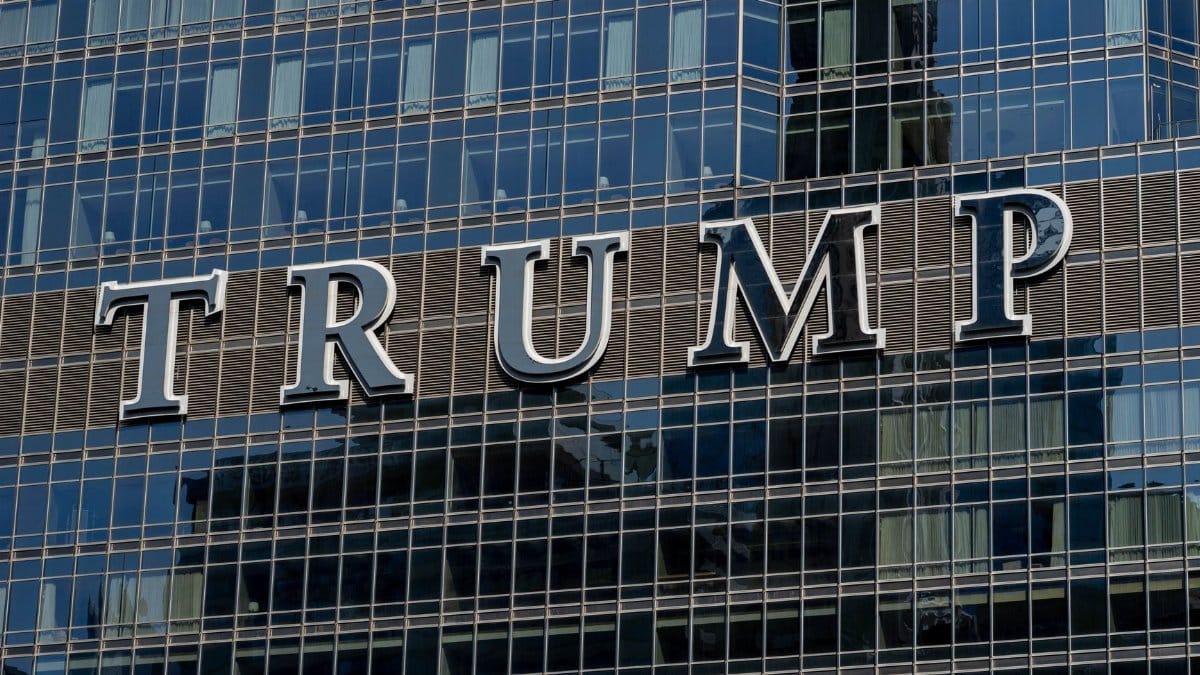
In recent weeks political observers have noted rising interest in how Republican contenders are shaping their messages ahead of the Michigan GOP primary. The contest involves established names and self funded challengers whose approaches reveal contrasting visions for the party and its future direction. One candidate brings experience from previous runs while another relies on personal resources to gain visibility. This dynamic has prompted discussions among voters about loyalty unity and policy priorities in a key battleground state.
Candidates Backgrounds and Motivations

John James has built a profile through prior Senate campaigns that emphasized economic growth and military service. His strategy focuses on connecting with suburban voters who value steady leadership. Perry Johnson meanwhile has invested substantial personal funds to promote a platform centered on reducing government size and cutting taxes. Both men have sought endorsements from influential figures to bolster their standing.
Role of Trump Influence in the Race

Support from former President Trump remains a coveted asset yet the field shows signs of fragmentation. Some backers prefer candidates with proven records in national politics while others favor outsiders who challenge establishment norms. This split affects how campaigns allocate resources and frame their appeals to the base.
Policy Differences on Economic Matters

Debates over tax policy and business regulations have taken center stage. James advocates targeted incentives for manufacturers while Johnson pushes broader cuts across the board. These positions appeal to different segments of the electorate including small business owners and corporate leaders.
Voter Sentiments Across Regions
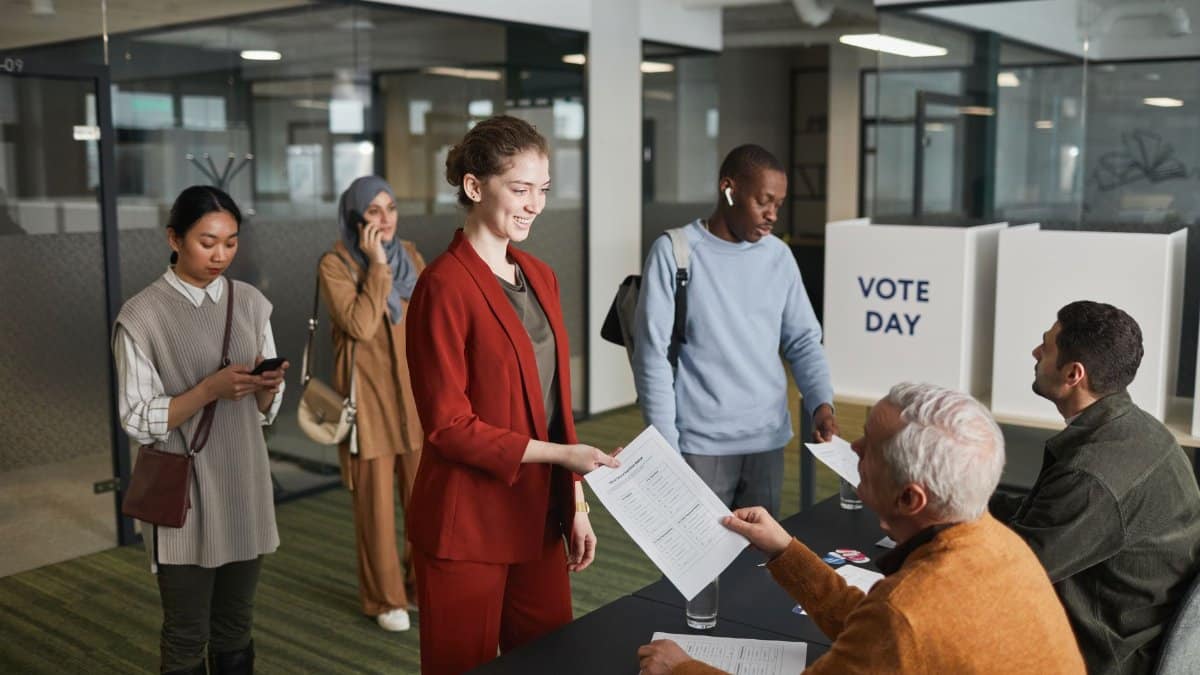
Surveys indicate varying levels of enthusiasm in urban suburbs and rural counties. Older voters tend to prioritize experience whereas newer participants express openness to fresh voices. Turnout patterns will likely determine which approach prevails.
Impact of Campaign Spending Trends
The infusion of personal wealth has altered traditional fundraising dynamics. Self funded efforts allow for extensive advertising but they also raise questions about accessibility for candidates without similar means. Observers watch closely to see how this affects overall competitiveness.
Broader Implications for State Republicans

Whatever the outcome the Michigan GOP primary could set precedents for future contests. Party leaders may need to address internal divisions to maintain cohesion in general elections. Unity efforts could involve town halls and policy forums.
Media Coverage and Public Perception
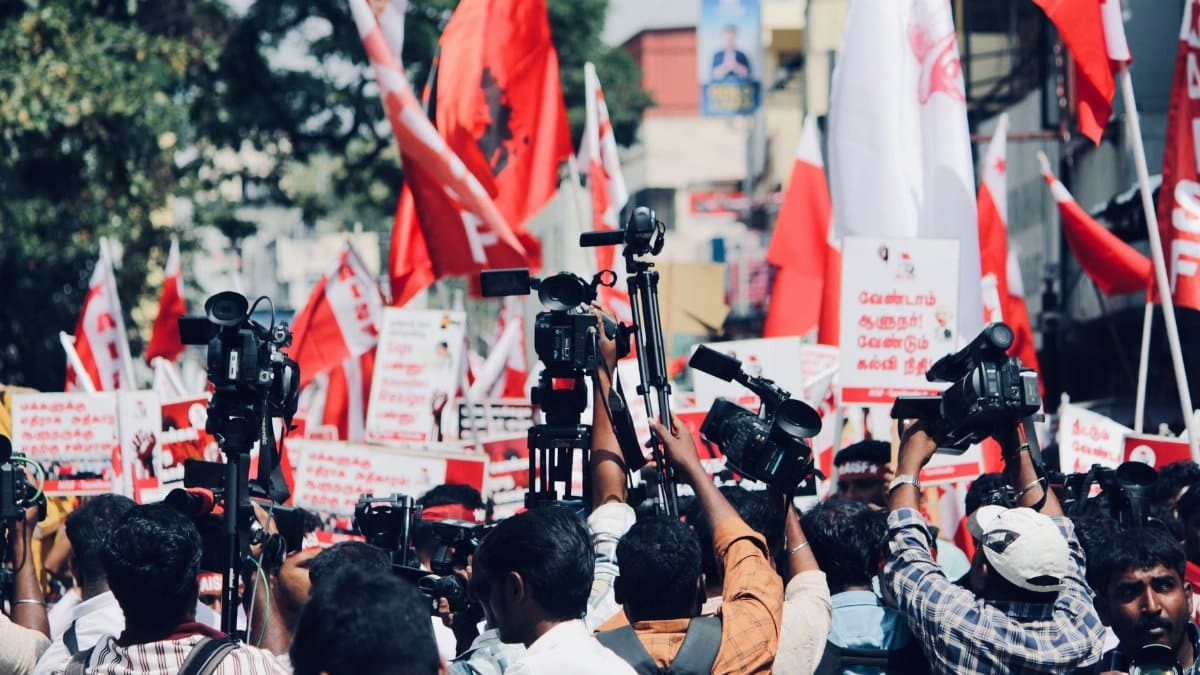
Local outlets have provided detailed reporting on debates and rallies. National attention has been more sporadic yet it highlights the race as an indicator of party evolution. Readers encounter narratives that stress both conflict and common ground.
Future Outlook After Primary Results

Once votes are tallied attention will shift to November contests. The winner will face Democratic opposition in a state known for close margins. Preparation for that phase begins well before the primary concludes.