
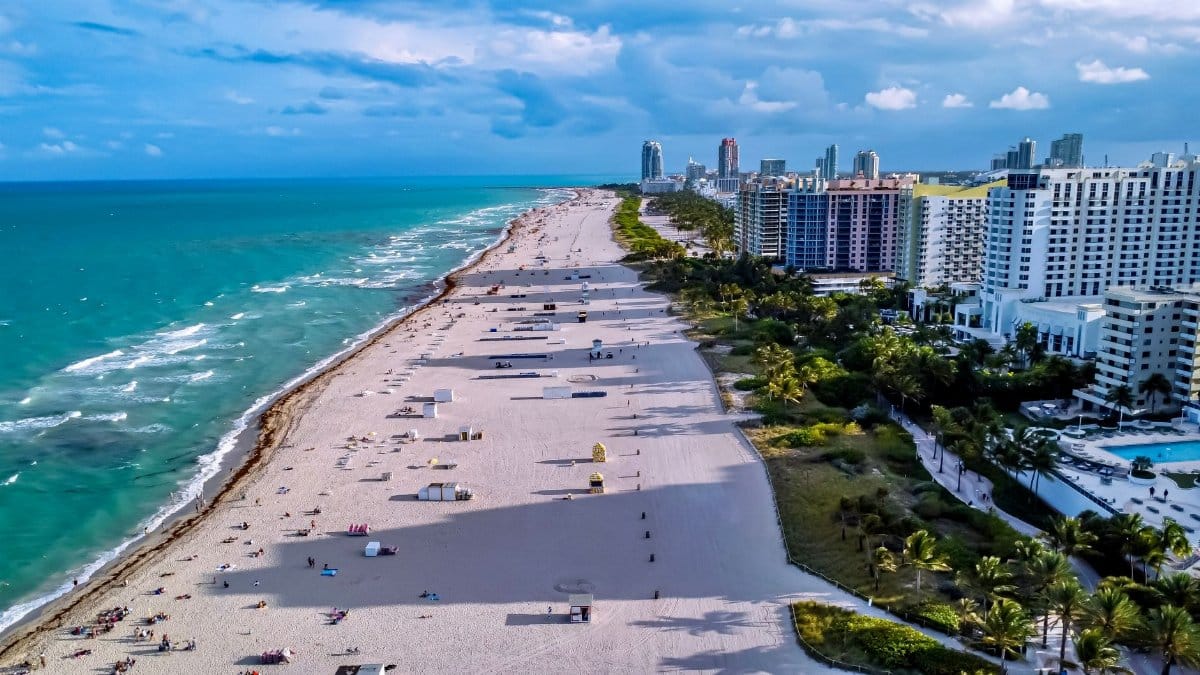
In recent weeks South Florida has experienced a stretch of unusually intense warmth that has broken longstanding benchmarks. The Miami heat record now stands at a level that has surprised even seasoned meteorologists. With heat indexes reaching 105 to 110 degrees residents have been urged to take precautions against the oppressive conditions that linger from morning until night. Communities across the area have adjusted routines to cope with the strain while experts note this event fits into broader patterns of rising warmth observed over recent years.
Effects on Public Health and Safety

The extreme warmth poses risks to vulnerable populations such as the elderly and those with preexisting conditions. Hospitals have reported an uptick in cases related to heat exhaustion. Officials recommend staying hydrated and avoiding outdoor activities during peak hours. Local clinics have extended hours to handle the increased demand for care.
Community Responses Across Neighborhoods

Neighborhood associations have organized cooling centers in libraries and recreation halls. Volunteers distribute water bottles and check on isolated individuals. These efforts highlight how collective action can ease the burden during prolonged periods of high heat.
Comparison With Past Weather Events

Previous summers brought warm spells but none matched the duration and intensity seen this season. Data from weather stations show consistent daily peaks that exceed averages from a decade earlier. This shift has prompted discussions among longtime residents about how the area has changed.
Economic Pressures From Prolonged Warmth

Businesses reliant on outdoor work have faced reduced productivity. Construction sites and agricultural operations have altered schedules to early morning or evening slots. Tourism has also felt the impact as visitors shorten trips or seek indoor attractions.
Environmental Factors at Play

Rising ocean temperatures contribute to the humidity that amplifies the sensation of heat. Urban development has added surfaces that retain warmth overnight. Scientists point to these combined influences as key drivers behind the current conditions.
Future Outlook and Adaptation Strategies
Projections suggest similar events may occur more frequently. City planners are considering expanded green spaces and improved building standards to reduce heat retention. Such measures aim to build resilience against recurring high temperature episodes.
Reflections on Human Connection to Nature

Many have found themselves contemplating the power of natural forces amid the discomfort. This period serves as a reminder of the need for balance with the environment that sustains daily life. Quiet moments of awareness can foster greater appreciation for the world around us.