

A recent investigation into claims at a prominent Michigan arts institution has revived urgent talks about access to the courts for those harmed long ago. Survivors and their supporters see the moment as pivotal, with the Interlochen statute emerging as a key reference point in proposals to give more people a chance to pursue cases that time has so far kept out of reach. The report details accounts from decades past and highlights how rigid deadlines can silence voices even when evidence remains available. Observers note that similar shifts in other states have allowed delayed claims to proceed, often leading to institutional changes and financial settlements. Michigan lawmakers now face pressure to weigh these precedents against concerns about fairness for the accused. Public attention has grown quickly, fueled by media coverage and statements from former attendees who describe lasting effects from their experiences.
Roots of Michigan Legal Time Bars
Michigan lawmakers established time limits on civil claims many years ago to encourage prompt reporting and preserve evidence. These rules apply across various types of cases, including those involving personal injury and institutional responsibility. Over time, courts have interpreted the statutes in ways that sometimes block claims filed after a certain window closes, even when new information surfaces later.
Details from the Recent Interlochen Center Report

The document released last month outlines multiple accounts of alleged misconduct spanning several eras at the facility. Researchers gathered statements from dozens of individuals who attended programs there as youths. Patterns described include repeated interactions with certain staff members and a culture that discouraged reporting at the time. The authors recommend legislative adjustments to address barriers that have kept many stories from reaching judges.
Survivor Perspectives on Delayed Justice
Individuals who shared their experiences for the report speak of years spent processing events before feeling ready to seek legal recourse. One former participant explained how family expectations and institutional prestige made early disclosure difficult. Others describe therapy and support networks that only recently enabled them to consider formal complaints. These accounts underscore why advocates seek longer periods for filing.
Comparisons with Reforms in Neighboring States

States such as New York and Pennsylvania have adjusted their own time restrictions in recent sessions, allowing certain older claims to move forward under specific conditions. Michigan observers have studied the outcomes, including increased filings and subsequent policy reviews at affected organizations. Data from those jurisdictions show mixed results, with some cases settling quickly while others proceed to trial.
Arguments from Legal Scholars and Defense Groups

Professors who study civil procedure caution that extending limits too far could strain court resources and complicate factual inquiries. Defense attorneys add that witnesses and records from earlier periods may no longer exist, raising due process questions. They urge careful drafting so any changes include safeguards against frivolous actions.
Potential Effects on Arts and Educational Institutions

Organizations similar to the Interlochen Center worry that broader access to lawsuits could lead to higher insurance costs and reputational challenges. Administrators at comparable camps have begun internal reviews of past practices, hoping to demonstrate proactive steps. Some have created funds for counseling services even without court orders.
Legislative Pathways Under Consideration
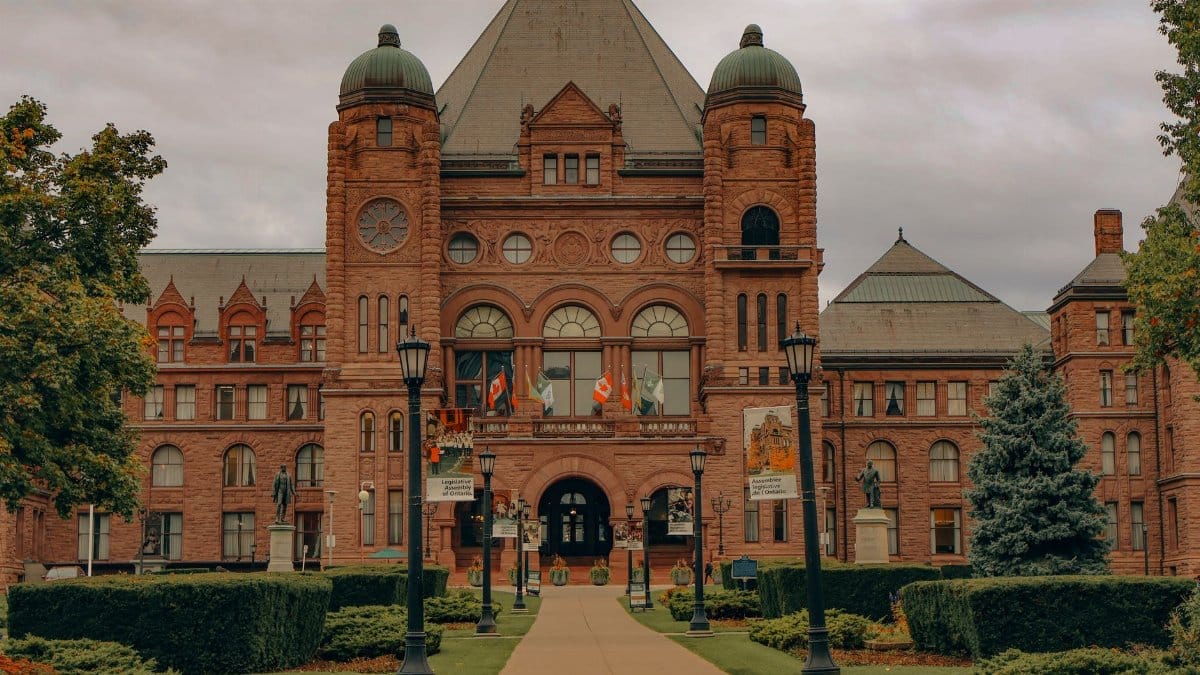
Committees in Lansing are reviewing draft language that would add exceptions for certain categories of claims involving minors. Sponsors emphasize that the measures would apply prospectively in many instances while carving out narrow openings for older matters supported by documentation. Bipartisan interest appears to be building ahead of the next session.
Role of Media Coverage in Shaping Public Views

Local and national outlets have devoted space to the report findings, often featuring interviews with those who contributed accounts. This visibility has prompted letters to elected officials and online discussions among alumni networks. Coverage has also drawn attention to how other states handled comparable situations, providing readers with context for the Michigan debate.
Next Steps for Policy and Institutional Response

Advocacy organizations plan to hold forums across the state to gather additional input before votes occur. Meanwhile, the Interlochen Center has stated it welcomes dialogue on improving safety measures. Observers expect further reports and possible amendments as the conversation continues into the fall.