
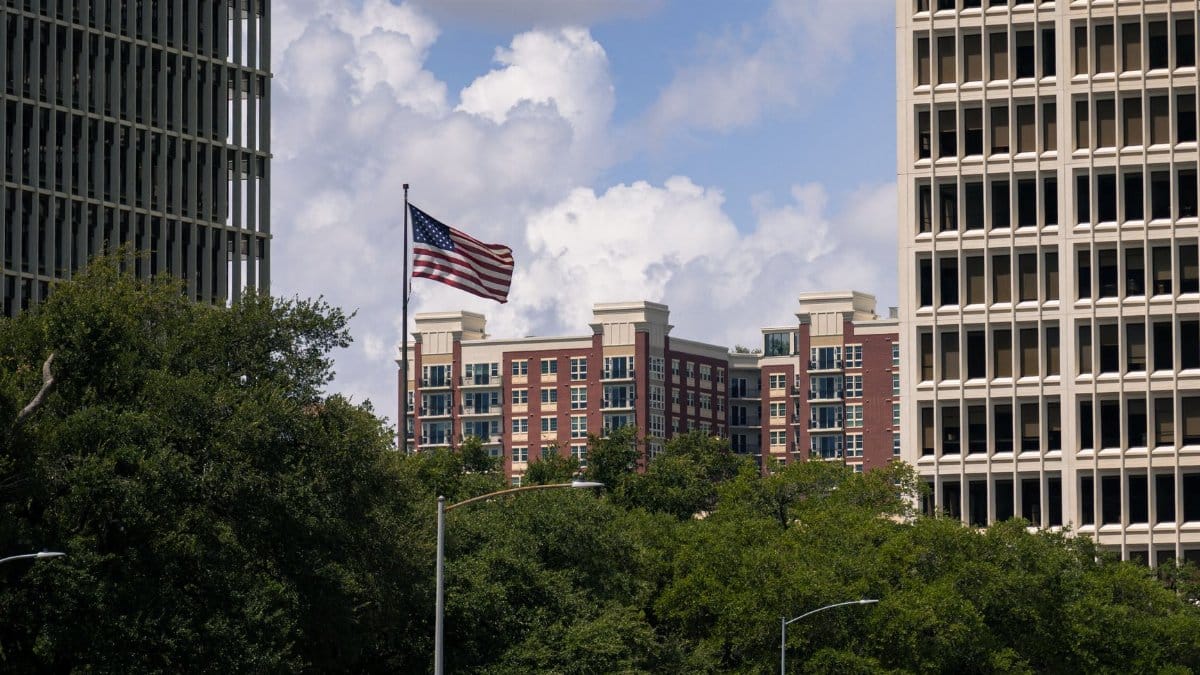
In the midst of another intense summer season residents across the region found themselves confronting temperatures that pushed the limits of human endurance. Hospitals reported a sharp increase in cases involving dehydration and exhaustion as the sun beat down without relief. This surge came close to matching an all time high for daily admissions and drew renewed attention to how urban environments amplify such risks. One phrase that captured the concern among health officials was Houston heat ER as they assessed capacity and prepared for potential overflows. Communities rallied with cooling stations while families checked on vulnerable neighbors to mitigate the worst effects.
Daily Temperature Patterns in Urban Centers
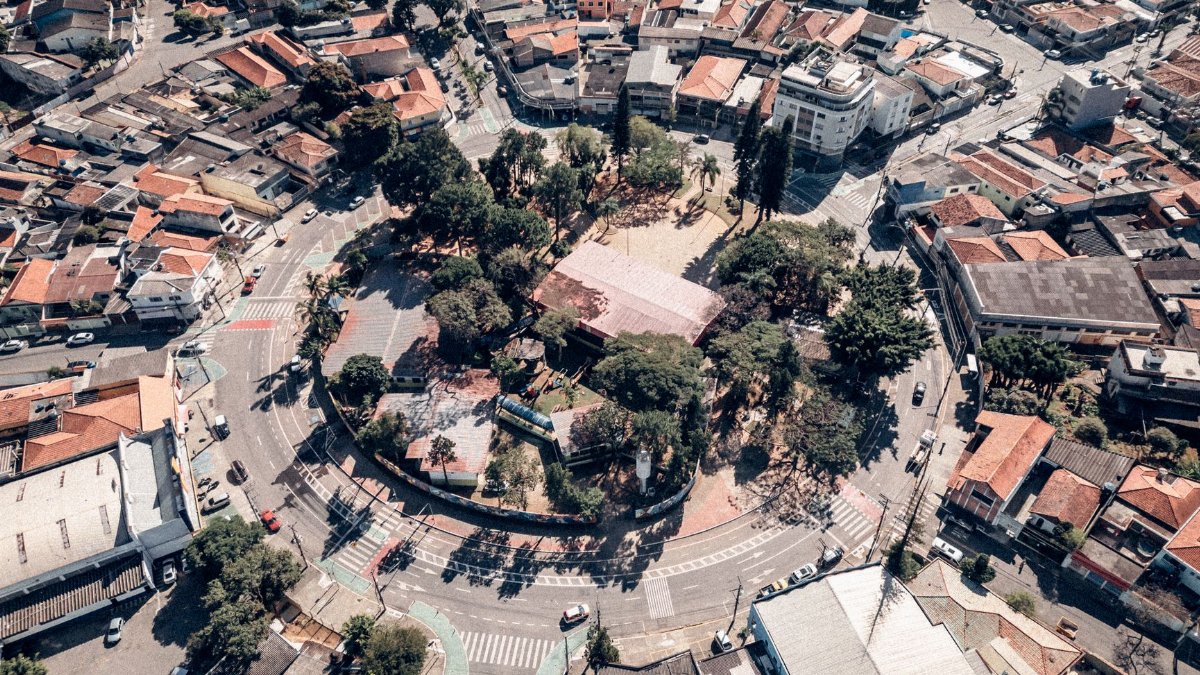
Prolonged periods of high heat have become more common in recent years altering routines for many households. Morning commutes turn oppressive by midday and evenings offer little respite when concrete holds warmth overnight. Data from local weather stations show consistent spikes above ninety five degrees for weeks on end forcing adjustments in work schedules and outdoor activities. Public health messaging emphasizes hydration and shade yet compliance varies widely among different groups.
Strain on Hospital Resources During Peaks
Emergency departments operate at heightened alert when forecasts predict extended heat waves. Staff members manage increased arrivals of patients displaying symptoms from prolonged exposure. Equipment and bed availability require constant monitoring to avoid bottlenecks. Coordination with neighboring facilities helps distribute the load but gaps remain during simultaneous spikes across multiple sites.
Effects on Older Populations in the City
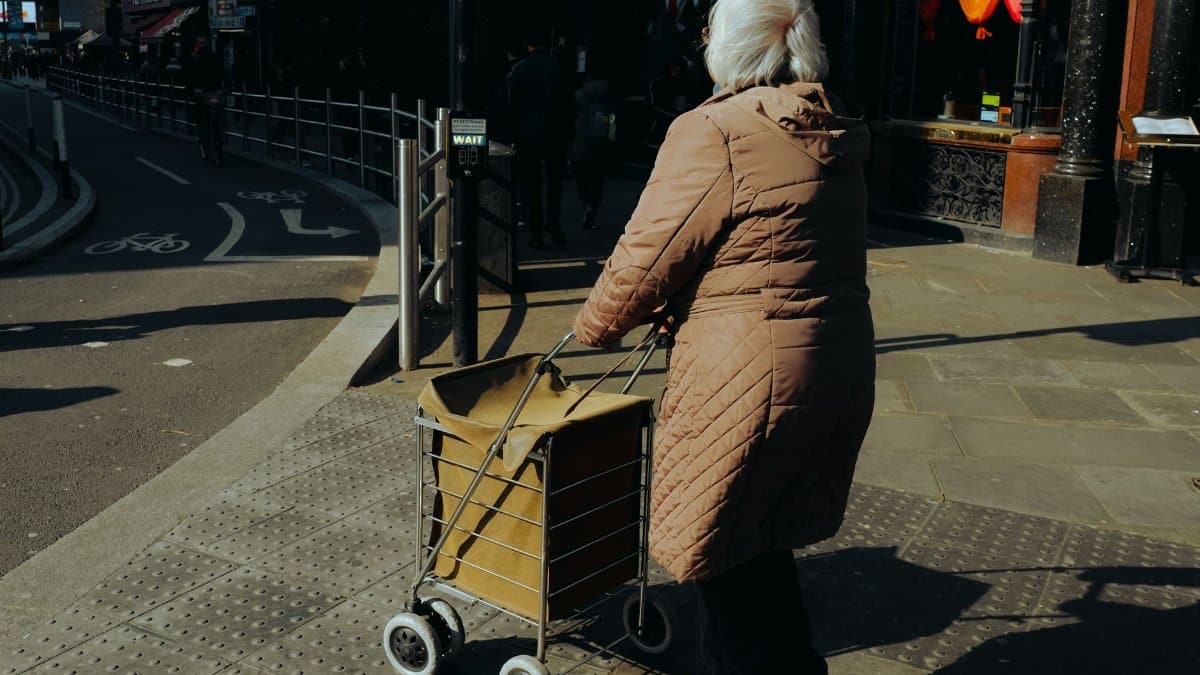
Seniors face elevated challenges because bodily responses to heat slow with age. Many live alone without easy access to air conditioning or transportation to cooler spaces. Outreach programs send volunteers to deliver water and check well being yet coverage cannot reach every household. Stories emerge of individuals who waited too long before seeking aid leading to more serious outcomes.
Role of Infrastructure in Heat Amplification
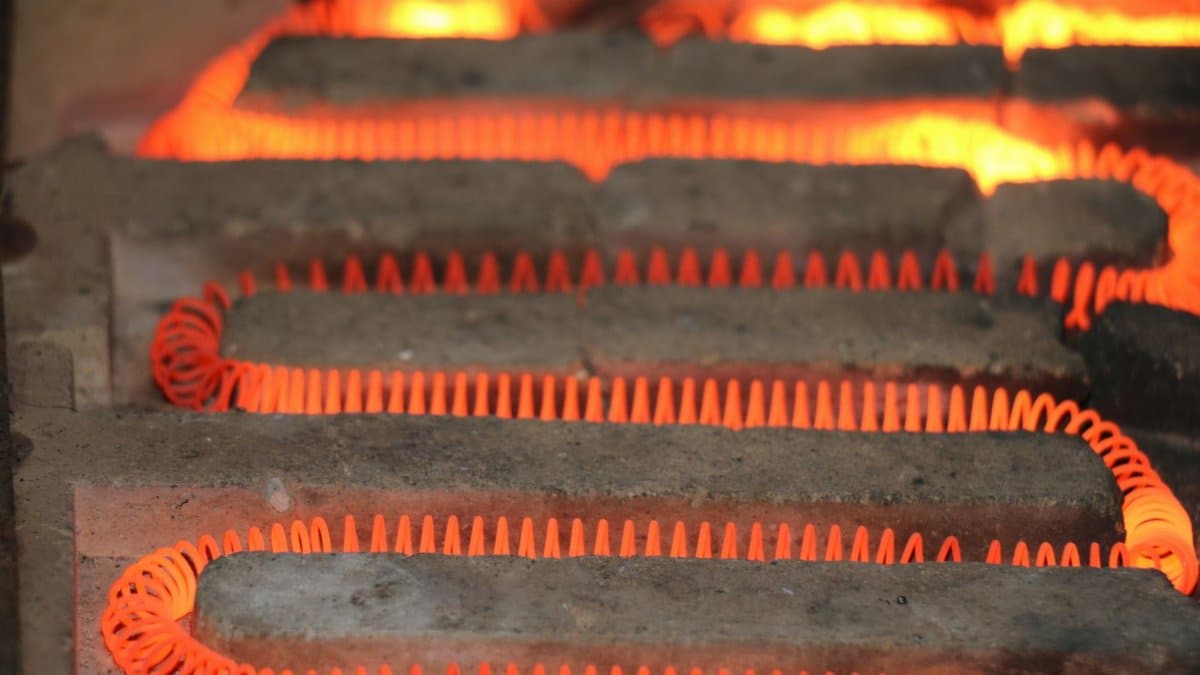
Paved surfaces and tall buildings trap warmth creating pockets where temperatures exceed regional averages. Limited tree cover in certain neighborhoods intensifies the issue for those without indoor climate control. City planners explore reflective materials and expanded green areas but implementation moves slowly amid budget constraints. These physical features contribute directly to the frequency of heat related complaints arriving at medical centers.
Community Response Networks in Action

Local organizations activate phone trees and door to door checks when alerts go out. Churches and recreation centers open doors for anyone needing a break from the conditions. Volunteers track supplies of fans and bottled water to meet demand. Such efforts demonstrate how collective action can reduce the number of severe cases reaching Houston heat ER facilities.
Long Term Climate Influences on Regional Weather
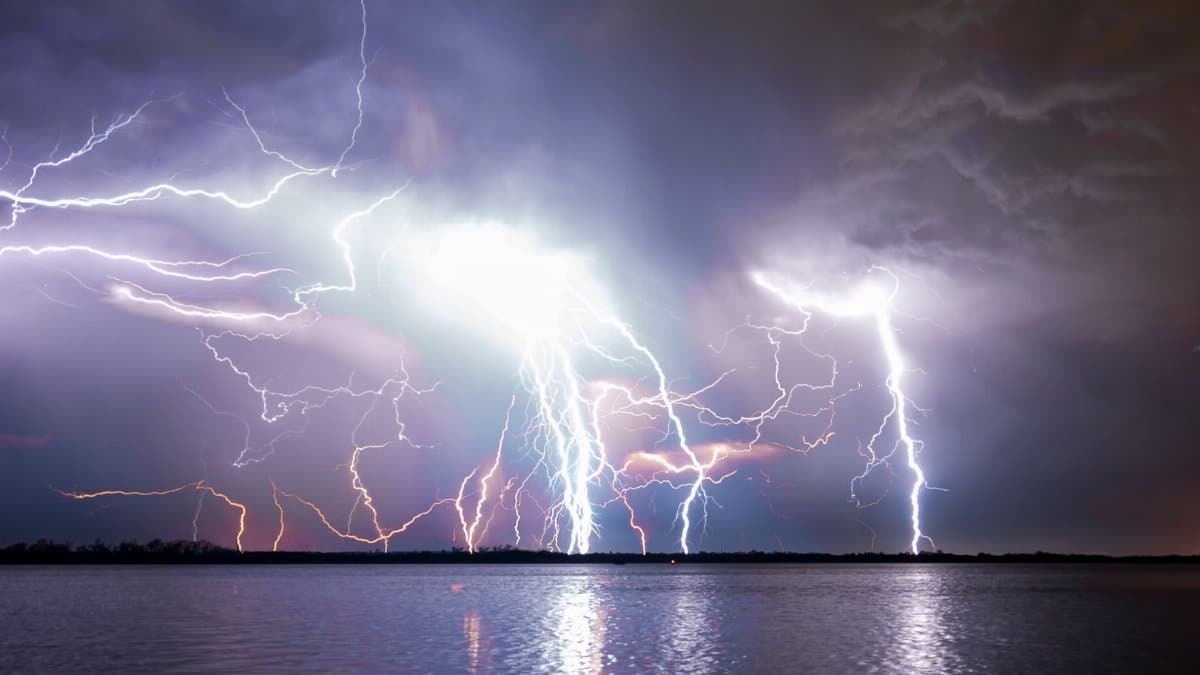
Broader shifts in atmospheric patterns have lengthened the duration of hot spells each year. Scientists tracking these changes note correlations with rising global averages though local factors also play a part. Residents adapt by modifying home designs and planting more shade trees yet the trend shows no immediate reversal. Preparation now focuses on building resilience rather than hoping for cooler seasons.
Preventive Measures for Individuals and Families
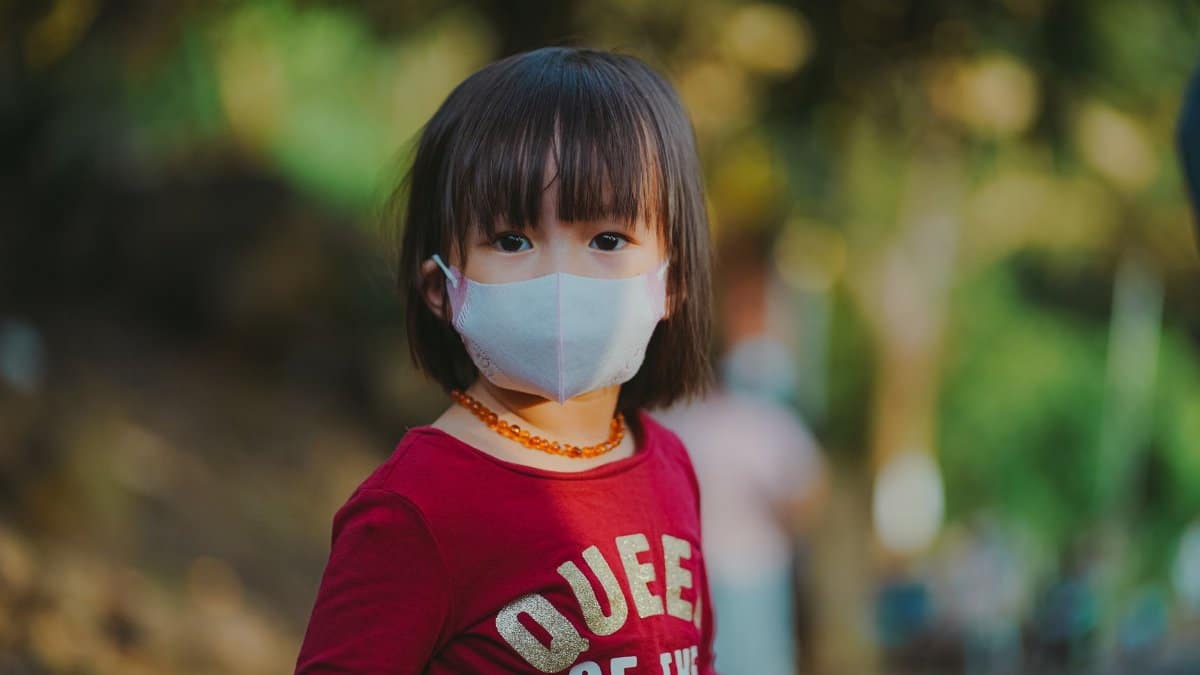
Simple steps such as scheduling outdoor tasks for early hours and wearing light clothing make a measurable difference. Checking on relatives who might overlook signs of distress proves equally important. Employers encourage breaks in shaded spots and provide electrolyte options during shifts. Widespread adoption of these habits lowers the overall burden on medical services during critical weeks.
Future Planning for Recurring Heat Events

Officials review past incidents to refine emergency protocols and expand cooling access points. Investments in updated forecasting tools allow earlier warnings that give people time to prepare. Collaboration between health agencies and utility providers aims to prevent power strains that compound the problem. Sustained attention to these areas will determine how effectively the area handles similar conditions ahead.