
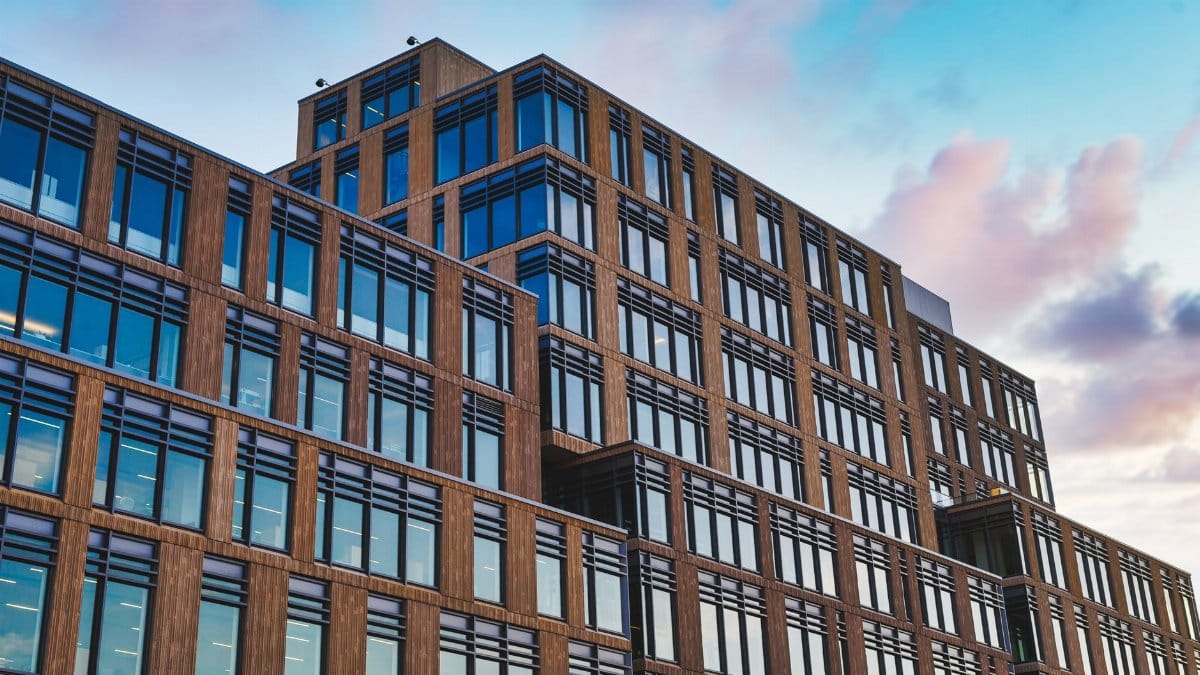
The streets of Waltham tell a story of change as an old office complex sits empty waiting for its next chapter. Landlords see an opportunity to build homes there but the mayor has blocked the plan over worries about crowding and infrastructure strain. Residents wonder what this means for the local economy and housing availability. The debate over Waltham office housing reveals tensions between development pressures and community preservation in suburban Boston.
Background on the Office Site

The property in question spans several acres near major highways and has housed various companies over decades. Its current condition includes vacant floors and outdated features that make it less appealing to modern businesses. Landlords argue that shifting to residential use would breathe new life into the location while addressing regional needs for more living spaces. City records show the complex once employed thousands yet now stands mostly idle following shifts in work patterns.
Mayoral Veto and Its Reasons
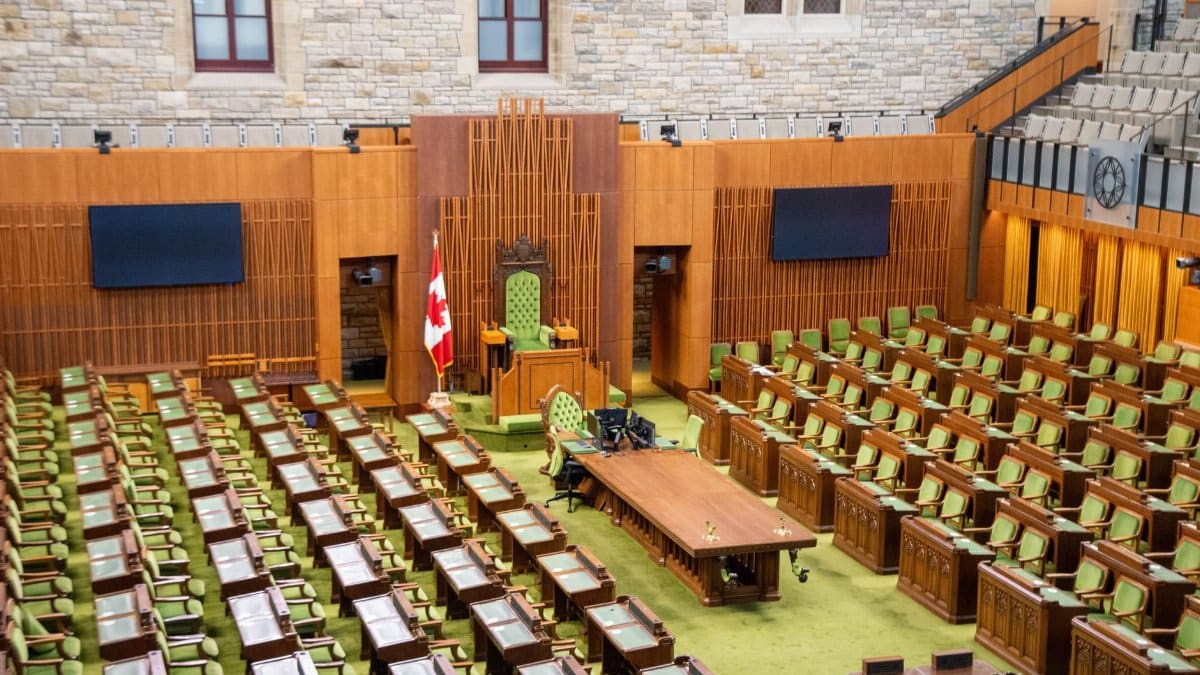
Mayor Jeannette McCarthy cited excessive density as the primary issue when she rejected the conversion proposal. She noted that adding roughly twelve hundred units would overwhelm local roads schools and utilities without sufficient upgrades. Supporters of the veto point to existing traffic issues and a desire to maintain the suburban character of Waltham. The decision has sparked discussions among council members who may attempt to override it in coming weeks.
Landlord Perspectives on Redevelopment

Property owners emphasize that office demand has dropped sharply in recent years leaving them with underutilized assets. They propose Waltham office housing as a practical response that could generate steady revenue through apartments and mixed use elements. Their plans include green spaces and transit connections aimed at reducing car dependence. Without approval they warn of prolonged vacancies that hurt tax revenues and local commerce.
Resident Views and Community Impact
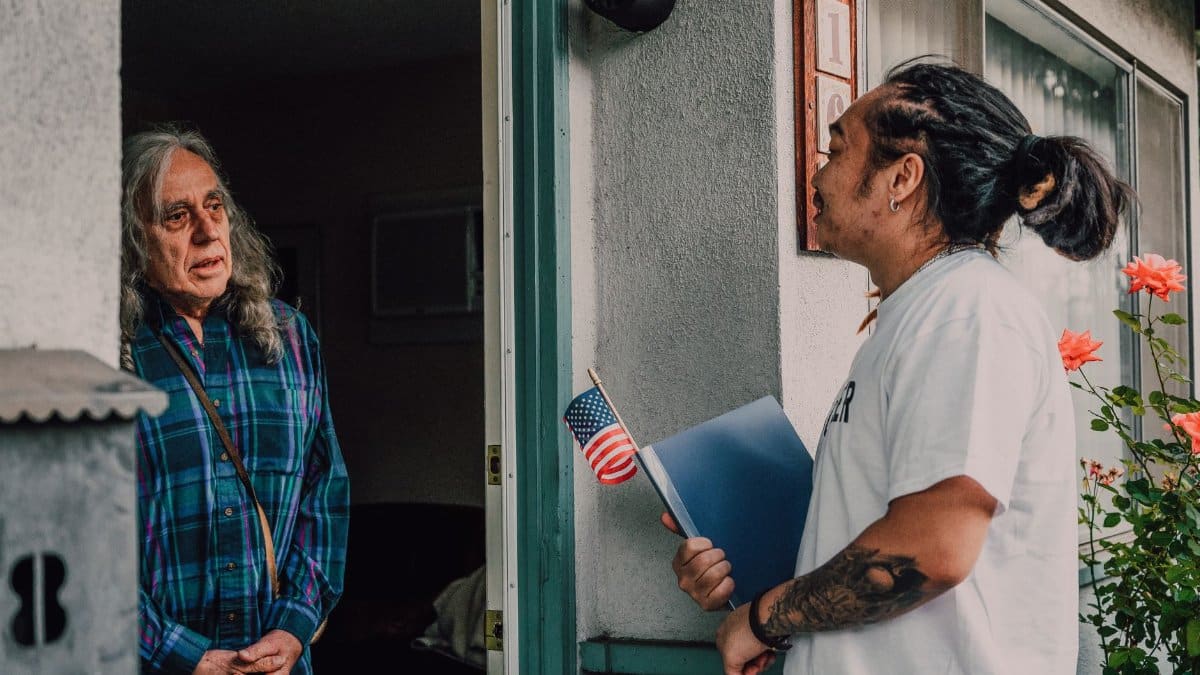
Many longtime residents express relief at the veto fearing a sudden population surge could alter neighborhood dynamics. Others see missed chances for younger families to settle in Waltham and support shops restaurants and schools. Public meetings have featured lively exchanges with some advocating for scaled down versions of the project that fit better with current zoning.
Broader Housing Market Context

Waltham office housing fits into larger patterns across greater Boston where former workplaces convert to residences amid remote work trends. Regional shortages have driven up prices making such projects attractive to investors. Yet local controls often limit scale to protect services and open areas. This case illustrates how individual cities navigate those competing demands.
Economic Considerations for Waltham

Converting the site could bring construction jobs and ongoing property taxes from new households. Opponents counter that added population might require costly expansions in police fire and education budgets. Business groups have weighed in noting potential boosts to retail while cautioning against rapid changes that strain resources. Economic models suggest balanced growth yields the best long term results for the city.
Future Possibilities for Office Spaces

Similar sites nationwide face uncertain futures as companies downsize footprints. Waltham office housing represents one path forward but alternatives like tech incubators or flexible workspaces remain on the table. Planners stress the value of mixed approaches that blend residential options with retained commercial elements. The outcome here could set precedents for other suburbs grappling with the same shifts.
Next Steps in Local Governance

Council votes and possible legal challenges lie ahead as stakeholders seek compromise. Revised proposals with lower unit counts might gain traction if they address density concerns directly. Community input sessions continue to shape the dialogue ensuring resident priorities influence final designs. The process underscores the role of local leadership in guiding urban evolution.