

In the bustling city of Houston a select group of influential figures found themselves with access to premium viewing experiences for the upcoming international soccer tournament. Among the recipients were politicians media personalities and business leaders who were granted World Cup free tickets in luxurious suites. This development has sparked conversations about access and privilege in major sporting events drawing attention to how such opportunities are distributed among community leaders.
Background on the Allocation Process

Details from local reporting indicate that the distribution followed specific guidelines set by event organizers. Officials reviewed lists of potential guests based on their public roles and contributions to the region. The process aimed to highlight Houston as a host city while fostering goodwill among key stakeholders. Several names surfaced in documents obtained through public records requests revealing a mix of elected officials and private sector figures.
Profiles of Notable Recipients

Among those mentioned were city council members who represent diverse districts across the metropolitan area. A prominent local news anchor also appeared on the roster alongside executives from energy and finance companies. These individuals received invitations that included not only seating but also hospitality services during the matches. Their presence was intended to showcase community support for the global event.
Public Reactions and Discussions

Residents expressed a range of views when news of the complimentary access emerged. Some praised the choice to involve local leaders arguing it strengthens ties between the tournament and the host community. Others raised questions about fairness and whether ordinary fans might have benefited from similar opportunities. Social media platforms saw lively exchanges on the topic with many calling for greater transparency in future allocations.
Implications for Event Planning

Event organizers face ongoing challenges in balancing exclusivity with inclusivity. Suite access often serves as a tool for relationship building yet it can also fuel perceptions of favoritism. In this case the selections appear tied to strategic goals such as promoting tourism and economic development in the region. Analysts suggest similar patterns may appear in other host cities preparing for the same tournament.
Historical Context of Complimentary Access

Major sporting events have long extended invitations to prominent individuals as a way to build momentum and visibility. Past tournaments in various countries followed comparable approaches with suites reserved for dignitaries and partners. Houston now joins that tradition as it prepares to welcome international visitors. The practice reflects broader strategies used by governing bodies to engage influential networks.
Economic Considerations for the Region
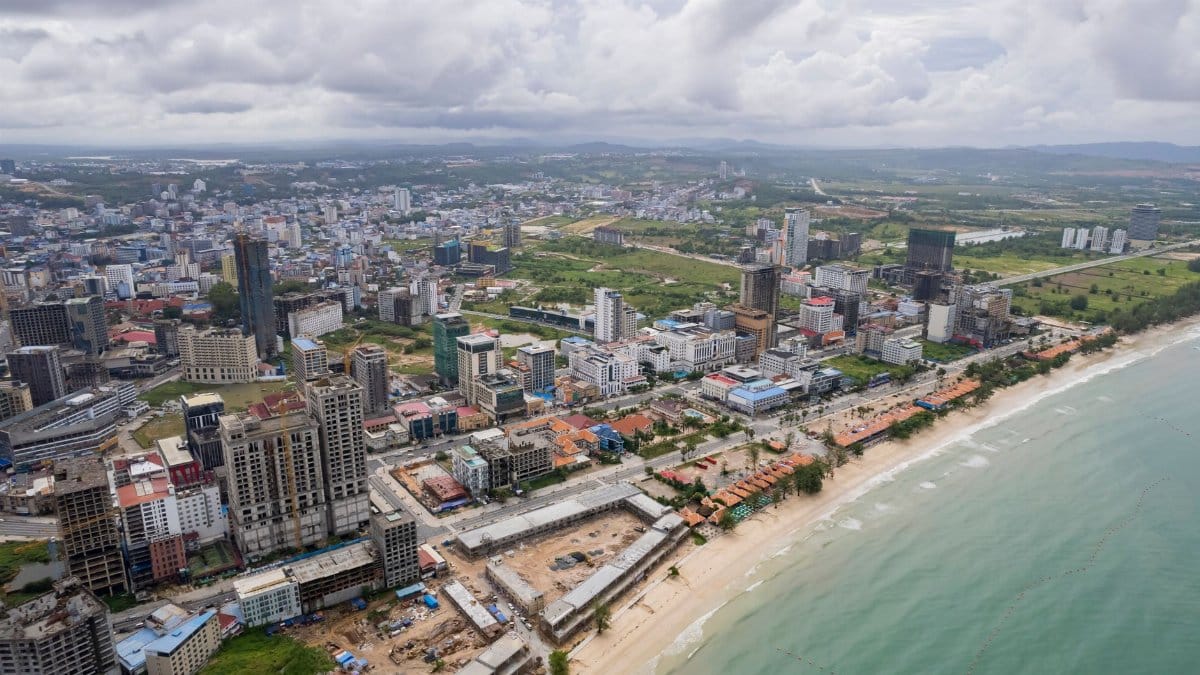
Hosting matches brings potential revenue through tourism and related spending. Local businesses stand to gain from increased foot traffic during the event period. The involvement of corporate executives among ticket holders may further encourage sponsorship deals that support infrastructure improvements. These factors contribute to the overall economic narrative surrounding the tournament preparations.
Media Coverage and Transparency Issues
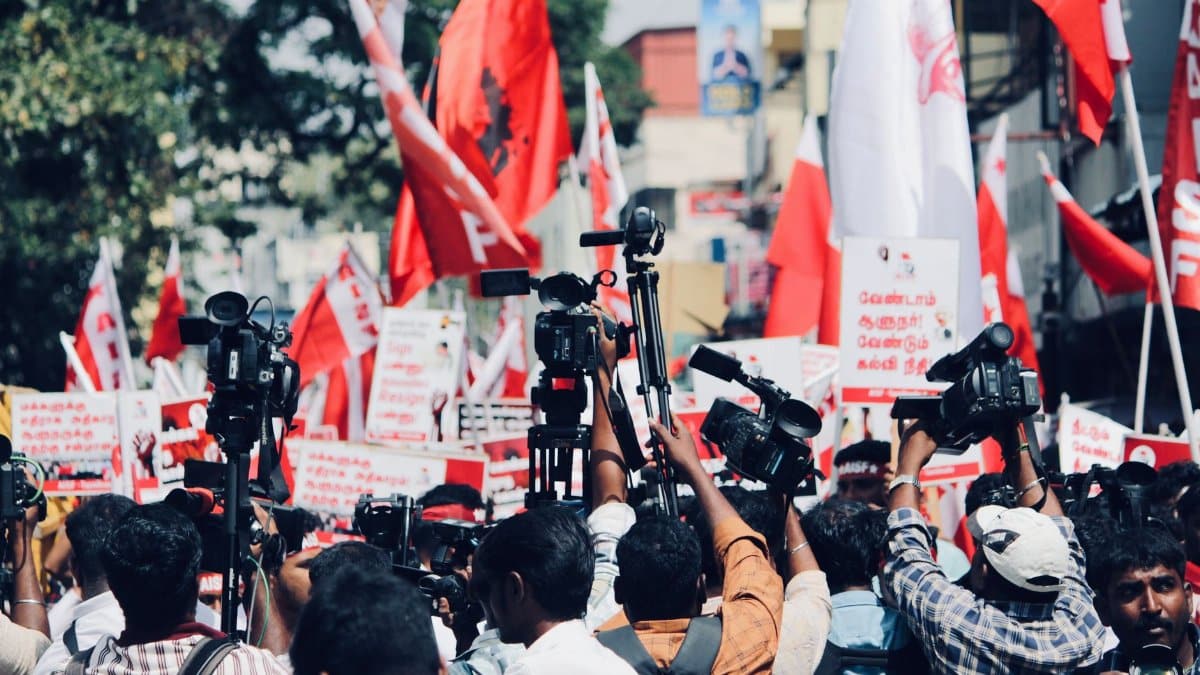
Local outlets played a key role in uncovering the details through persistent reporting. Public interest in the matter grew as more information became available via official channels. Calls for clearer policies on complimentary distribution have followed with some advocating for lotteries or community based programs in the future. This coverage highlights the importance of accountability in large scale event management.
Future Outlook for Similar Events

As planning continues for the tournament organizers may refine their approach to guest lists. Lessons from the current situation could influence how other cities handle invitations and suite assignments. Emphasis on broader public engagement might help address concerns about equity. The experience serves as a reminder that high profile events require careful navigation of social expectations.
Community Voices on Access Equity
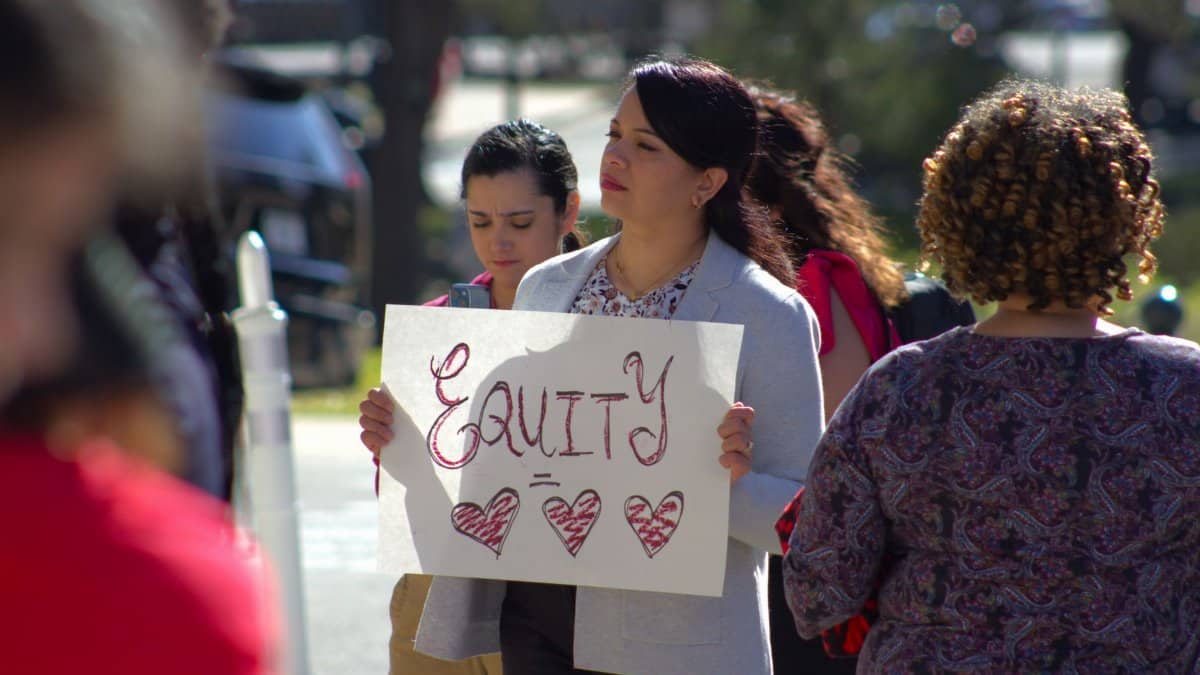
Everyday fans shared stories of their own efforts to secure tickets through standard channels. Many expressed hope that future opportunities would extend beyond established networks. Community groups have begun discussing ways to advocate for more inclusive practices ahead of the matches. These conversations reflect ongoing debates about who benefits from global sporting spectacles.