

In the wake of rising legal pressures on newsrooms across the country, the Massachusetts Senate took a decisive step last week by approving measures that shield reporters from forced disclosure of sources. This action addresses a long standing gap, positioning the state to join most others with formal protections under the journalist shield law framework. The vote highlights ongoing tensions between government transparency demands and the need for independent journalism to function without fear of compelled testimony.
Historical Context Behind State Protections

Many states enacted similar safeguards decades ago following high profile court cases that exposed vulnerabilities in press freedoms. Massachusetts lagged behind due to repeated legislative stalls tied to concerns over criminal investigations. Lawmakers cited examples from neighboring states where such rules allowed investigations to proceed while preserving reporter credibility. The recent passage reflects broader shifts in how officials view media roles amid digital information flows.
Key Provisions in the Approved Measure

The bill outlines strict criteria for when courts can override protections, such as in cases involving imminent threats to public safety. It requires judges to weigh the public interest in disclosure against potential harm to news gathering. Supporters emphasized that these limits prevent abuse while enabling accountability in serious matters. Details include definitions for who qualifies as a journalist in an era of freelance and online reporting.
Why the State Stood Apart Nationally

Before this development, Massachusetts joined a small group without statutory backing for source confidentiality. Advocates argued this status made local reporters targets for out of state subpoenas seeking unpublished materials. Comparisons with states like New York and California showed how explicit rules reduced court battles and encouraged whistleblowers to come forward. The outlier label spurred renewed push from media groups and bipartisan sponsors.
Reactions From Media Organizations and Officials

News outlets welcomed the move as essential for maintaining trust with sources who fear retaliation. Editorial boards noted it aligns the state with federal trends favoring limited intrusions into editorial processes. Some prosecutors expressed reservations about access to evidence but acknowledged built in exceptions for violent crimes. Bipartisan support in the Senate signaled a consensus on balancing rights and responsibilities.
Impact on Daily Reporting Practices

Journalists covering local government and courts anticipate fewer distractions from legal maneuvers during sensitive stories. The journalist shield law could encourage deeper dives into topics like corruption or public health issues where anonymity proves vital. Training sessions for newsrooms may now focus more on ethical source handling rather than defensive legal strategies. Overall, the change promises steadier workflows without altering core standards of verification.
Broader National Implications for Press Freedom
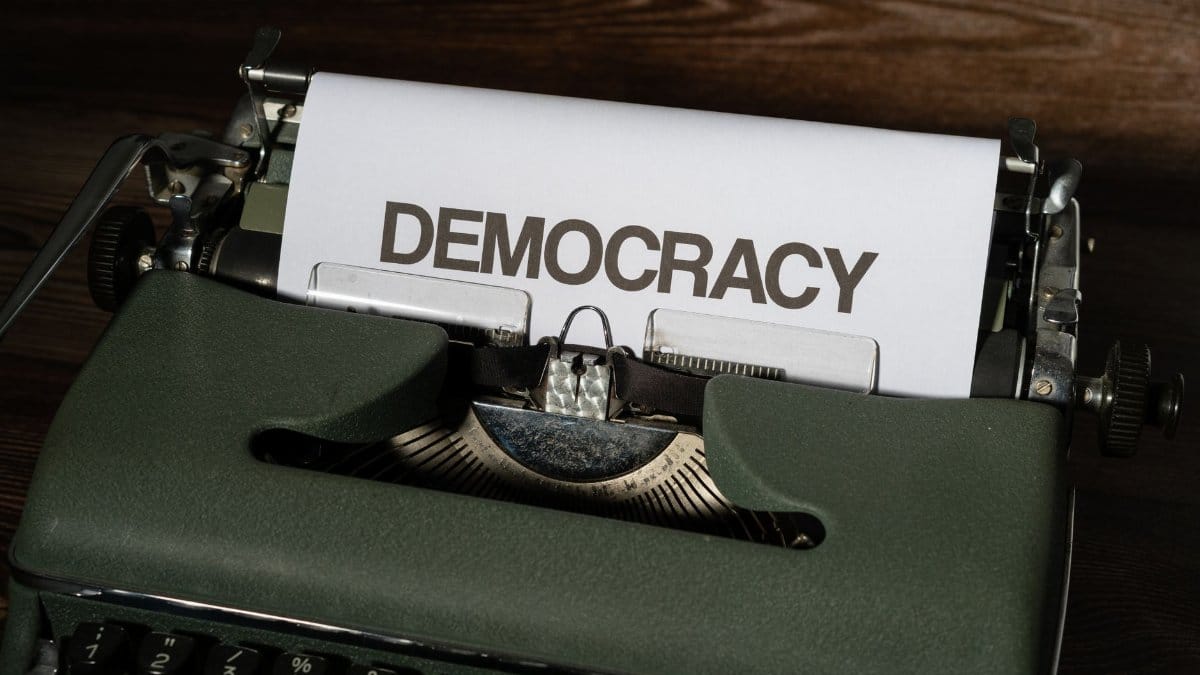
This development adds momentum to calls for uniform federal guidelines, though experts caution against one size fits all approaches given varying state needs. Organizations tracking global press rankings have long flagged inconsistencies in American protections as a weak point. Passage here could influence holdout states by demonstrating practical benefits without compromising law enforcement. Discussions at journalism conferences often reference such laws as foundational to democratic discourse.
Potential Challenges During Implementation

Courts will need to interpret ambiguous terms like qualified journalist status in freelance heavy environments. Early cases may set precedents that either strengthen or narrow the reach of the journalist shield law depending on judicial philosophy. Training for judges and attorneys on these nuances will prove critical to smooth rollout. Monitoring by advocacy groups aims to track any unintended restrictions on information access.
Looking Ahead to House Consideration and Beyond

Attention now turns to the House where similar debates may arise over fine tuning language. If enacted, the law would mark a shift toward greater resilience for Massachusetts journalism amid evolving threats from litigation and data demands. Observers expect ongoing refinements as technology changes how information circulates. This step reinforces the principle that robust reporting serves public interests best when sources remain secure.