
A recent study from the American Psychological Association revealed that nearly 40% of adults in urban areas like New York report chronic stress levels that disrupt their emotional equilibrium, a figure that’s climbed steadily over the past decade. Amid the ceaseless hum of city life, from honking taxis to crowded subways, it’s easy to feel unmoored. Yet, right under our noses, wildlife thrives in this concrete jungle, exhibiting behaviors that quietly model ways to regain balance. What if observing these creatures could offer practical lessons in managing our moods? The keyword wildlife, behaviors, teach captures this idea perfectly, suggesting that animals’ instinctive actions hold insights for human calm. In bustling parks and along riverbanks, from Central Park squirrels to Hudson River birds, these natural examples remind us how to navigate emotional turbulence. As we step into 2025, with mental health concerns at the forefront, turning to these urban survivors might just provide the grounding we need.
1. Squirrels’ Methodical Foraging: Embracing Patience

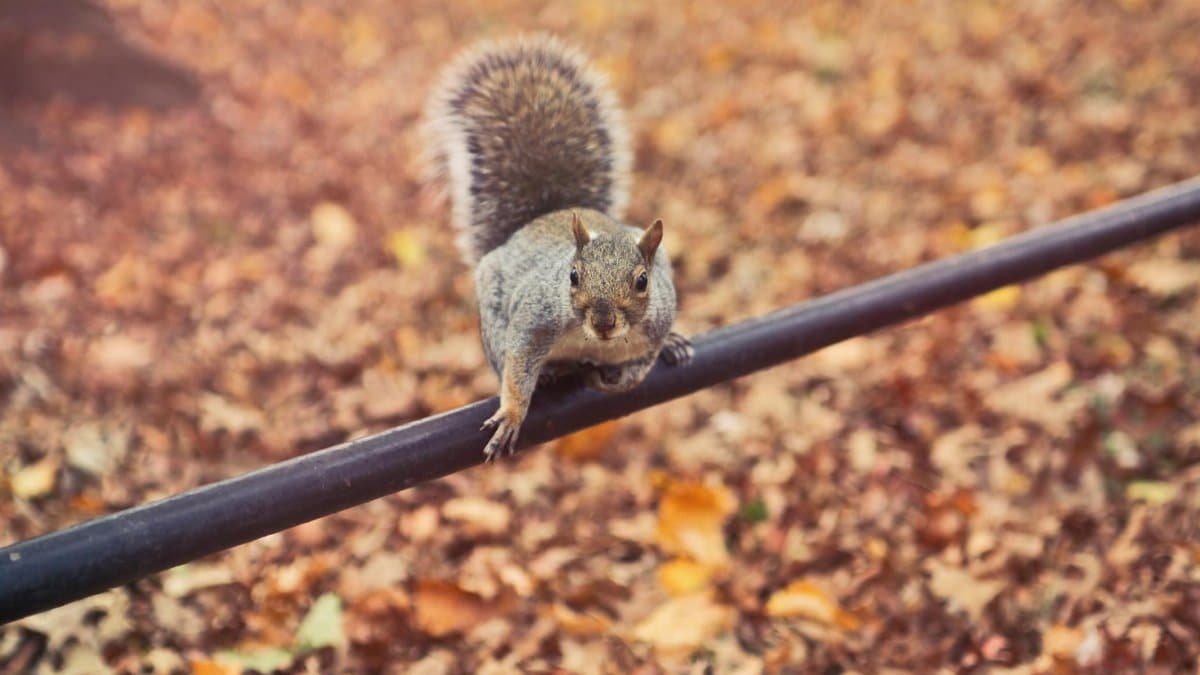
In the heart of Central Park, a squirrel darts from tree to tree, pausing to assess each nut with deliberate care. This isn’t frantic scavenging; it’s a lesson in measured steps. Urban squirrels, adapted to New York’s unpredictable environment, teach us about waiting without frustration. Their behavior underscores patience as a tool for emotional steadiness, especially when life’s demands pile up.
Consider how this plays out daily. One New Yorker, reflecting on a tough workday, watched a squirrel methodically bury acorns and felt a shift. “It hit me,” she shared anonymously in an online discussion, “that rushing doesn’t always win. Sometimes, you just prepare quietly.” Such observations align with findings from wildlife experts, showing squirrels’ foraging reduces their stress hormones.
Research backs this up. A study by the Cornell Lab of Ornithology, though focused on birds, extends to small mammals, noting how deliberate actions correlate with lower anxiety in animals. Extending this to humans, therapists often recommend mindfulness practices inspired by such rhythms. In 2025, with apps promoting nature-based meditation surging in popularity, it’s clear this behavior resonates. Yet, it’s not without tension; squirrels face predators, mirroring our own vulnerabilities. Still, their persistence offers a blueprint for calm amid chaos.
2. Pigeons’ Urban Resilience: Finding Strength in Adaptation
Picture a flock of pigeons navigating Times Square’s chaos, unflappable as tourists swarm. These birds, often dismissed as pests, embody resilience. Their ability to thrive in noisy, polluted spaces teaches emotional balance through sheer adaptability, a vital skill in a city that never sleeps.
Diving into the science, pigeons adjust their cooing patterns to communicate over traffic din, a behavior that highlights flexibility. This isn’t just survival; it’s a model for humans juggling work and life stresses. A brief anecdote from a Brooklyn resident illustrates: during a subway delay, he observed pigeons calmly pecking at crumbs, inspiring him to breathe through his impatience.
According to a report from the New York City Parks Department, urban birds like pigeons exhibit lower stress indicators in adapted environments. This ties into broader trends, where New Yorkers increasingly seek nature therapy to combat mood swings. The contrast is intriguing—while we humans often resist change, pigeons embrace it, suggesting we could learn to pivot without losing our center.
3. Falcons’ Focused Hunting: Cultivating Concentration
High above Manhattan’s skyscrapers, peregrine falcons dive with laser-like precision, zeroing in on prey amid the urban sprawl. This intense focus, honed by evolution, offers a stark contrast to our distracted lives, teaching how concentrated effort can steady turbulent emotions.
Start with an observation: in Bryant Park, a falcon’s stoop cuts through the air, a momentary spectacle that halts passersby. It’s a reminder that undivided attention brings clarity. Wildlife biologists note that such behaviors reduce unnecessary energy expenditure, preserving calm. For city dwellers facing information overload, this translates to practices like focused breathing.
A study published in the Journal of Wildlife Management details how falcons’ hunting efficiency correlates with emotional regulation in avian species. Linking to humans, the American Psychological Association’s mindfulness resources echo this, promoting concentration as a buffer against stress. In New York’s fast pace, where distractions abound, embracing this falcon-like focus might just restore inner peace, though it requires practice to avoid burnout.
4. Bees’ Cooperative Pollination: Building Community Ties

Amid rooftop gardens in Brooklyn, bees buzz in harmonious swarms, each contributing to the hive’s success. This collective effort, far from solitary struggle, teaches emotional balance through interconnectedness, a antidote to urban isolation.
One compelling snapshot comes from a community garden volunteer who described watching bees: their dance-like communication fostered a sense of belonging she craved. It’s a vivid illustration of how wildlife behaviors teach us to lean on others for stability.
Insights from the U.S. Geological Survey on pollinators highlight how bees’ social structures enhance resilience. In 2025, with social isolation rates climbing, New Yorkers are turning to group activities inspired by such models. Yet, there’s complexity—bees face colony collapse, mirroring human relational strains. Still, their cooperation suggests weaving support networks to maintain mood equilibrium.
5. Rats’ Resourceful Survival: Innovating Under Pressure

Down in the subways, rats scurry with ingenious adaptability, turning scraps into sustenance. Often vilified, their resourcefulness in harsh conditions teaches us to innovate our way to emotional steadiness, reframing challenges as opportunities.
A rhetorical nudge: what if we viewed stress as a puzzle, like rats do with urban mazes? This behavior sparks creativity, essential for balance. An anonymized account from a forum user recounted mimicking this by repurposing a bad day into productive reflection, easing anxiety.
Data from the Centers for Disease Control and Prevention on urban rodents shows their problem-solving lowers survival stress. Applied to humans, this aligns with positive psychology trends in New York, where innovation workshops gain traction. The tension lies in ethics—rats are invasive, yet their lessons are invaluable for navigating city’s emotional demands.
6. Deer in City Parks: Embodying Gentle Presence
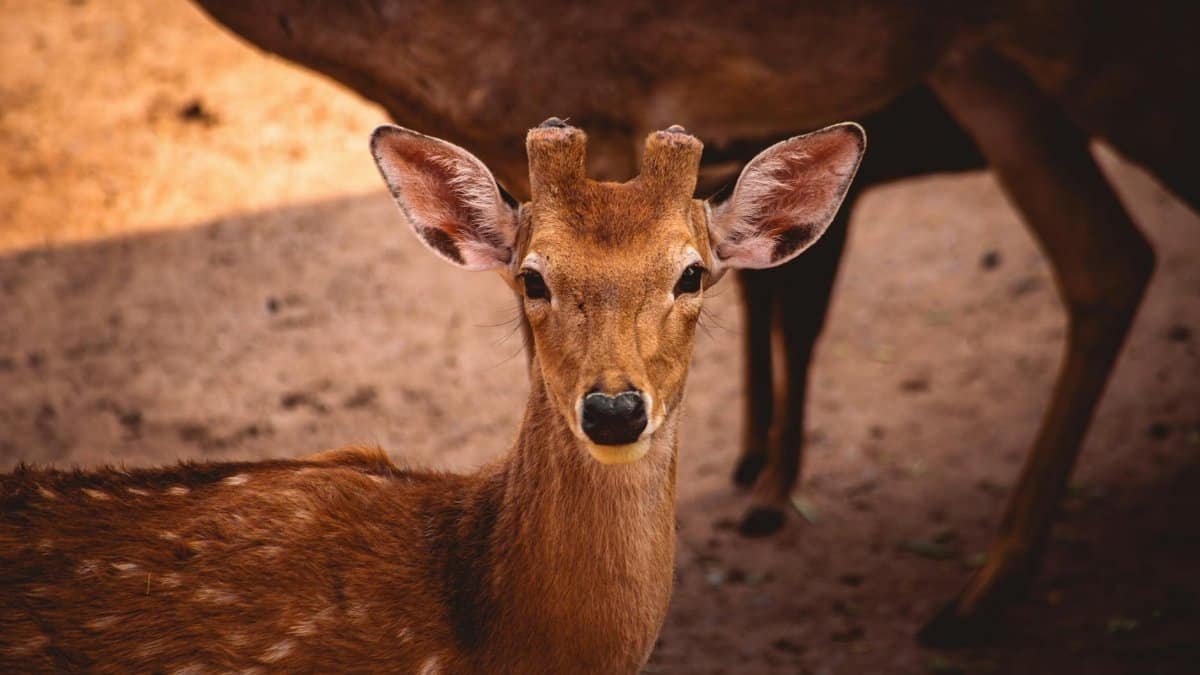
Wandering through the Bronx’s greener pockets, deer move with serene grace, alert yet unhurried. This quiet vigilance amid human encroachment models emotional balance through grounded awareness, a counter to constant alerts.
Begin with analysis: deer’s freeze-and-assess response conserves energy, teaching us mindful pauses. A local hiker once paused to watch, finding her racing thoughts slow in sync.
Studies from wildlife conservation groups indicate such behaviors promote low-arousal states. In bustling 2025 New York, where calm is scarce, this inspires practices like forest bathing, blending nature with urban life for mood regulation.
7. Birds’ Migratory Patterns: Navigating Change Gracefully
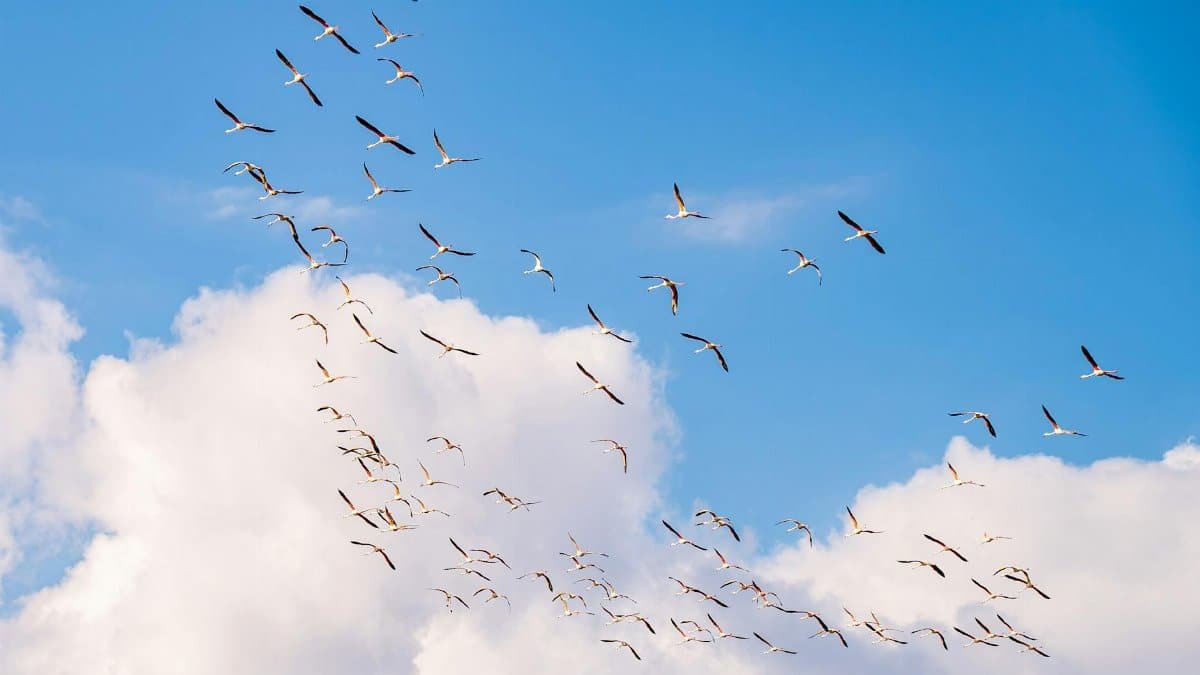
Each season, birds overfly the Hudson, adapting routes to weather shifts. This fluid navigation teaches emotional flexibility, helping us flow through life’s upheavals without resistance.
An illustrative moment: during autumn, a birder notes warblers’ detours, mirroring her own career pivot. It’s a testament to letting go for balance.
Ornithological research emphasizes migration’s role in stress mitigation. As New Yorkers face economic fluxes, this behavior encourages adaptive mindsets for sustained calm.
8. Fish in Urban Waters: Going with the Flow
In the East River, fish school seamlessly, yielding to currents. This surrender to flow teaches releasing control, a key to emotional equilibrium in unpredictable settings.
Observation leads here: anglers describe fish evading hooks by aligning with tides, inspiring personal release from rigid expectations.
Aquatic studies show this conserves energy, paralleling human relaxation techniques. In stress-laden New York, it’s a subtle call to embrace uncertainty.
9. Insects’ Persistent Adaptation: Persevering Through Trials
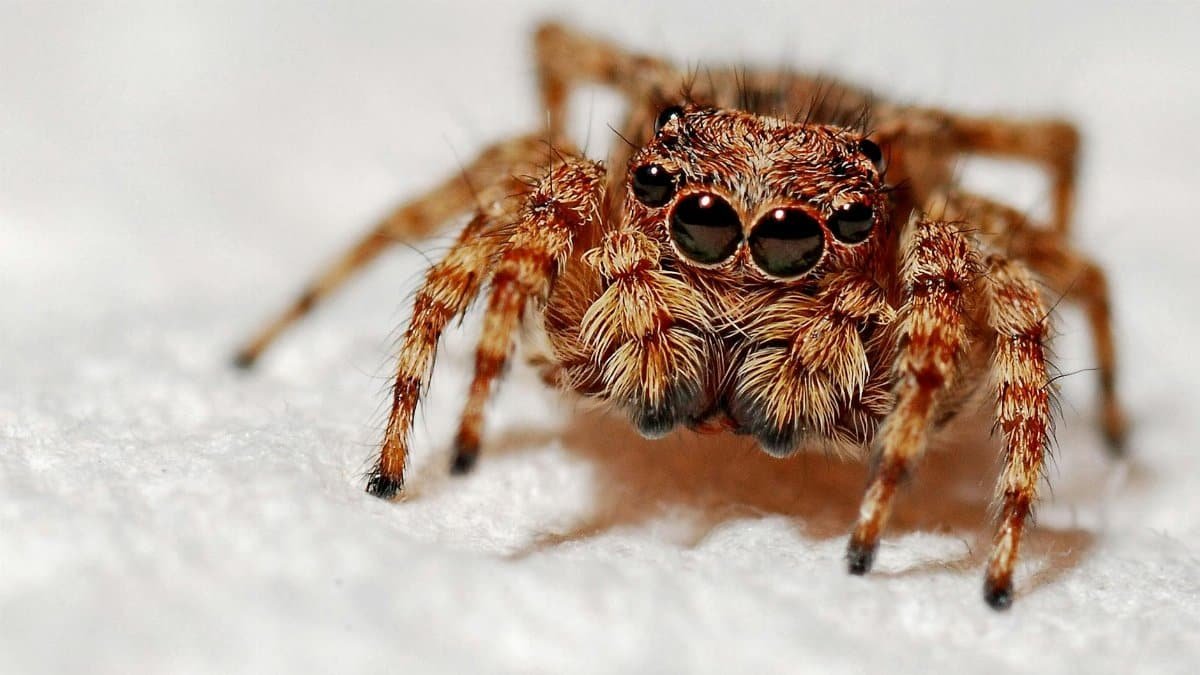
Across sidewalks, ants rebuild after disruptions, their persistence a model for rebounding from emotional setbacks.
Quote a naturalist: “Their tiny triumphs remind us endurance builds resilience.” This behavior fosters hope amid city grind.
Entomology findings link adaptation to survival calm. For 2025’s challenges, it urges steady progress toward balance.