
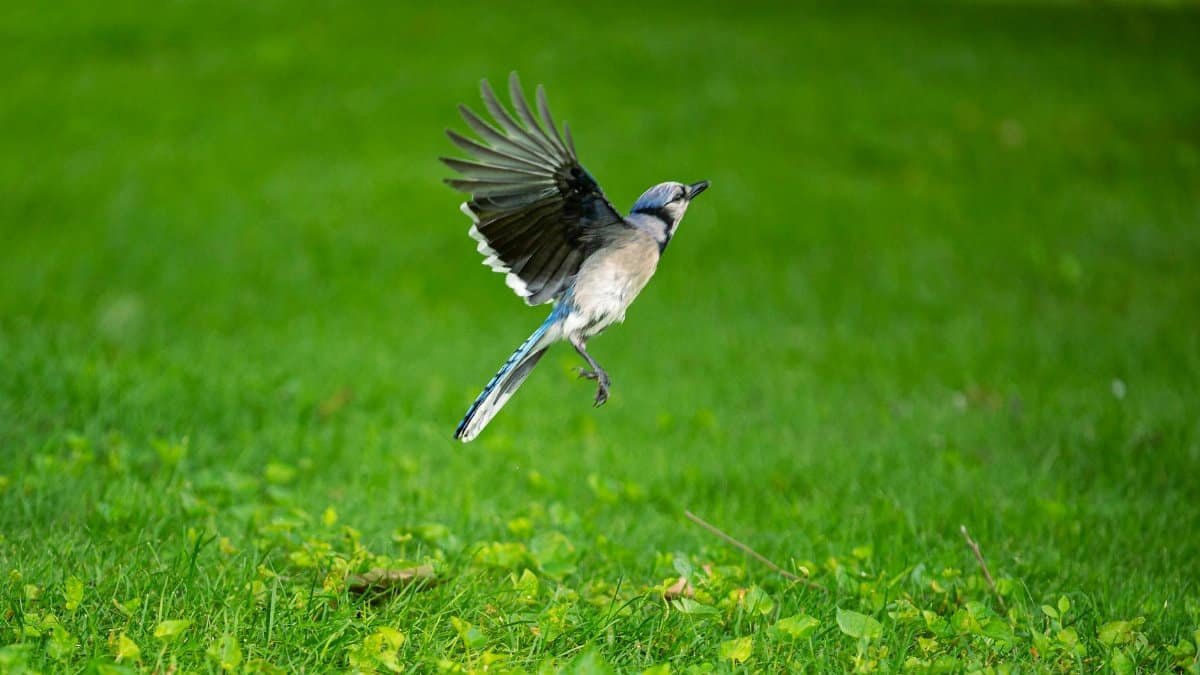
In a bustling world where stress seems to lurk around every corner, a recent study from the University of Pennsylvania revealed that spending time observing wildlife can lower cortisol levels by up to 20 percent in just 30 minutes. This finding, drawn from a cohort of urban dwellers in Philadelphia, underscores a growing recognition of nature’s subtle lessons. Amid Pennsylvania’s diverse landscapes—from the rolling Allegheny Mountains to the serene shores of Lake Erie—animals exhibit behaviors that mirror an innate wisdom for nervous system regulation. These wildlife actions, nervous in their subtlety yet profound in impact, offer humans a blueprint for calm. As we navigate the pressures of 2025, with remote work blurring boundaries and digital overload rampant, turning to these natural examples feels more relevant than ever. They remind us that relaxation isn’t about grand gestures but quiet, instinctive responses to the environment.
1. The Deer’s Deliberate Grazing
Watch a white-tailed deer in Pennsylvania’s forests, and you’ll see a masterclass in mindful presence. These creatures don’t rush their meals; they graze methodically, pausing to scan the horizon. This action reflects a nervous system attuned to balance—alert yet not overwhelmed. Researchers at Penn State have noted how such vigilance without panic helps animals conserve energy, much like humans practicing breath awareness to ease anxiety.
One hiker in the Pocono Mountains recalled spotting a deer family at dusk, their slow movements syncing with the fading light. “It was like they were teaching me to slow down,” she shared anonymously in an online nature forum last year. This ties into broader trends where ecotherapy gains traction, with a 2025 report from the American Psychological Association highlighting nature immersion’s role in reducing sympathetic nervous system overdrive.
Indeed, emulating this could mean incorporating short, focused breaks into daily routines, letting the body reset naturally. It’s not about idleness but intentional pauses that foster resilience.
2. Squirrels’ Strategic Foraging

Eastern gray squirrels dart across Pennsylvania’s suburban parks, but their frenetic energy hides a calculated rhythm. They forage in bursts, then retreat to safe spots, demonstrating a nervous system that toggles between action and rest seamlessly. This prevents burnout, a lesson humans often ignore in our always-on culture.
Consider a scene in Pittsburgh’s Schenley Park: a squirrel gathers acorns, pauses on a branch, tail twitching slightly. It’s vigilance embodied, not fear. Studies from the U.S. Forest Service explore how such behaviors enhance survival through autonomic balance.
Blending this into human life might involve work sprints followed by micro-rests, echoing techniques in cognitive behavioral therapy. As 2025 sees rising burnout rates, these wildlife cues feel timely, urging a rethink of productivity.
3. Birds’ Communal Roosting
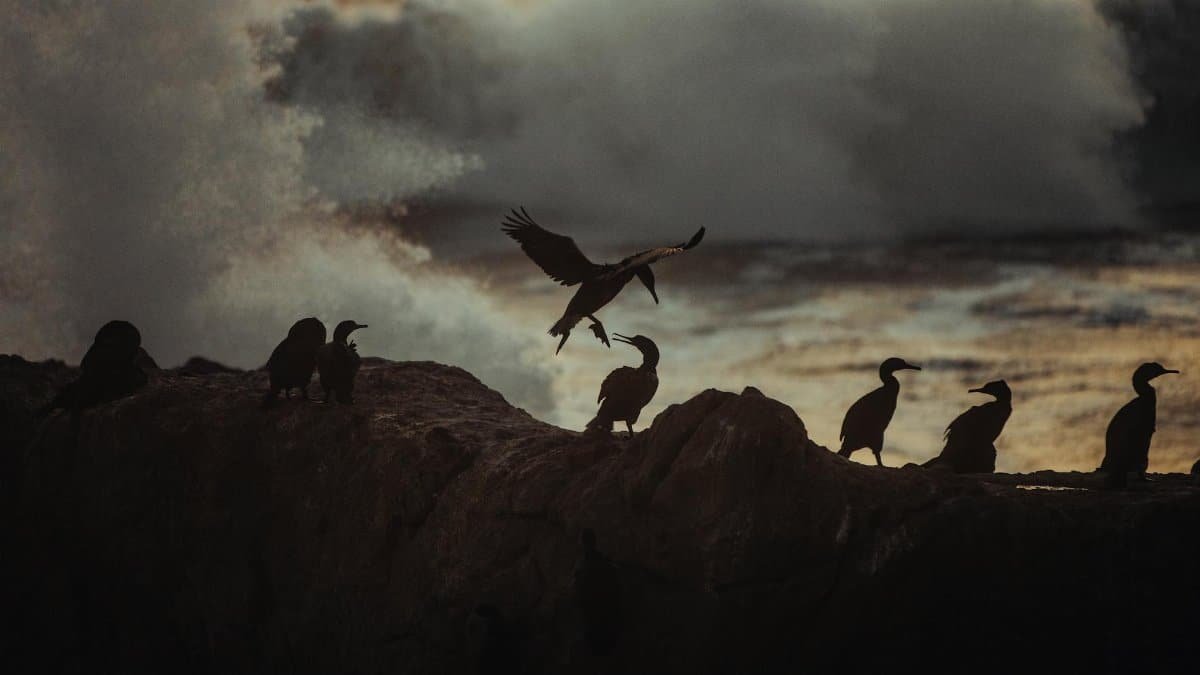
Come evening in Pennsylvania’s wetlands, flocks of starlings or robins gather in trees, their chatter a prelude to collective calm. This roosting isn’t random; it’s a social buffer against stress, where shared warmth and vigilance distribute the nervous load.
A birdwatcher near the Delaware River described it vividly: birds settling in waves, feathers fluffing as if exhaling the day’s tensions. Such observations align with findings from the Cornell Lab of Ornithology, which detail how group dynamics soothe avian nervous systems.
Humans could draw parallels in community gatherings, where connection eases isolation’s edge. It’s a reminder that solitude has limits, and shared spaces can recalibrate our inner wiring without fanfare.
4. Beavers’ Methodical Building

Beavers in Pennsylvania’s streams embody persistence without frenzy. They construct dams log by log, their actions deliberate, channeling energy into creation rather than chaos. This mirrors a parasympathetic state, where focus trumps agitation.
Imagine twilight along the Susquehanna: a beaver drags a branch, pauses to assess, then continues. No haste, just purpose. Research from the National Wildlife Federation highlights how this behavior stabilizes ecosystems and the animals’ stress responses.
For people, it suggests tackling tasks in measured steps, building emotional dams against overwhelm. In an era of instant gratification, this wildlife wisdom pushes back gently.
5. Foxes’ Cautious Exploration

Red foxes slink through Pennsylvania’s fields with a mix of curiosity and caution, sniffing paths before committing. Their nervous systems thrive on this edge—exploring without recklessness, adapting to novelty without shutdown.
One rural resident near Harrisburg spotted a fox testing a frozen pond’s edge, retreating then advancing. It’s adaptability in motion. A study via the Pennsylvania Game Commission notes how such traits enhance resilience in changing habitats.
Translating this, humans might approach uncertainties with similar poise, using it to navigate career shifts or personal changes in 2025’s volatile job market.
6. Owls’ Silent Vigil

Barn owls perch motionless in Pennsylvania barns, their stillness a profound nervous system strategy. By minimizing movement, they conserve energy and heighten senses, turning quiet into power.
Picture a moonlit farm: an owl’s head swivels slowly, embodying focused awareness. Insights from the Audubon Society reveal how this reduces metabolic stress, allowing precise strikes.
We could adopt this in meditation practices, where silence rebuilds frayed nerves. Amid digital noise, it’s a call to embrace the hush.
7. Rabbits’ Burrow Retreats
Eastern cottontails in Pennsylvania’s meadows dash to burrows at the slightest alarm, but once inside, they settle quickly. This retreat-recover cycle showcases nervous system recovery, turning flight into fortification.
A gardener in Lancaster County watched a rabbit vanish underground, emerging later unflustered. It’s survival through sanctuary. Data from wildlife biologists, as per the U.S. Geological Survey, underscores burrow use for stress mitigation.
For us, creating personal retreats—be it a quiet room or routine—mirrors this, fostering rebound in stressful times.
8. Turtles’ Sunbathing Stillness
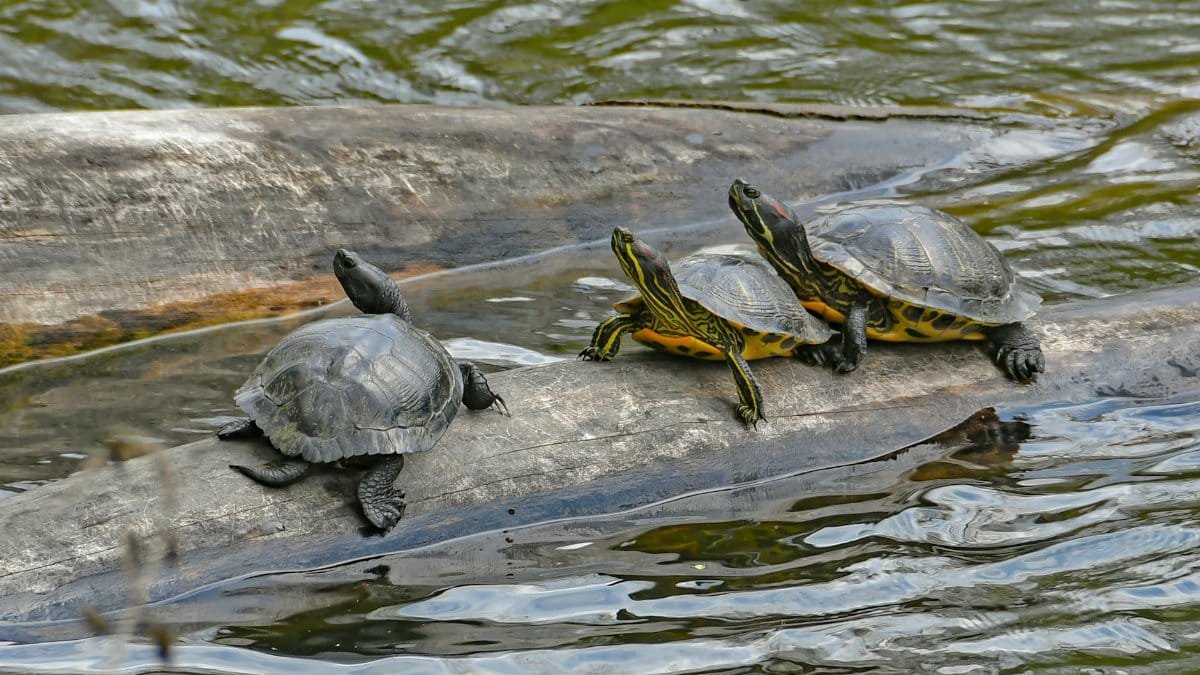
Painted turtles bask on logs in Pennsylvania’s ponds, absorbing sun with utter immobility. This isn’t laziness; it’s a nervous system recharge, boosting vitamin D and metabolic calm.
Along the Schuylkill River, turtles line up like statues, a scene of collective repose. Research from the U.S. Fish and Wildlife Service links basking to enhanced physiological balance.
Humans might find equivalent in sunlight breaks, countering indoor life’s drain on well-being.
9. Bears’ Hibernation Preparation

Black bears in Pennsylvania’s woodlands prepare for winter with deliberate foraging, building fat reserves without panic. This anticipates rest, aligning the nervous system for deep recovery.
In the Laurel Highlands, a bear methodically berries, embodying foresight. Studies from the North American Bear Center detail how this pre-hibernation phase stabilizes hormones.
As 2025 brings seasonal affective challenges, we can learn from this, planning downtimes to sustain energy year-round. It’s wisdom wrapped in fur, urging us toward sustainable rhythms.
These wildlife actions, nervous in their essence, weave a tapestry of lessons for Pennsylvania’s residents and beyond. Observing them invites a shift, from reactive stress to proactive calm, grounding us in nature’s timeless intelligence.