

New data shows 75% of Americans overlook key stress signals in their daily lives, leading to burnout and health issues, according to a recent survey by the American Psychological Association. This alarming figure highlights how stress, signals, people often ignore can build up unnoticed, affecting everything from productivity to relationships. As we navigate 2025’s fast-paced world, recognizing these cues is crucial for maintaining mental health. Experts say early detection can prevent chronic problems, turning potential crises into manageable moments.
1. Constant Fatigue Despite Rest
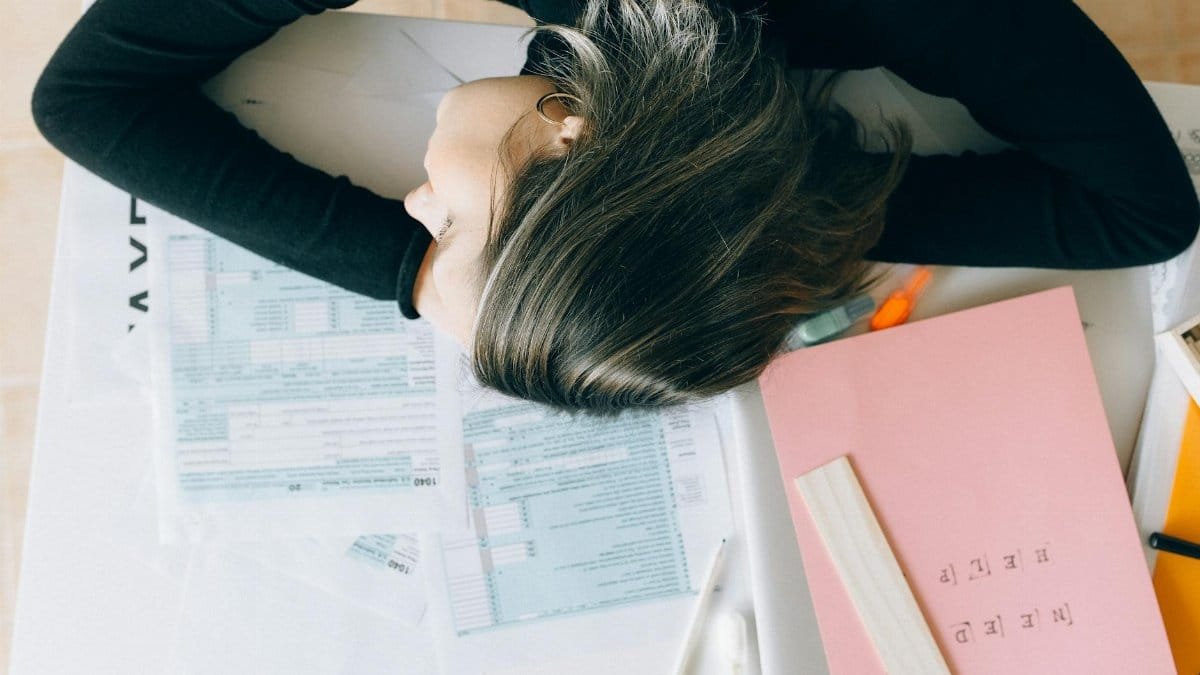
Many people brush off ongoing tiredness as just part of a busy schedule, but it could be a major stress indicator. When your body stays in fight-or-flight mode, it drains energy reserves even during downtime. A study from Harvard Medical School links this to elevated cortisol levels, which disrupt sleep cycles. If you’re yawning through meetings or crashing early yet waking exhausted, stress might be the culprit. Simple fixes like mindfulness breaks can help reset your system.
2. Frequent Headaches or Muscle Tension

That nagging headache or tight shoulders? They’re not always from poor posture. Stress triggers muscle contractions, leading to tension headaches that affect millions. The Mayo Clinic reports that chronic stress contributes to these symptoms in over 80% of cases. Pay attention if pain ramps up during high-pressure periods at work or home. Techniques like deep breathing or yoga can ease the strain before it escalates.
3. Changes in Appetite or Eating Habits

Stress can turn you into an emotional eater or zap your hunger entirely. Sudden cravings for junk food or skipping meals signal your body’s response to pressure. Research from the American Psychological Association shows this affects eating patterns in stressed individuals, often leading to weight fluctuations. Notice if you’re raiding the fridge late at night; it might point to unresolved tension.
4. Irritability and Mood Swings
Sudden snaps at loved ones or unexplained frustration often stem from hidden stress. Hormonal shifts under pressure amplify emotional responses. A report by the National Institute of Mental Health indicates that irritability is a common overlooked sign, impacting relationships. If small annoyances feel overwhelming, it’s time to assess your stress load. Journaling moods can reveal patterns tied to daily pressures.
5. Difficulty Concentrating

Can’t focus on tasks? Stress scatters your thoughts, making concentration a challenge. This “brain fog” results from overloaded neural pathways. Studies from the National Institutes of Health link it to cognitive impairment in stressed populations. In 2025’s digital age, with constant notifications, this signal is easy to miss. Short breaks and task prioritization can sharpen your mind.
6. Sleep Disturbances

Tossing and turning isn’t just insomnia; it’s often stress manifesting at night. Racing thoughts prevent deep rest, creating a vicious cycle. The Sleep Foundation notes that 50% of adults experience this due to anxiety. If you’re waking frequently or struggling to fall asleep, evaluate your daytime worries. Establishing a wind-down routine can promote better sleep hygiene.
7. Digestive Issues
Stress hits the gut hard, causing nausea, bloating, or irregular bowels. The brain-gut connection means emotional turmoil disrupts digestion. Cleveland Clinic research shows this affects one in five people under chronic stress. Ignoring these symptoms can lead to more serious conditions. Dietary adjustments and stress-reduction practices like meditation often alleviate the discomfort.
8. Social Withdrawal
Pulling away from friends and family is a subtle stress signal. When overwhelmed, isolation feels like relief, but it worsens the issue. Data from Pew Research Center reveals that stressed individuals report 30% less social interaction. If you’re canceling plans more often, it might indicate burnout. Reconnecting through low-key activities can rebuild your support network.
9. Physical Symptoms Like Skin Problems

Breakouts, rashes, or exacerbated conditions like eczema can flare under stress. The body’s inflammatory response heightens with tension. Dermatological studies from the American Academy of Dermatology confirm this link, affecting skin health in stressed demographics. In today’s high-stakes environment, these visible signs are hard to ignore. Skincare routines combined with relaxation techniques can improve both appearance and well-being.
Recognizing these stress, signals, people commonly miss empowers better self-care. Health professionals emphasize proactive monitoring to avoid escalation. With U.S. stress levels rising in 2025 amid economic uncertainties, staying vigilant is key. Consult experts if symptoms persist for personalized strategies.