
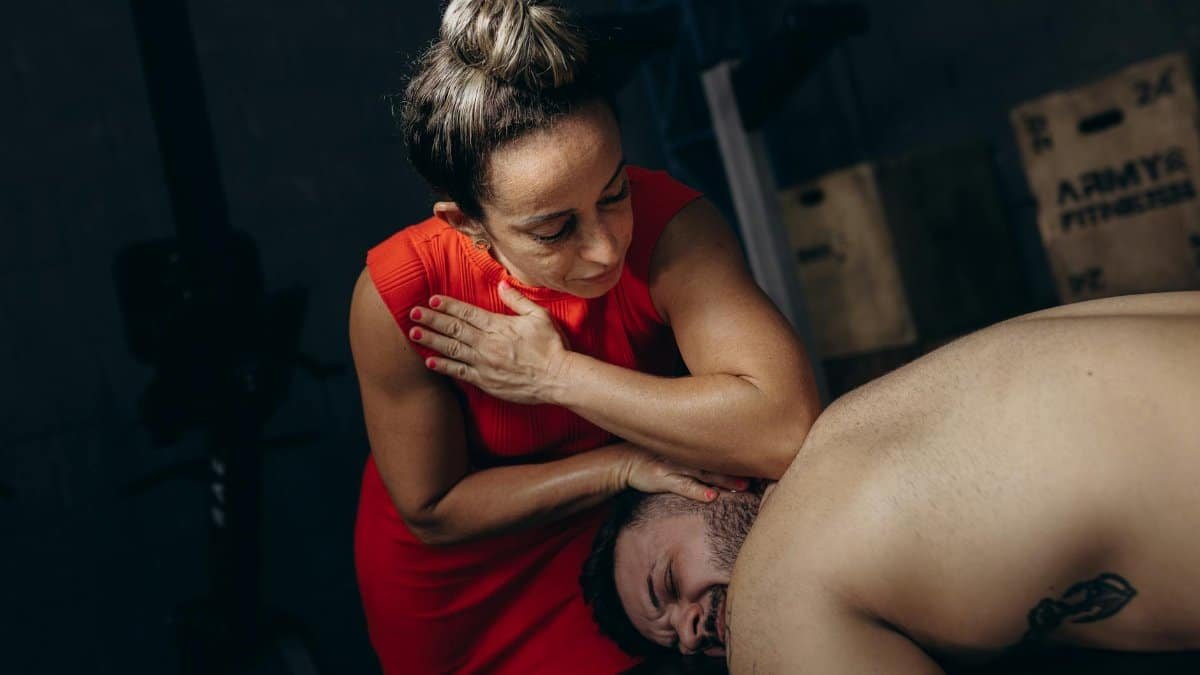
In the quiet hum of a suburban street at dusk, Ellen Ramirez, a 52-year-old schoolteacher from Portland, Oregon, steps out for her evening stroll. What begins as a routine walk transforms into something profound: with each deliberate footfall, she senses knots of tension uncoiling from her shoulders and jaw, remnants of a stressful week grading papers and shuttling kids to soccer. This is somatic walking, a practice blending mindful movement with body awareness to release deeply held physical stress. Rooted in somatic therapies pioneered by figures like Peter Levine, it invites practitioners to tune into bodily sensations rather than zoning out with podcasts. As wellness trends shift toward accessible, no-equipment routines, somatic walking emerges as a gentle antidote to the tightness many accumulate from desk-bound days and emotional burdens.
Understanding the Body’s Tension Map

Our bodies store stress like archived files, often in the psoas muscles, neck, and jaw, according to somatic educator Ruth Gilmore. During somatic walking, the goal is to map these areas without forcing change. Start by walking at a natural pace on a flat path, scanning from toes to crown. Notice where tightness lingers—perhaps a clenched fist or shallow breath. This awareness alone can initiate release, as the nervous system shifts from fight-or-flight to rest. Gilmore’s work, detailed in her book The Body Keeps the Score companion resources, underscores how such practices recalibrate the vagus nerve, promoting calm.
Technique 1: The Grounding Heel-Toe Roll

Begin with the foundation: your feet. In this first somatic walking technique, emphasize a slow heel-toe roll with each step. As your heel touches down, imagine roots extending into the earth, anchoring you. Roll forward onto the ball of your foot, sensing the arch lift and release. This counters the forward hunch many adopt under pressure. Practitioners report immediate relief in the calves and lower back. Walk for five minutes, pausing if you feel a tremble—that’s stored energy mobilizing. Studies on grounding practices, like those from the Journal of Environmental and Public Health ( link ), link such earth connection to reduced cortisol.
Technique 2: Breath-Tethered Strides

Sync your inhales and exhales with steps to deepen embodiment. Inhale for four counts over two strides, exhale for six over three. Feel the diaphragm expand, easing chest constriction often tied to anxiety. This rhythmic tether prevents overthinking, drawing focus to the undulating torso. A 2022 study in Frontiers in Psychology on breathwork during locomotion found it lowers heart rate variability, signaling parasympathetic activation ( link ). Integrate it mid-walk; tension in the ribs often softens within a block.
Technique 3: Pendulum Arm Swings
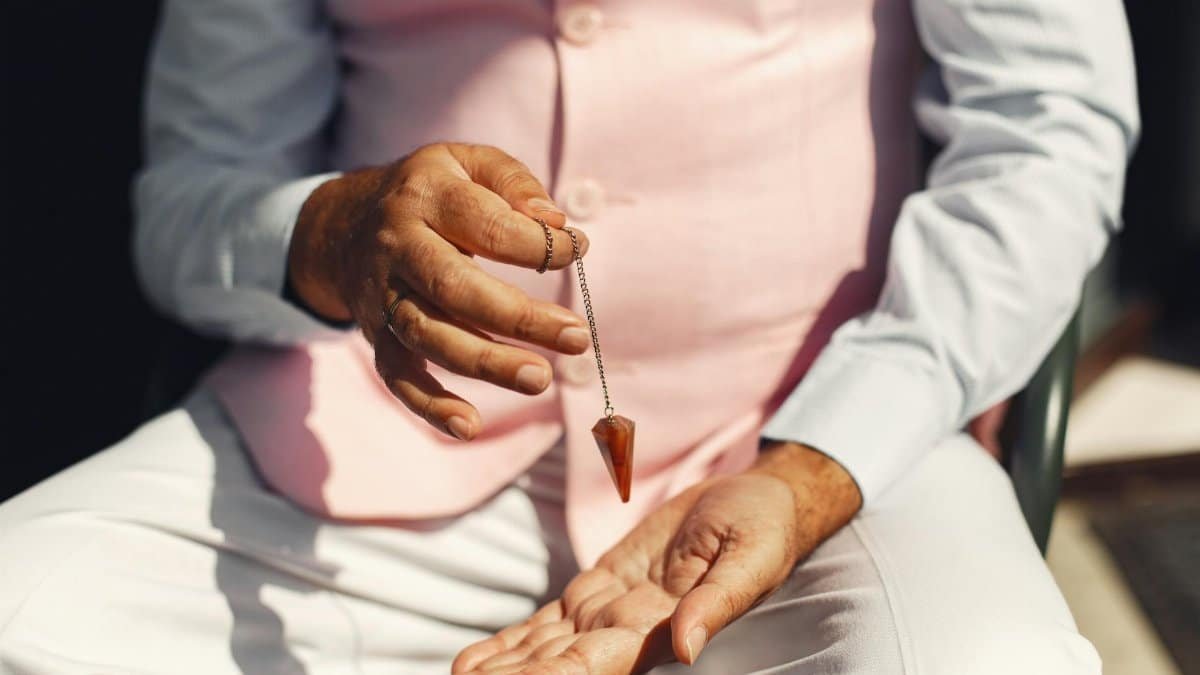
Let arms dangle like pendulums, swinging freely opposite your legs. Resist the urge to pump them rigidly; instead, notice resistance in the shoulders. As they loosen, upper back tension—common in remote workers—ebbs. This technique mimics primal gait patterns, releasing fascia. Walkers like Ramirez describe a “wave” sensation traveling up the spine. Experts from the Somatic Movement Center recommend it for shoulder girdle freedom, echoing findings from gait analysis research in Gait & Posture journal.
Technique 4: Pelvic Clock Tilts

Envision a clock face on your pelvis: tilt forward to 12 o’clock on even steps, back to 6 on odd ones. This subtle spiral counters the anterior pelvic tilt from prolonged sitting. Sense the hips unlocking, freeing psoas muscles that harbor fight-or-flight residues. The motion feels playful yet potent, often dissolving lower abdominal grip. Somatic therapists note its efficacy for trauma release; a pilot study from Body, Movement and Dance in Psychotherapy supports pelvic mobility’s role in emotional regulation.
Technique 5: Jaw and Neck Unwind

With mouth softly parted, let the jaw hang loose as you walk. On every fourth step, add a gentle side-to-side head tilt, eyes soft on the horizon. This unwinds the suboccipitals and TMJ tension from screen time or unspoken worries. A sigh may escape—welcome it. Research from the Journal of Bodywork and Movement Therapies links cervical mobility to reduced headaches, vital for those over 40.
Technique 6: Diagonal Cross-Crawl

Exaggerate natural cross-patterning: right arm forward with left leg, and vice versa, touching knee to opposite hand lightly. This integrates brain hemispheres while discharging lateral tension. Feel the obliques engage and release, smoothing spinal flow. Neurodevelopmental experts hail it for vestibular balance; evidence from occupational therapy literature shows it enhances proprioception, key to somatic walking’s tension melt.
Technique 7: Sensory Layering Scan

Layer awareness outward: first feet on pavement, then air on skin, distant sounds, sky’s expanse. This expands beyond physical knots to environmental dialogue, diffusing overwhelm. Urban walkers find it transformative amid traffic noise. Mindfulness studies, such as those from Harvard’s mindfulness research ( link ), affirm sensory expansion’s stress-buffering power.
Technique 8: Hum and Vibration Release

Softly hum a low tone on exhales, feeling vibrations ripple through chest and throat. It dislodges vocal cord tightness mirroring suppressed emotions. Pair with strides for resonance in limbs. Vocal somatic practitioners like Jan Stone use it for throat chakra work; bioacoustics research indicates vibration therapy eases myofascial restrictions.
Technique 9: Spiral Full-Body Integration

Combine all prior elements into a spiraling gait: arms swing wide, pelvis twists, head floats. End with stillness, hands on belly, noting afterglow. This capstone unifies releases, often evoking lightness or tears—signs of completion. Long-term adopters like Ramirez weave it daily, reporting sustained vitality.
In an era of wearable trackers and HIIT obsessions, somatic walking stands out for its simplicity: no gear, no gym, just you and the path. Therapists increasingly prescribe it alongside talk therapy, as it bridges mind and body without overwhelm. Yet consistency matters; aim for 20 minutes thrice weekly. Consult a professional for chronic pain. As Gilmore puts it, “The body remembers what the mind forgets—walking somatically helps it forgive.” For those navigating midlife pressures, these techniques offer not just relief, but reclamation.