
In the heart of America’s heartland, a quiet revolution is unfolding. Walk through places like Marfa, Texas, or Hudson, New York, and you’ll spot locals gathering for breathwork sessions in repurposed barns or yoga circles on town greens. This isn’t just wellness tourism; it’s a cultural trend where somatic practices—body-centered approaches to healing and awareness—are revitalizing small towns. Once overlooked amid urban hustle, these communities are now hubs for somatic experiences that draw seekers fleeing city stress. A recent report from the Pew Research Center highlights how rural areas are seeing population bumps tied to wellness migrations, with practices like mindful movement fostering economic and social renewal. But what exactly are these somatic practices driving small towns forward? They blend ancient wisdom with modern needs, turning quiet locales into beacons of calm.
1. Community Breathwork Circles

Breathwork has taken root in small towns like never before, transforming public spaces into arenas for collective release. Picture a group of neighbors in a Vermont village hall, inhaling deeply under the guidance of a local facilitator. One participant, a farmer worn down by long seasons, shares how these sessions eased his chronic tension, sparking conversations that knit the community tighter. This practice, rooted in controlled breathing to regulate the nervous system, isn’t new—it’s drawn from traditions like pranayama—but in rural settings, it’s driving social bonds. Studies from the National Institutes of Health show breathwork reduces stress hormones, which explains its appeal in towns grappling with isolation. Here, it’s not solitary; it’s communal, often free or low-cost, pulling in diverse ages and fostering a sense of shared resilience. As one anonymous online account described, “In our tiny town, breathwork turned strangers into support systems overnight.” The result? Revitalized town events and even pop-up wellness fairs that boost local economies.
Small towns leverage this by hosting weekly circles, sometimes tied to seasonal rhythms like harvest time. The simplicity appeals: no fancy equipment needed, just willing bodies and open air. Yet, challenges arise—skepticism from traditionalists who see it as “new age fluff.” Still, the practice persists, weaving emotional health into the fabric of daily life, proving that somatic approaches can bridge divides in unexpected ways.
2. Embodied Yoga Flows

Yoga, with its emphasis on somatic awareness through postures and mindfulness, is reshaping small-town landscapes. In places like Asheville, North Carolina’s outskirts, studios pop up in old storefronts, attracting both locals and visitors. It’s more than exercise; it’s a tool for tuning into bodily signals, often overlooked in fast-paced lives. A local instructor might lead a class where participants explore tension in their hips, linking it to stored emotions—a concept backed by research from the Harvard Medical School.
One vivid snapshot: during a sunset flow in a Midwestern park, a retiree discovers how twisting poses release grief from a recent loss, her story rippling through the group like a shared secret. This somatic practice drives small towns by creating inclusive spaces—adaptable for all abilities, from chair yoga for elders to vigorous vinyasa for youth. Economically, it sparks tourism; think bed-and-breakfasts bundled with retreats. Tensions emerge, though, when commercialization dilutes authenticity, turning sacred practices into Instagram fodder. Nonetheless, embodied yoga fosters deeper community connections, reminding residents that healing starts from within.
3. Somatic Experiencing Therapy Groups
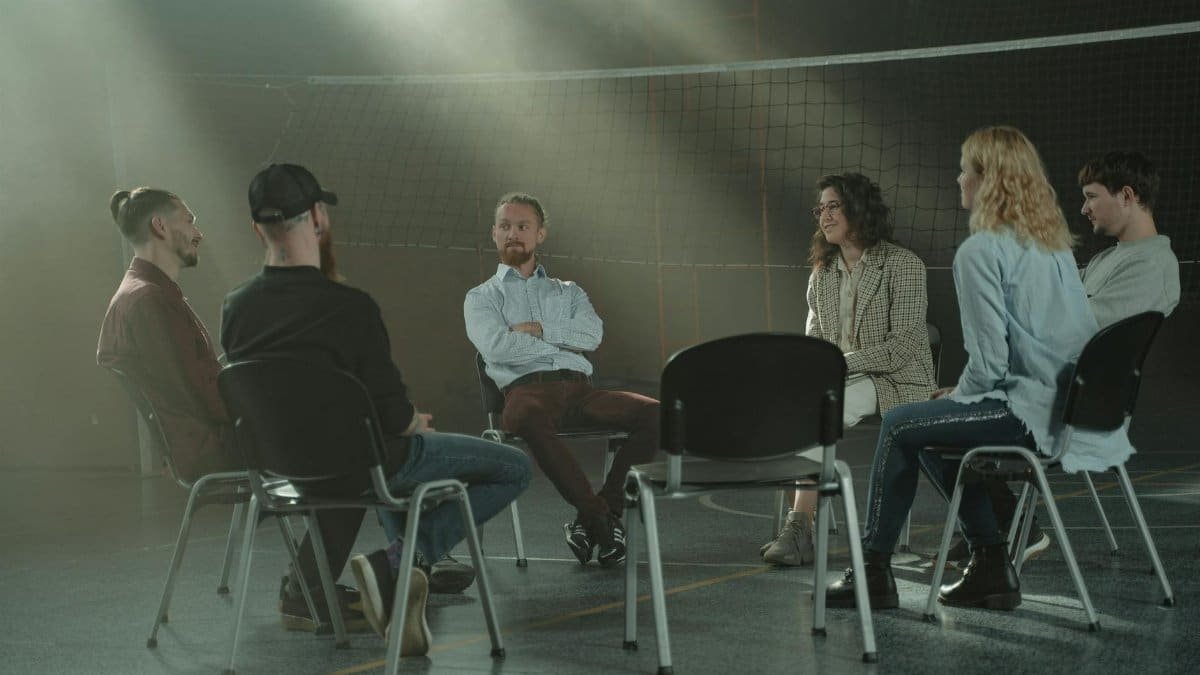
Delving into trauma resolution, somatic experiencing focuses on the body’s stored responses, and it’s gaining traction in small towns hit hard by economic shifts or natural disasters. Therapists in rural Oregon, for instance, facilitate groups where participants track physical sensations to process stress, drawing from Peter Levine’s methods. The approach emphasizes gentle resourcing, like noticing a safe feeling in the feet, which can prevent overwhelm.
Imagine a session in a community center: a veteran describes a subtle shift as tremors release pent-up anxiety, his vulnerability encouraging others. According to the Somatic Experiencing Trauma Institute, this practice rebuilds nervous system regulation, vital in towns with limited mental health access. It’s driving change by training locals as facilitators, creating self-sustaining networks. Yet, accessibility remains a hurdle—sessions can feel exposing in tight-knit communities. Through it all, somatic experiencing underscores how small towns are pioneering affordable, body-based healing, turning personal recovery into collective strength.
4. Mindful Walking Trails
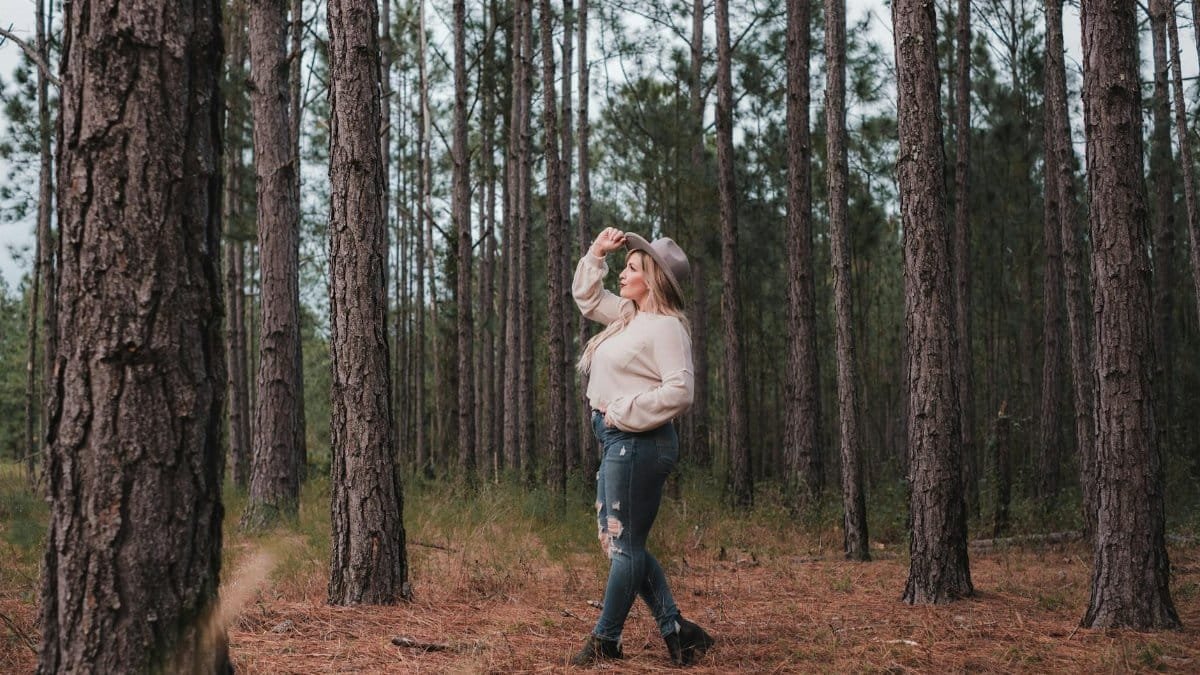
What if a simple stroll became a somatic gateway? In small towns across the Midwest, dedicated walking trails encourage mindful movement, blending nature with body awareness. Participants tune into footsteps, breath, and surroundings, a practice that counters digital overload. One trail in upstate New York features prompts like “Feel the earth under your soles,” inspiring reflections on stability amid uncertainty.
A hiker once paused by a stream, sensing how the water’s flow mirrored her inner calm—a moment that lingered, shared later with friends. Research from the Centers for Disease Control and Prevention links such activities to improved mood and reduced anxiety, explaining their rise. These trails drive small towns by enhancing tourism and local pride, with maps highlighting somatic hotspots. Challenges include weather dependency, but adaptations like indoor paths keep momentum. Ultimately, they invite a slower pace, proving somatic practices can make everyday landscapes profound.
5. Dance Therapy Workshops

Rhythm pulses through small-town revival via dance therapy, a somatic practice that uses movement to express and release emotions. In Southern hamlets, barns host workshops where folks sway to eclectic beats, no prior skill required. It’s about feeling the body’s stories, not perfect steps—think improvisational flows that unlock joy or grief.
During one session, a widow twirls tentatively, her movements evolving into confident spins, as if shedding invisible weights. The National Library of Medicine notes dance therapy’s efficacy in building resilience, particularly in underserved areas. This is driving small towns by fostering inclusivity—events draw multigenerational crowds, sparking festivals that invigorate economies. Skeptics might dismiss it as frivolous, but participants report profound shifts. Dance therapy weaves fun into healing, showing how somatic, small towns can thrive on embodied expression.
6. Biofeedback Sessions
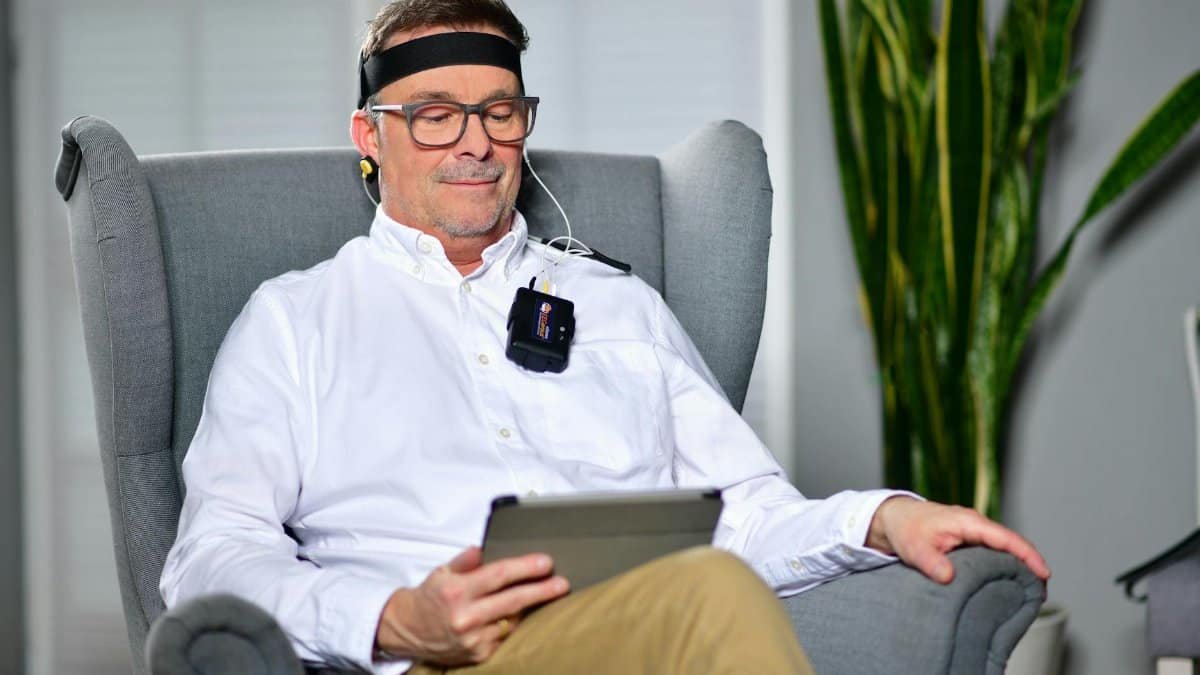
Technology meets somatics in biofeedback, where devices monitor bodily signals like heart rate, teaching self-regulation. Small towns are adopting this in community clinics, making high-tech wellness accessible. A session might involve watching a screen as breathing calms erratic patterns, empowering users to manage stress autonomously.
Consider a stressed teacher in a rural library setup: as her metrics stabilize, she feels a tangible shift, later applying it during chaotic school days. Per the Mayo Clinic, biofeedback aids conditions like hypertension, common in isolated areas. It’s driving innovation by partnering with local health centers, attracting grants and visitors. Drawbacks include cost barriers, but group sessions mitigate that. Biofeedback bridges science and sensation, propelling small towns toward modern somatic empowerment.
7. Tai Chi in Public Parks
Graceful and grounding, Tai Chi’s slow forms emphasize somatic flow, and it’s blooming in small-town parks from coast to coast. Groups gather at dawn, mirroring movements that cultivate balance and energy awareness. Rooted in martial arts, it appeals for its gentleness, suitable for all fitness levels.
One practitioner, an elderly resident, recounts how the practice steadied her after a fall, her story inspiring newcomers. The National Center for Complementary and Integrative Health affirms its benefits for mobility and mental clarity. This drives small towns by enhancing public spaces and community health initiatives, often free. Weather and participation fluctuate, yet persistence builds habits. Tai Chi embodies quiet power, fueling somatic vitality in overlooked locales.
8. Feldenkrais Method Classes

Exploring subtle movements, the Feldenkrais Method heightens somatic intelligence, helping small towns address chronic pain without invasiveness. Classes in converted schoolhouses guide gentle explorations, like rolling shoulders to rediscover ease.
A carpenter attends, surprised as old injuries soften through awareness, not force. Supported by findings from the Feldenkrais Guild of North America, it improves function holistically. It’s driving accessibility by training locals, creating ripple effects in wellness economies. Introspection can feel slow for some, but rewards compound. Feldenkrais invites curiosity, anchoring somatic growth in small-town life.
9. Sensory Awareness Retreats

Culminating in immersion, sensory awareness retreats sharpen somatic attunement through touch, sound, and presence. Small towns host these in natural settings, like forested cabins, where participants reconnect with bodily wisdom.
In one retreat, a group blindfolds for a texture walk, laughter erupting as discoveries unfold. Echoing research from the American Psychological Association on mindfulness’s somatic ties, it combats disconnection. These drive tourism and local pride, though intensity deters casual joiners. They encapsulate how somatic practices are not just trends but lifelines, profoundly shaping small towns’ futures.
As these practices illustrate, the somatic wave in small towns signals a broader yearning for embodied living. In 2025, with urban burnout on the rise, these communities offer blueprints for sustainable well-being, blending tradition and innovation in ways that feel both timeless and urgently needed.