

In a fast-paced world where burnout seems almost inevitable, a surprising statistic offers a glimmer of hope. According to a 2023 report from the American Psychological Association, nearly 77 percent of U.S. adults reported experiencing stress that interfered with their daily lives, yet those incorporating slower, intentional practices saw marked improvements in mental health. This shift highlights the rising embrace of wellness, trends, routines that prioritize calm over chaos. Slow-living, once dismissed as a luxury, is now gaining traction among middle-aged Americans seeking balance amid demanding careers and family life. From mindful mornings to unhurried evenings, these routines promise not just relief but a deeper sense of well-being. As we navigate 2025, exploring these practices reveals how they support broader wellness trends, fostering resilience and clarity in an era of constant connectivity.
1. Mindful Morning Starts

Imagine waking not to the blare of an alarm but to the soft light filtering through curtains, setting the tone for a day unbound by rush. This routine begins with simple breathing exercises or a few moments of gratitude, grounding individuals before the world intrudes. Research from the National Institutes of Health underscores how such practices reduce cortisol levels, easing the transition into daily demands. One anonymous account shared publicly described it as “reclaiming the dawn,” a sentiment echoing many who feel overwhelmed by morning chaos. By sipping tea slowly or jotting down intentions, people report heightened focus throughout the day. It’s not about perfection; even five minutes can shift perspectives, aligning with wellness trends that emphasize mental clarity over productivity hacks.
Yet, integrating this isn’t always seamless. Some find old habits die hard, like checking emails first thing. Transitioning requires patience, perhaps starting with one small change. Over time, this builds a foundation for routines that nurture rather than drain.
2. Digital Detox Intervals

“I finally heard my own thoughts again,” one person reflected after unplugging for an afternoon, a common refrain in discussions about reclaiming time from screens. This routine involves designated periods without devices, maybe during meals or evenings, allowing space for reflection. A study linked from the Pew Research Center notes that 31 percent of U.S. adults are online almost constantly, contributing to heightened anxiety. Slow-living counters this by encouraging analog activities, like reading a physical book or conversing face-to-face.
The beauty lies in its flexibility. Start small, perhaps with a phone-free walk, and notice how conversations deepen without distractions. In 2025, as remote work blurs boundaries, these intervals support wellness trends by restoring boundaries and fostering genuine connections.
Challenges arise, of course. The pull of notifications can feel addictive, but setting clear rules helps. Over weeks, many discover a renewed appreciation for quiet, transforming routines into essential rituals.
3. Intentional Nature Walks

Stepping into a park, leaves crunching underfoot, the air crisp with possibility. This isn’t exercise for its own sake but a deliberate stroll to absorb surroundings, perhaps noting bird calls or changing seasons. The Centers for Disease Control and Prevention highlights how such low-intensity activities boost mood and physical health, as detailed in their guide on physical activity benefits. For middle-aged folks juggling midlife stresses, these walks offer a low-barrier entry to wellness, trends, routines that reconnect with the environment.
Picture a group of friends meandering trails, sharing stories without agendas. It builds community while easing isolation, a growing concern in urban settings. Varying paces keep it engaging, from solitary reflections to family outings.
4. Slow Cooking Sessions

What if preparing a meal became a meditative act? Chopping vegetables deliberately, savoring aromas as they build. This routine turns kitchens into sanctuaries, countering the grab-and-go culture. Evidence from Harvard’s T.H. Chan School of Public Health, via their mindful eating resources, shows that attentive cooking enhances nutritional awareness and reduces overeating.
One vivid snapshot: a couple experimenting with recipes on weekends, laughter mixing with simmering pots. It fosters bonding and creativity, aligning with trends toward sustainable, home-centered wellness. No need for gourmet skills; even simple soups work wonders.
Adapting to busy schedules means prepping ahead, but the key is presence. Over time, it reshapes how we view nourishment, making routines feel restorative rather than obligatory.
5. Journaling for Reflection

Pen to paper, thoughts spilling out without judgment. This practice invites unpacking the day’s events, revealing patterns often missed in haste. A longitudinal study from the University of Rochester, accessible through their health encyclopedia on journaling benefits, links it to improved emotional processing and stress reduction.
In online reflections, people often mention the catharsis of nightly entries, like sorting mental clutter. For those in their forties and fifties, it addresses midlife transitions, supporting wellness trends by promoting self-awareness.
Variety keeps it fresh: prompts one day, freewriting the next. It’s personal, evolving with needs, and surprisingly empowering.
6. Minimalist Decluttering

Clearing spaces to clear minds. This involves methodically sorting belongings, keeping only what sparks joy or utility. Marie Kondo’s influence persists, but the core ties to wellness through reduced visual noise, as supported by psychological research on environmental impacts.
Envision tackling a single drawer, decisions leading to lightness. It mirrors broader routines that prioritize essence over excess, vital in consumer-driven 2025.
Resistance might come from sentimental attachments, yet starting small yields momentum. Ultimately, it cultivates intentionality, enhancing daily flow.
7. Scheduled Downtime

Carving out blocks for nothing at all, perhaps lounging with a book or staring at clouds. This counters the always-on mentality, with benefits echoed in sleep studies emphasizing rest’s role in recovery.
A colleague once shared how enforced breaks revived her energy, a tale resonating amid hybrid work trends. It’s about permission to pause, bolstering wellness, trends, routines that value recharge.
Implement via calendar slots, treating them as non-negotiable. The shift can feel radical, yet it sustains long-term vitality.
8. Community Gatherings
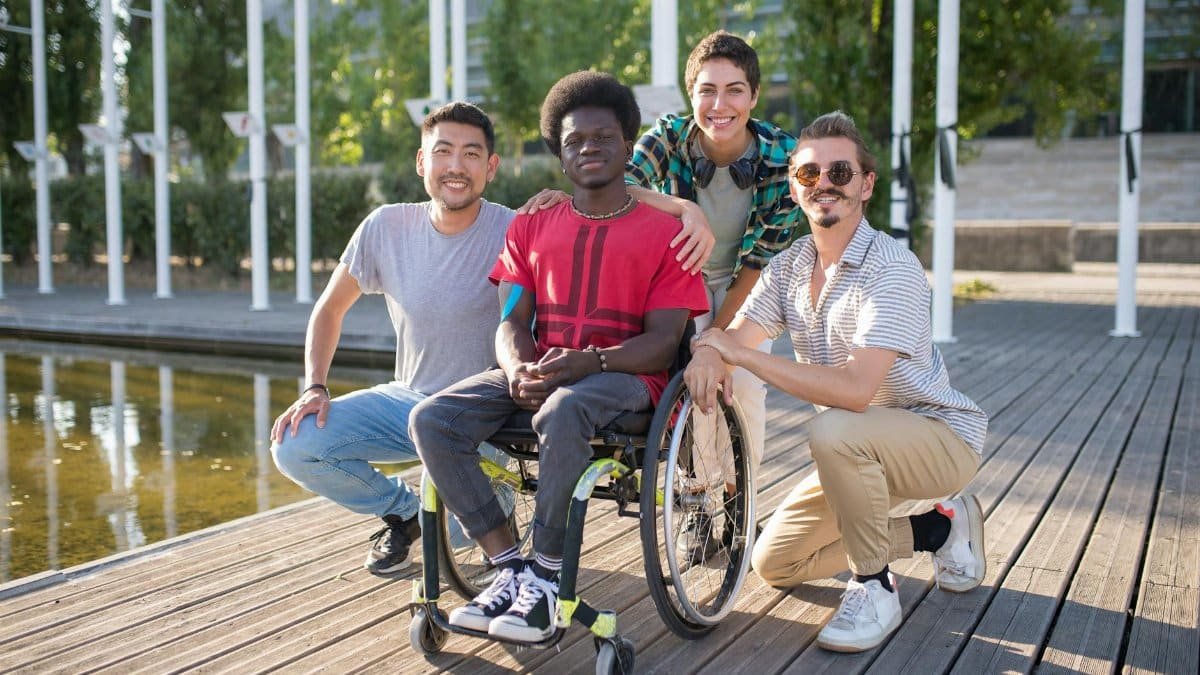
Gathering with neighbors for potlucks or book clubs, conversations unfolding naturally. This builds support networks, combating loneliness as noted in CDC reports on social connections.
Recall a backyard evening where stories flowed, forging bonds. In an age of digital isolation, these routines ground us in real interactions, supporting holistic wellness.
Scale it to fit: small meetups work wonders. The warmth lingers, enriching routines with shared humanity.
9. Evening Wind-Down Rituals
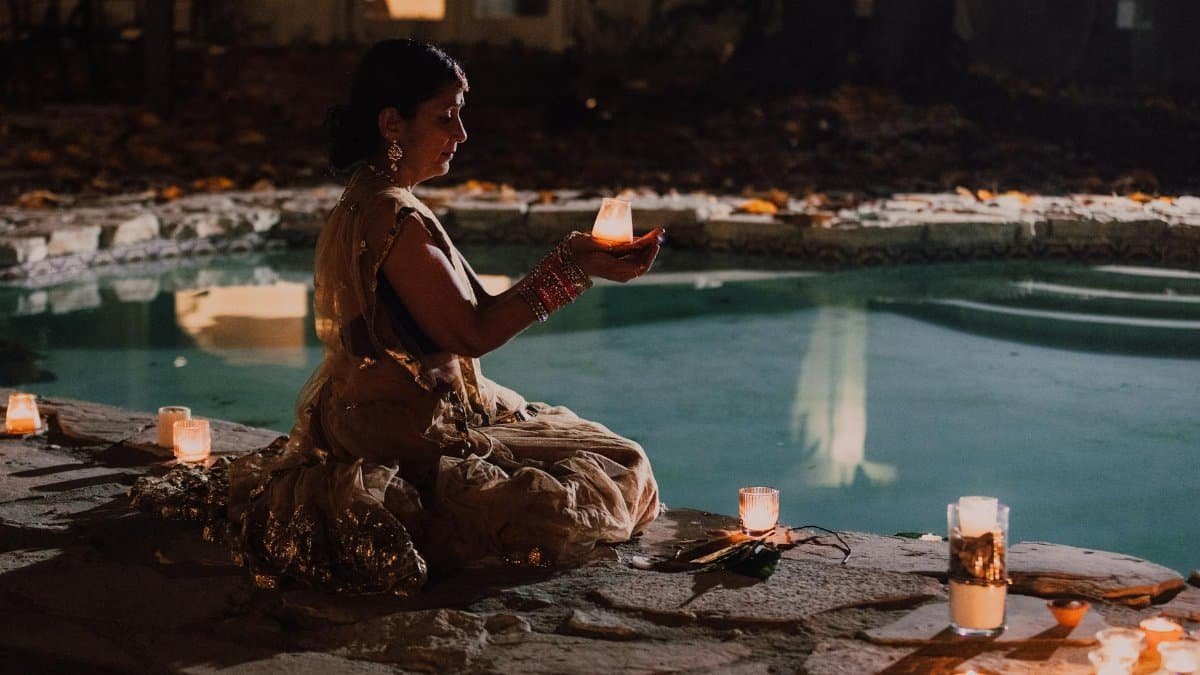
As daylight fades, dimming lights and brewing herbal tea signal the body’s cue to unwind. This might include gentle stretches or reading poetry, preparing for restful sleep.
Studies from the National Sleep Foundation affirm how consistent wind-downs improve sleep quality, crucial for overall health. One shared experience described it as “wrapping the day in peace,” a fitting end to slow-living practices.
Personalize it: baths for some, music for others. In 2025, as wellness trends evolve, these rituals anchor us, promising renewal each night.
Embracing these nine routines isn’t about overhauling life overnight. It’s a gentle invitation to weave slowness into the fabric of daily existence, where wellness, trends, routines intersect to nurture the spirit. As more Americans discover their power, the movement toward mindful living gains quiet momentum, offering paths to clarity amid the noise.