

A recent survey by the American Psychological Association found that 62 percent of adults in the United States report feeling overwhelmed by the pace of modern life, a sharp increase from just a decade ago. This statistic underscores a growing backlash against constant hustle. Enter slow living, a deliberate approach to savoring the everyday. It emphasizes presence over productivity, inviting people to reclaim time in small, meaningful ways. Across the country, from bustling cities to quiet suburbs, individuals are weaving these practices into their routines. They seek balance amid chaos. This shift is more than a fad. Slow-living routines are trends, wellness, shaping in profound ways, fostering emotional resilience and deeper connections. As we step into 2025, these habits offer a counterpoint to digital overload, promising a path to genuine wellbeing.
1. Embracing Mindful Mornings

Start the day without rushing. Many begin with a simple ritual: brewing coffee slowly, watching steam rise from the mug. No screens, just the quiet hum of the kitchen. This practice sets a tone of intention. Research from Harvard Medical School highlights how such mornings reduce cortisol levels, easing stress before it builds.Harvard Health Publishing explains the science behind it. One woman shared anonymously online that her mindful mornings transformed chaotic days into focused ones, feeling like she finally controlled her time. It’s not about perfection. Sometimes, it’s just sitting with thoughts, letting them settle like dust after a storm. This routine counters the frenzy of alarm clocks and emails, inviting calm right from dawn.
Yet tensions arise. In a society that prizes efficiency, slowing down can feel indulgent. But practitioners argue it’s essential. They notice sharper focus later, proving the value. Vary it: add stretching or a short meditation. The key lies in consistency, building resilience over time.
2. Practicing Digital Detox

Imagine setting aside your phone for an entire evening. No notifications, no scrolling. This detox allows space for real conversations or solitary reflection. A study by Pew Research Center shows that 81 percent of Americans feel overwhelmed by digital information, prompting many to unplug regularly.Pew Research Center details this trend. In one snapshot, a group of friends in Seattle gathers weekly for board games, phones stacked in another room. Laughter fills the air, unfiltered by filters. It’s a rebellion against constant connectivity.
Challenges emerge when work demands bleed into personal time. Still, even short breaks matter. Start with an hour before bed. Notice how sleep improves, as confirmed by sleep experts. This routine reshapes habits, making room for presence in a wired world.
3. Immersing in Nature Walks
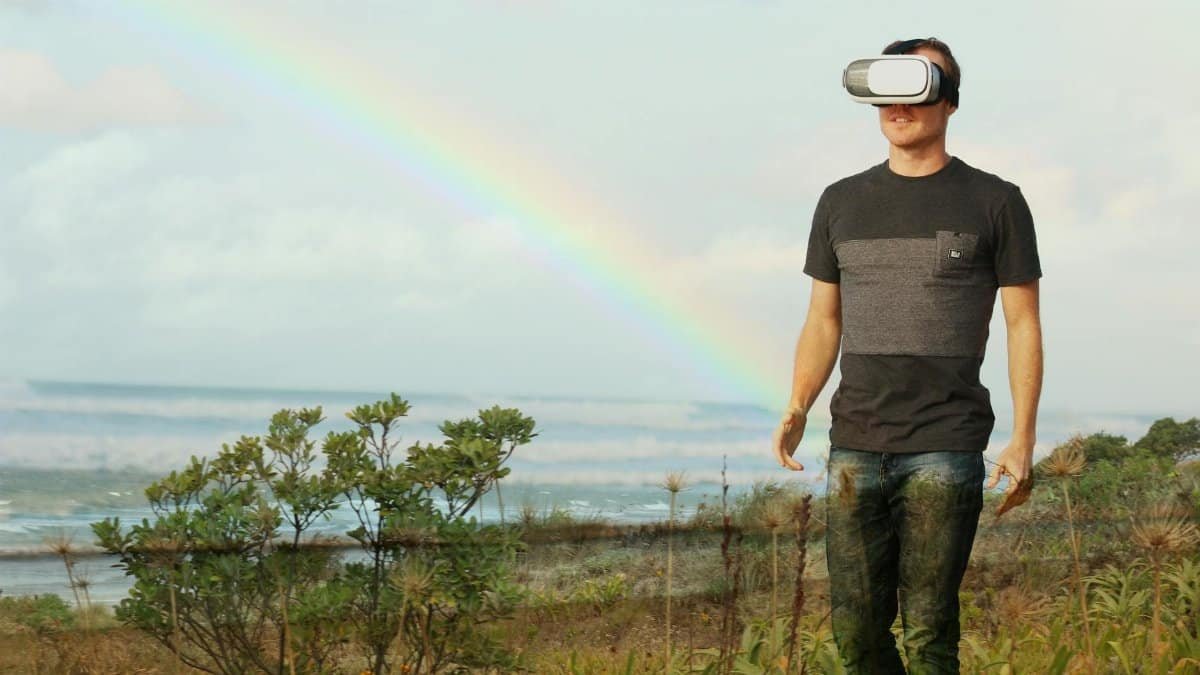
Step outside, leave the path unplanned. These walks invite wandering, observing leaves rustle or birds dart. No destination, just movement at your own pace. The National Institutes of Health links time in nature to lower anxiety and better mood.NIH Research Matters supports this with data. Picture a middleaged man in Chicago, trading gym sessions for park strolls. He describes feeling grounded, worries fading with each step.
Weather can deter, but adaptability helps. Indoor alternatives like window gazing work too. Over time, this builds emotional strength, turning routine outings into sources of renewal. It’s a quiet revolution in how we engage with the world.
4. Savoring Slow Meals

What if cooking became a meditation? Chopping vegetables deliberately, stirring pots with care. Slow meals extend to eating, chewing thoughtfully. This counters fast food culture. A report from the CDC notes that mindful eating aids digestion and satisfaction.CDC Mindful Eating provides insights. In a Texas household, family dinners stretch longer now, stories shared over homemade soup. Bonds strengthen amid the aromas.
Not every night allows it, with busy schedules intervening. Yet even weekly commitments yield benefits. Taste deepens, gratitude grows. This routine influences wellness by nurturing body and relationships alike.
5. Journaling for Reflection

Pen to paper, thoughts spilling out unstructured. Journaling captures the day’s essence without judgment. It clarifies emotions, revealing patterns over time. Studies from the University of Rochester show it boosts mental health. One entry might recount a stressful meeting, then pivot to gratitude. An anonymous forum post described how nightly pages helped someone navigate midlife changes, uncovering hidden strengths.
Skeptics dismiss it as timeconsuming, but brevity works. Five minutes suffice. The act fosters selfawareness, a cornerstone of slow living. In 2025, as trends evolve, this remains a timeless tool for inner peace.
6. Cultivating SingleTasking
Focus on one thing fully. Reading a book without checking emails, or gardening without podcasts. This counters multitasking myths. Research indicates it enhances productivity and reduces errors. Dive into a task, senses engaged. A New York office worker switched to singletasking blocks, finding creativity surged. It’s counterintuitive in a multitasking era, yet rewarding.
Distractions test resolve, but boundaries help. Set timers, create zones. Over weeks, concentration sharpens, stress dips. This shapes wellness by reclaiming attention in fragmented times.
7. Engaging in Handcrafts

Knitting a scarf, or woodworking a shelf. Handcrafts demand patience, hands busy while minds unwind. They connect to traditions, offering tangible results. A Mayo Clinic overview ties hobbies to lower blood pressure.Mayo Clinic on Hobbies elaborates. In rural Vermont, a retiree rediscovers painting, colors blending as worries fade.
Skill levels vary, but starting small invites progress. Imperfection adds charm. This routine builds resilience through creative flow, enriching daily life.
8. Prioritizing Intentional Rest

Rest without guilt. Napping midday or lounging with a book. It’s about recharging deliberately. Sleep Foundation data shows rest improves cognitive function. One man in California schedules “do nothing” time, staring at the ceiling, ideas bubbling up unexpectedly.
Societal pressure to stay busy resists this. Push back with boundaries. Even brief pauses restore energy. In wellness trends, this stands out for sustaining longterm health.
9. Building Meaningful Connections

Slow living thrives in relationships. Long conversations over tea, listening deeply. No agendas, just presence. Social connections buffer against isolation, per NIH findings.National Institute on Aging emphasizes this. Friends in Atlanta host potlucks, stories unfolding slowly, laughter lingering.
Distance challenges it, but virtual calls adapt. Authenticity matters most. This routine fortifies emotional resilience, weaving support into life’s fabric. As 2025 unfolds, these connections anchor us amid change.