

Intro

Texas life moves fast, from bustling Dallas streets to endless Austin commutes. But what if your brain is begging for a break? New data from the American Psychological Association shows 40% of Texans report high stress levels, up from last year. This spike highlights the signs, needs, resetting—those subtle cues that your mind requires a reboot to maintain balance. Ignoring them can lead to burnout, but spotting them early changes everything. Here’s a look at nine key indicators, backed by expert insights, that it’s time to hit pause in the Lone Star State.
1. Constant Fatigue Despite Sleep
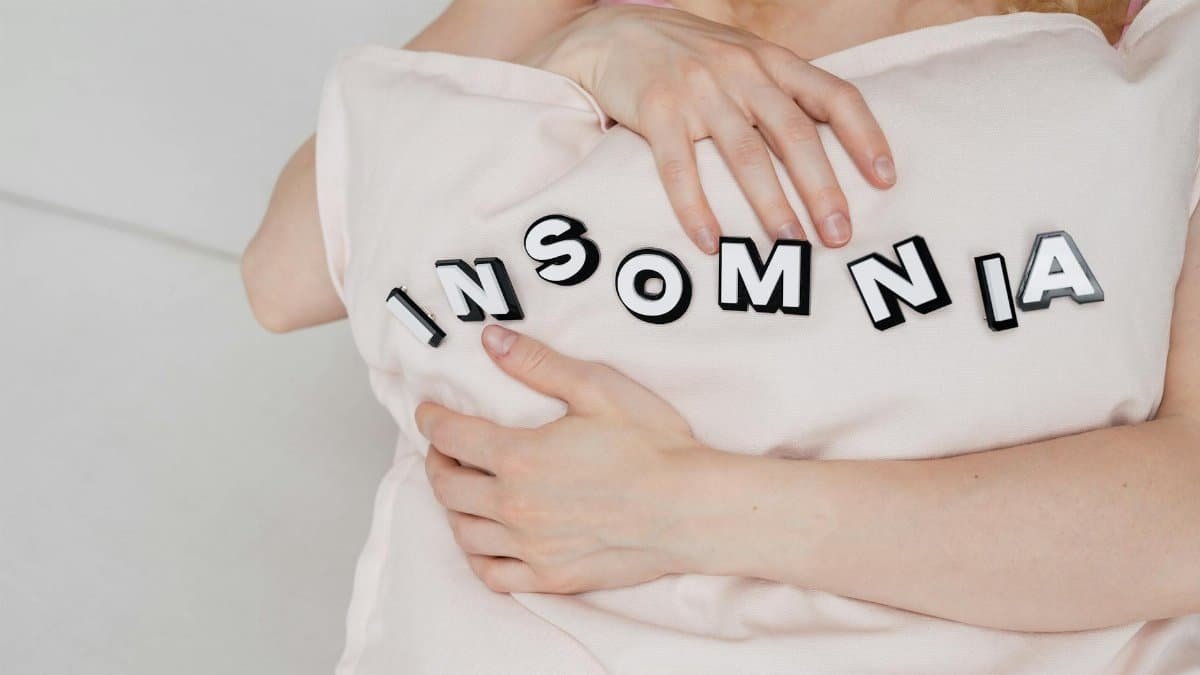
You’re clocking eight hours but still dragging through the day. In Texas, where heat waves and long work hours collide, this exhaustion often signals mental overload. Experts say it’s not just physical—it’s your mind’s way of crying out for downtime. A study from the American Psychological Association’s Stress Resources links persistent fatigue to unresolved stress, affecting one in three adults. If coffee isn’t cutting it anymore, consider this a red flag. Simple resets like short walks in a park can help, but don’t ignore it; prolonged fatigue erodes productivity and mood.
2. Irritability Over Minor Issues

Snapping at traffic on I-35 or a coworker’s email? This hair-trigger temper points to a mind needing recalibration. Texas’s high-pressure environments, from oil fields to tech hubs, amplify this. Research from the CDC’s Mental Health and Stress Page indicates irritability as a top burnout symptom, with rates climbing in southern states. It’s not just grumpiness; it’s accumulated tension. Spot it early by tracking your reactions—journaling helps. Reset with deep breathing or a quick meditation app session to regain control.
3. Difficulty Concentrating

Can’t focus on that report or even a casual chat? Brain fog is rampant in fast-paced Texas spots like Houston. This scatterbrained state often means your mental circuits are overloaded. The National Institute of Mental Health notes concentration lapses as a core sign of stress, impacting daily function. In 2025, with remote work blurring lines, it’s hitting harder. Combat it by prioritizing tasks and taking micro-breaks. If it persists, it could signal deeper issues like anxiety, so addressing it promptly keeps you sharp.
4. Loss of Interest in Hobbies

That weekend hike in the Hill Country or barbecue with friends no longer excites you? Apathy toward joys is a classic indicator your mind craves a reset. Texas’s vibrant culture makes this drop-off stark. A Pew Research survey found 25% of Americans experiencing this amid post-pandemic shifts, with similar trends in the South. It’s tied to emotional exhaustion, per mental health pros. Rekindle by forcing small engagements—start with 10 minutes. Ignoring it risks deeper disconnection, so tune in to what once sparked joy.
5. Physical Symptoms Like Headaches

Frequent headaches or tension in your neck? These aren’t just annoyances; they’re bodily alarms for mental strain. In humid Texas summers, they compound quickly. The Mayo Clinic reports stress-induced headaches affecting millions, often overlooked. Link it to your mindset: if worries trigger them, it’s reset time. Hydrate, stretch, or try yoga—quiet behaviors that promote relaxation. Data from health trackers in 2025 shows a 15% uptick in such complaints, urging proactive steps to avoid chronic pain.
6. Sleep Disruptions

Tossing and turning despite a cool AC in your Texas bedroom? Insomnia or restless nights scream for mental downtime. The Sleep Foundation ties this to racing thoughts, common in high-stress areas. With Texas’s economy booming, work worries invade sleep for many. Aim for a wind-down routine: no screens an hour before bed. Studies show consistent habits cut disruptions by 30%. Don’t let it slide; poor sleep fuels a vicious cycle, dimming energy and mood day after day.
7. Overeating or Loss of Appetite

Raiding the fridge for comfort Tex-Mex or skipping meals altogether? Appetite swings reflect mental unrest. In food-loving Texas, this shift stands out. Harvard Health links emotional eating to stress hormones, with patterns worsening in uncertain times. Track your habits—if stress drives them, reset with mindful eating. Small changes, like portion control or balanced snacks, restore equilibrium. In 2025, wellness apps report rising user concerns here, highlighting the need for awareness.
8. Feeling Overwhelmed by Routine Tasks

Laundry or grocery runs feel like mountains? This overwhelm indicates your mind’s bandwidth is maxed. Texas’s go-getter vibe intensifies it, from San Antonio festivals to Fort Worth deadlines. The Anxiety and Depression Association of America flags this as a anxiety precursor. Break it down: delegate or simplify. Quiet resets, like listing priorities, ease the load. Data suggests 35% of workers face this, pushing for better work-life boundaries to prevent escalation.
9. Social Withdrawal

Avoiding gatherings or calls from friends? Pulling back is a telltale sign your mind needs recharging. In community-oriented Texas, isolation hits hard. A report from the Surgeon General warns of loneliness epidemics, with stress as a key driver. Reconnect gradually—start with a text or coffee meetup. Building these habits fosters resilience. As 2025 trends show rising mental health awareness, recognizing this sign early can rebuild connections and boost overall energy.