
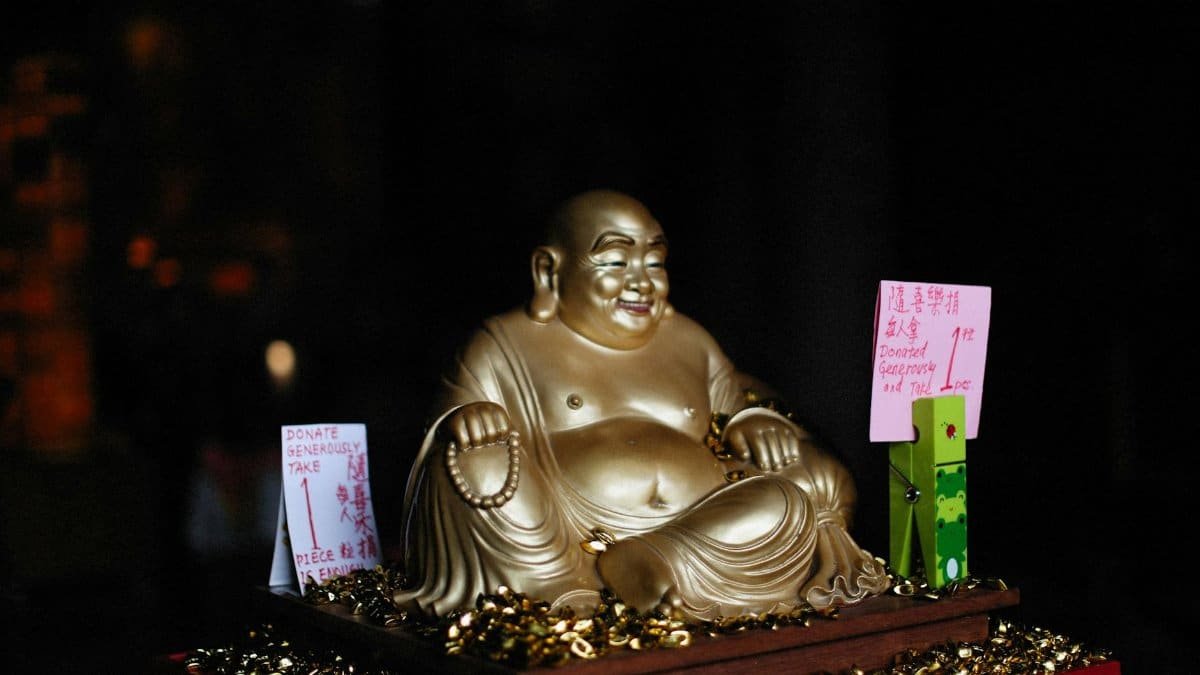
In a world buzzing with endless notifications and to-do lists, have you ever paused to wonder if there’s a simpler way to reclaim your mental space? What if the key to cutting through the noise lies not in more productivity hacks, but in something as straightforward as sitting still? Meditation, often misunderstood as a mystical practice, offers a path to what many describe as clarity meditation calm—a state where focus sharpens, worries fade, and balance returns. For middle-aged Americans juggling careers, families, and the relentless pace of 2025 life, this could be the quiet revolution needed. Recent surveys show a growing number turning to mindfulness amid rising stress levels. Yet, how do you know if it’s right for you? Recognizing certain signs can guide that decision, pointing toward practices that foster genuine well-being without the hype.
1. Persistent Stress Overwhelms Your Days

Stress has become a constant companion for many. It creeps in during morning commutes or late-night emails. If you find yourself tense from the moment you wake up, meditation might help. Think of it as a reset button. One woman, in her forties and managing a demanding job in Chicago, shared anonymously online how her shoulders were perpetually knotted until she started a simple breathing routine. “It was like exhaling a weight I didn’t know I carried,” she noted. Studies back this up. Research from the National Institutes of Health indicates that regular meditation reduces cortisol levels, the hormone tied to stress.National Institute of Mental Health on Stress. In 2025, with economic pressures mounting, this sign screams for attention. Meditation doesn’t erase problems, but it builds resilience. Start small, perhaps with five minutes a day, focusing on your breath. Over time, that persistent fog lifts, revealing a calmer baseline.
2. Focus Slips Away Too Easily

Ever sit down to work, only to find your mind wandering to unrelated thoughts? This scattered attention plagues professionals everywhere. In bustling offices or home setups, distractions multiply. Meditation trains the brain to stay present. Consider a scenario where a father in Texas, overwhelmed by parenting and remote work, noticed his productivity tanking. He tried guided sessions and found his concentration sharpening. It’s not magic; neuroscience explains it. A study from Harvard Medical School shows meditation strengthens the prefrontal cortex, enhancing focus.Harvard Medical School on Meditation and the Brain. For those in midlife, when cognitive demands peak, this practice offers clarity meditation calm without relying on caffeine or apps. Try noticing your thoughts without judgment. It builds mental muscle, turning fleeting attention into sustained effort.
3. Emotions Swing Wildly Without Warning
Mood swings can derail even the best days. One moment you’re fine, the next irritation boils over. If this sounds familiar, meditation could stabilize that inner turbulence. Picture a teacher in New York, dealing with classroom chaos and personal setbacks, who discovered equanimity through daily practice. She described it as “finding an anchor in stormy seas.” Evidence supports such transformations. The American Psychological Association reports that mindfulness meditation helps regulate emotions by fostering awareness.American Psychological Association on Mindfulness Meditation. In 2025’s polarized climate, emotional balance feels essential. Rather than suppressing feelings, meditation invites observation. This leads to responses rather than reactions, creating space for calm amid life’s ups and downs.
4. Sleep Evades You Night After Night

Nights spent tossing and turning leave you drained. If rest feels elusive, despite exhaustion, it’s a red flag. Meditation promotes better sleep by quieting the mind’s chatter. Imagine a nurse in California, working shifts that disrupted her rhythm, who incorporated bedtime mindfulness. “Suddenly, sleep came naturally,” she reflected in a public forum post. Research from the Sleep Foundation confirms meditation’s role in improving sleep quality.Sleep Foundation on Meditation for Sleep. For middle-aged folks facing hormonal shifts or work stress, this sign is particularly relevant. Techniques like body scans ease tension, paving the way for restorative nights. It’s about preparing the mind for rest, not forcing it.
5. Daily Life Feels Overwhelmingly Chaotic

When routines spiral into chaos, everything suffers. Bills pile up, schedules clash, and peace seems distant. Meditation cuts through this overload, offering clarity. A small business owner in Florida recounted how his days blurred until he paused for meditation. It brought order without overhauling his life. According to a Pew Research Center survey, many Americans report feeling overwhelmed, with mindfulness practices gaining traction.Pew Research on Stress Management. In the context of 2025’s fast-paced economy, this tool fosters meditation calm by prioritizing what’s essential. Begin with mindful walking; notice your steps. Chaos doesn’t vanish, but your capacity to navigate it grows.
6. Decision-Making Lacks Sharpness

Indecision paralyzes progress. If choices loom large and unclear, meditation sharpens discernment. Envision a manager in Seattle, second-guessing every call, who found clarity through quiet reflection. “Decisions flowed easier,” he said. Studies from the University of California show meditation enhances cognitive flexibility.Greater Good Science Center at UC Berkeley on Mindfulness. For those in their prime years, when life decisions multiply, this practice delivers clarity meditation calm. It quiets doubts, revealing intuitive insights. Practice by sitting with a question, observing thoughts arise and pass.
7. Physical Tension Builds Unnoticed

Headaches, tight muscles—the body signals distress. If you ignore these until they scream, meditation tunes you in. A writer in Boston, hunched over her keyboard, eased chronic pain through awareness exercises. It transformed her posture and mindset. The Mayo Clinic links meditation to reduced physical symptoms of stress.Mayo Clinic on Meditation. Amid 2025’s sedentary lifestyles, this sign urges action. Body-focused meditation releases held tension, promoting overall ease. Feel the breath move through tight spots; relief follows.
8. Inner Peace Seems Like a Distant Dream

Yearning for tranquility amid noise? If calm feels unattainable, meditation bridges that gap. Consider a retiree in Arizona, post-career, seeking purpose. Daily sessions brought subtle serenity. “Peace isn’t absence; it’s presence,” she mused. Data from the Centers for Disease Control and Prevention highlights meditation’s benefits for mental health.CDC on Coping with Stress. In an era of constant connectivity, this practice nurtures meditation calm. It cultivates acceptance, turning longing into reality.
9. Curiosity About Mindfulness Keeps Surfacing

Sometimes, the sign is simple interest. If articles or conversations about meditation intrigue you, that’s your cue. A hobbyist in Ohio, drawn by podcasts, dove in and discovered unexpected benefits. It sparked a routine that stuck. Broader trends, per Gallup polls, show rising interest in wellness practices.Gallup on Mental Health. For middle-aged explorers in 2025, curiosity leads to clarity meditation calm. Explore apps or classes; let intrigue guide you. What starts as whim becomes habit, enriching life subtly yet profoundly.