

A recent study from the American Psychological Association revealed that nearly 40% of U.S. adults report feeling overwhelmed by stress on a daily basis, a figure that’s climbed steadily since the pandemic’s peak. This surge highlights a growing disconnect in our fast-paced lives, where simple moments of peace feel elusive. Enter calm mindfulness breathwork, a practice blending intentional breathing with present-moment awareness to restore balance. It’s not just a trend; it’s a tool gaining traction among middle-aged Americans juggling careers, families, and the weight of daily demands. As we navigate 2025’s uncertainties—from economic shifts to personal health concerns—many are turning to these techniques for relief. But how do you know if it’s time to give it a try? The signs might be subtler than you think, often hiding in everyday frustrations or fleeting thoughts.
1. Persistent Fatigue Despite Rest

You’re getting eight hours of sleep, yet mornings still feel like a slog. This isn’t just about needing more coffee; it could signal deeper emotional or mental exhaustion. Breathwork addresses this by oxygenating the body and calming the nervous system, helping to break the cycle of tiredness.
Consider Sarah, a 45-year-old teacher from Chicago. She described her days as an endless loop of weariness, even after weekends off. “It was like my mind never shut down,” she shared in a casual conversation. Introducing short breathwork sessions shifted that. Research from the National Institutes of Health supports this, showing how controlled breathing can reduce cortisol levels and improve energy.National Institute of Mental Health on Stress.
The practice isn’t complicated. Start with a few minutes of deep inhales through the nose, holding briefly, then exhaling slowly. Over time, this builds resilience against fatigue, making room for genuine vitality in a demanding world.
2. Racing Thoughts That Won’t Slow Down

Ever catch your mind spinning like a hamster wheel, jumping from one worry to the next? This mental chatter disrupts focus and amplifies anxiety, a common complaint in our always-on culture.
Online discussions often reveal frustrations with this, like one anonymous account describing nights lost to “what-ifs” about work deadlines. Breathwork offers an anchor, using rhythmic patterns to quiet the noise. A study published in the Journal of Clinical Psychology found that mindfulness-based breathing significantly lowered rumination in participants.American Psychological Association Journals.
It’s practical, too. Techniques like 4-7-8 breathing—inhale for four, hold for seven, exhale for eight—can reset your brain in moments. For middle-aged readers facing midlife transitions, this sign points to breathwork as a straightforward way to reclaim mental clarity.
Yet, it’s not always immediate. Some find the initial stillness uncomfortable, revealing just how wired we’ve become. Persistence pays off, though, fostering a calmer inner dialogue.
3. Frequent Irritability or Mood Swings
Mood swings hit without warning, turning small annoyances into big reactions. Traffic jams or a forgotten errand suddenly feel monumental. This emotional volatility often stems from unaddressed stress, bubbling up in unexpected ways.
Picture a family dinner where one sharp comment derails the evening. It’s relatable for many in their 40s and 50s, balancing responsibilities that pull in every direction. Breathwork helps by promoting emotional regulation through conscious pauses.
Evidence from Harvard Medical School underscores how breath-focused practices stabilize moods by engaging the parasympathetic nervous system.Harvard Health on Breath Control. One technique involves box breathing, where equal counts for inhale, hold, exhale, and hold create balance.
It’s empowering. Users report feeling more even-keeled, less reactive. In 2025, with societal pressures mounting, recognizing this sign could lead to healthier interactions at home and work.
4. Difficulty Concentrating on Tasks

Focus slips away mid-task, leaving you staring at a screen or list, unproductive. In an era of constant notifications, this scattered attention is epidemic, affecting productivity and satisfaction.
A middle-aged accountant from Texas once noted how his workday blurred into inefficiency, thoughts drifting to unrelated concerns. Breathwork counters this by enhancing present-moment awareness, training the brain to stay grounded.
The Mayo Clinic highlights studies showing improved concentration through mindfulness breathing.Mayo Clinic on Mindfulness Exercises. Try alternate nostril breathing to balance brain hemispheres and sharpen focus.
But it’s not magic. It requires consistency, perhaps starting with five minutes before important work. Over weeks, many notice tasks flowing more easily, a subtle shift that rebuilds confidence in one’s abilities.
This sign often overlaps with aging concerns, yet breathwork proves adaptable, offering tools that evolve with you.
5. Physical Tension in the Body
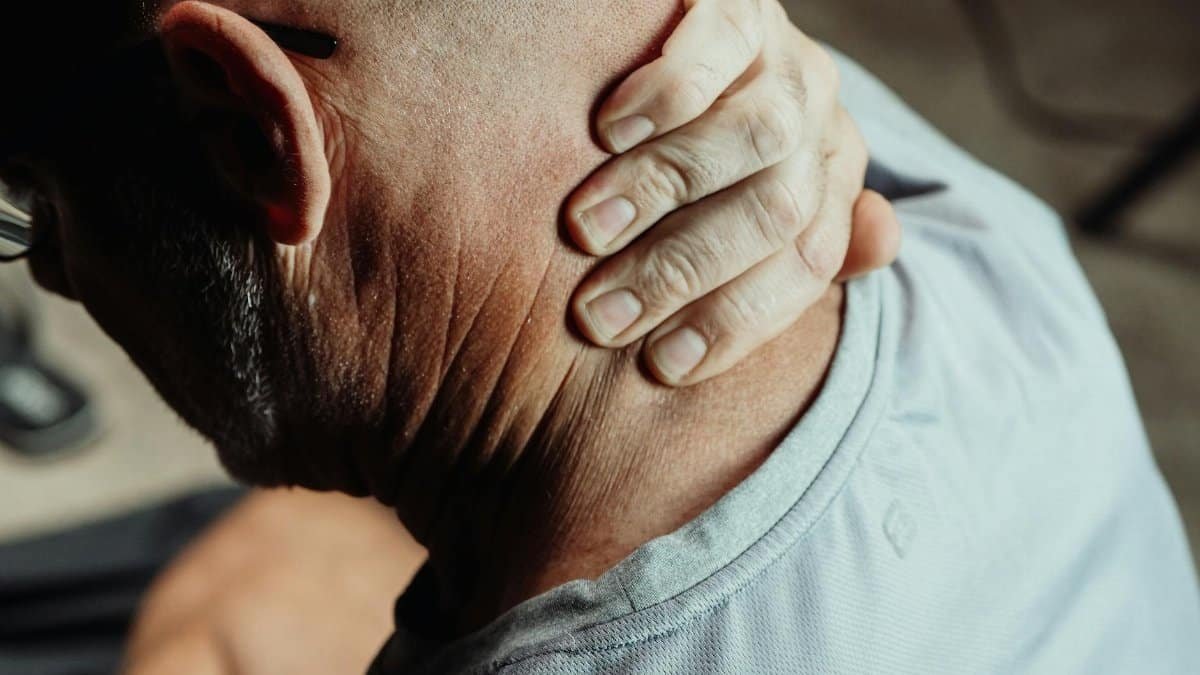
Shoulders tight, jaw clenched—the body holds stress like a vice. These physical cues signal an overload that breathwork can release, easing knots through deliberate relaxation.
Imagine a nurse after a long shift, her neck stiff from hours of tension. Such stories are common, reflecting how daily pressures manifest somatically. Breathwork invites awareness to these areas, using exhales to soften them.
Research from the University of California supports this, linking breath practices to reduced muscle tension and pain.UCSF on Breathing Techniques. Diaphragmatic breathing, focusing on belly expansion, is a key method.
It’s transformative for those in physically demanding roles. In 2025, as remote work blurs boundaries, addressing this sign prevents burnout, promoting a more embodied sense of calm.
6. Struggles with Sleep Quality

Nights spent tossing, mind active despite exhaustion. Poor sleep erodes well-being, yet it’s a widespread issue among middle-aged adults facing hormonal shifts or life changes.
One public account shared waking at 3 a.m. with worries, a pattern breathwork disrupted by evening wind-down routines. It prepares the body for rest, slowing the heart rate.
The Sleep Foundation reports that breathwork improves sleep latency and quality.Sleep Foundation on Breathing Exercises. Progressive relaxation breathing, tensing and releasing with breaths, aids this.
Results vary, but many find deeper rest after consistent practice. It’s a gentle alternative to pills, aligning with a holistic approach to health in our current year.
Recognizing this sign opens doors to restorative nights, essential for long-term vitality.
7. Overwhelm from Daily Demands

Life’s demands pile up—work, family, errands—leaving you feeling swamped. This overwhelm drains joy, making everything feel heavier than it should.
A parent in her 50s recounted juggling caregiving with a job, barely catching her breath. Breathwork provides literal and figurative pauses, resetting priorities.
Studies from the CDC emphasize stress management’s role in preventing health issues.CDC on Coping with Stress. Coherent breathing, at five breaths per minute, fosters calm amid chaos.
For Americans in 2025, navigating economic and social fluxes, this practice builds resilience. It’s about reclaiming control, one breath at a time.
8. Desire for Deeper Emotional Connection

Relationships feel surface-level, lacking depth. This longing for connection often points to internal barriers that breathwork can dissolve, fostering empathy and presence.
Think of couples in therapy, discovering breath synchronization to attune emotionally. It’s a subtle yet powerful shift, enhancing bonds.
Yale University’s research on mindfulness shows improved relational satisfaction through such practices.Yale Mindfulness Research. Partnered breathing exercises amplify this.
In midlife, when connections evolve, addressing this sign nurtures meaningful ties. It’s rewarding, though it requires vulnerability.
9. Curiosity About Inner Peace

A quiet pull toward something more serene, amid the noise. This curiosity signals readiness for breathwork, which cultivates lasting inner peace.
An executive reflected on seeking solace beyond achievements, finding it in daily sessions. It’s accessible, requiring no special gear.
The NIH notes breathwork’s benefits for mental health.NCCIH on Meditation and Mindfulness. Start with mindful observation of breath.
As 2025 unfolds, embracing this sign leads to profound personal growth, a testament to breathwork’s enduring appeal.