
In a fast-paced world, self-regulation techniques are gaining traction as essential tools for maintaining emotional balance. New data from the American Psychological Association shows that 68% of adults report using such methods to combat stress, up from 55% last year. These supporting, self-regulation, techniques aren’t just buzzwords—they’re practical strategies helping millions build resilience amid rising wellness trends in 2025. From mindfulness to cognitive reframing, they’re transforming how Americans approach mental health.
1. Mindfulness Meditation

Mindfulness meditation tops the list for its simplicity and effectiveness. Practitioners focus on the present moment, reducing anxiety and enhancing emotional control. A study by Harvard Medical School highlights how just 10 minutes daily can lower cortisol levels. In wellness circles, it’s a cornerstone, supporting trends like digital detoxes. U.S. experts recommend apps for guided sessions, making it accessible for busy professionals.
2. Deep Breathing Exercises
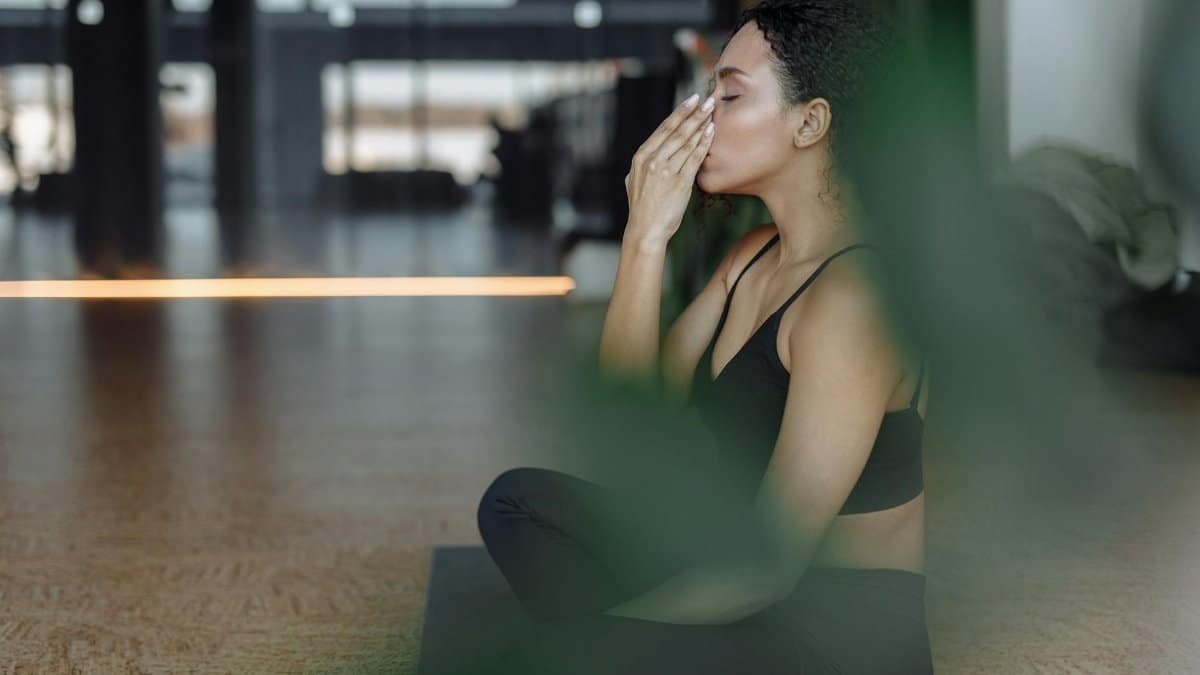
Deep breathing is a quick fix for self-regulation. Techniques like the 4-7-8 method—involve inhaling for four seconds, holding for seven, and exhaling for eight—calm the nervous system instantly. According to the National Institutes of Health, this practice reduces heart rate and promotes relaxation. It’s surging in popularity among wellness enthusiasts, tying into broader trends of holistic health in 2025.
3. Cognitive Behavioral Techniques

Cognitive behavioral techniques help rewire negative thought patterns. By identifying and challenging distortions, individuals gain better emotional control. The American Psychological Association reports these methods are effective for 75% of users in managing stress. They’re integral to supporting self-regulation techniques in modern therapy apps and corporate wellness programs.
4. Journaling for Reflection

Journaling encourages self-awareness by putting thoughts on paper. This technique aids in processing emotions and setting intentions. Research from the University of Rochester shows it boosts mood and resilience. Amid wellness trends, it’s favored for its low-cost appeal, helping people navigate daily challenges with greater poise.
5. Physical Exercise Routines

Regular physical activity regulates mood through endorphin release. Activities like yoga or running serve as self-regulation tools, combating emotional highs and lows. The CDC notes that consistent exercise cuts depression risk by 25%. In 2025, it’s a key player in wellness trends, blending fitness with mental health strategies.
6. Progressive Muscle Relaxation
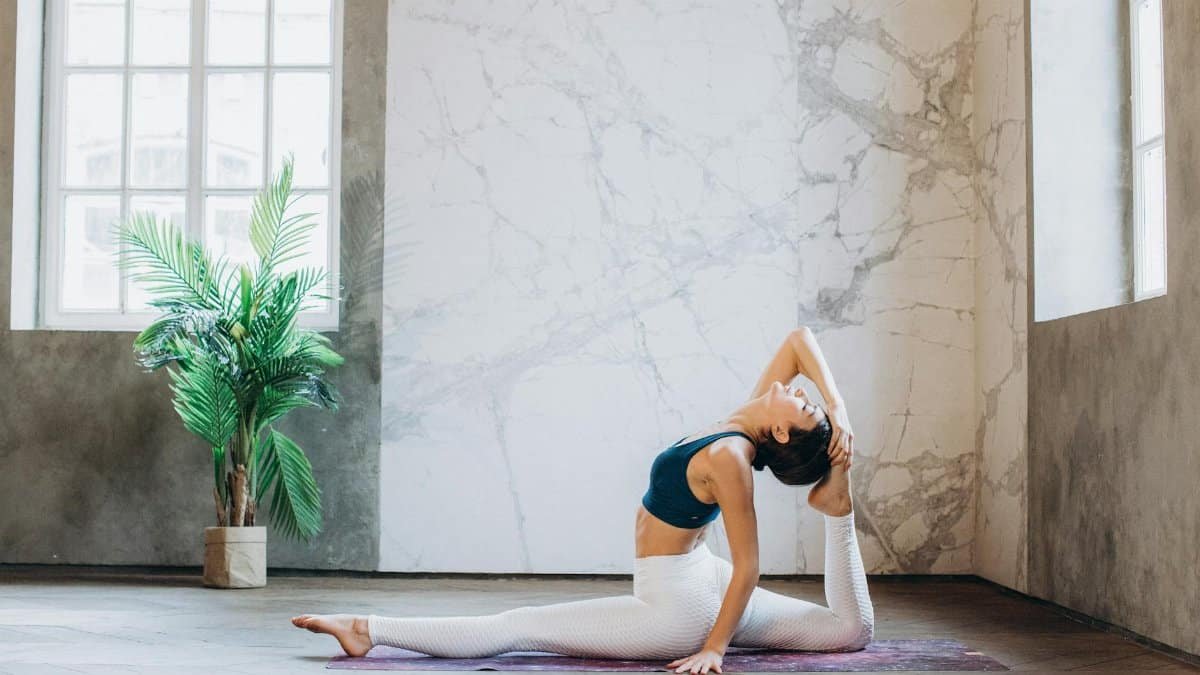
Progressive muscle relaxation involves tensing and releasing muscle groups to alleviate tension. This method is praised for its role in stress reduction. A study published in the Journal of Clinical Psychology confirms its benefits for anxiety. It’s gaining ground in supporting self-regulation techniques, especially in sleep-focused wellness routines.
7. Setting Boundaries

Setting personal boundaries prevents emotional overload. This technique involves saying no to excessive demands, preserving energy. Experts from the Mayo Clinic emphasize its importance for long-term wellbeing. In current trends, it’s vital for work-life balance amid remote work shifts.
8. Gratitude Practices

Gratitude practices shift focus to positives, fostering emotional stability. Daily lists of thankful items reframe perspectives. Harvard Health Publishing links this to improved mental health outcomes. It’s a subtle yet powerful addition to wellness trends, encouraging sustained positivity in everyday life.
9. Social Support Networks

Building social support networks provides outlets for emotional expression. Sharing with trusted friends regulates feelings effectively. Pew Research Center data indicates strong networks reduce isolation by 40%. As wellness evolves in 2025, this technique underscores community-driven approaches to self-regulation.
These nine techniques are reshaping how Americans tackle wellness, emphasizing proactive emotional management. With rising mental health awareness, integrating them could be a game-changer for personal growth.