
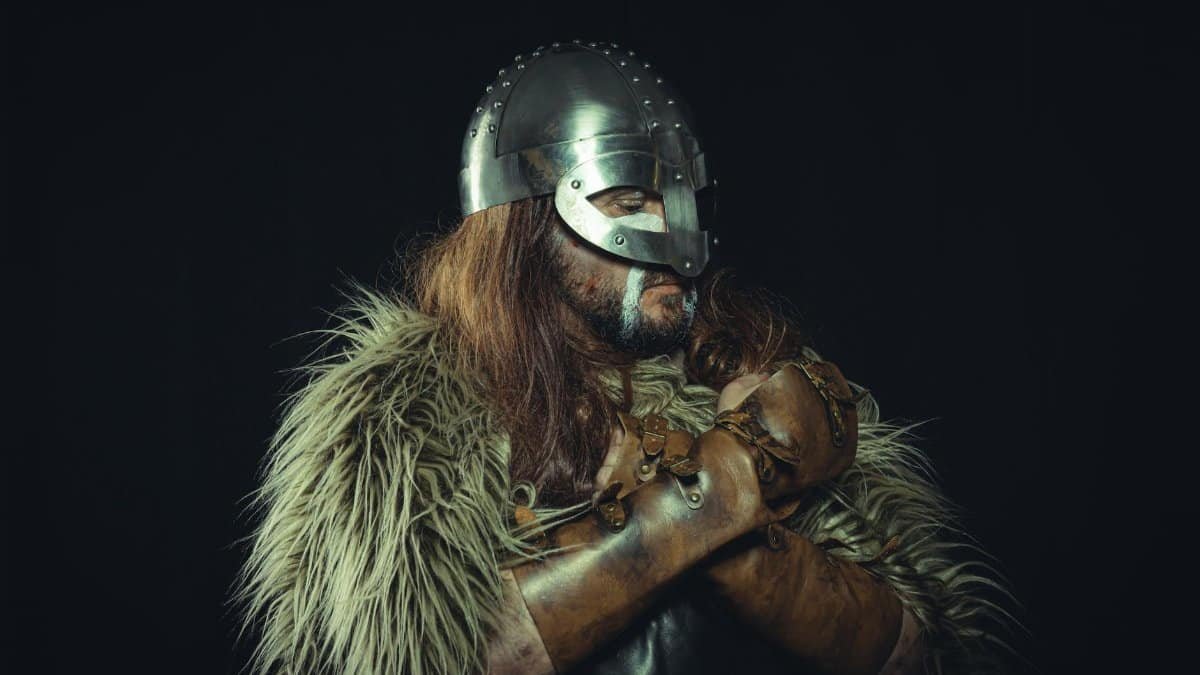
Simply put, courage rituals before battles are ceremonial practices warriors used to summon bravery and mental fortitude before facing combat. These rituals, spanning across ancient cultures, weren’t just superstition—they were psychological tools to prepare for life-or-death stakes. From chants to sacred dances, these acts forged unity and steeled nerves. They matter because they reveal how humans have long harnessed belief and tradition to overcome fear, a concept still relevant in modern contexts like military training or high-stress professions in 2025.
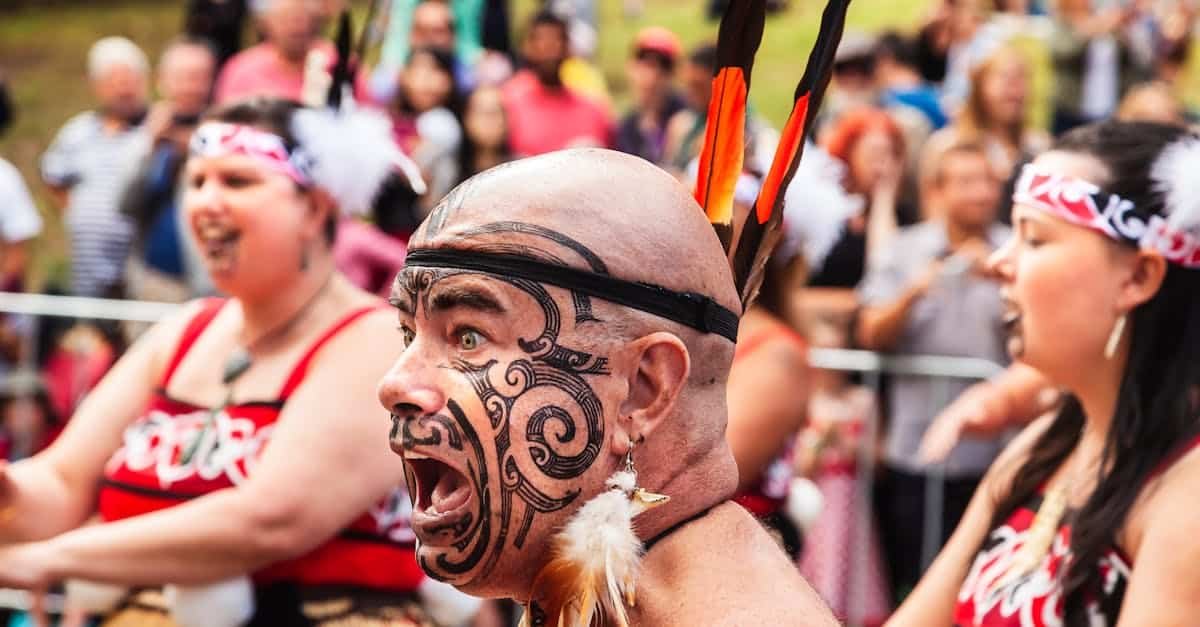
1. War Chants of the Maori
2. Viking Blood Oaths

Norse Vikings often swore blood oaths to their gods, like Odin, before battle. They’d cut their hands, mingle blood with comrades, and pledge victory or death. This grim ritual cemented loyalty and banished hesitation. Historical accounts indicate such acts created a “no turning back” mindset, crucial for chaotic skirmishes.
3. Spartan Sacrifices

Ancient Spartans offered animal sacrifices to Ares, the god of war, seeking divine favor. This wasn’t mere pageantry—ritual slaughter grounded them in purpose, reinforcing their identity as unbreakable warriors. Greek texts reveal these acts were mandatory before major campaigns like Thermopylae, ensuring every soldier felt spiritually armed.
4. Zulu Ancestral Invocations
In pre-battle South Africa, Zulu warriors called upon ancestral spirits through song and dance. They believed their forebears granted strength and protection. This ritual fostered a sense of invincibility, critical for facing colonial firepower. Anthropological records highlight how such spiritual connections reduced fear in combat.
5. Samurai Meditation
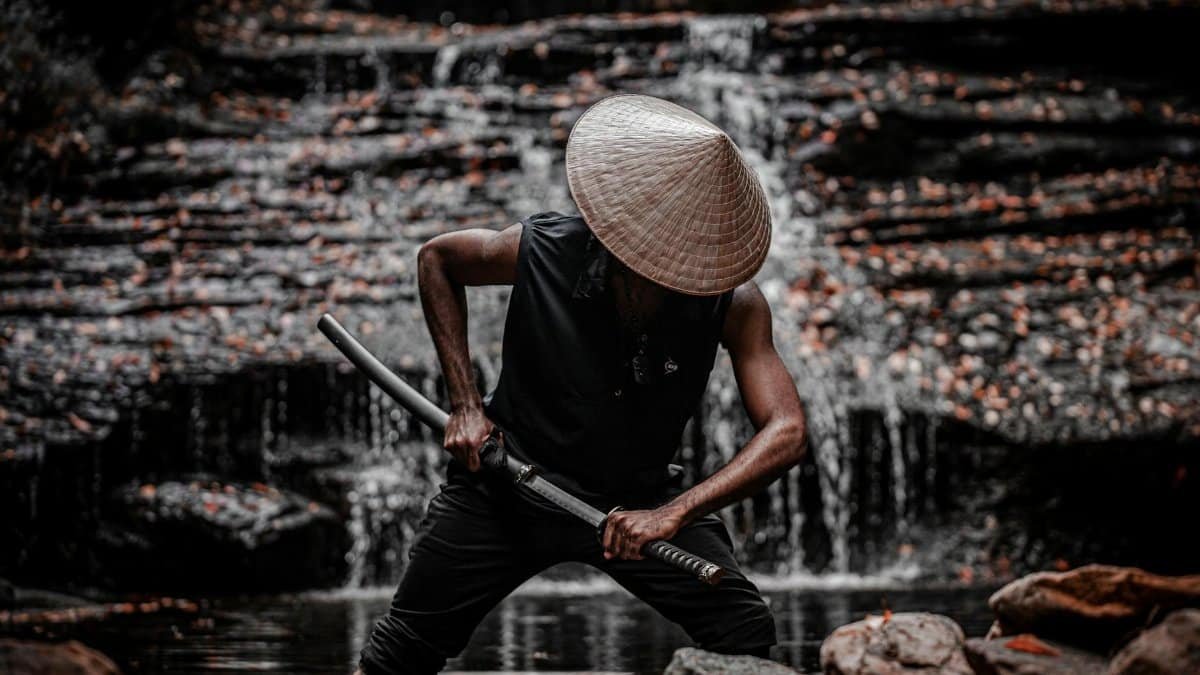
Japanese samurai embraced Zen meditation before duels or wars. Sitting in silence, they visualized death to accept it without fear. This mental conditioning, rooted in Bushido, made them lethal and fearless. Modern studies on mindfulness echo this, showing meditation lowers stress, per findings from the National Institutes of Health.
6. Roman Omen Readings
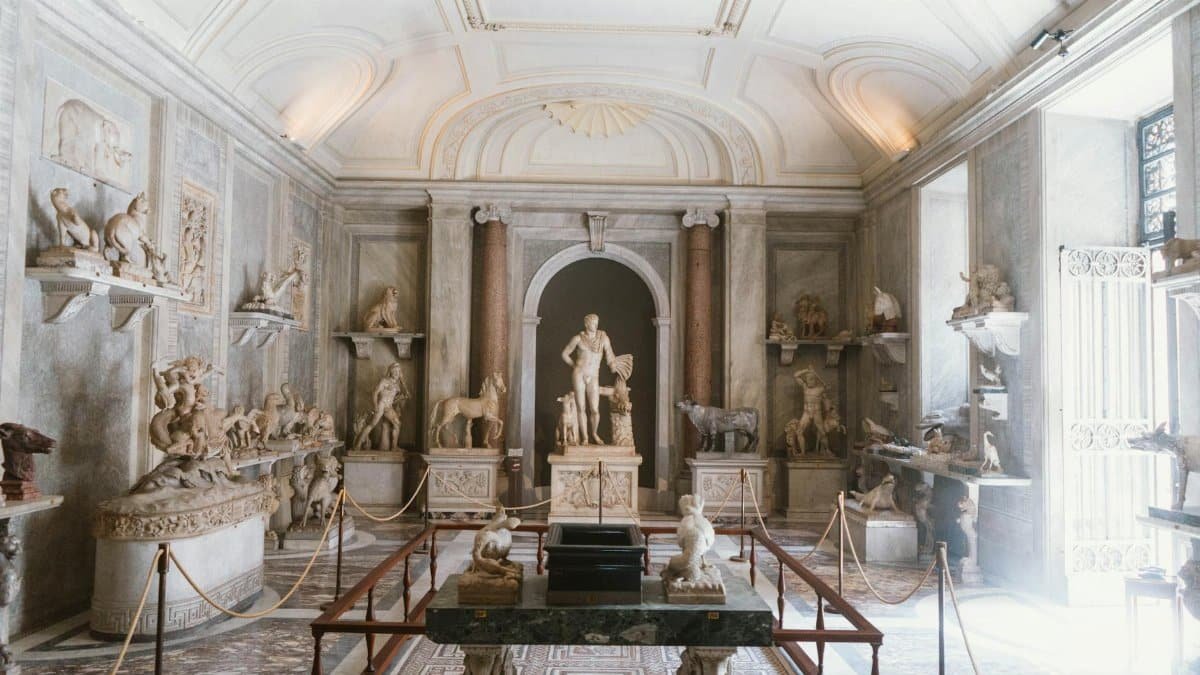
Roman legions relied on augurs to interpret omens—bird flights or animal entrails—before engaging enemies. A favorable sign meant the gods backed them, boosting morale. While it sounds arcane, this ritual gave soldiers confidence in uncertain times, a psychological edge in brutal campaigns.
7. Native American War Dances
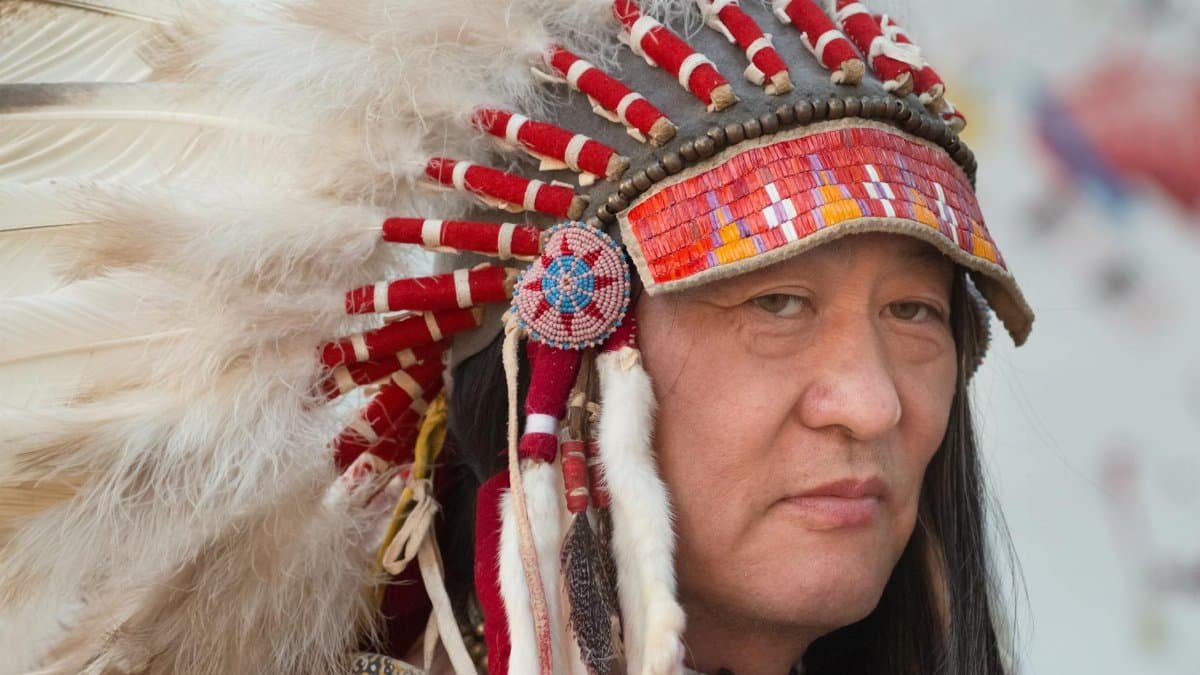
Many Native American tribes, like the Lakota, performed war dances to summon courage. Drumming and rhythmic steps mimicked battle, preparing mind and body. These dances often included visions or spiritual messages, reinforcing warriors’ resolve. Ethnographic studies note how communal rituals strengthened tribal bonds before conflict.
8. Celtic War Paint
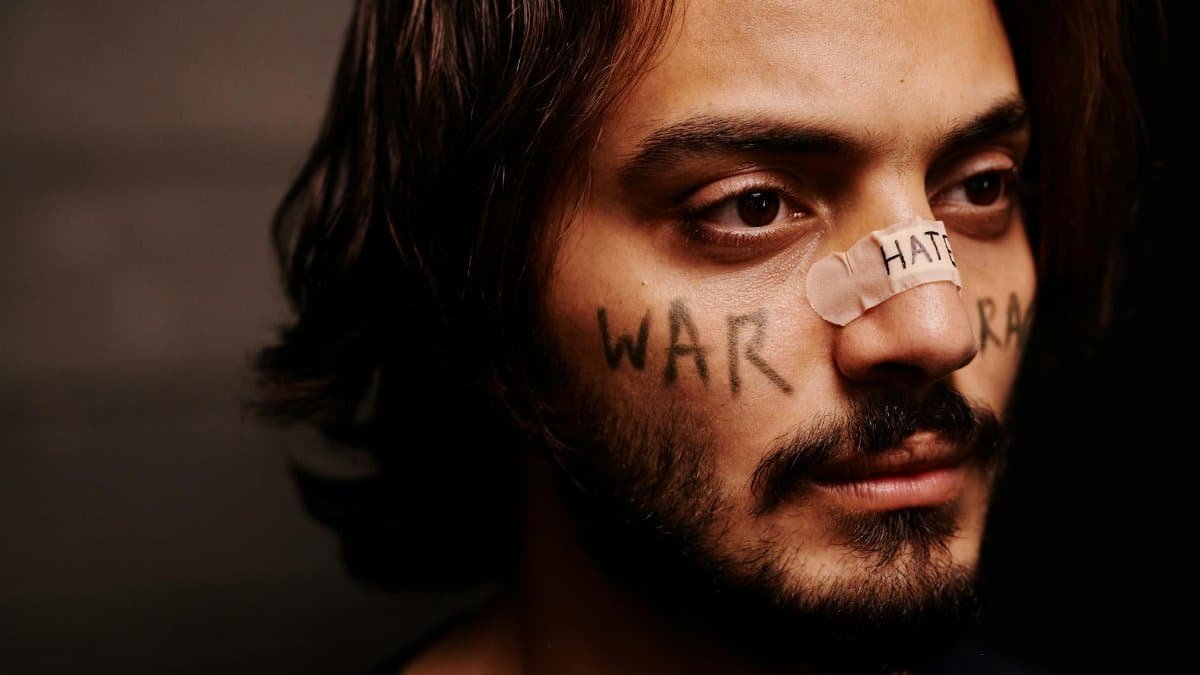
Celtic warriors painted their bodies with woad, a blue dye, believing it invoked supernatural power. This ritual transformed them into fearsome figures, scaring foes and emboldening themselves. Beyond aesthetics, the act of painting was a meditative focus, mentally locking them into battle mode.
9. Mongol Horse Rituals
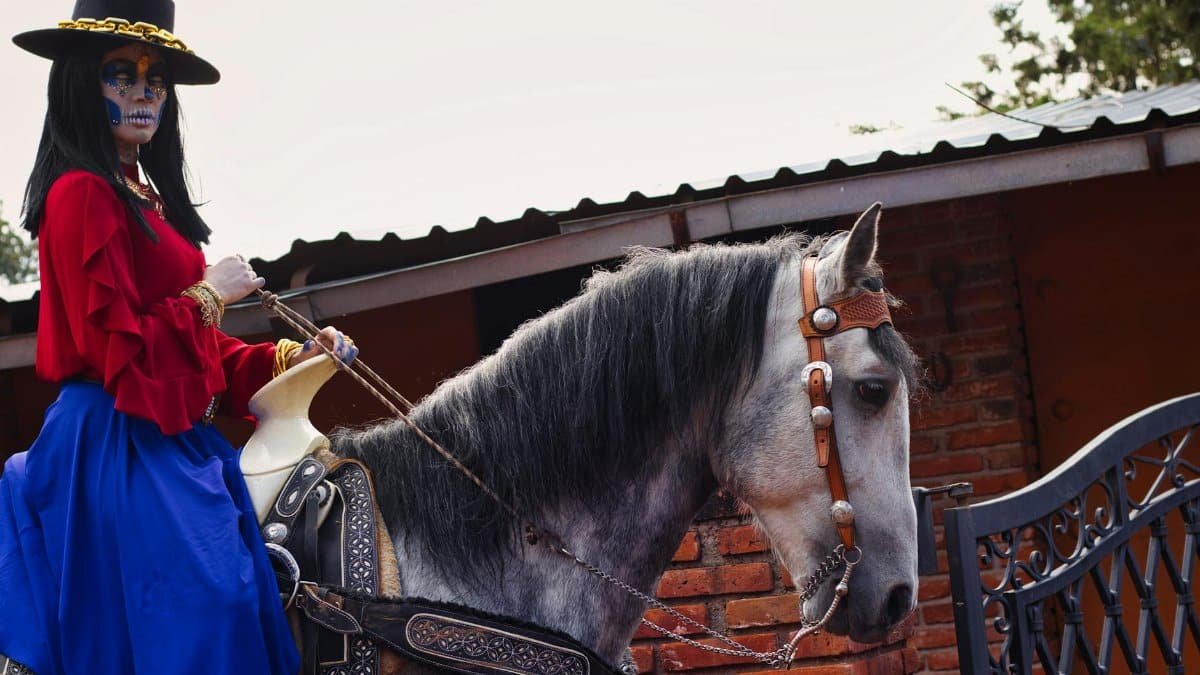
Mongol riders often sprinkled mare’s milk on their horses and drank kumis, fermented mare’s milk, as a pre-battle rite. This bonded them with their mounts, vital for their lightning-fast tactics. Historical texts suggest this ritual also honored their nomadic roots, grounding them in identity before conquest.
These courage rituals before battles, while diverse, share a common thread: they turned fear into fuel. Whether through spiritual belief, physical acts, or group solidarity, ancient warriors found ways to face the unthinkable. Even today, echoes of these practices linger in military traditions and personal coping mechanisms under pressure.