
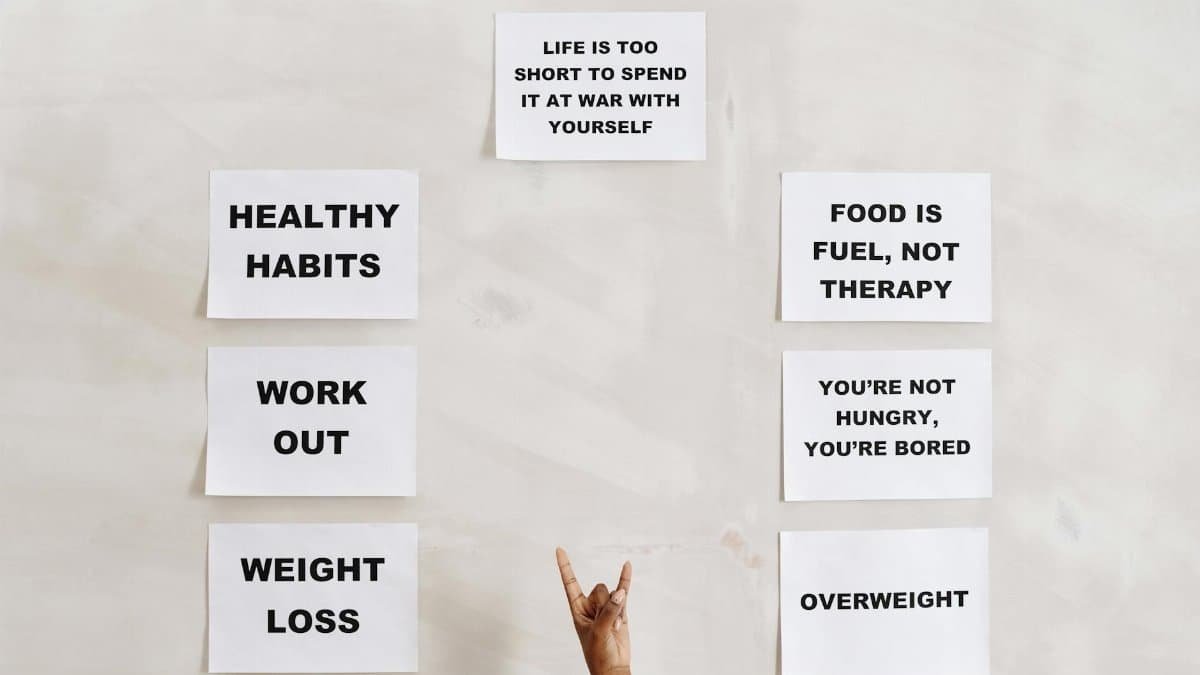
In a surprising twist, a 2023 survey by the American Psychological Association found that 62 percent of U.S. adults now prioritize stress reduction techniques in their daily lives, up from just 45 percent a decade ago. This shift underscores a growing embrace of quieter, more intentional ways of being. Amid the hustle of modern America, from bustling New York streets to suburban California backyards, people are turning to practices that foster balance across mind, body, and spirit. These living, holistic, habits aren’t about grand gestures. They’re subtle changes that ripple through everyday routines. Think of them as gentle anchors in a stormy sea of notifications and deadlines. As we step into 2025, this trend shows no signs of slowing. It reflects a collective yearning for calm amid chaos. Wellness experts note how such habits can transform overall health. They build resilience. They nurture connections. Ultimately, they redefine what it means to live fully.
1. Morning Silence Rituals

Starting the day without the immediate buzz of technology sets a tone of introspection. Many Americans now dedicate the first 15 minutes after waking to quiet reflection, perhaps sipping tea while watching the sunrise. This practice roots in ancient traditions but fits seamlessly into contemporary life. A study from Harvard Medical School highlights how such moments lower cortisol levels, promoting mental clarity throughout the day.Harvard Health Publishing explains the physiological benefits in detail. Imagine a busy parent in Chicago, pausing before the kids wake up. That brief silence becomes a sanctuary. It aligns with living, holistic, habits by integrating mindfulness into the mundane. Over time, it builds emotional reserves. People report feeling more grounded. Less reactive to stressors. The key is consistency, even if just for a few minutes.
Yet, not everyone finds it easy. Distractions lurk everywhere. One anonymous account shared online described the initial struggle: feeling antsy without a phone in hand. But persistence paid off, leading to deeper sleep and sharper focus. This habit isn’t about perfection. It’s about carving out space for the self amid daily demands.
2. Mindful Meal Preparation

What if cooking became a meditative act? Across the U.S., from Texas kitchens to Oregon farms, folks are slowing down meal prep to savor each chop and stir. This ties into living, holistic, habits by connecting food with presence. Research from the National Institutes of Health shows that mindful eating reduces overeating and enhances nutrient absorption.NIH on Mindfulness delves into how it supports overall well-being. Picture a middle-aged couple in Atlanta, chopping vegetables together in silence, letting aromas fill the air. No rush. Just the rhythm of knives on cutting boards. It fosters gratitude for sustenance. Strengthens bonds. In a world of fast food, this counters haste with intention. Benefits extend beyond the plate, easing digestion and mood.
Variety keeps it engaging. Sometimes, it’s solo. Other times, communal. The act transforms routine into ritual, weaving nutrition into spiritual health.
3. Digital Detox Evenings

Evenings without screens allow the mind to unwind naturally. In places like Seattle’s tech-heavy neighborhoods, professionals are logging off by 8 p.m. to read or journal instead. This habit disrupts the constant connectivity that drains energy. A Pew Research Center report notes that 81 percent of Americans feel overwhelmed by digital demands, making detoxes essential for balance.Pew Research on Digital Life provides broader context on tech’s impact. Envision a teacher in Florida, dimming lights and picking up a novel. The quiet hours restore focus. They align with living, holistic, habits by reclaiming time for inner peace. Sleep improves. Creativity sparks. It’s a rebellion against the glow of devices, prioritizing human rhythms over algorithms.
Challenges arise, like the pull of one last email. But setting boundaries pays dividends, leading to refreshed mornings and deeper connections offline.
4. Nature Immersion Walks
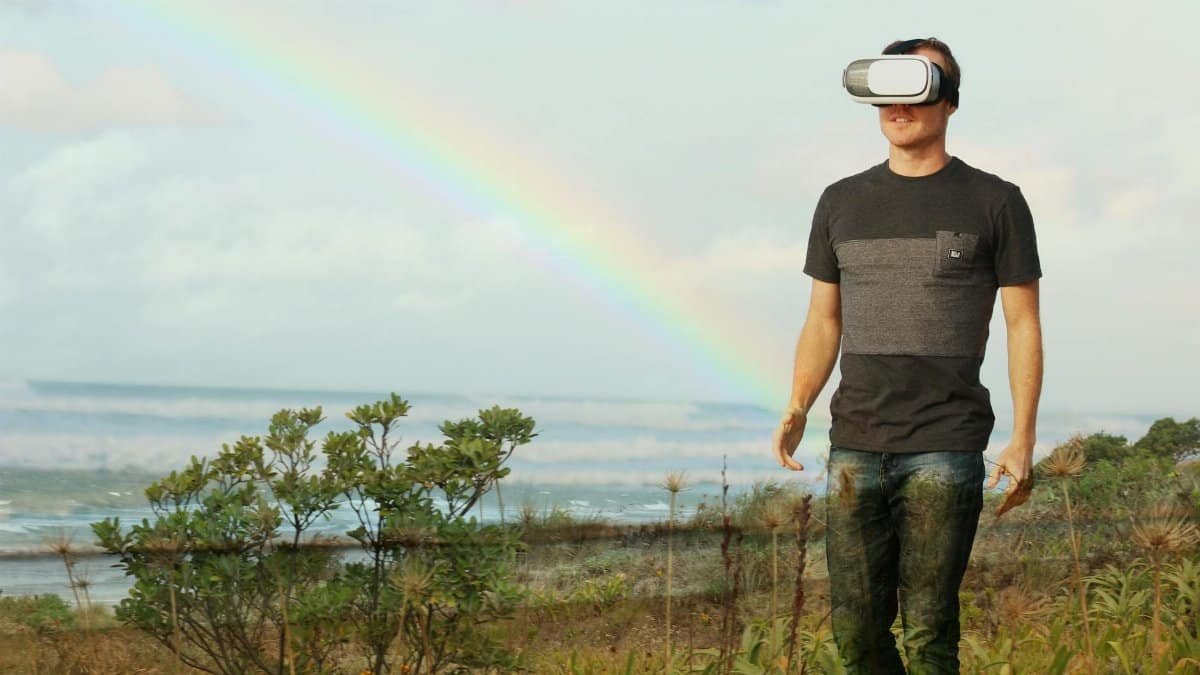
Stepping into green spaces daily isn’t just exercise; it’s soul nourishment. Urban dwellers in cities like Philadelphia are making forest bathing a habit, inspired by Japanese shinrin-yoku. The CDC reports that regular nature exposure lowers blood pressure and boosts immune function.CDC on Physical Activity Benefits outlines these advantages. Consider a retiree in the Midwest, wandering local trails, leaves crunching underfoot. Birds chirp. Wind whispers. This practice embodies living, holistic, habits, merging physical movement with environmental harmony. It combats isolation. Sparks wonder. In 2025, with climate awareness rising, such walks also foster eco-conscious mindsets. They’re accessible, requiring only comfortable shoes and an open heart.
Not every day allows for long outings. Even a park bench session counts. The essence is presence, letting nature heal from within.
5. Gratitude Journaling

Ending the day by noting three things you’re thankful for shifts perspective. This simple act, popular among wellness communities in California, counters negativity bias. Studies from the University of California, Davis, link it to improved mental health and relationships.UC Davis on Gratitude explores the science. Imagine a nurse in Boston, scribbling notes after a long shift: a kind word from a patient, a warm meal. It builds resilience. Aligns with living, holistic, habits by nurturing emotional well-being. Over weeks, patterns emerge. Joy amplifies. It’s not about ignoring hardships but balancing them with positivity.
Some vary it with voice memos. The ritual matters more than the method, turning reflection into a cornerstone of holistic life.
6. Breathwork Breaks
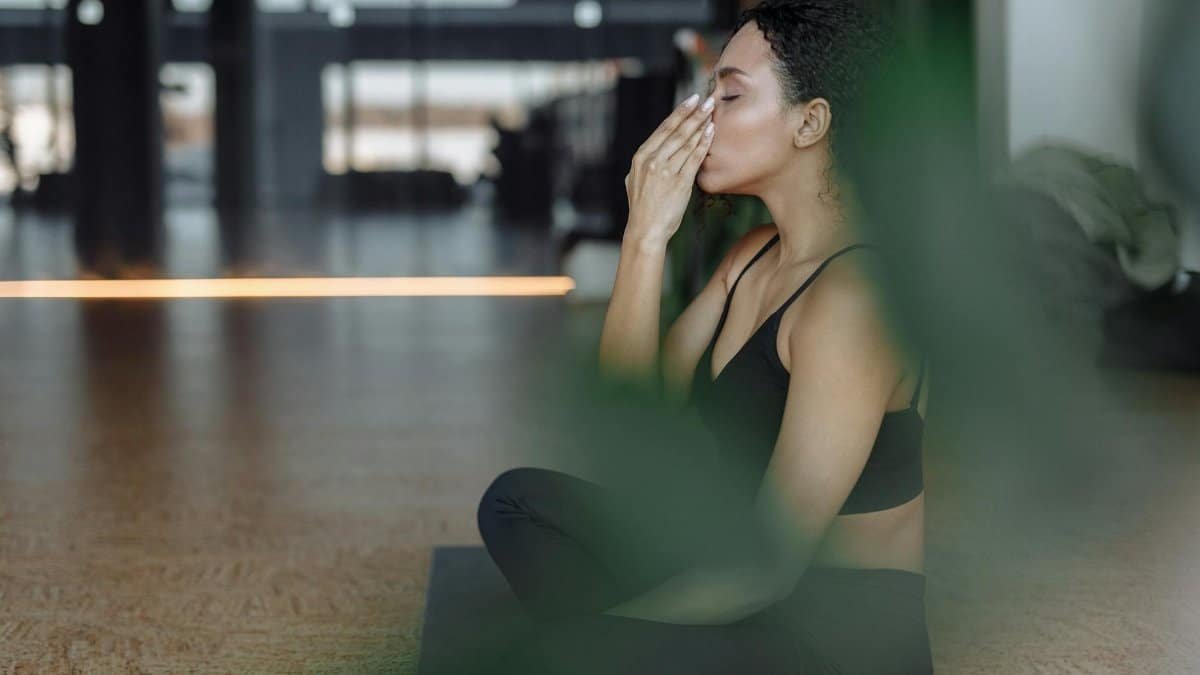
Pausing for deep breaths amid chaos recalibrates the nervous system. Office workers in Manhattan are incorporating five-minute sessions, drawing from yoga traditions. The NIH emphasizes how controlled breathing reduces anxiety and enhances focus.NIH on Stress and Health connects it to broader wellness. Visualize a freelancer in Denver, inhaling slowly during a deadline crunch. Tension eases. Clarity returns. This habit exemplifies living, holistic, habits, linking breath to bodily harmony. It’s portable. Effective anywhere. In 2025, apps make it easier, but the core is innate. No tools needed.
Experimentation helps. Box breathing or alternate nostril techniques add depth, making breaks a personalized retreat.
7. Simplified Spaces

Decluttering living areas promotes mental clarity. Inspired by minimalism trends in the Pacific Northwest, people are paring down possessions. A report from the Journal of Environmental Psychology indicates that orderly environments reduce stress.Journal of Environmental Psychology hosts related studies. Think of a family in Texas, donating unused items, creating room to breathe. Light filters in. Calm settles. This supports living, holistic, habits by aligning surroundings with inner peace. Energy flows freely. Productivity rises. It’s a quiet revolution against consumerism.
Start small: one drawer at a time. The process itself becomes therapeutic, revealing what truly matters.
8. Herbal Tea Evenings
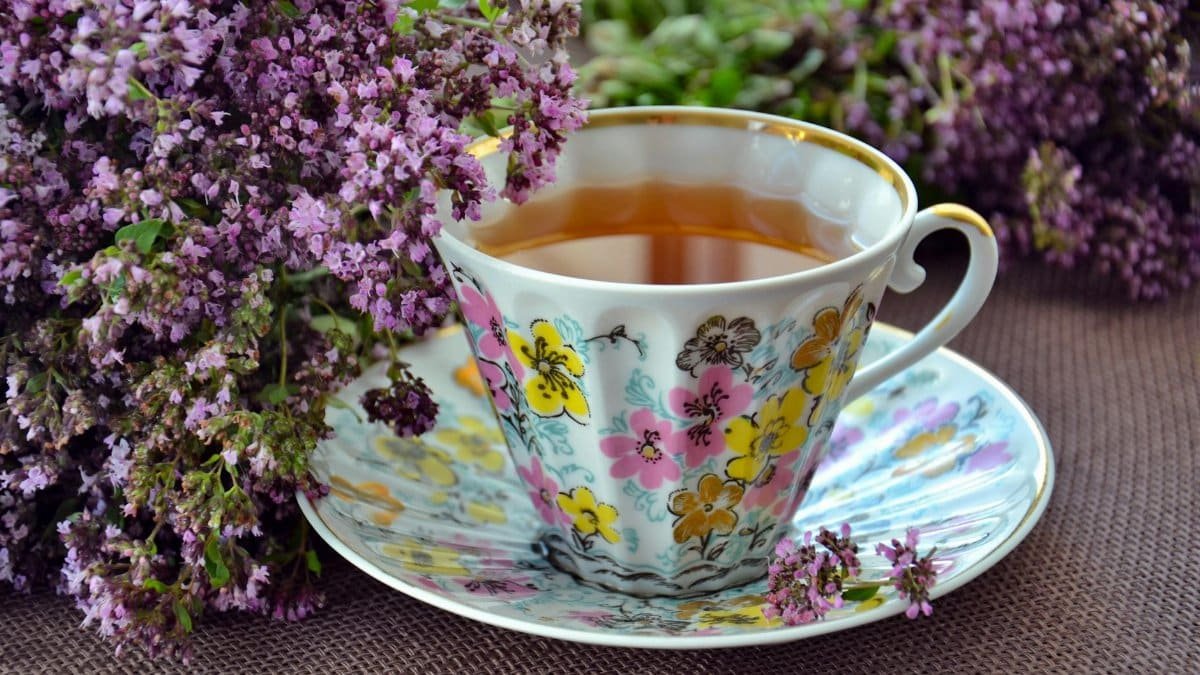
Swapping caffeine for calming infusions winds down the body gently. In herbal hotspots like Vermont, evenings feature chamomile or lavender blends. The Mayo Clinic notes herbs’ role in sleep and relaxation.Mayo Clinic on Herbal Supplements provides evidence-based insights. Envision a writer in New Mexico, steaming mug in hand, savoring floral notes. Muscles relax. Thoughts quiet. It embodies living, holistic, habits, using nature’s gifts for balance. Socially, it invites conversation without stimulation. In winter 2025, it’s a cozy ritual against the chill.
Blending your own adds creativity. Listen to your body’s cues for the right mix.
9. Reflective Reading Time

Dedicating time to books that inspire growth fosters ongoing learning. Libraries in the South are seeing upticks in self-help checkouts. A study from Yale University links reading to empathy and stress reduction.Yale on Reading Benefits details longevity perks. Picture an entrepreneur in Miami, curled up with a philosophy tome, ideas sparking. Questions arise. Insights deepen. This habit rounds out living, holistic, habits by stimulating the intellect alongside the spirit. It encourages curiosity. Builds wisdom. As 2025 unfolds, with information overload, selective reading becomes vital.
Choose texts that resonate. Discuss them with friends for added layers. The journey is as rewarding as the knowledge gained.