
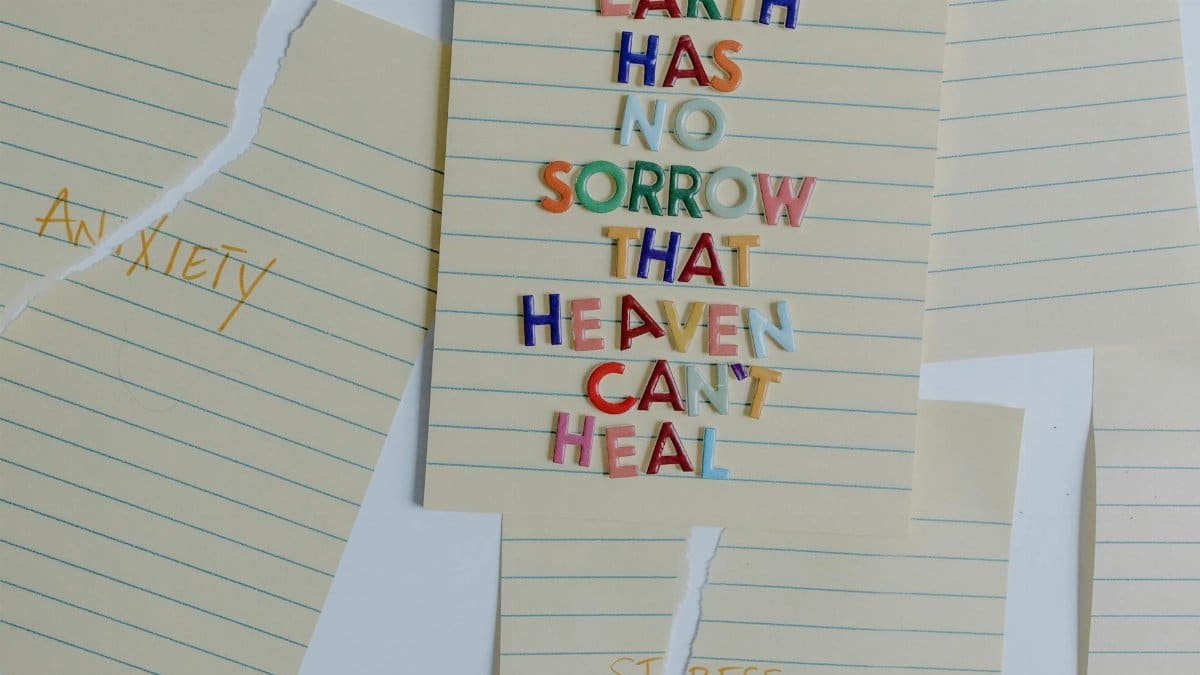
A recent study from the National Institutes of Health revealed that nearly 40% of Americans report experiencing symptoms of emotional exhaustion in the past year, a spike attributed to ongoing societal pressures and work-life imbalances. This figure, up from previous decades, underscores a growing awareness of the need for intentional recovery spaces. As we navigate 2025, more people are seeking out environments that facilitate the healing phase, emotional exhaustion, recovery—those quiet corners where the mind can reset and the spirit recharge. It’s not just about escaping the daily grind; it’s about finding places that actively nurture well-being, drawing from nature, community, or even solitude. These spots aren’t always grand or far-flung; sometimes, they’re right in our backyards, offering subtle support for rebuilding inner strength.
1. Forest Trails and Woodland Paths
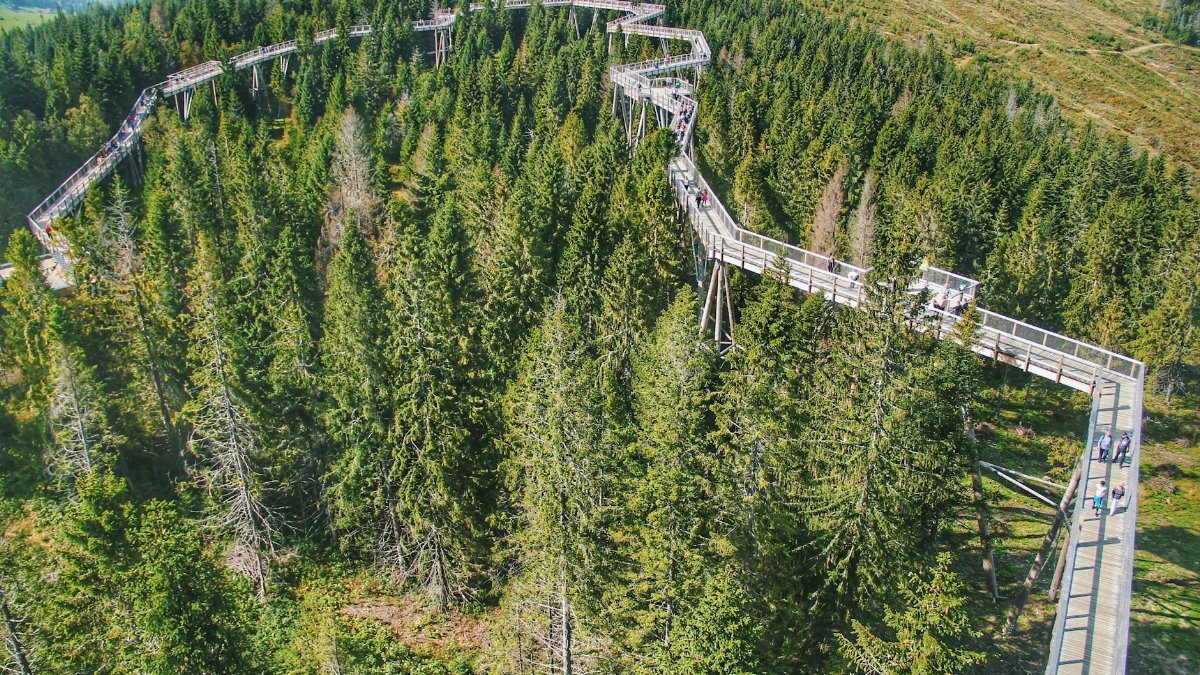
Deep in the woods, the air feels different—crisper, laced with the scent of pine and earth. For many grappling with emotional exhaustion, these natural corridors provide a primal form of solace. Walking among towering trees, one might feel the weight of daily stresses lifting, replaced by a rhythmic calm that aligns with the body’s own healing phase. Research from the U.S. Forest Service highlights how forest bathing, a practice rooted in Japanese tradition but gaining traction in the U.S., can lower cortisol levels and boost mood. Imagine a hiker pausing by a stream, the water’s murmur drowning out mental noise. It’s not magic; it’s biology at work, fostering recovery through immersion in greenery.
Yet, not every trail tells a straightforward story of renewal. Some visitors arrive burdened, their steps heavy with unresolved fatigue. One anonymous account shared publicly online described emerging from a foggy morning hike feeling “like the trees had absorbed my worries,” a sentiment echoing broader trends in nature-based therapy. In 2025, with urban sprawl encroaching, preserving these paths becomes crucial for collective emotional health.
2. Coastal Beaches at Dawn

Picture the ocean’s edge just as the sun crests the horizon, waves lapping gently against the sand. Beaches like those along California’s Big Sur or Florida’s Gulf Coast serve as open-air sanctuaries for those in the throes of recovery. The vastness of the sea mirrors the expansiveness needed to process emotional exhaustion, allowing thoughts to ebb and flow without constraint. Studies from the National Center for Biotechnology Information suggest that proximity to water enhances feelings of tranquility and reduces anxiety.
A woman stands barefoot, letting the tide wash over her feet. She came here after a grueling year of caregiving, seeking the healing phase where exhaustion gives way to clarity. Such moments aren’t scripted; they unfold organically, blending solitude with the subtle company of seabirds. As climate change alters coastlines, these spots remind us of nature’s enduring role in human restoration.
3. Mountain Retreats and High Altitudes
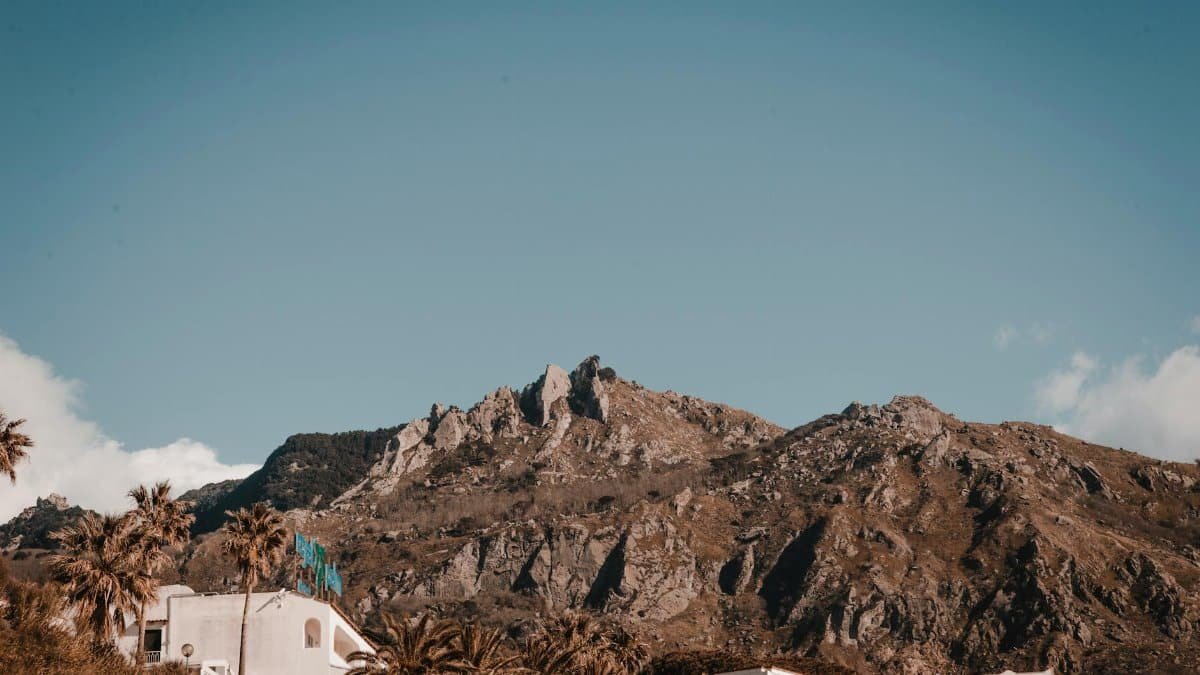
Up in the Rockies or the Appalachians, elevation brings a literal and figurative lift. These high places draw those weary from urban clamor, offering vistas that put personal struggles into perspective. The thin air demands slower breaths, mirroring the deliberate pace required for emotional recovery. A report by the Pew Research Center notes a surge in outdoor activities post-pandemic, with mountains symbolizing resilience.
Consider a group of friends ascending a trail, sharing stories of burnout around a campfire. One reflects on how the stark beauty stripped away illusions, kickstarting their healing phase. Emotional exhaustion, recovery isn’t linear here—slips and summits alternate—but the environment encourages persistence. In an era of digital overload, these retreats reconnect us to something elemental.
4. Quiet Home Corners Transformed
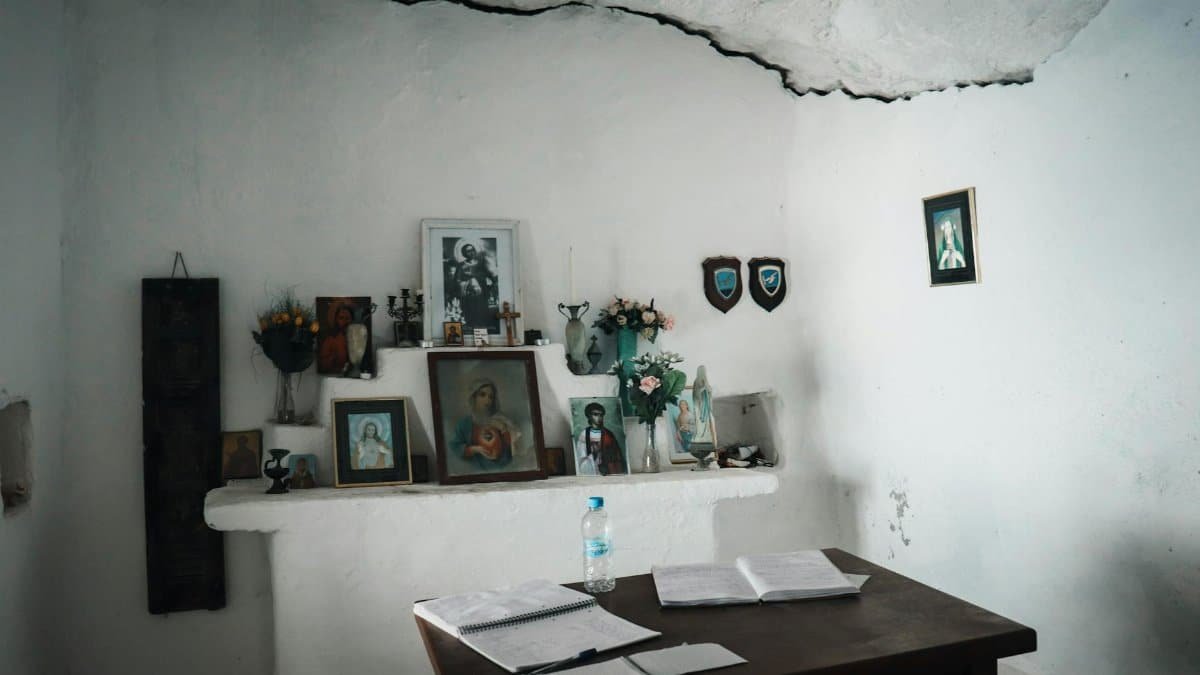
Not every healing spot requires travel; sometimes, it’s a nook in your own living room, bathed in soft light from a nearby window. Americans are increasingly curating personal sanctuaries at home, adding plants, cushions, or dim lamps to foster introspection. This DIY approach aligns with the healing phase, emotional exhaustion, recovery by making restoration accessible amid busy schedules. Insights from the American Psychological Association emphasize how personalized environments aid in stress reduction.
A man rearranges his bookshelf, creating a reading alcove after a career setback. He sinks into a chair, book in hand, feeling exhaustion melt into quiet resolve. Such transformations highlight resourcefulness, turning ordinary spaces into havens. As remote work blurs boundaries in 2025, these home-based refuges grow ever more vital.
5. Community Gardens in Urban Settings
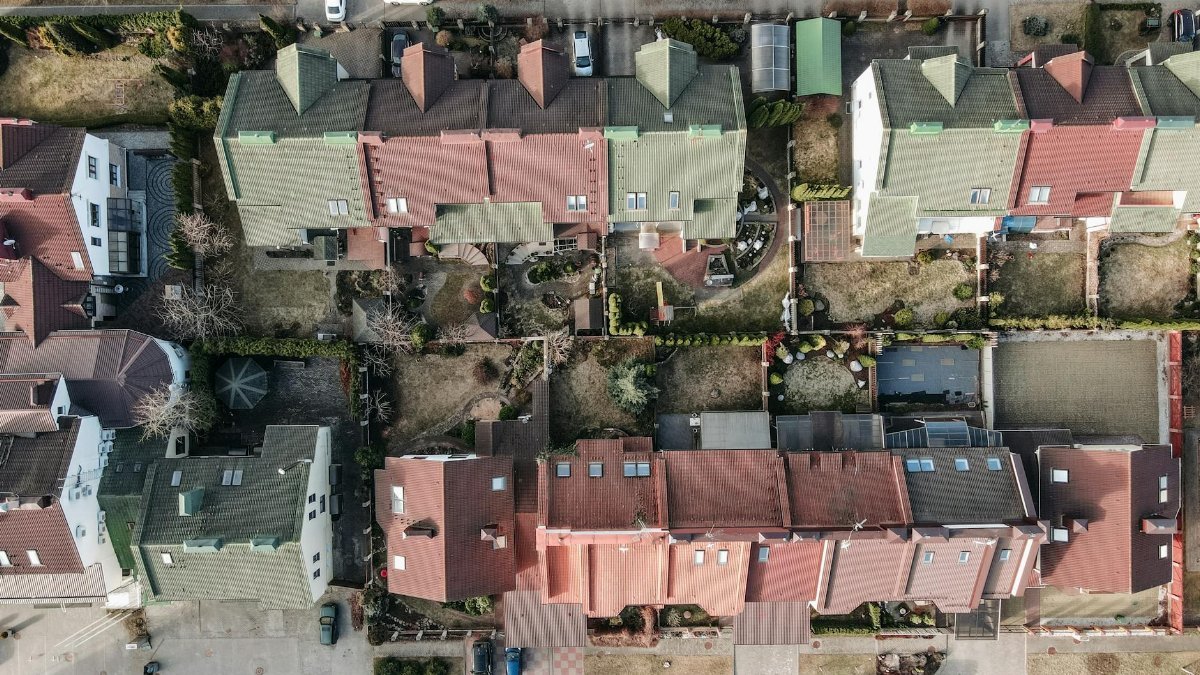
Amid city concrete, community gardens bloom as unexpected oases. Places like New York City’s community plots or Chicago’s rooftop greenspaces invite hands-on engagement, where digging soil and tending plants ground the mind. This tactile interaction combats emotional exhaustion by channeling energy into growth, literally and metaphorically. Data from the Centers for Disease Control and Prevention links gardening to improved mental health outcomes.
Volunteers gather, sharing laughs over weeding. One newcomer, fresh from a draining job, finds solace in the cycle of planting and harvesting, marking their recovery’s turning point. These gardens build community ties, softening isolation’s edge. In diverse neighborhoods, they embody inclusive healing.
6. Libraries as Silent Refuges

Step into a public library, and the hush envelops you like a blanket. From Boston’s historic halls to Seattle’s modern stacks, these institutions offer more than books—they provide a pause button for overwhelmed souls. Surrounded by stories, one can lose themselves in pages, easing into the healing phase without external demands. A study summarized by the American Library Association shows libraries’ role in community well-being.
An elderly reader settles in a corner armchair, escaping familial strains through fiction. The quiet hours accumulate, rebuilding her emotional reserves. Libraries democratize recovery, open to all, fostering a subtle but profound shift from exhaustion to empowerment.
7. Yoga Studios and Mindful Spaces

In dimly lit studios across Los Angeles or Austin, mats unroll for sessions that blend movement with meditation. Yoga addresses emotional exhaustion head-on, using breath and poses to release pent-up tension. Practitioners often describe a post-class glow, signaling the start of recovery. Evidence from the Yoga Alliance supports its benefits for stress management.
A beginner joins a class, initially awkward but soon flowing with the group. “It was like exhaling a year’s worth of worry,” she later shares anonymously. These spaces cultivate presence, essential for navigating the healing phase, emotional exhaustion, recovery in a distracted world.
8. Art Galleries and Creative Hubs

Wandering through galleries in Miami’s Wynwood or San Francisco’s districts, colors and forms provoke introspection. Art engages the senses, pulling individuals out of exhaustion’s fog into creative flow. Viewing or creating art can rewire thought patterns, aiding recovery. The National Endowment for the Arts documents how cultural engagement boosts emotional resilience.
A visitor stands before a abstract painting, tears welling as it mirrors her inner turmoil. This encounter sparks a personal breakthrough, turning passive observation into active healing. Galleries remind us that beauty often emerges from chaos.
9. Spiritual Retreat Centers
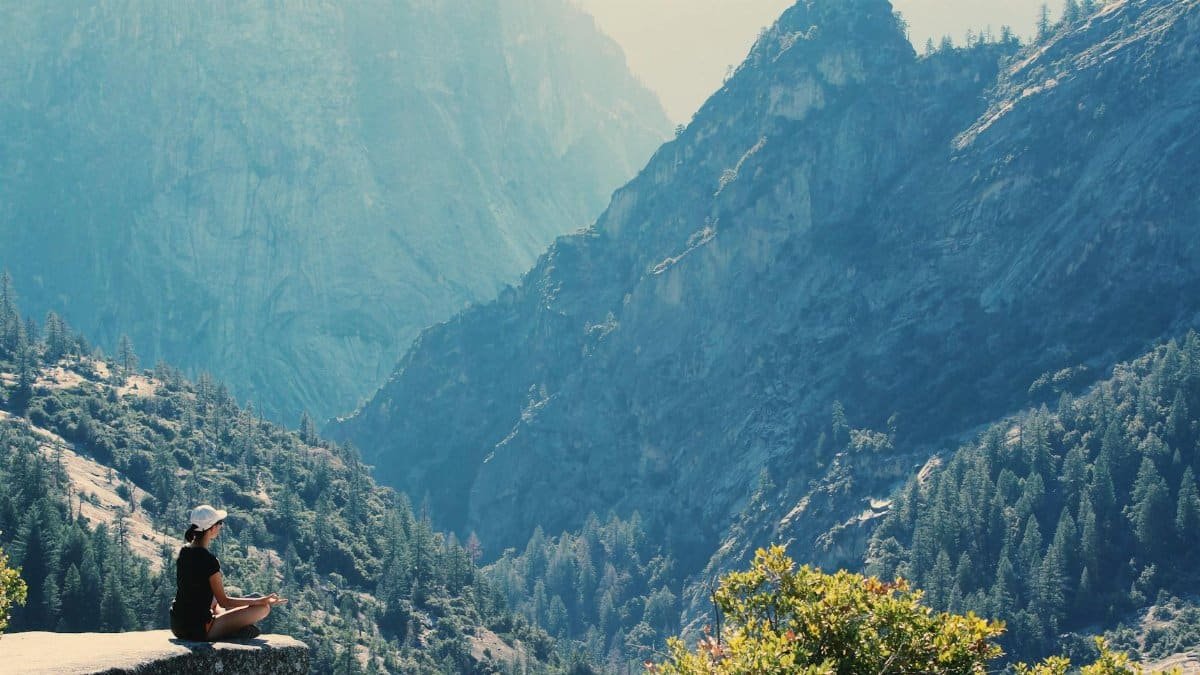
From Sedona’s red rocks to New England’s serene centers, spiritual retreats offer structured escapes for deep reflection. These places facilitate communal or solitary practices, addressing the core of emotional exhaustion through mindfulness or faith-based activities. A overview from the National Institutes of Health indicates mindfulness retreats reduce burnout symptoms.
Participants meditate in silence, one emerging with renewed purpose after confronting long-held fatigue. Such centers provide tools for sustained recovery, blending ancient wisdom with modern needs. As 2025 unfolds, they stand as beacons for those seeking profound transformation in the healing phase, emotional exhaustion, recovery.