

In a world that often demands constant hustle, it’s no surprise that emotional exhaustion has become a widespread issue. A recent study from the American Psychological Association revealed that nearly 60% of U.S. adults report feeling overwhelmed by stress, up from 44% just a few years ago. This surge highlights a growing need for spaces that foster the healing phase, emotional exhaustion, recovery. People are seeking out environments where they can pause, reflect, and rebuild. These aren’t just escapes; they’re intentional spots that support mental and emotional restoration. From quiet natural retreats to community hubs, such places offer a counterbalance to daily pressures. As we navigate 2025, understanding these supportive locations can make all the difference in reclaiming balance.
1. Forest Trails Amid Ancient Trees

Deep in the woods, where sunlight filters through a canopy of leaves, healing begins with each step. Forests provide a natural antidote to emotional exhaustion, allowing the mind to unwind amid rustling branches and earthy scents. Researchers have long noted how time in nature reduces cortisol levels, the hormone tied to stress. One study from the University of Michigan found that just 20 minutes in a green space can significantly lower feelings of burnout.
Imagine a hiker pausing by a stream, the water’s gentle flow mirroring their slowing thoughts. This isn’t mere escapism; it’s a deliberate reset. In places like Washington’s Olympic National Park, visitors report a profound sense of renewal. Yet, not everyone accesses these spots easily—urban dwellers might improvise with local parks. The key lies in immersion, letting the forest’s quiet rhythm guide recovery.
Challenges arise when trails feel overcrowded, diluting the solitude. Still, the benefits persist, fostering resilience. As one anonymous online account shared, feeling the ground underfoot after months of desk-bound fatigue brought unexpected tears of relief. It’s these moments that underscore forests’ role in the healing phase.
2. Secluded Beaches at Dawn

What draws people to the shore during emotional recovery? It’s the vastness of the ocean, a reminder that personal struggles are but waves in a larger sea. Beaches offer sensory therapy: the crash of waves, the grit of sand, the salty air. A report from the National Center for Biotechnology Information links coastal environments to improved mood and reduced anxiety.
Picture a solitary figure walking barefoot as the sun rises, leaving footprints that the tide soon erases. This ritual symbolizes letting go. In areas like California’s Big Sur, such scenes play out daily, helping individuals process exhaustion. But accessibility varies; not all beaches are wheelchair-friendly, prompting calls for inclusive design.
Recovery here isn’t passive. Some journal by the water, turning introspection into action. Tensions emerge when commercialization encroaches, yet the core appeal endures. For many, this setting marks a turning point in their healing phase, emotional exhaustion, recovery journey.
3. Mountain Retreats with Panoramic Views

High altitudes bring clarity, both literal and metaphorical. Mountains challenge the body while soothing the spirit, making them ideal for those in the throes of emotional exhaustion. The effort of climbing parallels the work of recovery, building endurance step by step. Data from the U.S. Forest Service shows outdoor activities in mountainous areas enhance well-being.
One might recall a group of friends summiting a peak in Colorado’s Rockies, sharing stories of burnout around a campfire. Laughter echoes, bonds strengthen. These experiences aren’t without risks—weather can turn quickly—but preparation turns potential pitfalls into growth opportunities.
Diving deeper, mountains teach acceptance of limits. A brief anecdote: someone exhausted from corporate life found solace in a quiet cabin, watching clouds drift. It wasn’t instant healing, but a gradual unfolding. In 2025, with remote work enabling more escapes, these retreats are gaining popularity for sustained recovery.
4. Cozy Home Sanctuaries

Sometimes, healing starts right at home. Transforming a personal space into a sanctuary offers control amid chaos, crucial for emotional exhaustion recovery. Soft lighting, plants, and comfortable nooks create a haven. The American Psychological Association emphasizes how personalized environments aid mental health.
Consider a middle-aged professional redesigning their bedroom after a divorce, adding bookshelves and a meditation corner. Mornings become rituals of tea and reflection. This approach democratizes healing—no travel required. Yet, it demands discipline to maintain boundaries, especially in shared households.
Nuance appears in blending functionality with serenity. Online discussions reveal how small changes, like decluttering, spark big shifts. One person described the relief of a clutter-free space as “breathing room for the soul.” It’s a reminder that recovery often blooms in familiar settings.
5. Community Gardens in Urban Oases

Amid city bustle, community gardens emerge as green refuges for healing. Tending soil connects individuals to cycles of growth, mirroring personal recovery from emotional exhaustion. These spaces foster social ties without overwhelming demands. A study by the National Library of Medicine highlights gardening’s role in stress reduction.
Envision neighbors chatting over tomato plants in a Brooklyn plot, sharing tips and burdens alike. Laughter mixes with the scent of fresh herbs. Barriers exist, like limited plots in dense areas, but waiting lists reflect demand.
Exploration reveals deeper impacts: gardens teach patience, as seeds don’t sprout overnight. This parallels the healing phase, where progress feels slow. In 2025, urban planning increasingly incorporates these spots, recognizing their value in collective well-being.
6. Quiet Libraries with Hidden Nooks

Libraries aren’t just for books; they’re sanctuaries of silence, perfect for introspection during recovery. Surrounded by stories, one finds parallels to their own narrative of emotional exhaustion. The hush encourages deep thought without distraction. Pew Research notes libraries’ evolving role in community health support.
A visitor might settle into an alcove with a novel on resilience, pages turning slowly as insights emerge. This solitude contrasts with digital noise, offering true pause. Challenges include modern libraries’ busier atmospheres, yet dedicated quiet zones persist.
Storytelling weaves in: an anonymized tale of someone rediscovering joy through poetry readings after burnout. It wasn’t linear—doubts crept in—but persistence paid off. Libraries thus serve as accessible bridges in the healing phase, emotional exhaustion, recovery.
7. Wellness Spas in Serene Settings
Spas provide structured relaxation, targeting both body and mind in exhaustion’s aftermath. Massages and saunas release tension, facilitating emotional release. Industry reports from the Global Wellness Institute indicate rising demand for such therapies in the U.S.
Think of a day spent in steam rooms and herbal teas at a New Mexico retreat, conversations flowing gently with fellow seekers. Vulnerability surfaces, connections form. Cost can be prohibitive, sparking debates on equity in wellness access.
Yet, the investment often yields lasting tools for self-care. One reflective account: emerging from a session feeling “unburdened, like shedding an old skin.” In this way, spas accelerate the recovery process, blending luxury with necessity.
8. Art Studios Filled with Creative Energy

Creativity heals by channeling emotions into expression. Art studios offer tools and community for those navigating emotional exhaustion. Painting or sculpting externalizes inner turmoil. The National Endowment for the Arts links arts participation to improved mental health.
A group class in Chicago sees participants splash colors, laughter breaking through initial hesitance. It’s messy, imperfect—like recovery itself. Space constraints in smaller studios pose issues, but online alternatives expand reach.
Delving into complexity, art reveals hidden strengths. An online-shared experience described how doodling evolved into a therapeutic habit, easing exhaustion’s grip. Studios thus ignite the spark for ongoing healing.
9. Spiritual Centers for Mindful Reflection

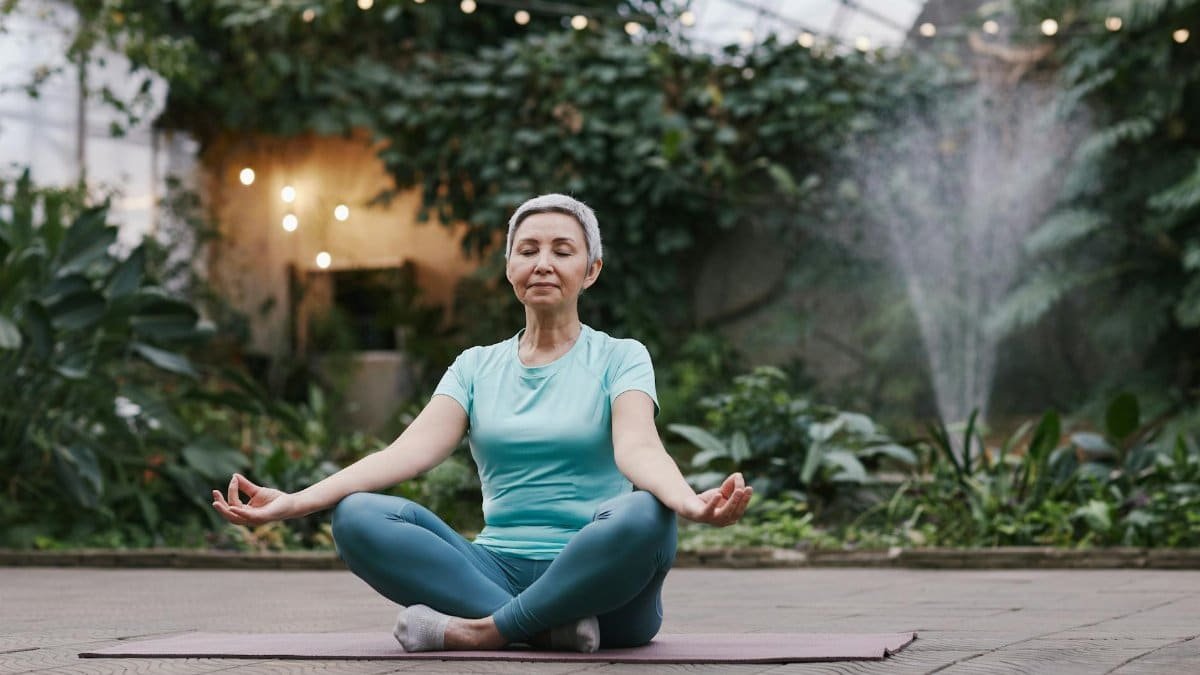
Spiritual centers, from meditation halls to retreats, provide frameworks for inner peace. They address exhaustion through practices like yoga or prayer, grounding the spirit. A Mayo Clinic overview affirms meditation’s benefits for stress management.
Participants gather in a Vermont center, sitting in silence as thoughts settle. Doubts arise—is this escapism?—but guidance helps navigate. Diversity in approaches ensures broad appeal, though secular options grow for non-religious seekers.
Ultimately, these centers foster community and solitude in balance. Reflecting on 2025 trends, they’re pivotal in the healing phase, emotional exhaustion, recovery, helping individuals emerge stronger.