

In a 2023 survey by the American Psychological Association, nearly 60 percent of adults reported feeling overwhelmed by stress, with many citing emotional exhaustion as a key factor in their daily lives. That’s up from previous years, signaling a quiet crisis in how we cope. As we navigate 2025, more people are seeking out spaces that foster the healing phase, emotional exhaustion, recovery process. These aren’t just escapes; they’re deliberate environments where rest and reflection can rebuild inner strength. From serene natural spots to unexpected urban havens, certain places seem tailor-made for this journey. They offer a pause from the grind, allowing the mind and body to reset. This article explores nine such locations, drawing on insights from experts and real experiences to show how they support recovery.
1. Coastal Beaches

Waves crash rhythmically against the shore, a sound that has soothed humans for millennia. For those in the throes of emotional exhaustion, beaches provide a vast, open space where worries can dissolve into the horizon. Think of standing barefoot on the sand, feeling the pull of the tide. It’s not just poetic; science backs it. Research from the University of Exeter shows that proximity to blue spaces like oceans can lower stress hormones. One anonymized account from an online forum described it vividly: after a burnout-fueled breakdown, a person spent days walking the beach, emerging with a clearer head. In places like California’s Big Sur or Florida’s Gulf Coast, the salty air and endless views encourage the healing phase to unfold naturally. Visitors often report sleeping better, their minds quieter amid the sea’s constant murmur. Yet it’s not without challenges; crowded spots can add to the noise, so seeking quieter stretches pays off.
2. Forest Trails

Deep in the woods, sunlight filters through leaves, creating patterns that dance on the path. Forests invite a slower pace, perfect for recovery from emotional exhaustion. Japanese practice of shinrin-yoku, or forest bathing, has gained traction in the U.S., with studies linking it to reduced anxiety. A 2019 study in the International Journal of Environmental Research and Public Health found participants experienced lower cortisol levels after time in nature. Imagine hiking in Washington’s Olympic National Forest, where moss-covered trees muffle the outside world. A middle-aged hiker once shared how the solitude helped process grief, turning scattered thoughts into focused steps. These trails aren’t always easy; uneven terrain demands attention, mirroring the effort needed in personal healing. Still, the fresh oxygen and earthy scents work subtly, supporting that vital recovery phase.
3. Mountain Retreats
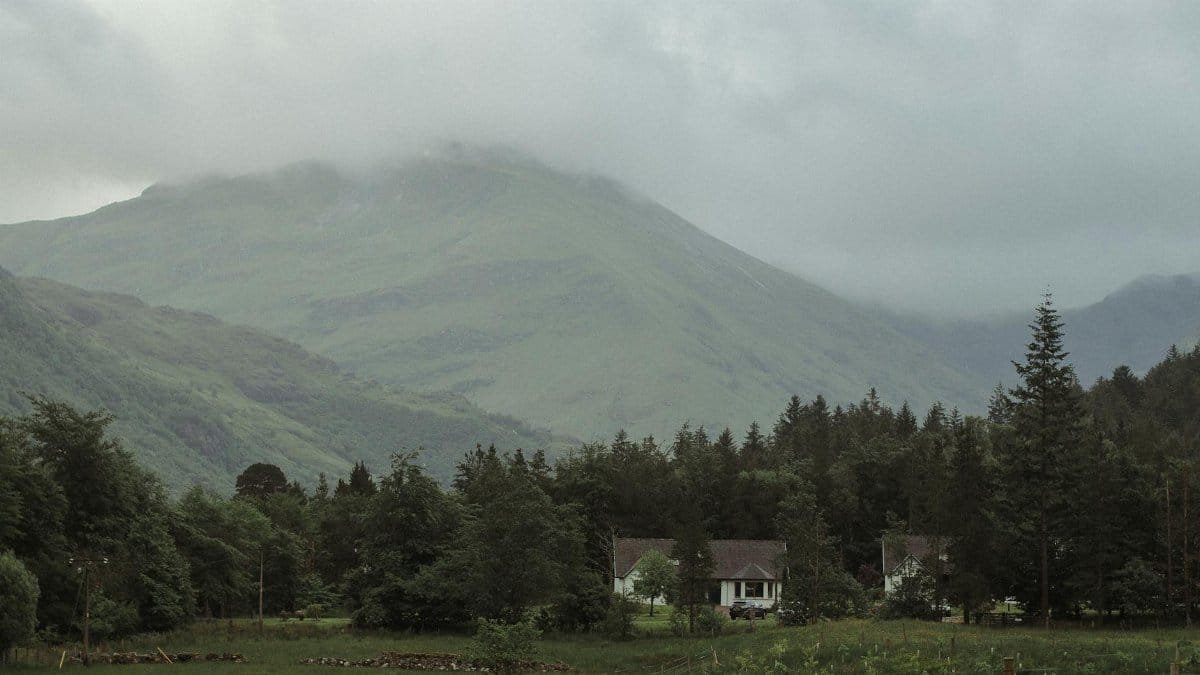
High elevations bring a crisp clarity that’s hard to find elsewhere. Mountains, with their imposing peaks, symbolize overcoming obstacles, making them ideal for those entering a healing phase after emotional exhaustion. Retreat centers in Colorado’s Rockies offer guided programs blending meditation and altitude’s natural high. Data from the National Institutes of Health highlights how such environments boost endorphins, aiding mental recovery. Picture arriving at a lodge in Aspen, the thin air sharpening your senses. One visitor recounted shedding layers of fatigue during a silent retreat, the views reminding her of life’s broader scale. But altitude sickness can strike, a reminder that healing isn’t linear. These spots encourage journaling or group shares, fostering connections that extend beyond the stay. In 2025, with remote work enabling longer escapes, more are turning to mountains for sustained recovery.
4. Quiet Libraries

Amid stacks of books, silence reigns, broken only by the occasional page turn. Libraries serve as urban sanctuaries for emotional exhaustion recovery, offering free access to worlds beyond one’s own troubles. A Pew Research Center report notes that 53 percent of Americans visited a library in the past year, many for quiet reflection. Envision settling into a cozy chair at the New York Public Library, losing yourself in a novel that mirrors your struggles. An anonymous online post captured it: after job loss, someone found solace in the hushed aisles, piecing together a path forward. These spaces promote mindfulness without pressure, though distractions like nearby chatter can intrude. They democratize healing, available to all, and often host wellness events that deepen the experience.
5. Botanical Gardens
Flowers bloom in vibrant arrays, their cycles a metaphor for renewal. Botanical gardens provide structured beauty that calms the exhausted mind, facilitating the healing phase. The U.S. Botanic Garden in Washington, D.C., draws visitors seeking respite, with research from Harvard linking green spaces to improved mood. Stroll through Atlanta’s gardens, inhaling lavender and rose scents that ease tension. A gardener shared how tending plants post-divorce mirrored her own growth, turning despair into hope. Yet seasonal changes mean not every visit is idyllic; winter bareness can evoke melancholy. These gardens often include benches for contemplation, blending nature’s therapy with accessibility. In bustling cities, they stand as oases, reminding us recovery thrives in nurtured environments.
6. Yoga Studios

Bodies move in unison, breaths syncing to a gentle rhythm. Yoga studios foster physical and emotional release, key to navigating emotional exhaustion and entering recovery. A study by the Yoga Alliance indicates over 36 million Americans practice, many for stress relief. Step into a session in San Francisco’s vibrant scene, where poses unravel knotted worries. One practitioner described it as “unwinding the soul,” emerging lighter after weeks of burnout. Classes vary, from vigorous flows to restorative yin, allowing personalization. Crowded rooms might overwhelm, yet the community aspect builds support. As 2025 sees wellness trends evolve, these studios adapt with hybrid options, making healing more inclusive.
7. Lakeside Cabins
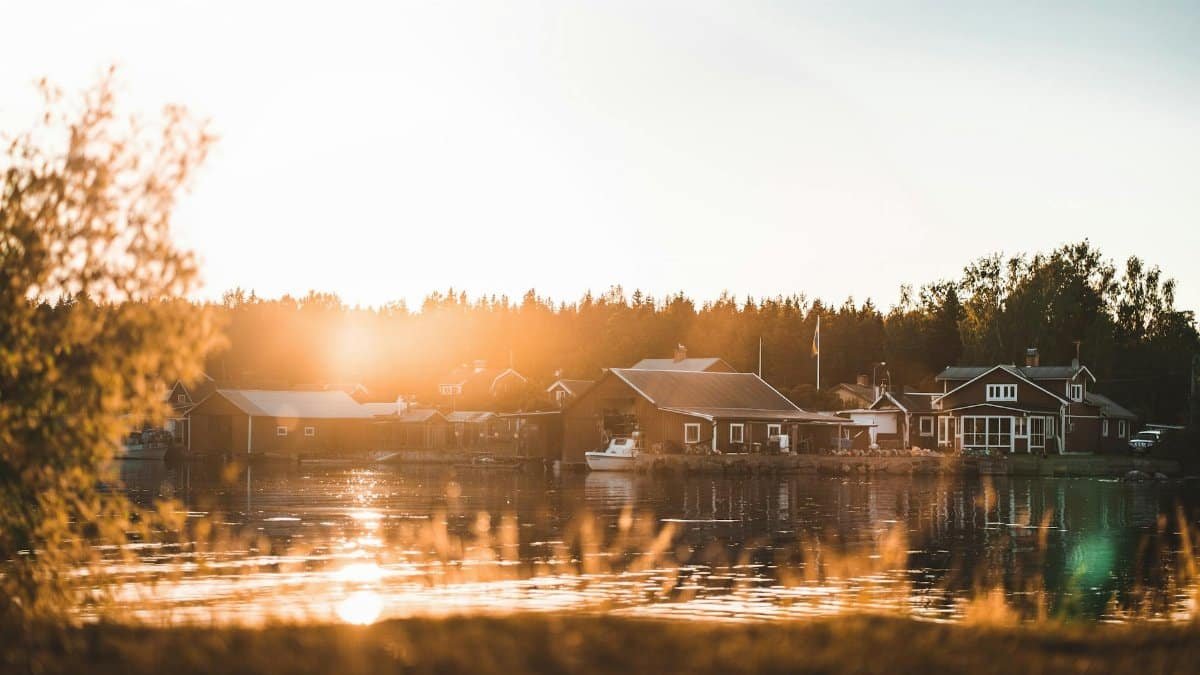
Still waters reflect the sky, inviting introspection. Lakeside cabins offer seclusion that’s profound for the healing phase, emotional exhaustion, recovery. Away from urban hustle, places like Minnesota’s Boundary Waters provide unplugged peace. The CDC reports nature immersion aids mental health, reducing symptoms of exhaustion. Rent a cabin, watch loons glide, and let thoughts settle like sediment. A family man recalled weekends there rebuilding after a career crisis, fishing lines casting away doubts. Isolation can feel daunting, amplifying inner voices, but that’s part of the process. Simple amenities encourage self-reliance, mirroring internal rebuilding. With eco-tourism rising, these spots balance solitude and sustainability.
8. Art Galleries

Canvases whisper stories through color and form. Art galleries stimulate the senses without demanding output, aiding recovery from emotional exhaustion. The Smithsonian’s galleries in D.C. attract those seeking inspiration, with a National Endowment for the Arts study showing arts engagement boosts well-being. Wander through Chicago’s Art Institute, letting masterpieces evoke forgotten emotions. An artist anonymously shared how viewing abstract works post-trauma sparked her healing journey. Not every piece resonates, and crowds can fatigue, but the variety ensures discoveries. Galleries often host quiet hours, enhancing their role as reflective havens in 2025’s cultural landscape.
9. Community Centers

Shared spaces buzz with low-key energy, connecting people in subtle ways. Community centers ground healing in everyday interactions, supporting the recovery phase after emotional exhaustion. Programs in places like Seattle’s centers include support groups, per a American Psychological Association report on community-based mental health. Join a workshop, exchange smiles with strangers, and feel isolation lift. One participant described a knitting circle as her lifeline, stitches mending more than yarn. Accessibility varies by location, and schedules might not align, yet the affordability draws diverse crowds. These centers evolve, incorporating tech for virtual meetups, ensuring recovery remains communal.
As these nine places illustrate, the path through emotional exhaustion to recovery often leads to environments that nurture without overwhelming. They remind us that healing isn’t solitary; it’s woven into the world around us. In 2025, prioritizing such spots could redefine how we rebound from life’s demands.