

A recent study from the American Psychological Association revealed that nearly 80% of Americans report feeling overwhelmed by daily stress, with many seeking natural escapes for emotional relief and slower living. This figure has climbed steadily since the pandemic, underscoring a collective yearning for respite amid relentless routines. As urban life accelerates, more people are turning to serene environments that foster calm without the need for structured therapy or gadgets. These places aren’t just scenic; they tap into something primal, offering a pause that rejuvenates the mind. In 2025, with work-from-home blurring boundaries further, such havens become essential. Whether it’s the hush of ancient trees or the rhythm of ocean waves, they remind us that true relief often lies in simplicity. This article explores nine such spots across the U.S., each promising a natural balm for the soul.
1. Redwood National and State Parks, California
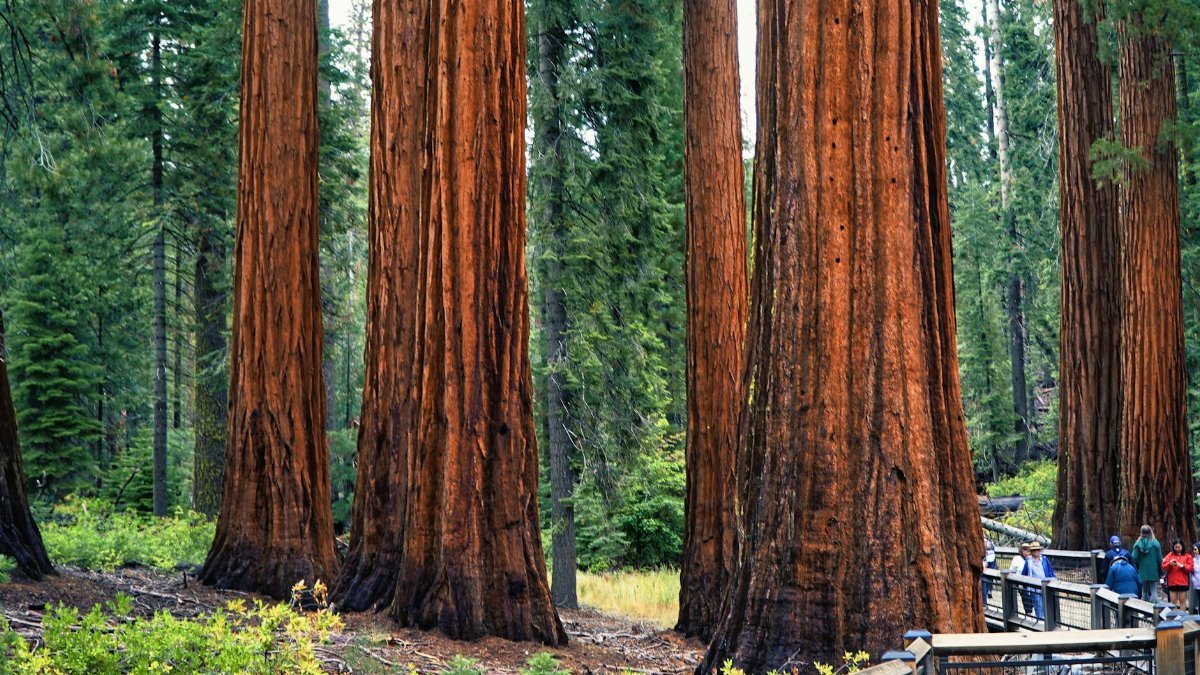
Imagine standing beneath towering redwoods that have outlasted empires, their bark etched with centuries of quiet endurance. In Redwood National and State Parks, the air carries a damp, earthy scent that immediately slows the pulse. Visitors often describe a profound shift here, where the scale of these giants dwarfs everyday worries. One hiker shared anonymously online that wandering these trails felt like shedding layers of accumulated tension, emerging lighter. Research supports this: a study published in the journal Frontiers in Psychology found that forest immersion reduces cortisol levels, the hormone tied to stress. For middle-aged professionals juggling careers and family, this park offers trails like the Lady Bird Johnson Grove, where solitude invites reflection. It’s not about escaping life entirely, but recalibrating amid nature’s vast timeline. Families picnic under the canopy, conversations turning unhurried, as if the trees themselves enforce a slower pace. Yet, accessibility varies; some paths demand sturdy shoes, reminding us that relief requires a bit of effort.
2. Acadia National Park, Maine
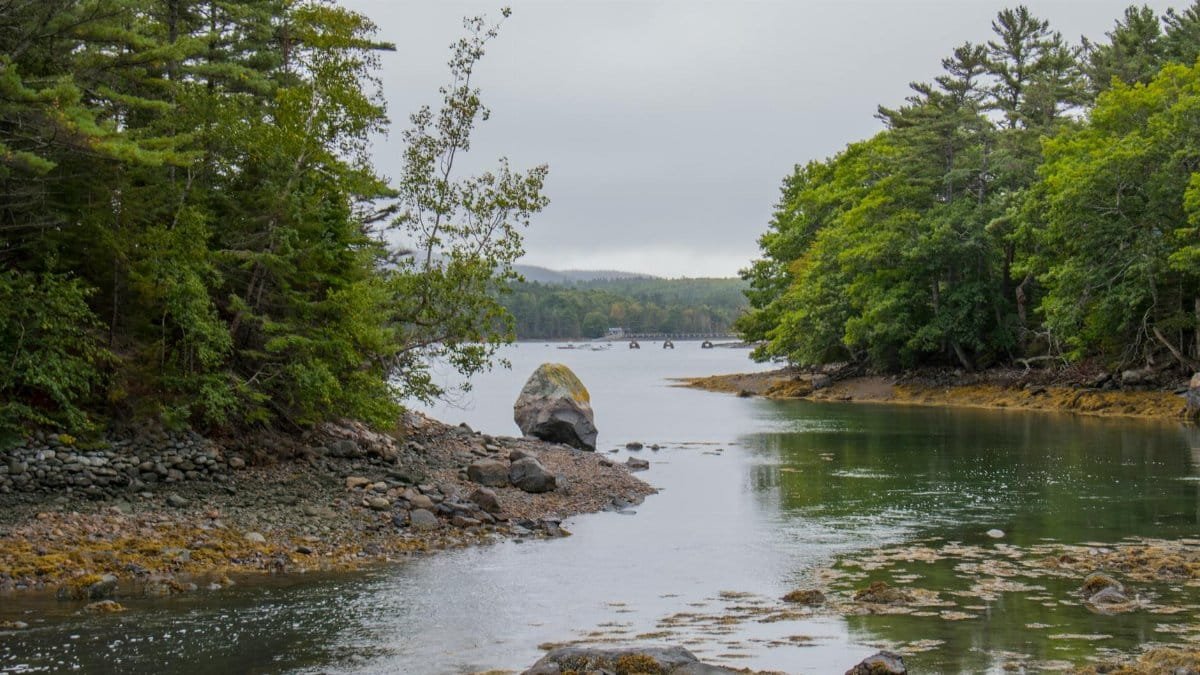
Along Maine’s rugged coast, Acadia National Park unfolds with granite peaks meeting the Atlantic in a dramatic embrace. The crash of waves against Cadillac Mountain provides a rhythmic soundtrack that drowns out mental chatter. Here, daily stress melts into the mist rising from the sea, promoting emotional relief through sheer sensory immersion. A report from the National Park Service highlights how such coastal environments enhance mood via negative ions in the air. Picture a couple in their fifties, hiking the Ocean Path at dawn, the salt spray invigorating their steps. They pause at Thunder Hole, where water erupts in thunderous applause, mirroring the release of pent-up emotions. Slower living emerges naturally, with carriage roads inviting bike rides free from traffic’s frenzy. Challenges arise in peak seasons, when crowds test one’s patience, yet off-peak visits reveal the park’s true serenity. It’s a place where time stretches, allowing thoughts to settle like fog over the bay.
3. Great Smoky Mountains National Park, Tennessee and North Carolina
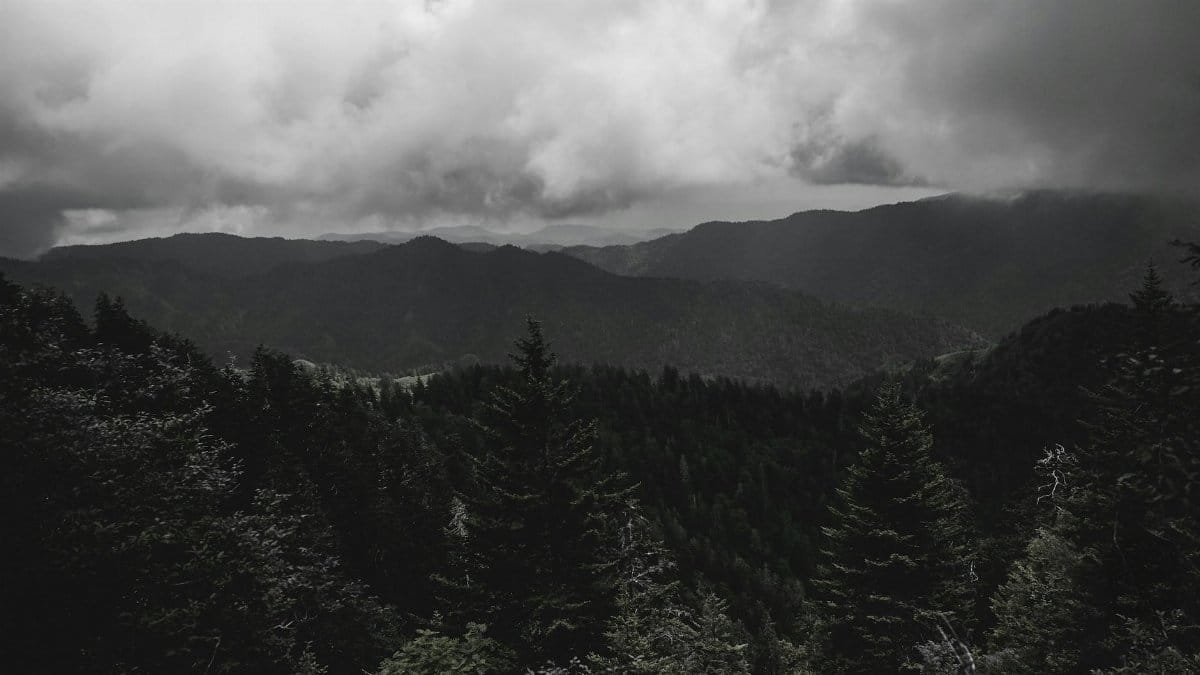
What draws crowds to the Great Smoky Mountains isn’t just the haze-shrouded vistas, but the way the landscape enforces a deliberate rhythm. Trails wind through lush forests, where the only hurry comes from scampering wildlife. For those seeking emotional relief from daily stress, the park’s biodiversity acts as a gentle therapist, with blooming wildflowers in spring signaling renewal. According to a CDC overview on parks and health, time in such green spaces lowers blood pressure and improves mental clarity. An anonymized account from a public forum described a solo camper waking to birdsong, feeling burdens lift with the morning mist. Middle-aged visitors often tackle hikes like Alum Cave Trail, where each step fosters mindfulness. Families bond over creek-side picnics, laughter echoing without the ping of notifications. Still, weather can turn swiftly, adding an element of unpredictability that mirrors life’s own twists, teaching resilience in the process.
4. The Beaches of Cape Cod, Massachusetts

Cape Cod’s beaches stretch like invitations to unwind, with dunes whispering secrets to the wind. The simple act of walking barefoot on sand, feeling grains shift underfoot, embodies slower living amid daily stress. Emotional relief comes from the horizon’s endless gaze, putting personal woes in perspective. A study by the National Institutes of Health links blue spaces like these to reduced anxiety. Envision a retired teacher sitting by Nauset Beach, journal in hand, as gulls wheel overhead. She reflects on years of classroom chaos, finding peace in the tide’s ebb and flow. Summer brings families building sandcastles, their joy infectious, yet quieter spots like Race Point offer solitude. Erosion poses ongoing threats, a reminder of impermanence that encourages living in the moment. Here, time isn’t measured in hours, but in the slow curl of waves.
5. Sedona’s Red Rock Country, Arizona
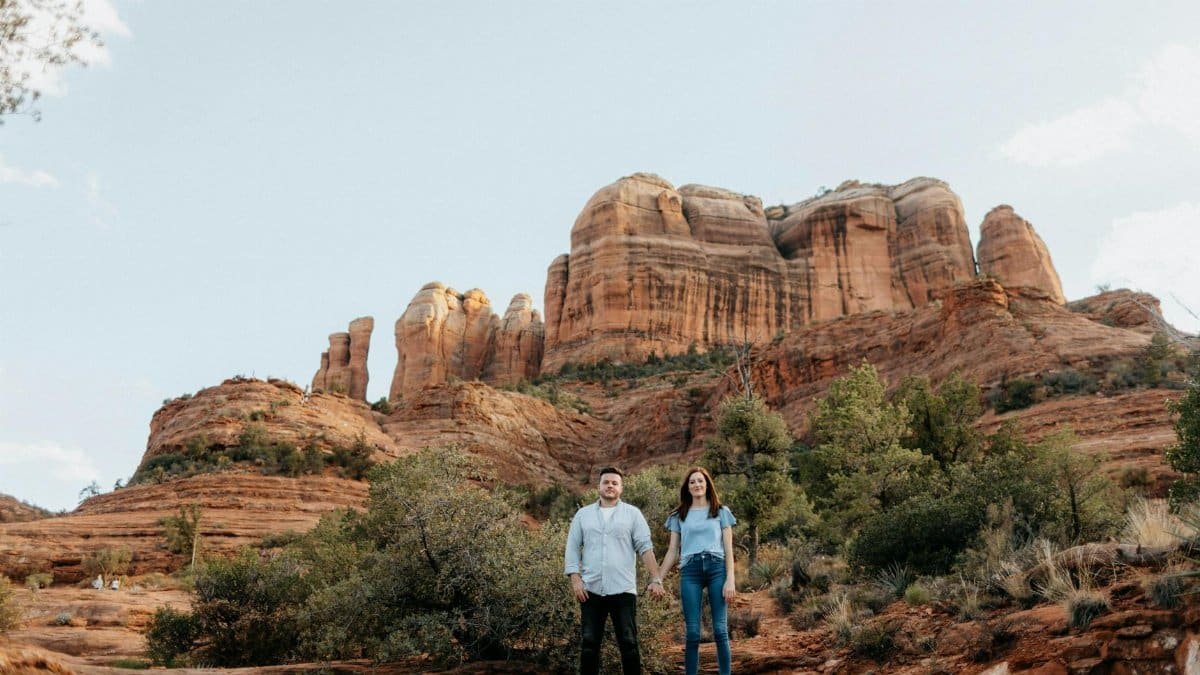
Sedona’s crimson formations rise like ancient sentinels, their hues shifting with the sun to create a canvas of calm. Vortex sites, believed by some to channel energy, draw seekers of emotional relief, though science attributes the benefits to the stark beauty alone. Daily stress fades as one hikes trails like Cathedral Rock, where the desert silence amplifies inner quiet. Insights from a Pew Research Center analysis show growing interest in nature-based wellness among Americans. A middle-aged executive, fresh from boardroom battles, might pause at a viewpoint, breathing deeply as the landscape absorbs his fatigue. Groups practice yoga amid the rocks, bodies aligning with the earth’s contours. Yet, the area’s popularity means planning ahead for permits, blending anticipation with the reward of arrival. It’s a testament to how rugged beauty can recalibrate the soul.
6. The Finger Lakes Region, New York

In New York’s Finger Lakes, glassy waters carve through rolling hills, offering a serene counterpoint to urban hustle. Kayaking on Seneca Lake, one feels the pull of slower living, paddles dipping in unhurried strokes. This setting naturally eases daily stress, with vineyards dotting the shores inviting leisurely tastings. Health benefits are backed by research in Environment and Behavior, which notes water proximity boosts emotional well-being. Picture friends in their forties sharing stories on a dock at sunset, laughter mingling with lapping waves. One recent public share online captured the relief of leaving city noise behind, rediscovering joy in simple swims. Wineries provide cultural depth, but overindulgence warns of balance. The region’s four seasons add variety, from autumn foliage to winter’s hush, each phase nurturing different facets of relief.
7. Olympic National Park, Washington
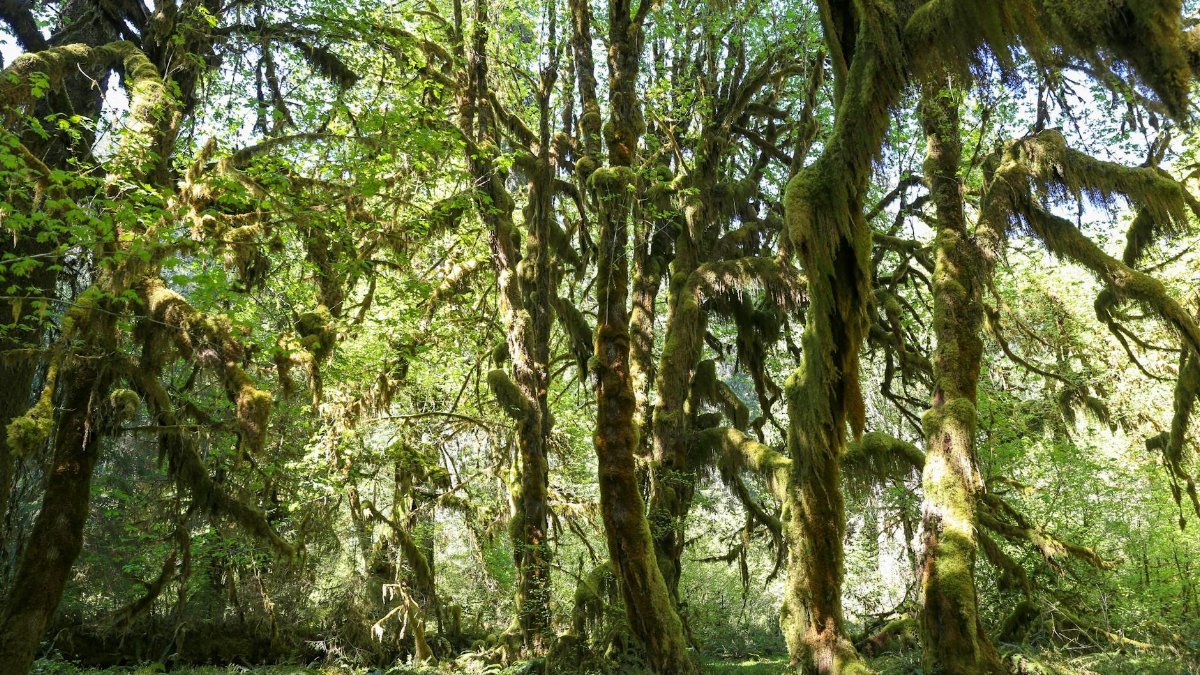
Olympic National Park’s diverse ecosystems, from rainforests to alpine meadows, create a multifaceted escape. The Hoh Rain Forest, draped in moss, muffles the world, allowing emotional relief to bloom in verdant quiet. Slower living thrives here, with trails like Hurricane Ridge offering panoramic views that stretch thoughts outward. A USDA Forest Service study emphasizes how such biodiversity aids stress reduction. A family might explore tide pools at Ruby Beach, children marveling at starfish while parents exhale deeply. Tensions arise with variable weather, yet it fosters adaptability. Anonymously, someone recounted online how the park’s isolation healed post-loss grief, waves crashing as catharsis. It’s where nature’s complexity mirrors our own, guiding toward harmony.
8. The Blue Ridge Parkway, Virginia and North Carolina

Winding through Appalachian splendor, the Blue Ridge Parkway serves as a ribbon of respite. Driving its curves, windows down, one absorbs vistas that dissolve daily stress into misty horizons. Emotional relief arrives via overlooks like Mabry Mill, where history and nature converge. Data from the National Highway Traffic Safety Administration indirectly supports safer, calmer travel in such settings. Envision a couple stopping for a hike, their conversation deepening amid wildflowers. Online, a shared experience highlighted the road’s role in mending frayed nerves after a tough year. Pullouts encourage picnics, fostering connections. Traffic can build, but off-season serenity prevails, emphasizing patience as part of the journey.
9. Big Sur Coastline, California

Big Sur’s dramatic cliffs plunge into the Pacific, a raw display that commands awe and invites introspection. The coastal drive along Highway 1, with its hairpin turns, enforces a mindful pace, perfect for slower living. Daily stress evaporates in the fog-kissed air, as Pfeiffer Beach’s keyhole arch frames sunsets like portals to peace. Findings from a Journal of Environmental Psychology article affirm coastal views’ restorative power. A solo traveler might sit on Bixby Bridge, journal open, processing life’s pivots. Families explore Julia Pfeiffer Burns State Park, waterfalls cascading to the sea, inspiring wonder. Landslides occasionally close sections, underscoring nature’s untamed side, yet they heighten appreciation for accessible moments. In Big Sur, relief isn’t chased; it envelops you.