

A recent study from the American Psychological Association revealed that 77% of Americans report experiencing stress that impacts their physical health, a figure that’s climbed steadily over the past decade. Amid this rising tide, more people are turning to natural environments for respite. These spaces offer a quiet counterpoint to the relentless pace of modern life, fostering daily stress, emotional relief, slower living in ways that feel almost instinctive. Whether it’s the hush of a forest or the rhythm of ocean waves, such places invite a deliberate slowdown, allowing the mind to unclutter and emotions to settle. As we navigate 2025’s demands—from endless notifications to economic uncertainties—these havens remind us that true calm often lies in simplicity. This article explores nine such places, each with its unique way of easing the burdens we carry.
1. Forest Trails
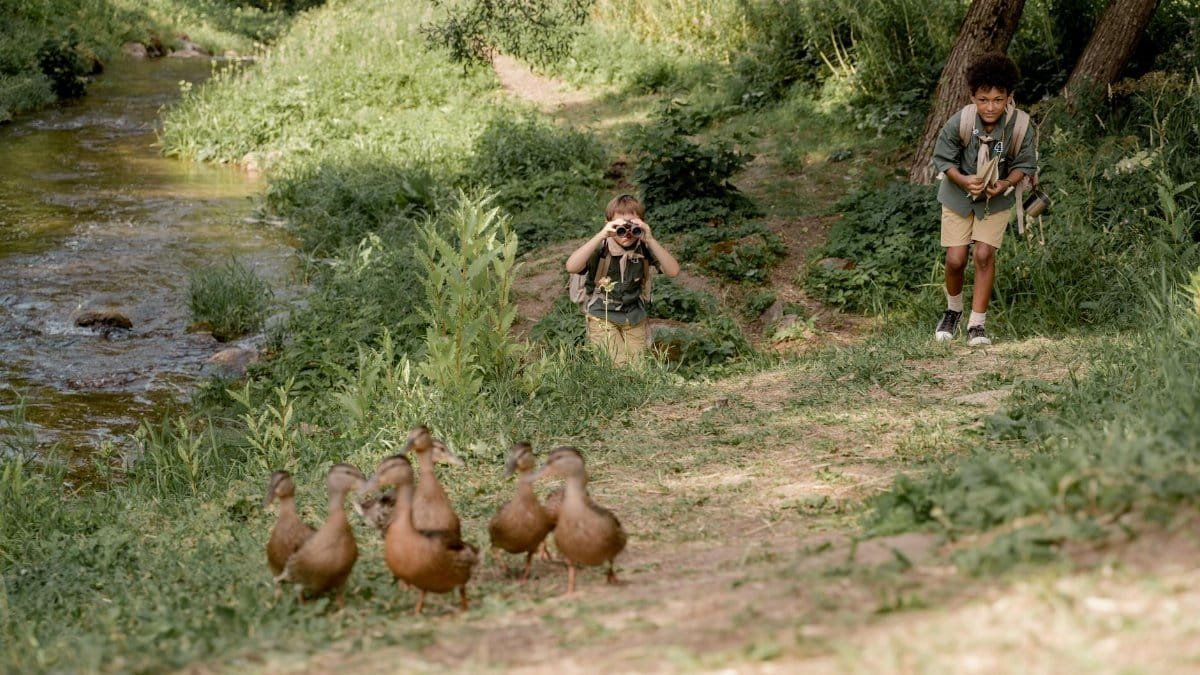
Deep in the woods, the air carries a crispness that cuts through mental fog. Researchers have long noted how forest immersion, or “forest bathing,” lowers cortisol levels, the hormone tied to stress. A study published in the International Journal of Environmental Research and Public Health found participants who spent time in forests reported reduced anxiety and improved mood after just 20 minutes.NCBI Study on Forest Bathing. Imagine wandering a trail in Oregon’s Willamette National Forest, where towering pines filter sunlight into golden shafts. One hiker, sharing anonymously online, described it as “like hitting a reset button—my worries just dissolved into the leaves.” This isn’t mere escapism; it’s a biological balm, encouraging slower living by syncing breaths with the rustle of branches. Yet, not all trails are equal; overcrowded paths can ironically heighten tension, underscoring the need for secluded spots.
Transitioning from the canopy’s embrace, consider how these experiences build resilience. Families often recount picnics turning into impromptu therapy sessions, laughter echoing where emails can’t reach. It’s a reminder that emotional relief emerges not from grand gestures but quiet consistency.
2. Coastal Beaches
“The sea, once it casts its spell, holds one in its net of wonder forever,” Jacques Cousteau once said, capturing the pull of ocean shores. Beaches like those along California’s Big Sur coastline provide a vast expanse where daily stresses seem trivial against the horizon. The sound of waves crashing acts as white noise, drowning out inner turmoil. According to a report from the National Oceanic and Atmospheric Administration, proximity to water correlates with lower depression rates.NOAA Ocean and Coasts Resources.
Picture a solitary walk at dawn, feet sinking into cool sand as gulls cry overhead. For many, this ritual offers emotional relief, a space to process grief or burnout without judgment. A middle-aged accountant from New Jersey shared how weekend beach visits transformed his outlook: “It’s where I learned to let go, one tide at a time.” Slower living thrives here, with time measured by sunsets rather than schedules. But erosion and crowds pose challenges, prompting calls for mindful visitation to preserve these sanctuaries.
Delving deeper, beaches foster community too—impromptu volleyball games or shared bonfires that weave connections, easing isolation’s sting.
3. Mountain Retreats

High altitudes bring clarity, both literal and figurative. In places like Colorado’s Rocky Mountains, the thin air sharpens focus, pulling one away from urban clamor. Studies show that elevation exposure can enhance endorphin release, combating stress naturally. A piece from the Journal of Environmental Psychology highlights how mountain views reduce rumination.Journal of Environmental Psychology.
Envision hiking to a summit overlook, where the world below shrinks to toy-like proportions. This perspective shift aids emotional relief, making personal troubles feel surmountable. One anonymous forum post detailed a transformative trip: “Up there, my daily stress melted away; I returned grounded, ready for slower living back home.” Yet, accessibility remains an issue—steep paths exclude some, highlighting the need for inclusive alternatives like guided cable car rides.
Amid the peaks, wildlife encounters add wonder, from spotting elk to feeling the wind’s whisper, all nurturing a profound sense of peace.
4. Riverside Paths
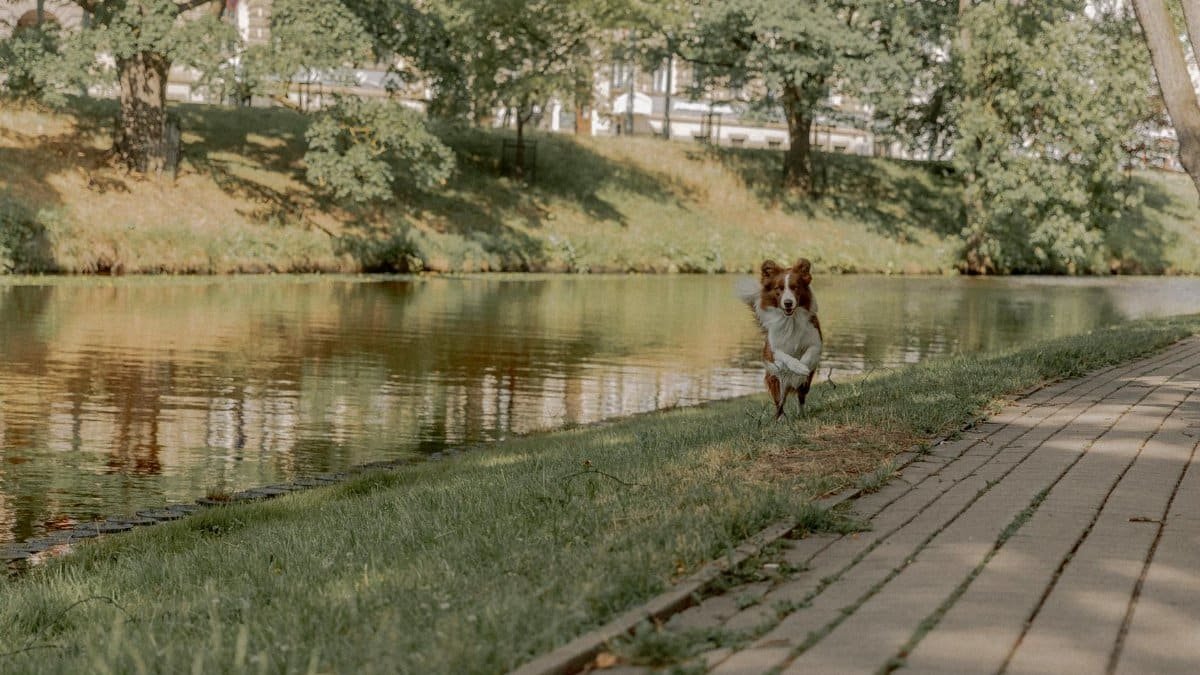
Rivers flow with a steady grace that mirrors ideal emotional states. Along the banks of the Mississippi or smaller streams in Vermont, the gentle current invites contemplation. Research from the Environmental Protection Agency links riparian zones to improved mental health through biodiversity exposure.EPA Water Science Resources.
Stroll beside rippling water, and notice how thoughts align with its rhythm. For a teacher overwhelmed by classroom chaos, these paths became a lifeline: “Dipping my toes in, I found relief I’d chased for years.” Daily stress fades as birdsong replaces notifications, promoting slower living through unhurried observation. Challenges arise with pollution, urging community cleanups to sustain these oases.
Beyond solitude, rivers host gatherings—fishing tales swapped under willows, forging bonds that buffer life’s pressures.
5. Botanical Gardens

Amid curated blooms, serenity takes root. Gardens like New York’s Brooklyn Botanic offer a tapestry of colors and scents that soothe frayed nerves. Horticultural therapy studies demonstrate lowered blood pressure from plant interactions.NCBI on Horticultural Therapy.
Wander paths lined with roses, inhaling fragrances that evoke childhood memories. This sensory immersion provides emotional relief, a balm for those navigating midlife transitions. An anonymized account recalled: “In the orchid house, my worries wilted like forgotten petals.” Slower living blooms here, with benches encouraging lingering over a book’s page. Urban encroachment threatens, yet volunteer programs keep these havens vibrant.
Seasonal changes add layers—autumn leaves teaching impermanence, a subtle lesson in resilience.
6. Desert Landscapes
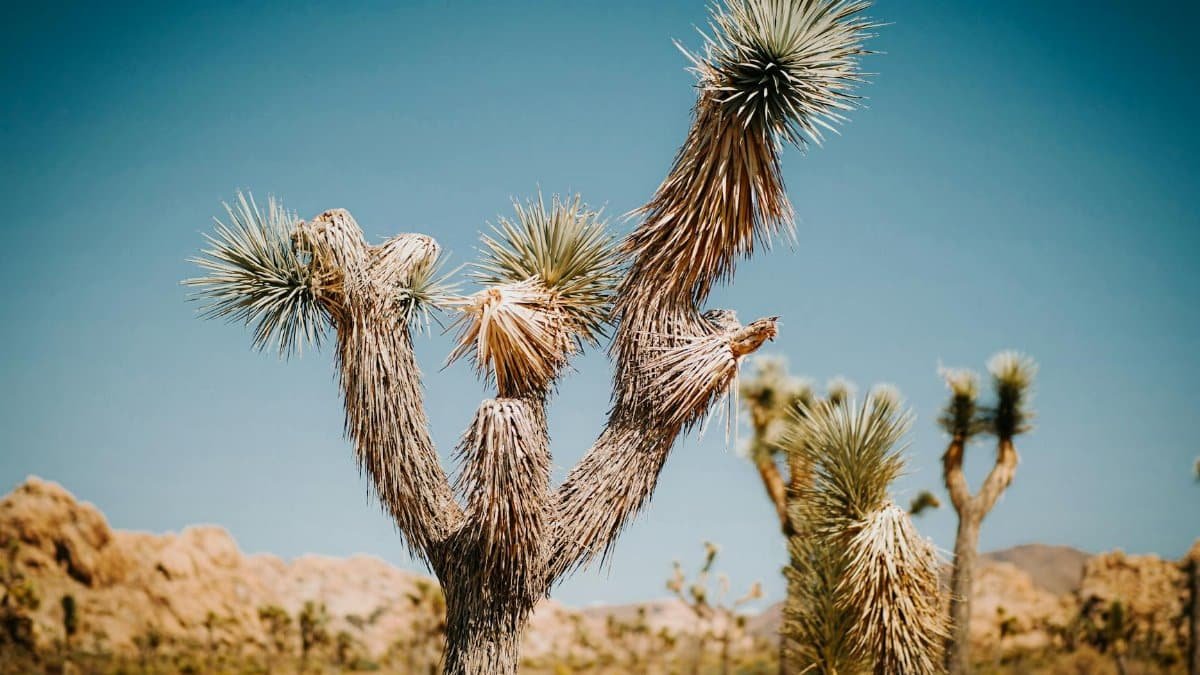
Vast and arid, deserts strip away distractions. Utah’s Moab region exemplifies this stark beauty, where silence amplifies inner quiet. Geological surveys note how open spaces foster mindfulness.USGS Science Support.
Stand amid red rock formations at sunset, shadows dancing like forgotten dreams. For a veteran dealing with PTSD, these expanses offered breakthrough relief: “The emptiness filled me with peace I hadn’t known.” Daily stress evaporates under endless skies, urging slower living through starlit reflections. Water scarcity reminds of vulnerability, inspiring sustainable tourism.
Night hikes reveal constellations, connecting personal stories to cosmic scales.
7. Lakeside Shores
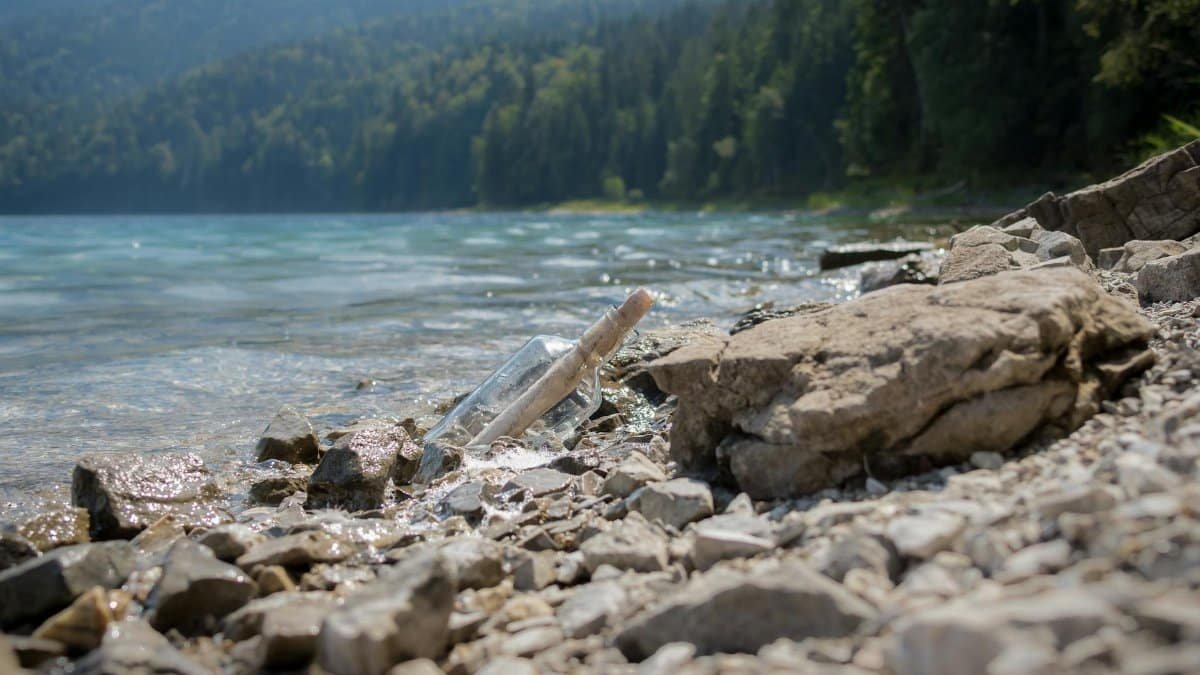
Lakes mirror calm, their still waters reflecting inner potential. Minnesota’s Boundary Waters provide pristine escapes where paddling syncs with heartbeats. Limnology research affirms aquatic environments’ role in stress reduction.USGS Water Science School.
Sit by the edge, skipping stones as worries skip away. A parent shared: “Here, family time slowed, healing our rushed routines.” Emotional relief surfaces in these moments, fostering slower living amid nature’s hush. Invasive species challenge ecosystems, calling for vigilant stewardship.
Fishing or swimming adds tactile joy, grounding the body in present bliss.
8. Rural Farms
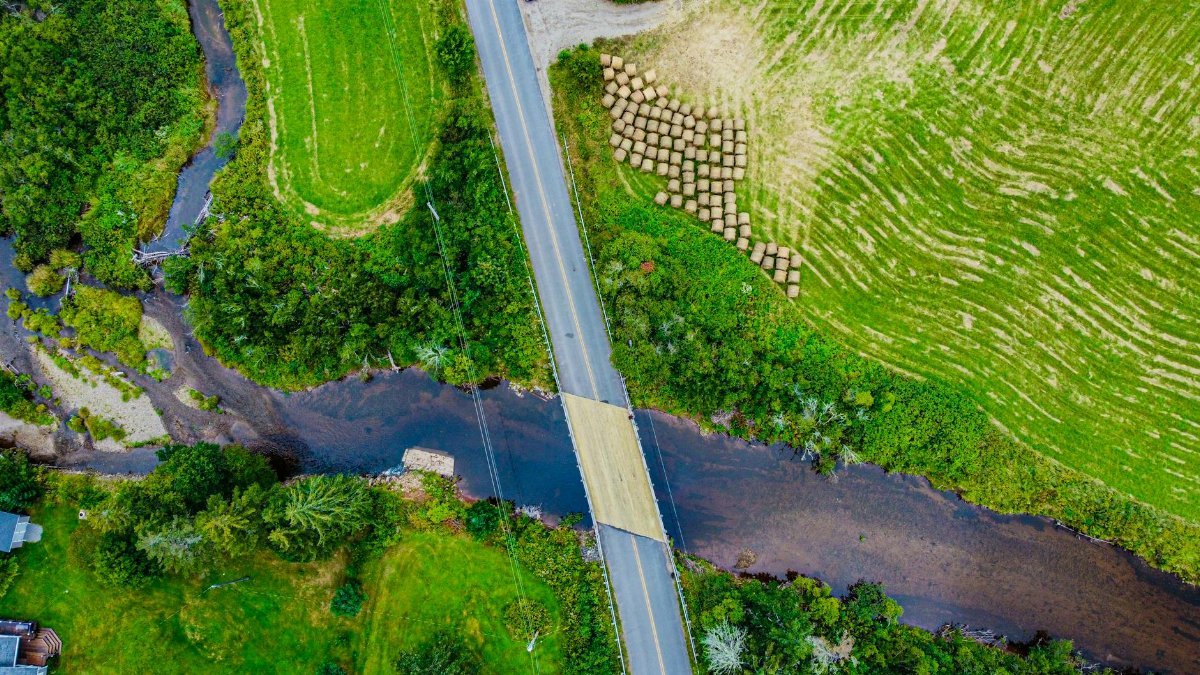
Farms embody earth’s rhythm, far from city buzz. In Iowa’s heartland, open fields invite unscripted days. Agricultural studies link farm visits to decreased anxiety.USDA Health and Safety.
Harvest apples or watch sunrises over crops, hands in soil reconnecting to basics. One visitor noted: “It taught me slower living, away from screens.” Daily stress yields to seasonal cycles, offering emotional relief through purposeful labor. Industrial farming’s shadow looms, but organic havens persist.
Community markets extend the warmth, sharing produce and stories alike.
9. Urban Parks

Even in concrete jungles, green pockets thrive. Central Park in New York proves nature’s accessibility. Urban planning research shows parks cut stress by 20%.CDC Healthy Places – Parks.
Lounge on grass, people-watching blending solitude with society. A commuter reflected: “My lunch breaks here recharge me for the grind.” These spaces democratize slower living, providing emotional relief without travel. Maintenance funding varies, yet advocacy ensures their endurance.
From yoga classes to birdwatching, parks adapt, meeting diverse needs in 2025’s evolving landscape.