

In a world buzzing with constant notifications and endless to-do lists, a surprising number of Americans are turning to quiet escapes for relief. A recent Pew Research Center survey found that 62% of adults report feeling overwhelmed by daily stressors, up from 55% just five years ago, prompting many to seek spots that foster emotional clarity, mental space, and restoration. This shift isn’t just anecdotal; it’s backed by data showing a rise in activities like nature walks and mindfulness retreats. As we navigate 2025’s fast pace, these places offer more than temporary respite. They provide a chance to reset, to sift through tangled thoughts and emerge with a clearer mind. Whether it’s the hush of a forest or the rhythm of ocean waves, such locations remind us that stepping away can rebuild inner strength.
1. Forest Trails

Deep in the woods, the air feels different. Leaves crunch underfoot, and birds call from hidden branches. For many, forest trails serve as a natural antidote to mental clutter. Research from the U.S. Forest Service highlights how time in green spaces lowers cortisol levels, that stress hormone that clouds judgment. One hiker, recalling a recent trek in the Appalachian Mountains, described it as peeling away layers of worry until only calm remained. It’s not magic; it’s biology at work. The canopy overhead filters out distractions, allowing thoughts to settle. In 2025, with urban sprawl pushing boundaries, these trails remain vital for reclaiming mental space. Next time life feels chaotic, lace up those boots and wander. You might find clarity waiting among the trees.
2. Coastal Beaches

Stand at the water’s edge, and the horizon stretches endlessly. Beaches have long drawn those seeking solace, their vastness mirroring the mind’s potential for expansion. A study by the National Institutes of Health links proximity to blue spaces with improved emotional well-being, noting reduced anxiety in coastal dwellers. Imagine a middle-aged professional, waves lapping at her feet during a dawn walk in California’s Big Sur. She later shared anonymously online that the sound drowned out her inner noise, restoring a sense of balance. It’s the rhythm that does it—the predictable crash and retreat teaching patience. In an era of digital overload, these shores offer unplugged restoration. Pack a blanket, leave the phone behind, and let the tide wash away the mental fog.
3. Quiet Libraries

Amid stacks of books, silence reigns. Libraries aren’t just repositories of knowledge; they’re sanctuaries for introspection. The hush encourages focus, turning pages into portals for emotional clarity. According to a report from the Pew Research Center, over 70% of Americans view libraries as essential community hubs for personal growth. Picture a retiree settling into a worn armchair in a New York public branch, the scent of aged paper grounding him as he journals scattered thoughts. No rush, no interruptions—just space to process. This setting fosters mental restoration without fanfare. As remote work blurs boundaries in 2025, these spots remind us of the power in stillness. Seek one out; you might rediscover your own narrative.
4. Art Galleries

Colors swirl on canvas, inviting interpretation. Art galleries provide a canvas for the soul, where viewers confront emotions through others’ creations. Engagement with art boosts cognitive empathy, per findings from the American Psychological Association, helping process complex feelings. One visitor to Chicago’s Art Institute recounted how a abstract piece mirrored her inner turmoil, leading to a breakthrough in understanding grief. It’s subtle, this dialogue with brushstrokes. Galleries slow the pace, creating mental space amid visual stories. In a year when cultural venues rebound post-pandemic, they stand as beacons for restoration. Wander through, pause at what resonates. Clarity often emerges in the quiet observation of beauty and chaos intertwined.
5. Yoga Studios

Breathe in, stretch out. Yoga studios transform physical movement into mental release, blending body and mind for deeper harmony. Classes emphasize presence, which a Harvard Medical School guide notes can alleviate depression symptoms through mindful practice. Envision a group in a dimly lit room in Seattle, mats aligned, as an instructor guides them through poses that unravel tension. One participant whispered afterward that it felt like clearing cobwebs from her thoughts. No judgments here—just flow. These spaces cultivate emotional clarity by anchoring us in the now. With wellness trends surging in 2025, studios offer accessible restoration. Roll out a mat, join in. The restoration might surprise you, one breath at a time.
6. Botanical Gardens

Flowers bloom in orchestrated chaos. Botanical gardens invite visitors to meander paths lined with vibrant life, a living reminder of growth cycles. Exposure to plants enhances mood, as detailed in a National Library of Medicine study, by reducing stress and promoting relaxation. A family strolling through Brooklyn’s gardens shared how the scents and sights lifted their collective fog, sparking open conversations. It’s therapeutic, this immersion in nature’s palette. Gardens provide mental space without isolation, blending solitude with subtle community. As urban green initiatives expand this year, they become key for restoration. Visit during off-hours; let the petals guide your reflections toward clarity.
7. Mountain Peaks
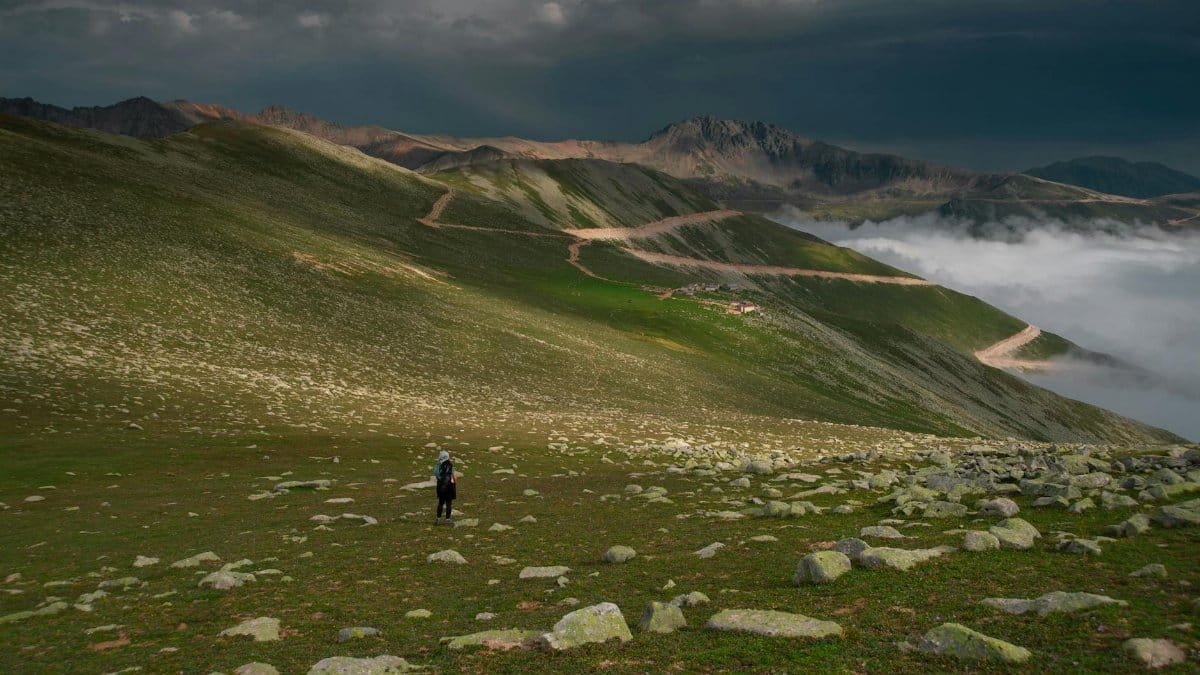
Ascend, and the world shrinks below. Mountain peaks demand effort, rewarding climbers with panoramic views that put worries in perspective. Altitude aids mental health by fostering resilience, according to research from the Rocky Mountain Research Station. Think of a solo hiker reaching a summit in Colorado’s Rockies, the wind carrying away doubts accumulated over months. Achievement here translates to inner strength. These heights create literal and figurative space for emotional processing. In 2025’s adventure boom, peaks call to those seeking restoration. Prepare well, climb steadily. The clarity at the top often lingers long after descent.
8. Coffee Shops with Nooks

Steam rises from a mug, conversations murmur softly. Certain coffee shops, with their cozy corners, double as havens for quiet contemplation. Caffeine aside, the ambiance supports focus, as a University of Chicago study on ambient noise suggests moderate levels enhance creativity. An anonymous online post described nursing a latte in a Portland spot, journaling until thoughts aligned. It’s everyday magic, turning a routine into ritual. These nooks offer mental space amid urban hum, perfect for restoration without grandeur. Find your local gem; settle in with a notebook. Clarity brews in the simplest settings.
9. Personal Home Sanctuaries

Sometimes, the best escape is right at home. Creating a personal sanctuary—a corner with cushions, plants, perhaps a candle—turns familiar space into a retreat. Home-based mindfulness practices build emotional resilience, per insights from the Centers for Disease Control and Prevention. One individual transformed a spare room into a reading nook, finding it dissolved daily pressures like nothing else. No travel required; it’s about intentional design. These spots nurture mental space daily, essential for ongoing restoration. In 2025, with hybrid lifestyles, they’re more relevant than ever. Curate yours thoughtfully. Emotional clarity might unfold in the comfort of your own walls.