

A recent study from the American Psychological Association revealed that nearly 40% of Americans report feeling more emotionally overwhelmed in 2025 than in previous years, a spike attributed to constant digital noise and societal pressures. This surge highlights a growing need for spaces that foster emotional clarity, mental space, and restoration. Amid the chaos of daily life, certain places stand out as sanctuaries where the mind can reset. They offer not just physical refuge but a chance to untangle thoughts and rebuild inner peace. From quiet natural retreats to urban havens, these locations remind us that stepping away can lead to profound personal renewal. As more people seek balance, exploring these spots becomes essential for maintaining mental well-being in an increasingly hectic world.
1. Forest Trails

Deep in the woods, the air carries a hush that urban life rarely affords. Imagine wandering along a shaded path in Washington’s Olympic National Forest, where the rustle of leaves underfoot drowns out the mental chatter. Research from the University of Michigan shows that time in forested areas can lower cortisol levels, promoting emotional clarity by reducing stress hormones. One hiker shared anonymously online how a solo trek helped her process a recent loss, emerging with a sense of mental space she hadn’t felt in months. These trails invite reflection without distraction, allowing thoughts to settle like fallen pine needles. Yet, it’s not always serene; sudden rain can turn paths muddy, mirroring life’s unpredictable turns. Still, that very immersion in nature’s rhythm aids restoration, grounding the spirit in something larger than personal turmoil.
Experts note that even short visits yield benefits. A study linked such outings to improved mood regulation, essential for emotional clarity. As 2025 trends show rising interest in eco-therapy, forests become vital allies in mental health.
2. Coastal Beaches

“The ocean has a way of washing away the unnecessary,” a beachgoer once told me during a casual chat in California’s Big Sur. Staring at endless waves, one feels the pull of tides mirroring inner ebbs and flows. Beaches provide vast mental space, where horizons stretch far enough to dilute concentrated worries. According to a report from the National Center for Biotechnology Information, proximity to water enhances feelings of restoration, boosting cognitive function and emotional balance. Picture the sun dipping low, casting golden light on sand, as you sift through thoughts like seashells. Challenges arise, though, like crowded shores during peak seasons, yet early mornings offer solitude. This setting encourages letting go, fostering emotional clarity amid the rhythmic crash of surf.
In bustling times, these coastal edges serve as natural therapists, helping rebuild what daily grind erodes.
3. Quiet Libraries

Step into the hushed halls of a place like the New York Public Library, and the weight of the world seems to lift. Surrounded by towering shelves, readers find a sanctuary for introspection. Libraries aren’t just about books; they carve out mental space for uninterrupted thought. A Pew Research Center survey indicates that 53% of adults visit libraries for quiet reflection, linking it to better emotional management. One anonymous account described curling up in a corner with a journal, unraveling knotted emotions into coherent insights. The atmosphere, thick with the scent of aged paper, invites deep dives into personal narratives. Of course, not every visit is perfect—occasional distractions from fellow patrons remind us of shared humanity. Nonetheless, these spaces excel in restoration, turning pages of both books and minds toward clarity.
As digital overload persists in 2025, libraries remain timeless havens for reclaiming focus.
4. Art Museums

What draws crowds to institutions like the Museum of Modern Art in New York? Beyond the canvases, it’s the invitation to pause and interpret. Museums offer emotional clarity through visual stories that resonate personally. Gazing at a Rothko painting, colors blend into a canvas for one’s own projections, creating mental space to process feelings. Findings from the American Psychological Association suggest art exposure reduces anxiety, aiding restoration. A visitor might stand transfixed, memories surfacing like brushstrokes, leading to unexpected epiphanies. Tensions emerge in crowded exhibits, where jostling elbows test patience, yet that’s part of the human tapestry. These venues transform observation into inner dialogue, making them powerful for emotional renewal.
In an era of fleeting attention, museums slow us down, nurturing deeper self-understanding.
5. Mountain Retreats

High above the valleys, in spots like Colorado’s Rocky Mountains, elevation brings perspective. Climbing a trail, breath shortening with altitude, mirrors the effort needed for emotional clarity. The vast vistas provide mental space, shrinking problems to manageable sizes. A study by the USDA Forest Service highlights how mountain environments enhance well-being, with participants reporting greater restoration post-hike. Recall a group of friends sharing stories around a campfire, bonds strengthening as vulnerabilities surface. Weather can shift abruptly, adding unpredictability, but it teaches resilience. These peaks encourage shedding emotional baggage, much like leaving gear at base camp.
With wellness tourism booming in 2025, mountains call to those seeking profound mental resets.
6. Botanical Gardens
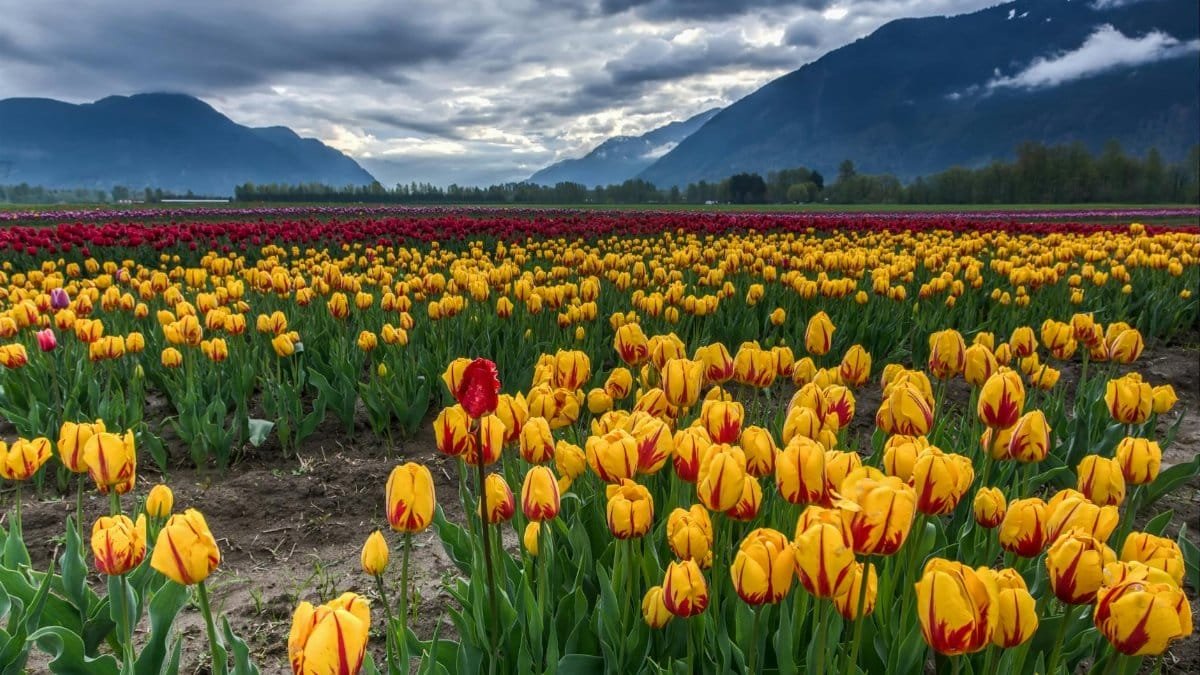
Amid blooming flowers and manicured paths, like those in Atlanta’s Botanical Garden, growth feels tangible. Gardens symbolize renewal, offering spaces where emotional clarity blossoms alongside petals. Strolling among vibrant displays, one absorbs lessons in patience and cycles. Research from the National Institutes of Health connects horticultural therapy to reduced depression, fostering mental space for reflection. An elderly gardener might whisper about how tending plants healed her grief, turning loss into legacy. Pests or wilted blooms remind of impermanence, yet they underscore restoration’s beauty. These green oases invite sensory engagement, from earthy scents to soft textures, grounding scattered thoughts.
As urban dwellers crave nature in 2025, gardens provide accessible paths to inner peace.
7. Yoga Studios

In the dim light of a studio, bodies twist and breathe in unison, chasing emotional clarity through movement. Places like those in San Francisco’s yoga scenes emphasize presence over perfection. Mats become arenas for releasing tension, creating mental space amid poses. A meta-analysis in the Journal of Alternative and Complementary Medicine links yoga to improved emotional regulation, aiding restoration. Picture a class ending in savasana, where stillness reveals hidden insights. Instructors note varying energy levels, with some days feeling more challenging, yet persistence builds strength. These studios foster community without overwhelming interaction, allowing personal journeys to unfold.
With mindfulness apps surging, physical studios remain irreplaceable for embodied healing.
8. Coffee Shops with Nooks
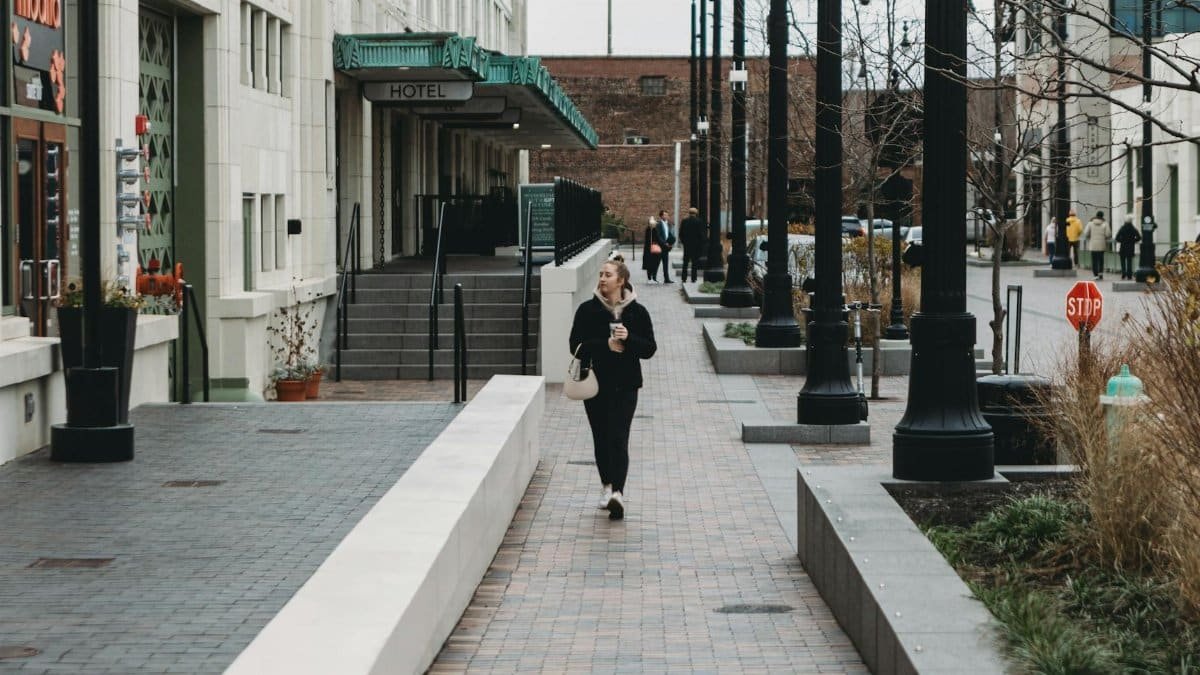
Tucked in a corner booth of a Seattle café, steam rising from a mug, the hum of conversation fades into background. Such spots offer urban mental space, blending solitude with subtle life. Sipping slowly, thoughts untangle like steam dissipating. Surveys from Gallup show that quiet public spaces help 45% of workers recharge emotionally. One patron described journaling there as a ritual for restoration, turning caffeine into clarity fuel. Distractions like loud orders test focus, but they mimic real-world noise, training resilience. These nooks transform routine breaks into opportunities for emotional reset.
In fast-paced 2025, they serve as everyday anchors for mental well-being.
9. Personal Home Sanctuaries

Finally, consider the corner of your own living room, arranged just so—a chair by the window, perhaps a plant or candle. Home sanctuaries personalize emotional clarity, mental space, and restoration without travel. Customizing space to one’s needs amplifies its power, as noted in environmental psychology studies. Creating a ritual, like morning meditation, builds habits that endure. Challenges include household interruptions, yet boundaries can turn them into strengths. These intimate spots remind us that restoration often starts within familiar walls.
As remote work evolves in 2025, home becomes a prime venue for ongoing emotional care.