

In a recent poll by the Pew Research Center, nearly 40% of Americans reported shifting their priorities away from career ladders toward personal fulfillment in the past five years. That’s up from just 25% a decade ago, according to the Pew Research Center’s social trends reports. This surge reflects a broader movement toward redefining success, values-based living, meaning. People are stepping back from the grind. They’re seeking spaces that nurture well-being over wealth. It’s not about escaping life. It’s about embracing what truly matters. As traditional metrics like promotions and paychecks lose their shine, individuals are gravitating to environments that align with deeper values. These places offer respite, connection, and purpose. They remind us that success isn’t always measured in dollars. Sometimes, it’s found in quiet moments or shared experiences. This trend, gaining steam in 2025, points to a cultural pivot. More folks are choosing paths that honor their inner compass.
1. Cozy Home Nooks

Many start their journey inward right at home. After years chasing corporate goals, Sarah, a former executive in Chicago, transformed her living room into a sanctuary. She swapped boardroom battles for bookshelves lined with journals and plants. “It was like breathing again,” she recalled. This shift isn’t rare. Homes become havens when success gets redefined. People carve out corners for reflection. A soft chair by the window. A desk for creative pursuits. These spots foster values-based living. They encourage pausing amid chaos. Studies from the American Psychological Association show that personalized home environments boost mental health. In 2025, with remote work blurring boundaries, such nooks help separate ambition from authenticity. One online account described it vividly: feeling anchored after turning a spare room into a meditation space. No more rushing. Just presence. This place prioritizes meaning over metrics.
Yet tensions arise. What if home feels cluttered with past ambitions? Clearing space literally and figuratively helps. It’s about intentionality. Short bursts of decluttering lead to longer stretches of peace. Active choices like these redefine daily rhythms.
2. Local Parks and Green Spaces
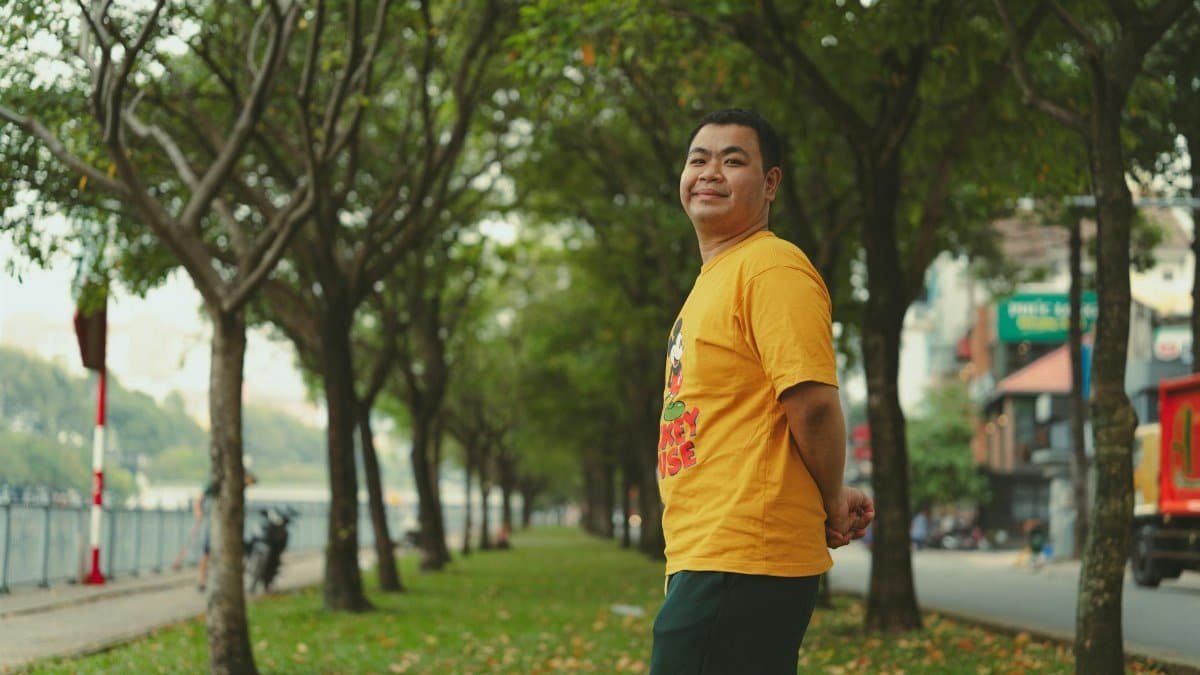
Step outside, and nature calls. Imagine a middle-aged couple in Seattle ditching weekend overtime for hikes in nearby parks. Their story echoes many: post-burnout, they found solace in trails and trees. Parks offer a break from urban hustle. They invite unhurried walks. Birdsong replaces email pings. This preference ties directly to redefining success. Values like sustainability and health take center stage. A report from the National Park Service highlights how green spaces reduce stress. In bustling cities, these areas become vital. People picnic with friends. They jog alone, pondering life’s meaning. One shared experience online noted the clarity gained from watching leaves change. It’s grounding. Success feels less about achievements and more about alignment with nature’s pace.
Challenges persist, though. Crowded weekends can disrupt the calm. Seeking off-peak times or lesser-known spots helps. Variety keeps it fresh: a bench for reading one day, a path for cycling the next. Such adaptations make the preference sustainable.
3. Community Centers and Volunteer Hubs

What draws people to bustling community centers? Connection, often. Take Mark from Atlanta, who left a high-stakes sales job to volunteer at a local food bank. His days now revolve around helping others, not hitting quotas. These hubs pulse with shared purpose. They embody values-based living by prioritizing community over competition. Classes, events, and service opportunities abound. A study by the Centers for Disease Control and Prevention links volunteering to improved well-being. In 2025, as remote isolation lingers, these places combat loneliness. Folks teach skills or join groups. Laughter fills the air. Meaning emerges from collective efforts, redefining success as impact rather than income.
But burnout can creep in here too. Balancing involvement with self-care is key. Start small: one event per week. Build from there. This approach ensures the space remains a source of joy, not obligation.
4. Independent Bookstores and Libraries

Books have a way of reshaping perspectives. In quiet aisles of indie bookstores, readers like Elena in Boston rediscover forgotten passions. She traded finance reports for novels that explore human depths. These venues aren’t just for browsing. They host discussions on life’s big questions. Patrons linger over coffee, debating ideas. This aligns with seeking meaning beyond material gains. Libraries, with free access, democratize the pursuit. Research from the Institute of Museum and Library Services shows they enhance community knowledge. Amid 2025’s digital overload, analog escapes feel revolutionary. One anonymous forum post captured it: curling up with a book that challenged old success notions brought profound shifts.
Not every visit sparks epiphanies. Some days, it’s just skimming. That’s fine. The habit builds over time, weaving intellectual growth into everyday life. Variety in genres keeps engagement high.
5. Wellness Retreats and Spas

Retreats promise renewal. Picture a group in California’s hills, practicing yoga at dawn. Many arrive exhausted from achievement-driven lives, leaving refreshed. These spots emphasize holistic health. Massages, mindfulness sessions, nature immersion. They facilitate redefining success through self-care. Values like balance and compassion flourish here. A wellness study by the National Institutes of Health underscores retreats’ benefits for stress reduction. In an era of constant connectivity, disconnecting recharges. Participants share stories around campfires, finding common ground in their quests for meaning.
Cost can be a barrier, though. Affordable local options exist, like day spas. Even homemade retreats work: a weekend of unplugging at home. Flexibility makes this preference accessible to more.
6. Art Studios and Creative Workshops

Creativity unleashes hidden potentials. In New York lofts turned studios, former lawyers now paint canvases. Their shift highlights how artistic spaces nurture expression. Workshops encourage experimentation without judgment. Pottery, drawing, music. These activities tie into values-based living by honoring inner voices. Success becomes about creation, not accolades. Insights from the National Endowment for the Arts reveal arts participation boosts empathy and resilience. As 2025 sees rising interest in hobbies, these places thrive. One person’s tale: sculpting clay helped process career regrets, leading to newfound purpose.
Inspiration doesn’t always flow. Dry spells happen. Instructors advise persistence. Mixing mediums prevents stagnation, keeping the creative fire alive.
7. Spiritual Centers and Meditation Halls
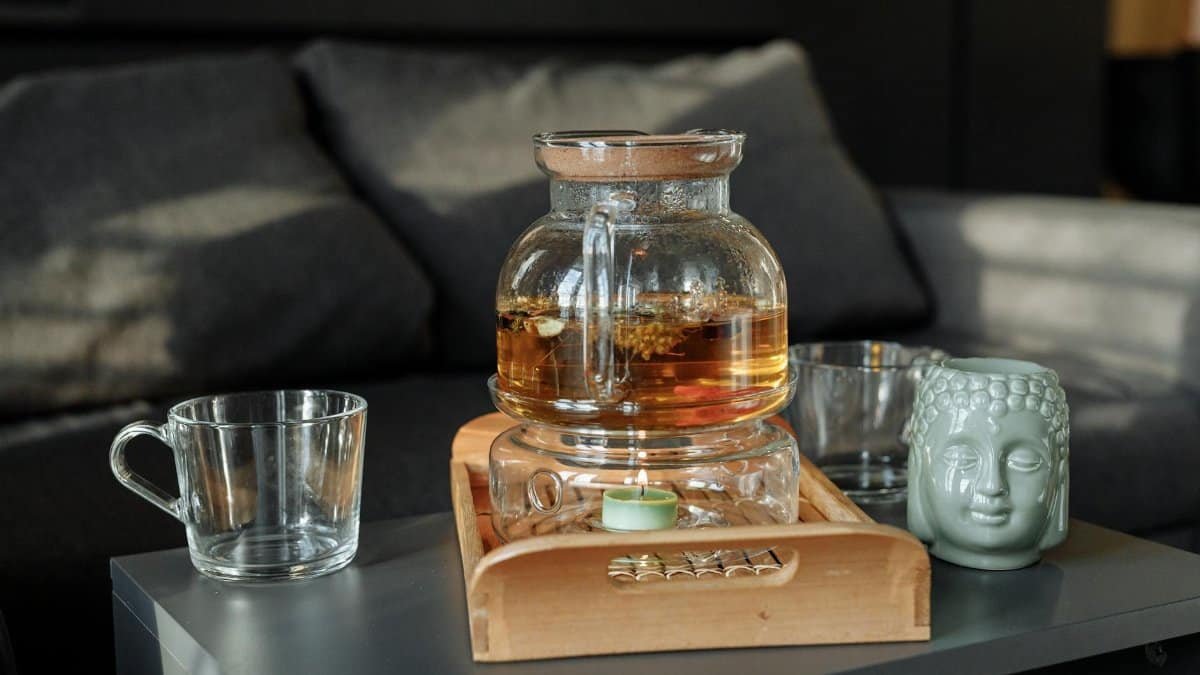
Seeking transcendence? Spiritual centers beckon. From Midwest churches to coastal ashrams, they offer solace. Individuals like Tom in Denver attend silent retreats, emerging with clearer values. These halls promote introspection. Chants, prayers, guided sessions. They redefine success as spiritual alignment. Meaning deepens through contemplation. Data from the Pew Research Center’s religion studies notes growing interest in mindfulness practices. In turbulent times, such spaces provide anchors.
Doubts may surface. Not everyone resonates with organized settings. Personal practices at home can substitute. The key is consistency, whatever the form.
8. Local Cafes and Gathering Spots
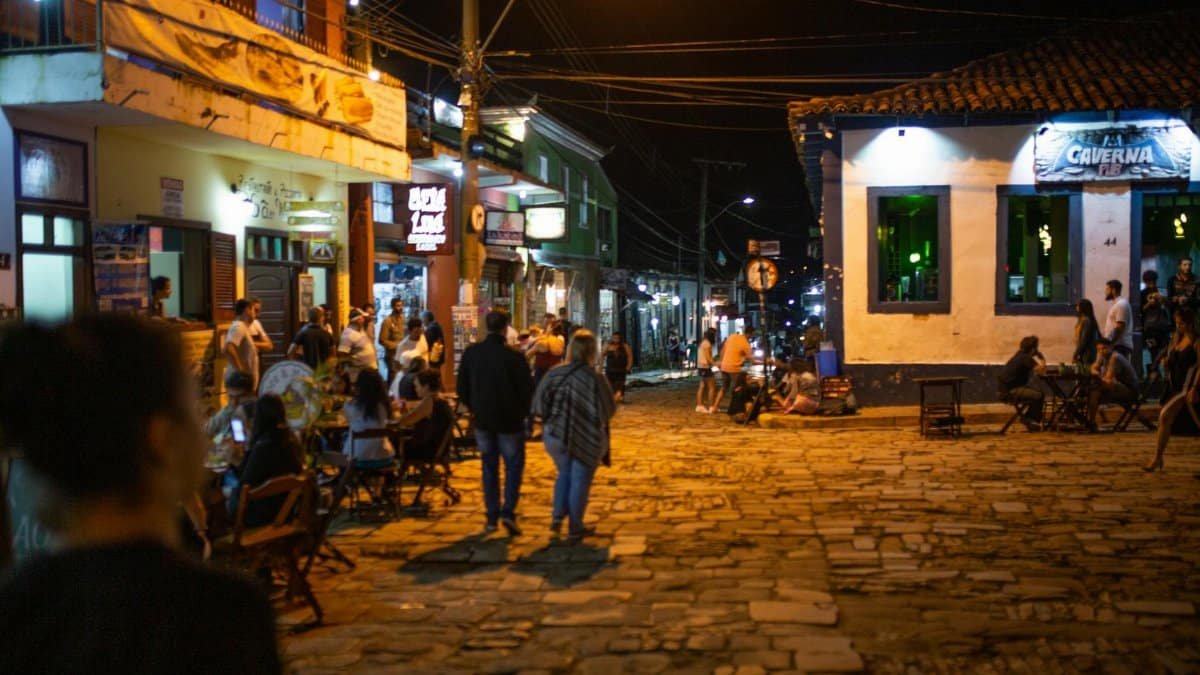
Cafes hum with casual encounters. In Portland’s cozy spots, conversations flow over lattes. People like Lisa, once tied to office politics, now meet friends for heartfelt talks. These venues foster belonging. No agendas, just presence. They support redefining success by valuing relationships. A sip of coffee, a shared laugh. Community builds organically. Findings from Harvard School of Public Health link social ties to longevity. In 2025’s hybrid world, these hubs bridge gaps.
Noise can overwhelm. Quieter corners or off-hours visits help. It’s about quality interactions, not quantity.
9. Personal Gardens and Outdoor Plots
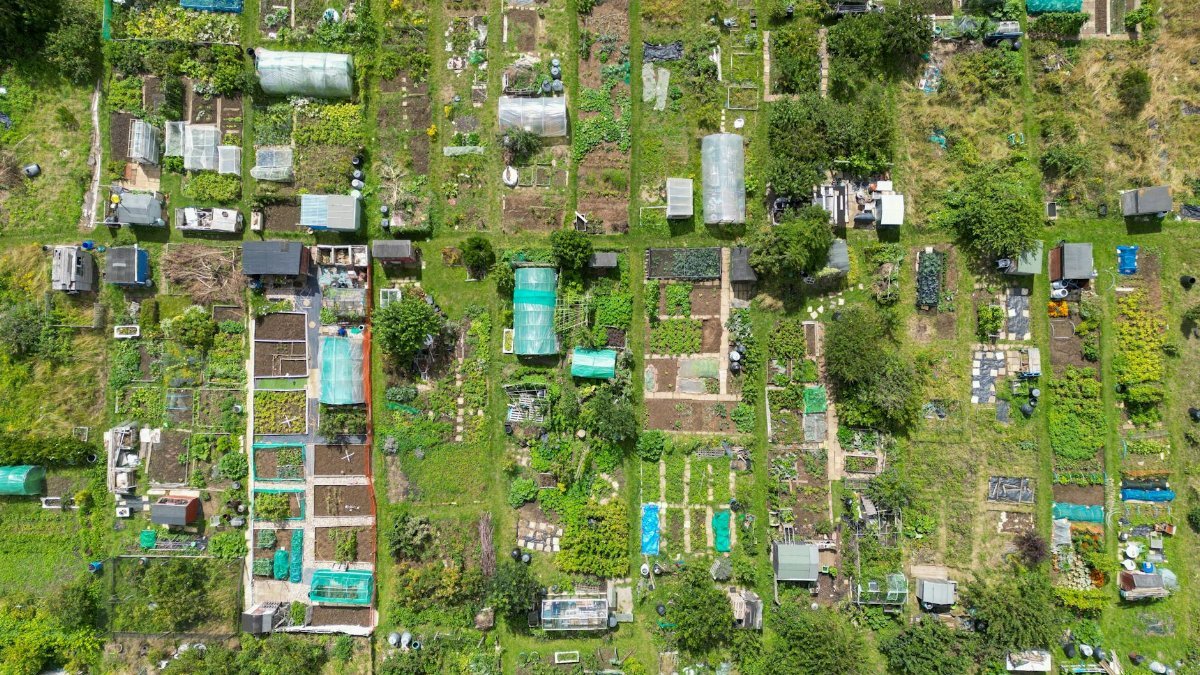
Gardens ground us literally. Tending soil in suburban backyards, folks like Maria in Texas grow more than vegetables. Her plot symbolizes patience and growth. After corporate climbs, she finds meaning in harvests. These spaces teach resilience. Planting, weeding, blooming. Values-based living thrives here, emphasizing sustainability. A USDA report on community gardening shows benefits for mental health. As climate awareness rises in 2025, personal plots gain appeal. They connect us to cycles beyond ambition.
Weather and pests challenge. Starting small mitigates risks. Over time, the rewards outweigh efforts, mirroring life’s broader lessons.