

In a world where stress seems baked into daily life, a surprising statistic offers a glimmer of hope: according to a 2023 survey by the American Psychological Association, nearly 70% of pet owners reported reduced anxiety levels thanks to their furry companions, a trend that’s only climbing as we head into 2025. This isn’t just feel-good fluff; it’s rooted in science showing how animals tap into age-old instincts to foster human well-being. Pets, with their innate behaviors, provide a quiet antidote to modern chaos. Think about it: those simple, instinctual actions from cats and dogs often create pockets of calm amid the storm. As researchers delve deeper, it’s clear that these pet instincts support mental ease in ways we’re just beginning to fully appreciate. From soothing purrs to loyal companionship, the bond runs deep, offering support that’s both primal and profoundly effective.
1. The Calming Purr of Cats
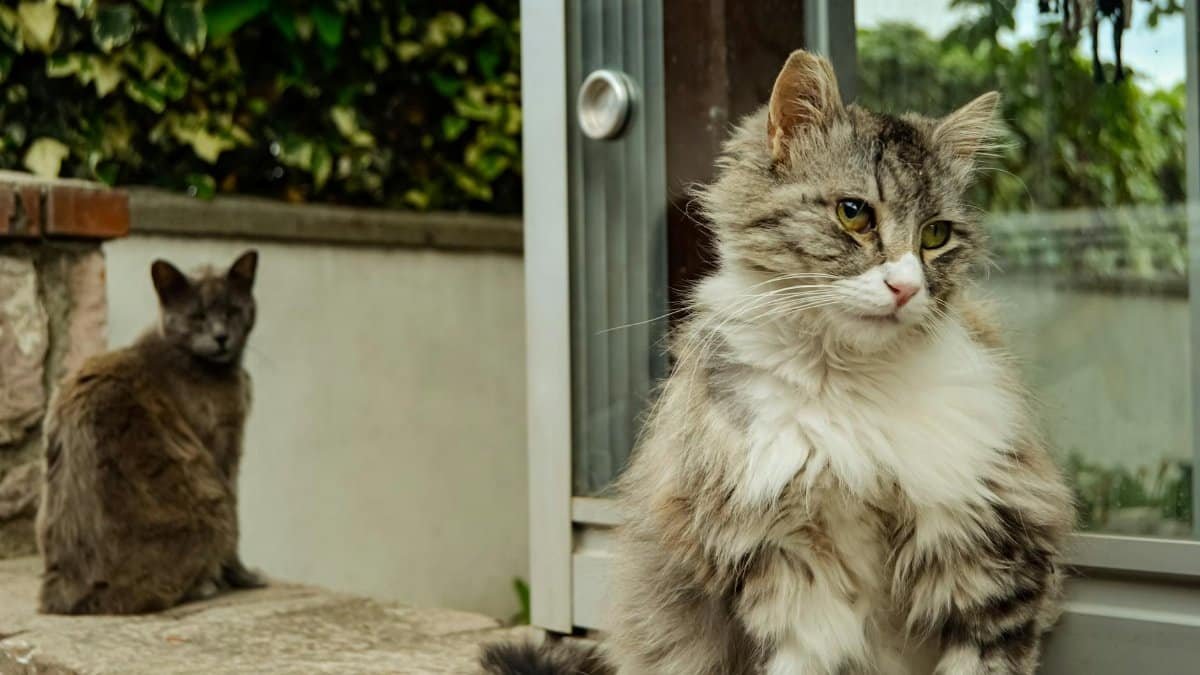
Cats have a way of turning a tense moment into something softer, almost without trying. Their purring, an instinct honed over millennia for communication and self-soothing, vibrates at frequencies between 25 and 150 Hertz. Studies suggest this range can promote healing and reduce stress in humans too. One afternoon in a bustling New York apartment, a woman named Sarah found herself overwhelmed by work emails. Her tabby cat jumped onto her lap and began to purr steadily. Within minutes, Sarah’s breathing slowed, her shoulders relaxed. It’s not magic; it’s biology. Research from the National Institutes of Health highlights how such vibrations mimic therapeutic sound waves, easing muscle tension and lowering blood pressure. In 2025, with remote work still dominating, more people are turning to these feline instincts for mental support, finding solace in the rhythm that cats offer instinctively.
Yet, this instinct isn’t one-size-fits-all. Some cats purr when anxious themselves, creating a shared calm that builds empathy. Imagine the subtle hum filling a quiet room, a reminder that support can be wordless and profound.
2. Dogs’ Instinctive Tail Wagging for Joy

Picture a dog spotting its owner after a long day: the tail starts whipping back and forth, a burst of unfiltered happiness. This wagging is more than excitement; it’s an evolutionary signal of friendliness, designed to strengthen social bonds. For humans, witnessing it triggers a rush of oxytocin, the hormone tied to trust and affection. A study published in the journal Frontiers in Psychology found that interacting with wagging dogs can decrease cortisol levels by up to 20% in stressed individuals. One online account shared anonymously described a veteran struggling with PTSD who said his dog’s enthusiastic greets pulled him out of dark spirals, making each homecoming a small victory.
The instinct varies by breed, but the effect is universal, weaving joy into routines. It invites us to pause, smile, and connect, turning ordinary moments into mental resets.
3. Nesting Behaviors That Create Safe Spaces

Animals like rabbits or dogs often dig or arrange bedding to form cozy nests, an instinct for security and warmth. When pets do this in our homes, they inadvertently craft havens that encourage us to unwind. Consider how a dog’s circled spot on the couch becomes an invitation to join, fostering a sense of shared sanctuary. Data from the Centers for Disease Control and Prevention notes that pet ownership correlates with lower depression rates, partly due to these comforting rituals. In a Chicago suburb, a family observed their golden retriever fluffing blankets before settling in, which prompted evening wind-downs that eased everyone’s evening anxiety.
This behavior highlights a tension: while pets seek safety, they extend it to us, blurring lines between instinct and intentional care. It’s a subtle support system, grounding us in the present.
4. Grooming Rituals for Bonding and Calm
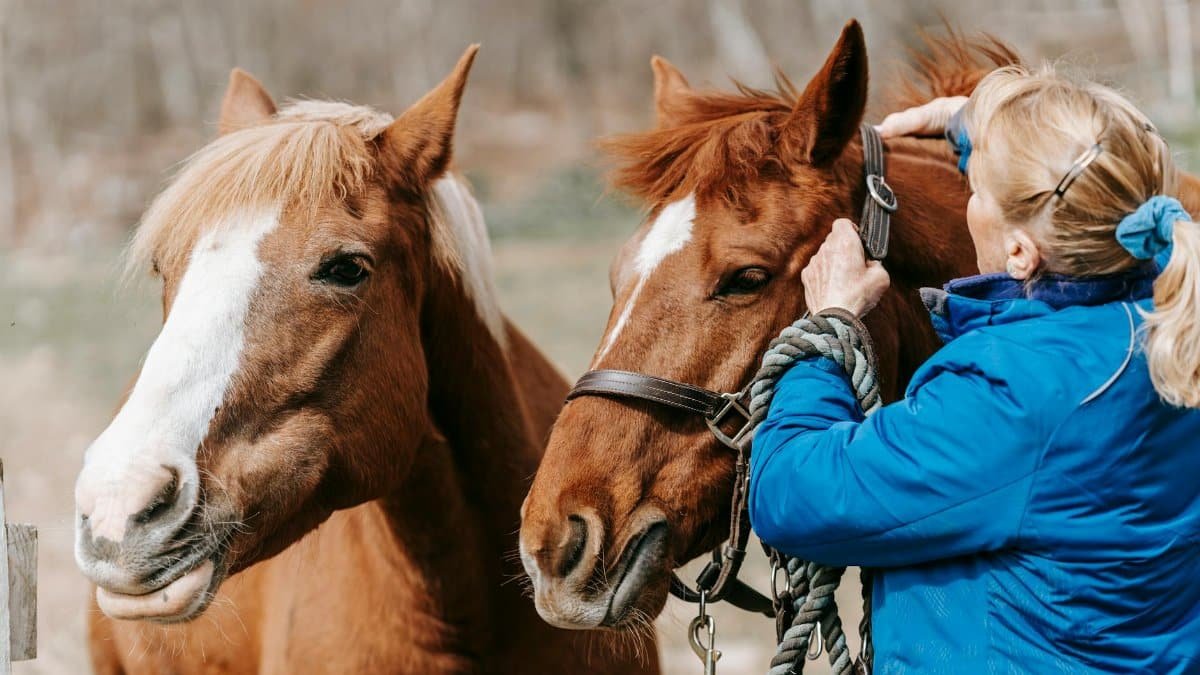
What starts as a survival instinct in pets, like cats licking their fur to stay clean, evolves into affectionate grooming of their humans. This touch-based interaction releases endorphins, mimicking the effects of a gentle massage. A report from Pew Research Center indicates that 85% of U.S. pet owners view their animals as family, with grooming moments strengthening that tie. Dive into a scene where a cat methodically licks a owner’s hand during a quiet evening; the repetitive motion soothes racing thoughts, offering mental respite.
Not every grooming session is serene, some get playful or insistent, adding layers of interaction that keep the support dynamic and engaging.
5. Playful Chasing and Hunting Instincts

Pets channel their predatory roots through play, like a cat batting at a toy or a dog chasing a ball. This instinct not only keeps them fit but draws owners into lighthearted activity, combating sedentary lifestyles that fuel mental fatigue. Engaging in these games can boost dopamine, as per findings in animal behavior studies. One middle-aged reader might recall tossing a frisbee, laughter bubbling up as the dog’s enthusiasm infects the air, turning a park outing into therapy.
The chase reveals contrasts: raw energy meets controlled fun, reminding us that mental ease often hides in movement and mirth.
6. Protective Instincts Building Security

Dogs, in particular, have an innate drive to guard their pack, barking at strangers or staying close during unease. This vigilance provides a psychological buffer, making owners feel safer and less alone. Surveys show reduced loneliness among those with protective pets, linking back to evolutionary roles. Imagine a late-night walk where a loyal hound’s alert stance dispels shadows of worry, fostering a deeper sense of support.
Yet, overprotectiveness can sometimes amplify fears, a nuance that pet training helps balance for optimal mental benefits.
7. Empathy and Emotion-Sensing Abilities

Many pets instinctively tune into human emotions, approaching with nuzzles when sadness strikes. This mirroring stems from social pack behaviors, offering comfort without words. Research underscores how such empathy lowers heart rates during distress. A brief tale: during a tough breakup, a woman’s parrot mimicked soothing coos, its instinctual response easing her isolation.
This connection thrives on subtlety, where a pet’s quiet presence speaks volumes, supporting mental health through unspoken understanding.
8. Routine-Seeking for Stability

Pets thrive on schedules, from mealtimes to walks, imposing a structure that benefits owners too. This instinct counters the unpredictability of life, reducing anxiety through predictability. In 2025, with hybrid work blurring boundaries, these routines anchor many. One example: a cat’s insistent morning meows prompt a consistent start, setting a calm tone for the day.
Routines aren’t rigid; they adapt, providing flexible support that evolves with our needs.
9. Affectionate Nuzzling for Connection

Finally, the simple nuzzle, an instinct for scent-marking and bonding, delivers tactile reassurance. It stimulates feel-good chemicals, combating isolation. As trends show rising mental health awareness, these gestures gain appreciation. Reflect on a dog pressing its nose against a leg during a stressful call; it’s a primal reminder of connection, weaving instincts into everyday mental support.
In wrapping these threads, the variety in pet behaviors underscores a broader truth: nature’s designs often hold keys to our well-being, inviting us to lean in.