
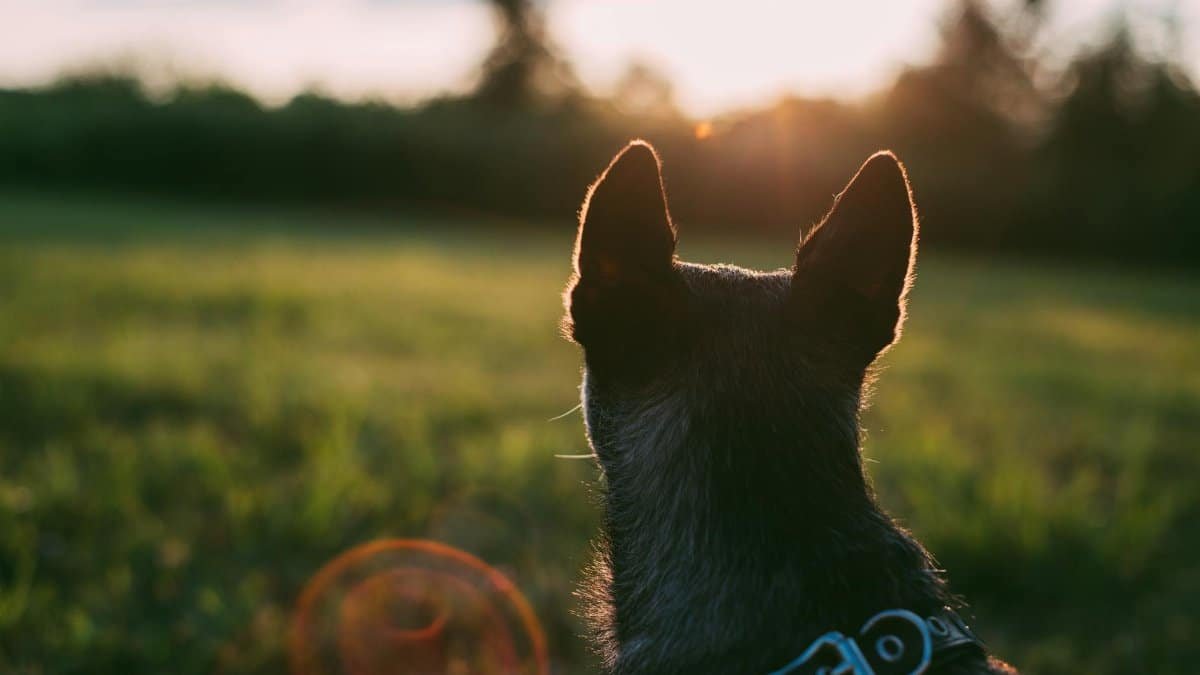
In a recent survey by the American Pet Products Association, nearly 70 percent of U.S. households own a pet, a number that’s climbed steadily over the past decade, reflecting a deeper reliance on animal companions for emotional support. This trend rings especially true in Georgia, where sprawling suburbs and rural areas foster close bonds between people and their pets. Amid rising stress levels from work and daily life, many residents are turning to these furry friends not just for companionship, but for subtle behaviors that strengthen emotional safety. A study from the University of Georgia highlights how such interactions can reduce anxiety by up to 30 percent. As we navigate 2025’s uncertainties, these small, instinctive actions from pets offer a quiet anchor, reminding us of the profound ways animals intuitively bolster our inner worlds.
1. The Comforting Gaze of Eye Contact

Picture a quiet evening in a Savannah home, where a golden retriever locks eyes with its owner after a long day. This simple act, often overlooked, builds trust and emotional security. Research from the American Psychological Association shows that mutual gazing between humans and dogs releases oxytocin, the hormone linked to bonding. In Georgia’s humid summers, when isolation can creep in, this gaze becomes a lifeline. One anonymous account shared online described feeling instantly calmer during a panic episode, as their dog’s steady eyes conveyed unspoken understanding. It’s not magic; it’s biology at work, weaving a safety net through silent connection.
Yet, not all pets offer this equally. Cats, for instance, might blink slowly instead, a feline version of affection that signals relaxation. In bustling Atlanta apartments, where space is tight, these moments stand out. They remind us that emotional safety isn’t about grand gestures but consistent, small reassurances.
2. Tail Wags as Signals of Joy and Presence
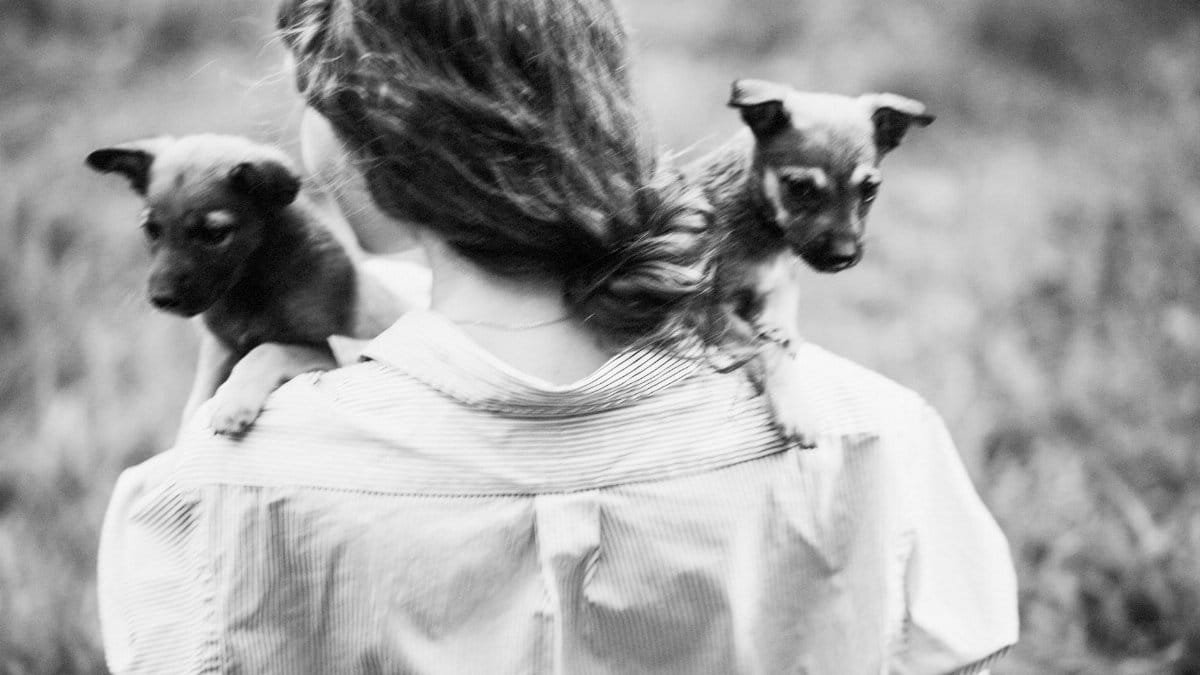
“Look at that wag—it’s like she’s saying everything’s okay,” a Macon resident once remarked about her beagle during a family gathering. Tail wagging isn’t just enthusiasm; it’s a pet’s way of mirroring and amplifying positive emotions, creating a buffer against negativity. According to findings from the National Institutes of Health, such behaviors can lower cortisol levels, fostering a sense of safety. In Georgia’s varied landscapes, from coastal plains to mountain trails, dogs’ enthusiastic greetings after absences reinforce belonging.
This extends beyond dogs. Even rabbits thump or binky in excitement, subtle cues that lighten the mood. Consider a scenario in Augusta, where a child’s laughter erupts as their hamster spins in delight. These actions subtly shift the atmosphere, strengthening emotional resilience without words.
3. Purring Rhythms That Soothe the Soul

What if the low hum of a cat’s purr could mend frayed nerves? In quiet corners of Athens, where university life buzzes with stress, many find solace in this vibrational therapy. Studies from the Florida Atlantic University suggest purring frequencies promote healing and reduce blood pressure. It’s a behavior that strengthens emotional bonds, turning a pet into a living stress reliever.
One Georgian shared a story of curling up with their tabby during a thunderstorm, the purr drowning out the chaos outside. This isn’t coincidence; cats purr when content or even when comforting others. In 2025, as mental health conversations evolve, these natural rhythms offer accessible calm, especially in rural areas where professional help might be scarce.
4. Nuzzling for Reassurance and Closeness

A horse in a North Georgia pasture gently nuzzles its rider’s hand, a gesture loaded with empathy. This physical contact, common in equine therapy programs, builds emotional safety by affirming presence. Data from the American Psychological Association’s monitor indicates that touch from animals can alleviate symptoms of PTSD. In a state known for its equestrian traditions, such behaviors resonate deeply.
Smaller pets like guinea pigs burrow close, offering similar comfort. Imagine a veteran in Valdosta finding peace through a rabbit’s soft nudges. These interactions highlight how pets intuitively sense distress, providing a nonjudgmental space to heal.
5. Playful Antics to Lighten Heavy Moods
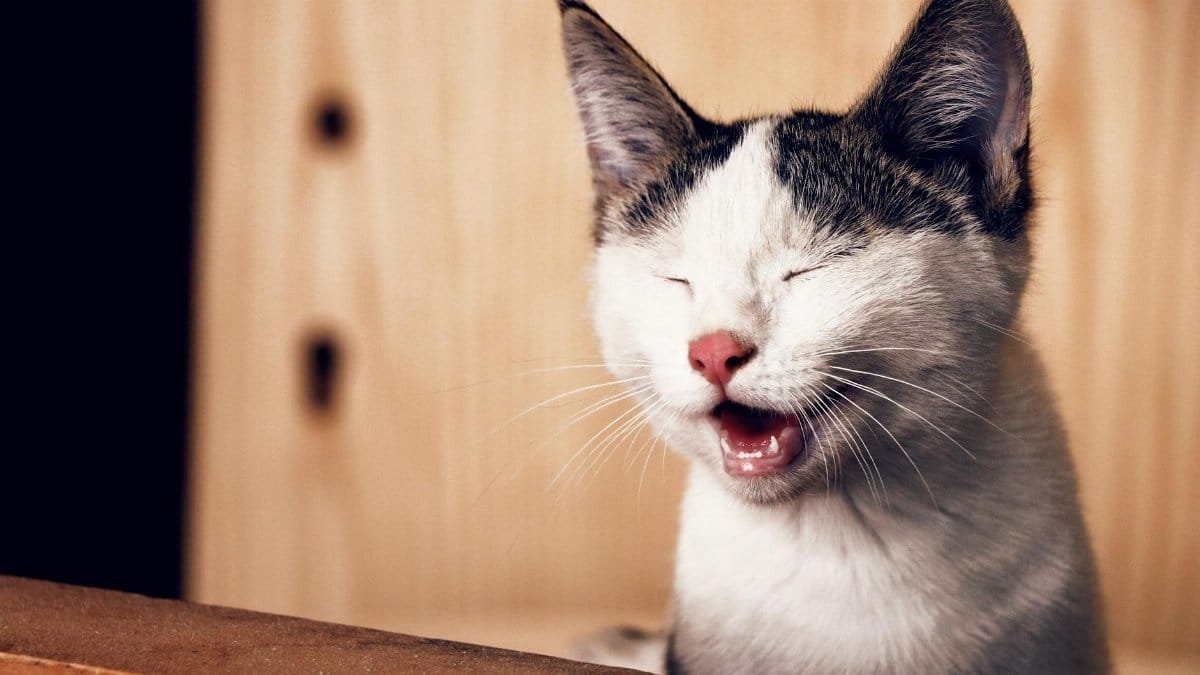
Laughter erupts in a Columbus backyard as a kitten chases a laser pointer, its antics pulling the family from a tense argument. Playfulness in pets disrupts negative cycles, injecting joy that strengthens emotional foundations. Research published in the Current Directions in Psychological Science links animal play to improved human mood regulation.
In Georgia’s warm climate, outdoor play with dogs or birds becomes a daily ritual. These moments aren’t frivolous; they rebuild resilience, turning potential meltdowns into shared delight. One online reflection noted how a parrot’s mimicry of laughter diffused workplace stress carried home.
6. Alertness to Environmental Cues
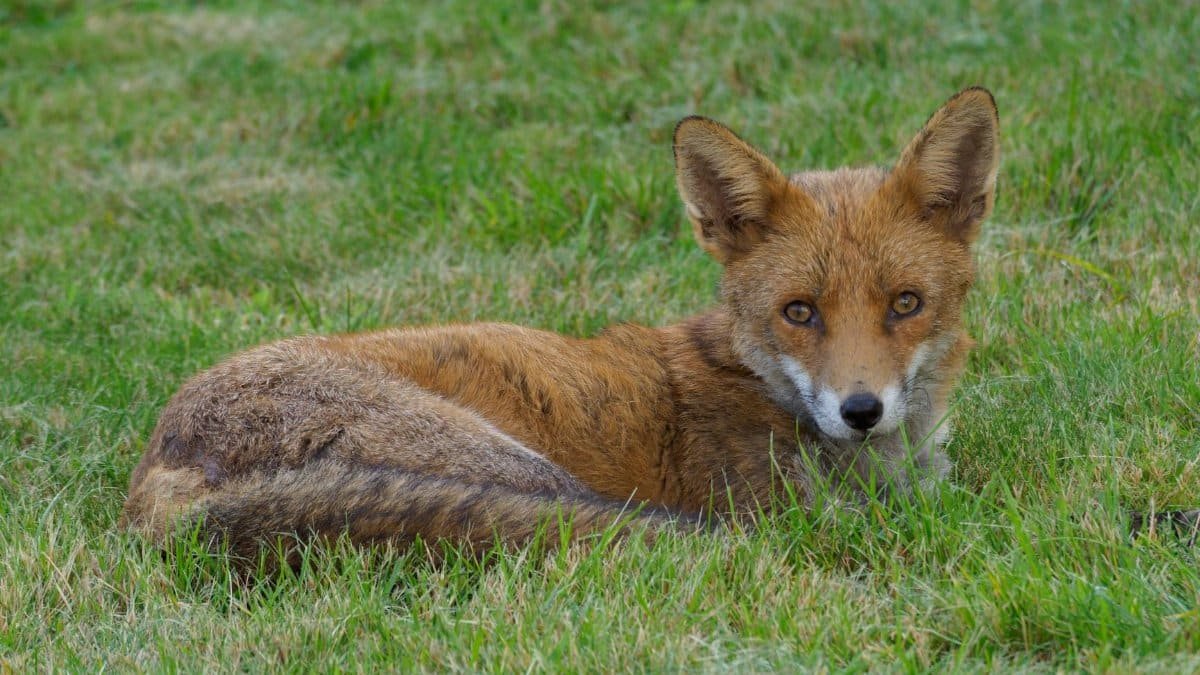
Dogs in rural Georgia often perk up at distant sounds, alerting owners to changes and instilling a sense of security. This vigilance, rooted in pack instincts, extends to emotional realms, where pets detect subtle shifts in human demeanor. A report from the Centers for Disease Control and Prevention underscores how service animals enhance safety perceptions.
Birds, too, chirp warnings or mimic calm tones. In a Decatur household, a cockatiel’s sudden quietness prompted a checkin during a low moment. Such behaviors foster proactive emotional care, making homes feel like sanctuaries.
7. Grooming Rituals as Acts of Care

Watching a cat meticulously groom itself, then extend the gesture to a companion animal or even a human, reveals layers of bonding. In Georgia’s petfriendly communities, this behavior symbolizes mutual care, strengthening emotional ties. Insights from The Humane Society explain how grooming reduces stress in social groups.
For owners, participating in brushing sessions becomes therapeutic. A story from Rome illustrates a widower finding purpose in grooming his sheepdog, the routine anchoring his days. It’s a reminder that care flows both ways.
8. Resting Together for Shared Tranquility

In the hush of a Brunswick dawn, a dog curls up beside its sleeping owner, their breaths syncing in quiet harmony. This co-resting promotes emotional safety by regulating sleep patterns and reducing loneliness. Findings from Mayo Clinic affirm that sleeping with pets can improve rest quality.
Even fish tanks provide a mesmerizing calm, their gentle movements lulling viewers. In 2025, with sleep disorders on the rise, these behaviors offer natural remedies, deeply embedded in Georgia’s pet culture.
9. Vocalizations That Communicate Empathy
A soft whine from a puppy in Gainesville draws its owner into a hug, the sound a bridge to unexpressed feelings. Pets’ vocal cues, from meows to barks, validate emotions, creating safety nets. Research in Animal Behaviour journal shows animals adapt sounds to human contexts.
In diverse Georgia settings, from urban lofts to farmsteads, these vocalizations build dialogue. One account described a parrot echoing “it’s okay” during tears, a poignant echo of support. Ultimately, these behaviors that strengthen emotional safety weave pets into the fabric of our lives, offering enduring comfort.