
In a world where stress seems to lurk around every corner, a surprising statistic offers a glimmer of hope: according to a 2023 survey by the American Pet Products Association, over 70% of U.S. pet owners report that their animals help reduce anxiety and foster a sense of security in daily life. This isn’t just anecdotal; research from institutions like the National Institutes of Health underscores how interactions with pets can lower cortisol levels and boost oxytocin, creating a buffer against emotional turbulence. As we navigate the uncertainties of 2025, these findings highlight a timeless truth. Pets, through subtle yet powerful behaviors, strengthen emotional bonds and safety nets in ways that feel almost instinctive. Whether it’s a dog’s loyal gaze or a cat’s gentle kneading, these actions remind us of the profound, unspoken support animals provide, turning ordinary moments into anchors of calm.
1. The Welcoming Tail Wag

Dogs have a way of turning a simple homecoming into a celebration. That enthusiastic tail wag isn’t just excitement; it’s a signal of unconditional acceptance. Studies from the American Kennel Club show that this behavior releases endorphins in both pet and owner, fostering a sense of belonging. Imagine arriving after a grueling day at work, and your dog’s tail thumps rhythmically against the floor, erasing the isolation that built up during hours of meetings. It’s more than joy; it’s reassurance that you’re valued, no questions asked. This ritual can steady emotional ground, especially in households where human connections feel strained. One online account shared anonymously described how a rescue dog’s persistent wags helped rebuild trust after a difficult divorce, turning solitude into shared warmth.
Extending this, the wag often pairs with a full-body lean, amplifying the effect. Researchers at the National Institutes of Health have explored how such physical affirmations from pets correlate with reduced symptoms of depression. In 2025, with rising mental health awareness, these small gestures gain even more weight, offering a non-verbal language of safety amid life’s chaos.
2. Purring as a Soothing Rhythm
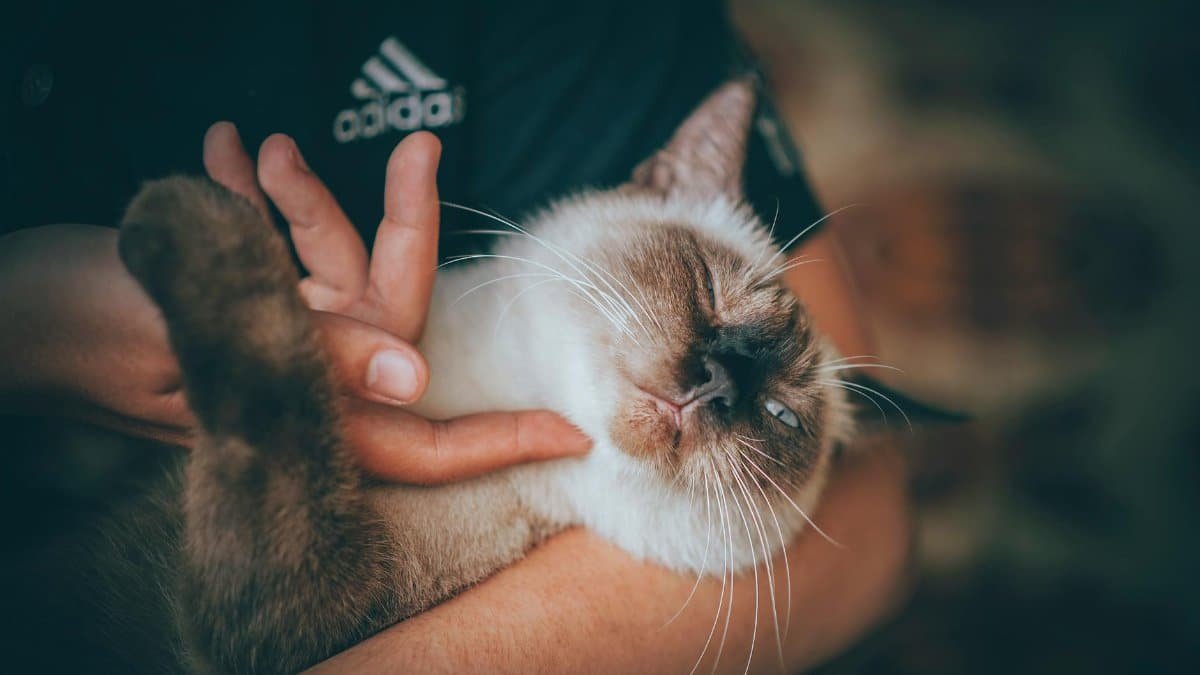
Cats purr with a frequency that vibrates right into your bones, often between 25 and 150 Hertz, a range linked to healing and calm. It’s not always about contentment; sometimes, it’s a self-soothing mechanism that extends to their humans. A study published in the Journal of Feline Medicine and Surgery notes how this sound can lower blood pressure. Picture curling up on the couch, the day’s worries piling up, and your cat settles on your lap, engine rumbling. That steady hum pulls you back from the edge, creating a pocket of peace.
Delving deeper, this behavior taps into evolutionary bonds. Owners often report feeling “chosen” by their purring feline, which strengthens emotional ties. In bustling U.S. cities like New York, where isolation can creep in, such moments provide essential grounding. Transitions to daily routines become smoother, as the purr acts like a natural reset button.
3. Gentle Nuzzling for Connection

What starts as a nudge from a pet’s nose can evolve into a profound exchange. Rabbits, for instance, nuzzle to show affection, mirroring behaviors that build trust. According to insights from the House Rabbit Society, this contact releases feel-good hormones, enhancing emotional safety. Envision a quiet evening where your bunny hops over and presses its nose against your hand; it’s a silent affirmation that you’re not alone.
This isn’t limited to small animals. Dogs and even birds engage in similar touches. A brief anecdote from a Midwestern family illustrates: after losing a job, one person found solace in their parrot’s gentle beak taps, which sparked laughter and lightened the load. Such interactions weave safety into the fabric of home life, making vulnerabilities feel less exposed.
4. Playful Invitations to Engage

Pets often initiate play with a toy drop or a playful bow, pulling owners into the moment. This behavior disrupts rumination, as per findings from Purdue University’s Center for the Human-Animal Bond, where play sessions are shown to decrease stress markers. It’s like a reset, inviting lightness where heaviness lingers.
Consider a scenario in a suburban home: a cat bats a ball toward you, eyes wide with mischief. Engaging shifts focus, strengthening emotional resilience. In 2025’s hybrid work era, these breaks become vital, countering screen fatigue with genuine interaction. The play fosters a safe space for vulnerability, where failures in a game mean nothing but fun.
5. Vigilant Watching Over You

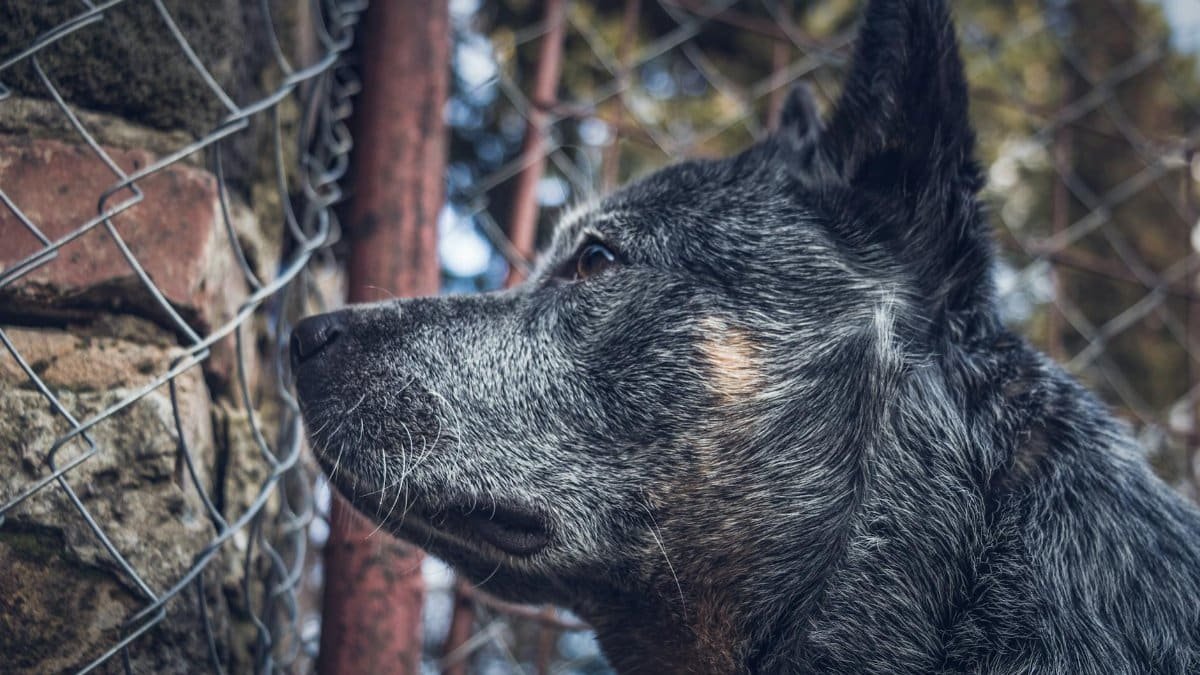
Many pets adopt a guardian role, positioning themselves to watch over their owners. Dogs, in particular, scan for threats, a trait rooted in pack dynamics. Research from the American Psychological Association links this vigilance to heightened feelings of security. It’s comforting, knowing a pair of eyes is always on alert.
This behavior extends to quieter moments, like a cat perching on a windowsill during your nap. It creates an invisible shield, easing subconscious fears. Families in rural areas often share stories of pets alerting to dangers, but even in everyday settings, this watchfulness builds a foundation of trust, making emotional openness easier.
6. Cuddling for Physical Reassurance

The act of a pet curling up against you provides tactile comfort that words can’t match. Guinea pigs, for example, seek body heat, signaling trust. A report from the Centers for Disease Control and Prevention highlights how such contact improves mood and reduces loneliness. Feel the weight of a dog on your feet; it’s grounding, a reminder of presence.
In deeper reflection, this cuddling mimics human bonds, filling gaps in social networks. One anonymous forum post recounted how a ferret’s nightly snuggles helped navigate grief, turning nights of insomnia into restful ones. As societal shifts in 2025 emphasize mental wellness, these behaviors underscore pets’ role in emotional fortification.
7. Mirroring Emotions to Validate

Pets often reflect our moods, tilting heads or offering paws in empathy. This mirroring, studied in animal behavior journals, validates feelings without judgment. For instance, a horse might lower its head during your distress, as noted in equine therapy programs, promoting emotional release.
Such responses create a loop of understanding. In urban apartments, where space is tight, a bird mimicking your whistle can spark connection. It strengthens emotional safety by affirming that your inner world matters, encouraging self-compassion in a judgmental society.
8. Routine Rituals for Stability

From feeding times to evening walks, pets enforce routines that anchor daily life. Cats demanding breakfast at dawn instill predictability, which Pew Research Center data associates with lower anxiety rates among owners. These habits build a scaffold of reliability.
Think of a dog’s expectant stare at walk time; it pulls you out of inertia. This consistency combats the flux of modern existence, weaving security into the mundane. Over time, it reshapes habits, making emotional steadiness a byproduct of shared rhythms.
9. Forgiving Responses to Mistakes

Pets forgive quickly, greeting you warmly even after a scolding. This unconditional stance teaches resilience, as explored in veterinary psychology. A quick tail wag post-mishap reminds us that errors don’t define bonds.
In practice, this forgiveness eases self-criticism. A story from a coastal town: after accidentally stepping on a tail, the owner’s cat returned for pets minutes later, dissolving guilt. It models grace, strengthening emotional safety by normalizing imperfection in relationships.