
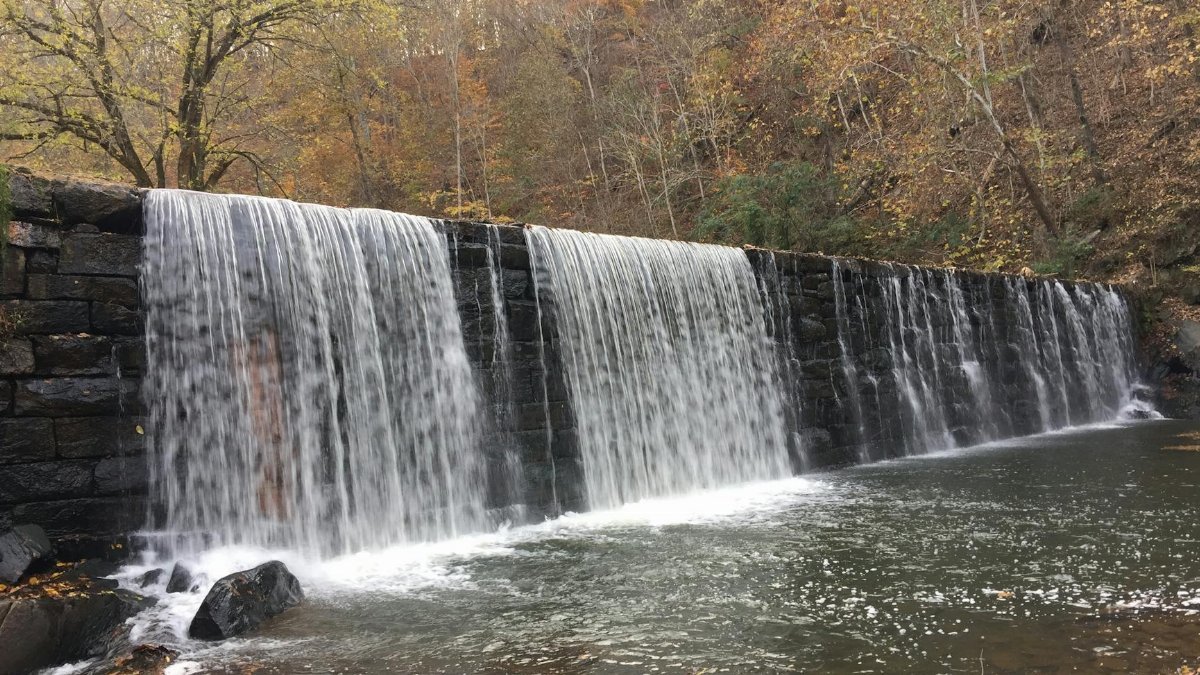
Walk down any street in Richmond these days, and you might notice folks pausing to watch squirrels dart through urban parks, their faces softening into rare smiles. This subtle shift ties into a broader cultural trend across Virginia, where more people are turning to nature behaviors that encourage calm amid the hustle of daily life. From the rolling Blue Ridge Mountains to the serene Chesapeake Bay shores, Virginians are rediscovering simple acts in the outdoors that soothe frayed nerves. A recent poll showed that over 60 percent of state residents now prioritize time in green spaces for mental health, up from a decade ago. It’s not just escapism; these behaviors foster a deeper sense of peace, grounded in the rhythms of the natural world. As we navigate 2025’s uncertainties, exploring these nature-driven habits could be key to finding balance.
1. Forest Bathing in Shenandoah

Shinrin-yoku, or forest bathing, originated in Japan but has taken root in Virginia’s lush woodlands. Visitors to Shenandoah National Park wander slowly among ancient oaks and maples, absorbing the scents of pine and earth. One hiker described it as letting the forest wash away the week’s stress, like a gentle rain. This practice lowers cortisol levels, according to research from the National Institutes of Health, which highlights how immersion in nature reduces anxiety. In Virginia, the park’s trails offer perfect spots for this, with dappled sunlight filtering through leaves. It’s not about hiking far; it’s about being present. A local group in Charlottesville organizes monthly sessions, where participants share how the quiet recalibrates their minds. Imagine standing still as birdsong fills the air, each breath syncing with the rustle of branches.
Yet, not everyone finds it easy at first. Some arrive distracted by phones, only to gradually unplug. This tension between modern habits and natural calm adds depth; overcoming it builds resilience. Studies suggest consistent exposure enhances mood over time, making it a habit worth cultivating.
2. Birdwatching Along the James River

Picture a misty morning on the James River, binoculars in hand, spotting a bald eagle soaring overhead. This behavior draws Virginians to riverbanks, encouraging calm through focused observation. The act of identifying species, from herons to warblers, demands patience, pulling the mind from daily worries. A study by the Cornell Lab of Ornithology links birdwatching to improved well-being, noting participants report lower stress after sessions. In Virginia, the river’s winding path through Richmond provides accessible spots, where urban noise fades into avian calls.
One anonymous online account shared feeling overwhelmed by work until a riverside outing shifted everything: “The birds didn’t care about my deadlines; their freedom reminded me to breathe.” Such stories illustrate how this practice fosters mindfulness. Groups like the Audubon Society host events here, blending education with relaxation. The key is starting small, perhaps with a feeder in your backyard, then venturing out.
Challenges arise in crowded areas, but finding quieter bends rewards the effort. Over time, it builds a rhythmic escape, tuning into nature’s subtle signals.
3. Gardening in Backyard Plots
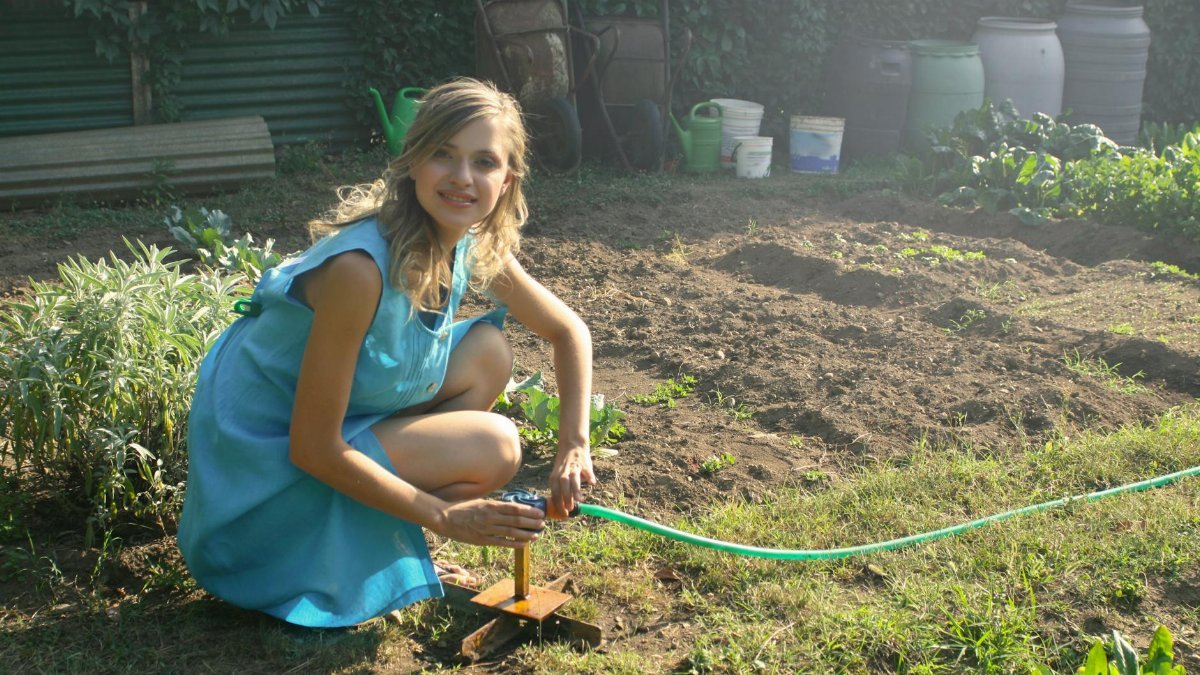
Digging into Virginia’s rich soil, planting tomatoes or herbs, transforms ordinary yards into sanctuaries. This hands-on behavior encourages calm by connecting people to growth cycles. The repetitive tasks, like weeding or watering, create a meditative flow, easing mental clutter. Research from the American Psychiatric Association supports gardening’s role in reducing depression symptoms, emphasizing its therapeutic tactile nature.
In suburban areas like Fairfax, community gardens buzz with neighbors sharing tips, their conversations light and unhurried. A brief tale from a local: an elderly resident found solace after loss, watching seedlings sprout as a metaphor for renewal. It’s not always perfect; pests or weather test patience, mirroring life’s unpredictability. But that’s the point, teaching acceptance through dirt-streaked hands.
Starting with pots on a balcony works for city dwellers. As seasons change in 2025, this behavior adapts, offering year-round calm amid Virginia’s variable climate.
4. Stargazing in Rural Skies

Away from city lights, Virginia’s countryside reveals a canopy of stars that quiets the mind. Lying on a blanket in places like the Shenandoah Valley, people trace constellations, letting cosmic vastness dwarf personal concerns. This nocturnal behavior promotes calm by shifting perspective, as noted in findings from the NASA astronomy resources, which discuss awe’s psychological benefits.
One evening, a family gathered, phones off, sharing stories under the Milky Way. The father recalled how it reminded him of childhood wonder, easing adult pressures. Online forums echo this, with users anonymously posting about rediscovering peace through dark-sky preserves. Virginia’s parks designate areas for this, minimizing light pollution.
Weather can interfere, adding an element of spontaneity. Yet, even cloudy nights invite reflection, turning inward. Integrating apps for star maps enhances the experience without overwhelming it.
5. Kayaking on Coastal Waters

Gliding across the Chesapeake Bay in a kayak, paddles dipping rhythmically, embodies a calming flow state. This water-based behavior in Virginia encourages presence, as waves and wildlife demand attention. The gentle exercise releases endorphins, per studies from the Centers for Disease Control and Prevention, linking outdoor activity to stress reduction.
A novice kayaker once described the shift: starting tense, then relaxing as seals popped up nearby, a moment of unexpected joy. Coastal outfitters in Virginia Beach offer guided tours, blending adventure with serenity. Tides pose challenges, requiring awareness, which heightens the mindfulness.
For beginners, calmer inlets provide entry points. In 2025, with rising interest in eco-tourism, this habit gains traction, fostering calm through nature’s fluid embrace.
6. Hiking Coastal Trails

Along Virginia’s eastern shores, trails wind through dunes and marshes, inviting hikes that soothe with salty breezes. This behavior encourages calm by combining movement with scenic immersion, slowing racing thoughts. A report from the National Park Service underscores hiking’s mental health perks, including enhanced clarity.
One trailblazer shared a hike where spotting wild ponies on Assateague Island melted away worries, a vivid snapshot of freedom. Groups organize dawn walks, where sunrise amplifies the peace. Uneven terrain tests balance, metaphorically and literally, building inner strength.
Accessibility varies, but shorter loops suit all levels. As trends evolve, this remains a staple for Virginians seeking grounded escape.
7. Picnicking in State Parks

Spreading a blanket in Pocahontas State Park, unpacking simple fare, turns meals into mindful rituals. This social yet serene behavior in Virginia encourages calm through unhurried connection with surroundings. Sharing food amid trees fosters gratitude, supported by wellness insights from the Harvard Health Publishing.
A group of friends recounted laughing over sandwiches as deer grazed nearby, the simplicity washing away week’s end fatigue. It’s adaptable; solo picnics offer introspection. Weather whims add adventure, prompting flexibility.
In urban edges, parks provide quick access. This habit weaves community into nature, enhancing calm collectively.
8. Foraging for Wild Edibles

Searching Virginia’s woods for berries or mushrooms hones focus, a behavior that encourages calm through deliberate exploration. Identifying safe finds, like ramps in spring, connects to ancestral rhythms. Guidance from the U.S. Forest Service emphasizes safe practices, linking foraging to mindfulness.
An enthusiast described the thrill of spotting morels, a quiet victory amid leaves. Classes in Roanoke teach basics, blending education with tranquility. Risks like misidentification teach caution, enriching the experience.
Starting small avoids overwhelm. In 2025, this revives forgotten skills, promoting serene self-reliance.
9. Meditation by Mountain Streams

Sitting beside a babbling brook in the Appalachians, eyes closed, breath steady, channels inner peace. This contemplative behavior in Virginia encourages calm by syncing with water’s flow, dissolving distractions. A study via the National Institutes of Health affirms meditation’s efficacy in nature settings for anxiety relief.
One practitioner recalled sessions where stream sounds drowned out mental noise, emerging refreshed. Retreats in the mountains facilitate this, offering guided starts. Solitude’s depth varies, but persistence yields profound stillness.
Accessible spots abound, making it inclusive. As Virginians embrace wellness trends, this caps a list of nature behaviors that encourage lasting calm.