

New data shows 45% of Americans are now incorporating nature-based rituals into their daily routines for stress relief, up from 30% just two years ago, according to a recent survey by the American Psychological Association. This surge highlights a growing trend amid rising mental health concerns in 2025. As urban life intensifies, people are turning to simple, outdoor practices to find calm. Rituals, stress, relief—it’s a combination that’s gaining traction for its accessibility and effectiveness. Experts say these methods tap into our innate connection with the environment, offering gentle ways to unwind without high costs or complex tools.
1. Forest Bathing for Deep Relaxation

Forest bathing, or shinrin-yoku, originated in Japan but has caught on big in the U.S. It involves slow, mindful walks in wooded areas, absorbing the sights, sounds and scents. Studies link it to lower cortisol levels and improved mood. A 2023 report from the National Center for Biotechnology Information confirms participants experienced reduced anxiety after just 20 minutes. In bustling cities like New York, locals head to Central Park for this ritual, reporting clearer minds and less tension. It’s straightforward: find a green space, breathe deeply and let nature work its magic.
2. Grounding Through Barefoot Walking
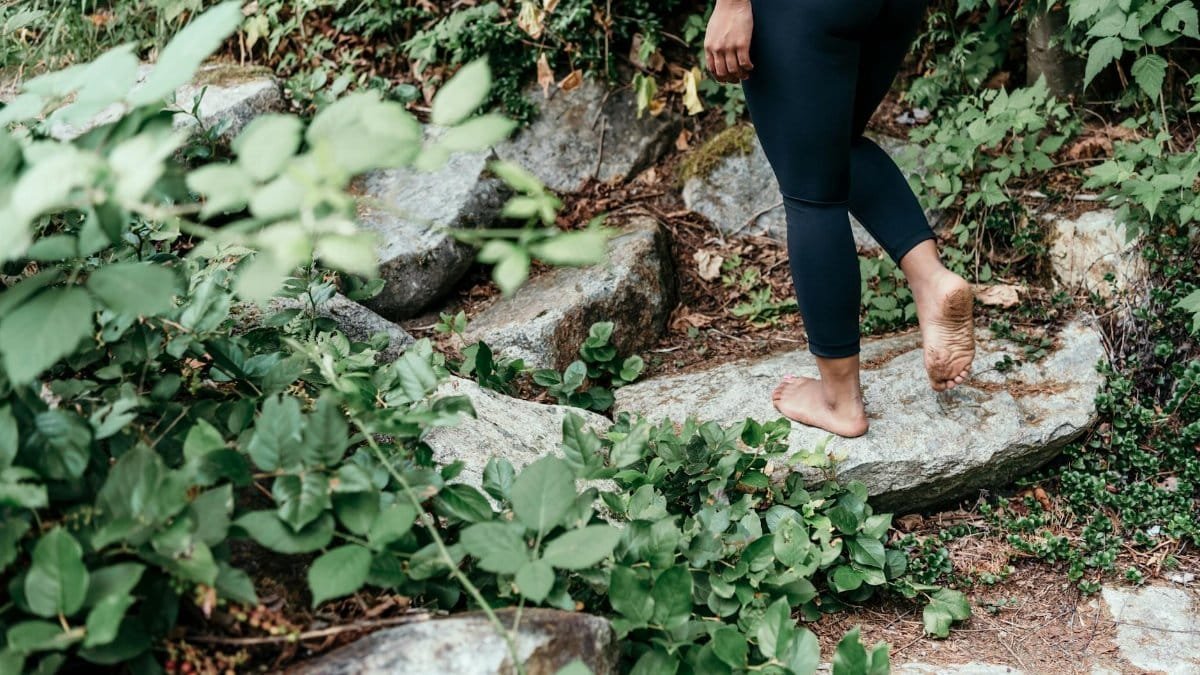
Grounding, also called earthing, means direct contact with the earth’s surface, often by walking barefoot on grass or soil. Proponents claim it balances the body’s electrical charge, easing stress. Research from the Journal of Environmental and Public Health suggests it can reduce inflammation and improve sleep, key factors in stress management. Americans in suburban areas are trying it in backyards or parks, especially during warmer months in 2025. Start with 10 minutes daily; users say it brings a sense of stability amid chaotic schedules.
3. Herbal Tea Rituals Amid Nature
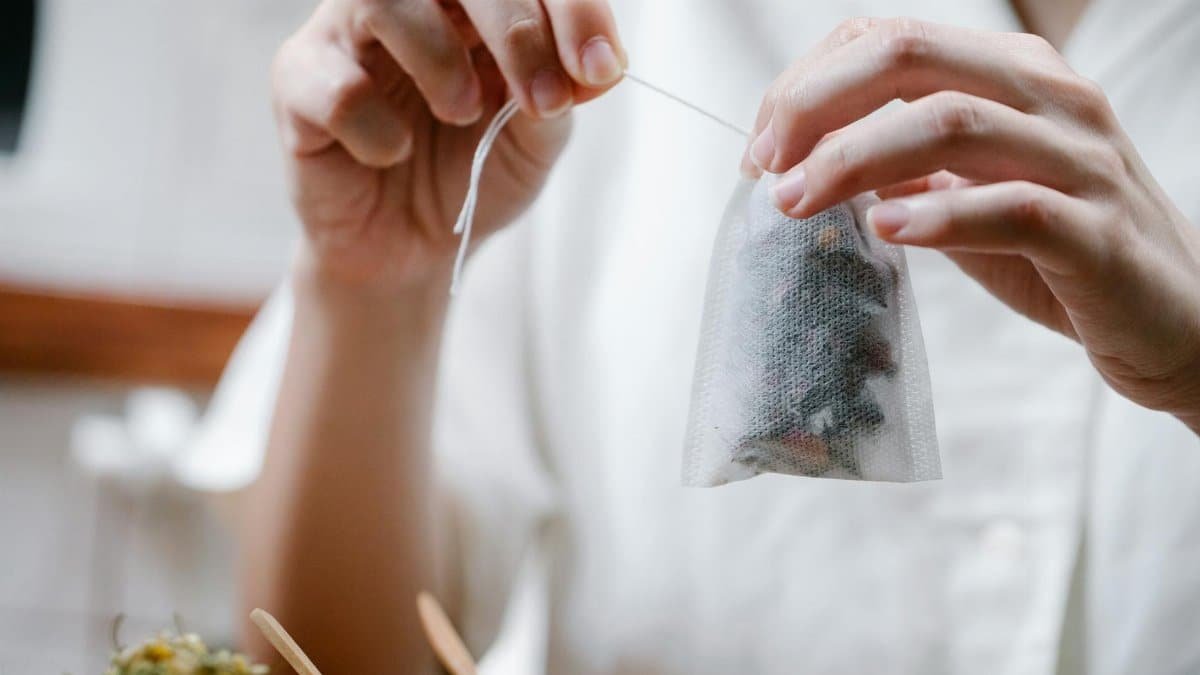
Brewing and sipping herbal teas outdoors combines ritual with natural elements for stress relief. Chamomile or lavender infusions, enjoyed in a garden or by a lake, promote relaxation through aroma and warmth. The Cleveland Clinic notes herbs like these have calming properties backed by science. People across the Midwest are adopting this, turning tea time into a mindful break. It fits busy lives: prepare a thermos, find a quiet spot and sip slowly. This practice enhances the rituals, stress, relief dynamic by engaging multiple senses in a soothing environment.
4. Sunrise Watching for Morning Calm

Watching the sunrise from a natural vantage point sets a peaceful tone for the day. This ritual encourages early rising and quiet reflection as colors paint the sky. Experts from Harvard Medical School link exposure to natural light with better circadian rhythms and reduced stress hormones. Coastal residents in California swear by beachside viewings, feeling recharged. In 2025, apps track optimal times, making it easier. Just sit, observe and breathe; it’s a free way to anchor your mind before the day’s demands hit.
5. Gardening as Hands-On Therapy
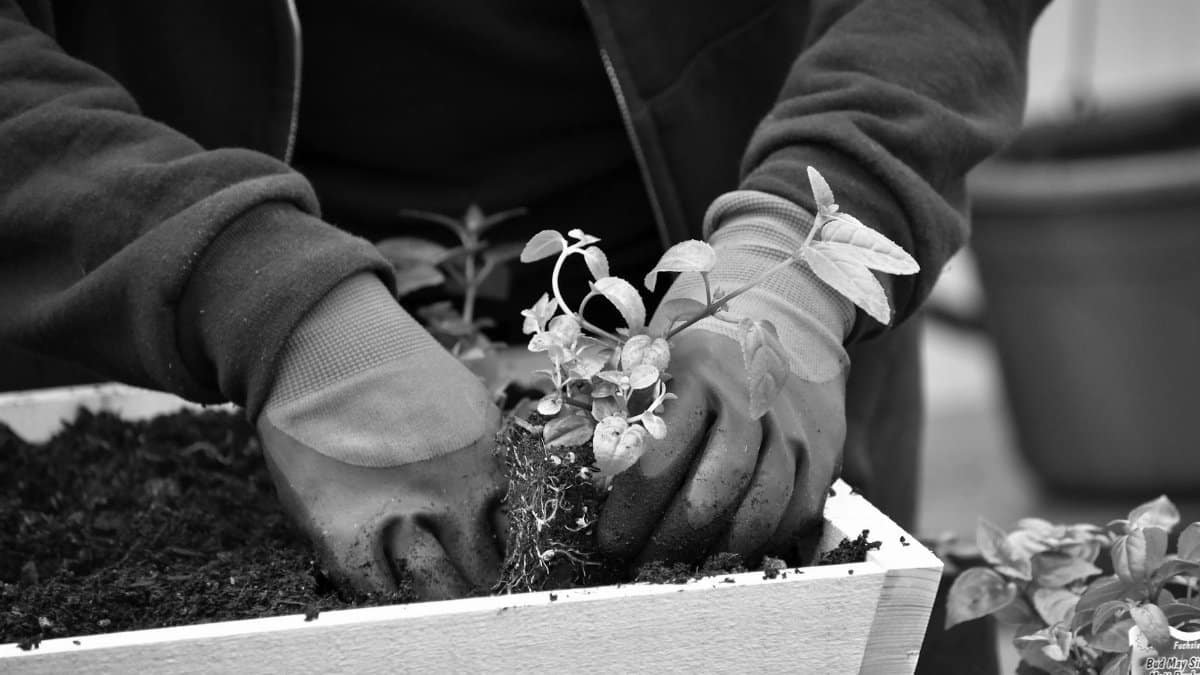
Gardening involves planting, weeding and nurturing plants, turning soil work into a stress-busting ritual. It provides purpose and connection to growth cycles. A study by the University of Colorado found gardeners report 20% lower stress levels. Urban dwellers in places like Chicago are starting balcony gardens for this benefit. Dig in for 30 minutes; the physical activity releases endorphins while fostering patience. This nature-based approach to rituals, stress, relief is practical for all ages, yielding both mental and tangible rewards like fresh herbs.
6. Nature Journaling for Reflective Insight
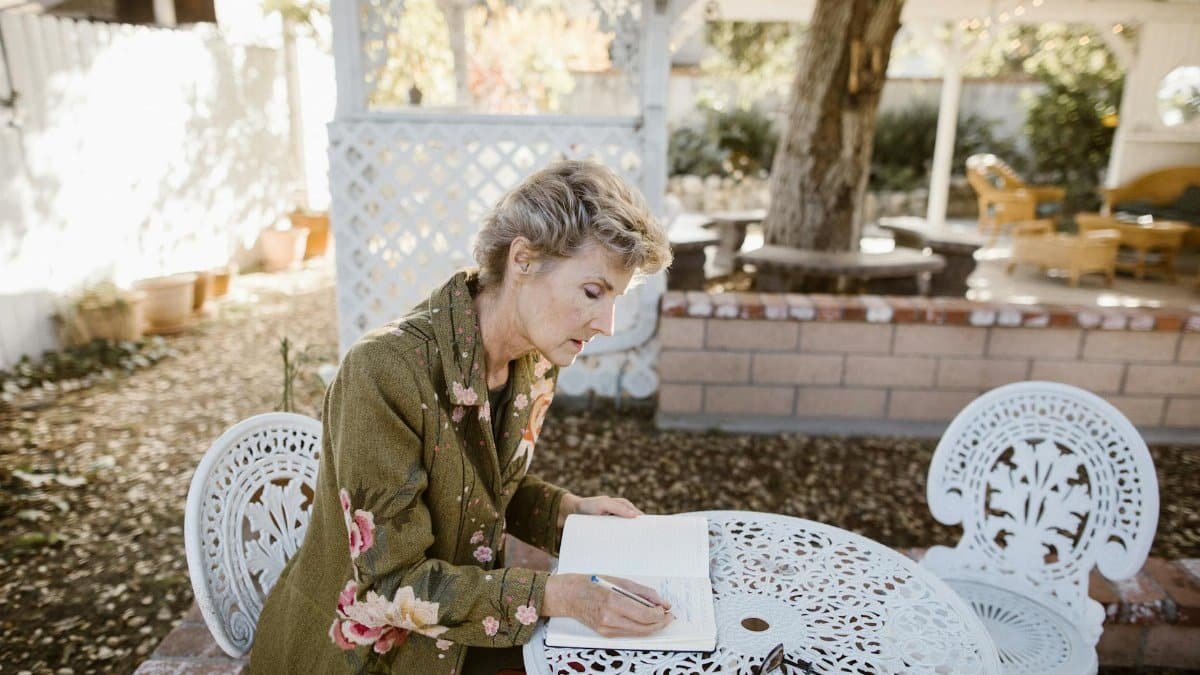
Journaling in outdoor settings captures thoughts, sketches and observations of surroundings. It channels stress into creative expression. Therapists recommend it for processing emotions, with backing from psychological research. In the Pacific Northwest, hikers carry notebooks to jot during breaks, finding clarity. Aim for weekly sessions; describe a leaf or bird, then reflect on personal worries. This ritual builds mindfulness, transforming vague anxiety into manageable insights amid nature’s inspiration.
7. Outdoor Meditation with Breath Focus
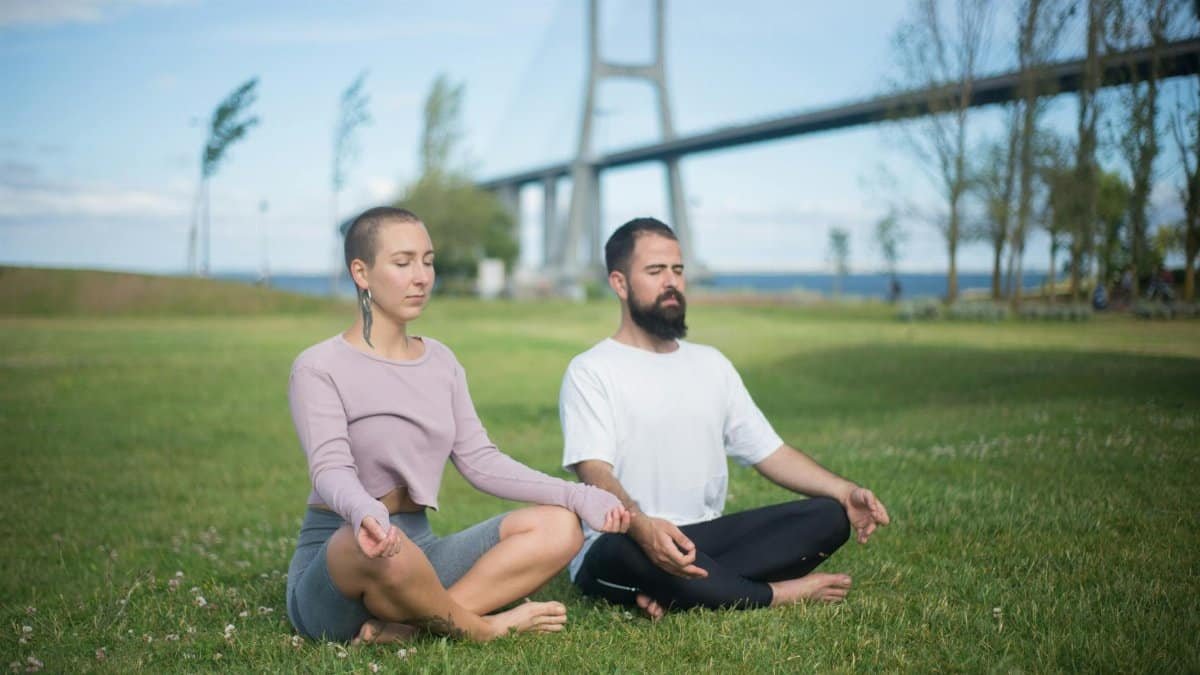
Meditating outside, focusing on breath while surrounded by natural sounds, amplifies relaxation effects. It differs from indoor sessions by incorporating wind or birdsong. The Mayo Clinic endorses meditation for stress reduction, citing lowered blood pressure. East Coast professionals escape to nearby trails for quick 15-minute sits. In 2025, guided audio apps make it beginner-friendly. Position yourself comfortably, close eyes and sync breaths with the environment; users report sustained calm throughout the day.
8. Stargazing for Evening Unwind

Stargazing at night involves lying back and observing the cosmos, shifting focus from daily grind to vast perspectives. It induces awe, which psychologists say combats stress. NASA’s resources highlight how dark-sky viewing enhances well-being. Rural Americans in states like Montana embrace it, escaping light pollution. Use a blanket and telescope if available; even 20 minutes can reset your mindset. This ritual reminds us of life’s bigger picture, easing petty concerns.
9. Water Immersion in Natural Settings
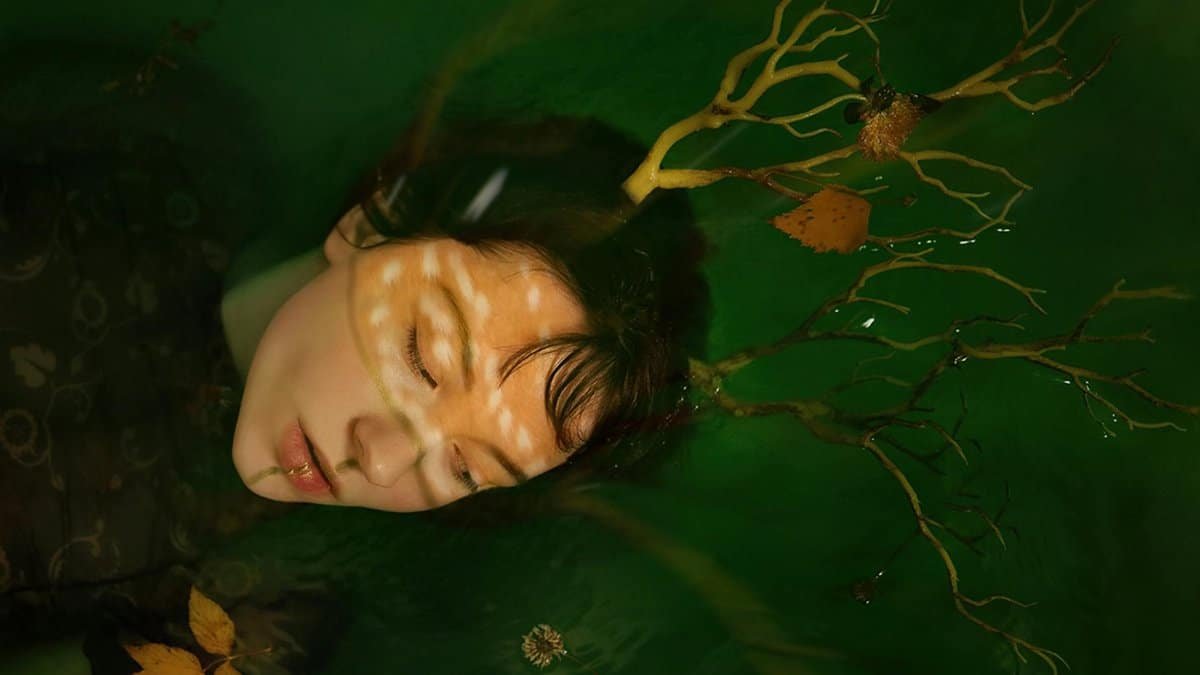
Immersing in natural water sources, like rivers or oceans, through swimming or soaking, washes away stress literally and figuratively. Cold water therapy boosts dopamine, per wellness experts. A report from the Harvard Health Publishing discusses benefits for mood regulation. Southern U.S. beachgoers incorporate it year-round. Start with short dips; the sensory experience grounds you, making it a powerful end to the rituals, stress, relief lineup.