

In a nation where stress levels have skyrocketed, a surprising statistic stands out. According to a 2023 survey by the American Psychological Association, nearly 77% of adults report experiencing physical or emotional symptoms due to stress, up from previous years. This data underscores a growing crisis. Yet, amid the chaos of modern life, many Americans are turning to habits, daily, inner-balance practices to reclaim their calm. These routines aren’t about grand gestures. They’re simple, intentional actions woven into everyday schedules. From mindfulness exercises to nature walks, they promise to restore equilibrium. As we navigate 2025’s uncertainties—economic shifts, digital overload—such habits offer a lifeline. They help middle-aged professionals, parents, and retirees alike foster resilience. But what exactly makes these habits effective? Let’s explore nine that are transforming daily lives across the U.S.
1. Morning Mindfulness Moments

Start the day with intention. That’s the core of this habit. Many begin by setting aside five minutes upon waking. They sit quietly, focusing on breath. No phones. No distractions. This practice grounds them before the rush begins. Research supports it. A study from Harvard Medical School shows mindfulness reduces anxiety by altering brain patterns. One woman in her forties shared anonymously online how this ritual shifted her mornings from frantic to focused. “It was like flipping a switch,” she noted, describing a sense of clarity that carried through her workday. In bustling cities like Chicago, where commutes eat into peace, this habit acts as a buffer. It doesn’t require fancy apps or classes. Just consistency. Over time, it builds a foundation for inner balance, making daily challenges feel more manageable.
2. Gratitude Journaling at Dusk

Evening reflections can reshape perspectives. Consider ending the day by jotting down three things you’re thankful for. This isn’t fluffy advice. It’s backed by science. The University of California, Davis, found that regular gratitude practice boosts happiness and lowers depression symptoms.UC Davis Health on Gratitude details how it rewires neural pathways. Imagine a middle-aged father in Texas, scribbling notes after dinner. His entries range from a child’s laugh to a successful meeting. These moments accumulate, fostering emotional stability. Yet, it’s not always easy. Some nights, finding positives feels forced amid fatigue. That’s the tension—pushing through builds resilience. In 2025, with remote work blurring boundaries, this habit carves out space for positivity, enhancing overall well-being.
3. Nature Walks Without Devices

Step outside. Leave the earbuds behind. This habit invites unfiltered connection with the environment. Forests, parks, even urban trails work. The National Institutes of Health links nature exposure to reduced cortisol levels, the stress hormone. A brisk 20-minute walk can reset your mood. Picture a group of friends in Seattle, strolling rain-slicked paths. Laughter echoes as they spot birds, sharing observations. No screens interrupt. This fosters presence, a key to inner balance. Challenges arise in winter months or busy schedules, but adaptations like indoor plants help. It’s about intentional disconnection. As digital fatigue rises in America, this practice offers relief, promoting mental clarity and physical health in one go.
4. Balanced Breathing Techniques

Breathe deeply. Inhale for four counts, hold, exhale slowly. Such methods, like the 4-7-8 technique, calm the nervous system. Dr. Andrew Weil popularized it, and studies from the Mayo Clinic affirm its efficacy in managing stress.Mayo Clinic on Relaxation Techniques explains the physiological benefits. A retiree in Florida might use it during traffic jams, transforming irritation into calm. It’s subtle yet powerful. Integrate it during breaks at work or before bed. The beauty lies in its accessibility—no equipment needed. In a year like 2025, marked by political tensions, these breaths provide quick anchors, helping maintain daily equilibrium amid external noise.
5. Mindful Eating Rituals

Slow down at meals. Savor each bite. This habit turns eating into a meditative act. Chew thoroughly, notice flavors. The Harvard T.H. Chan School of Public Health reports that mindful eating aids digestion and prevents overeating.Harvard T.H. Chan School of Public Health on Mindful Eating highlights its role in emotional health. Envision a busy mother in New York, pausing to appreciate her lunch salad. No multitasking. This counters the grab-and-go culture. Yet, habits like this face resistance in fast-paced routines. Starting small, with one meal a day, eases the transition. Over weeks, it cultivates awareness, contributing to inner balance by aligning body and mind.
6. Digital Detox Intervals
Unplug regularly. Set boundaries, like no screens after 8 p.m. This creates mental space. Pew Research Center’s data shows Americans average over seven hours of screen time daily, linked to sleep disruptions.Pew Research on Online Habits underscores the trend. A professional in Atlanta described his evenings turning to books instead, feeling refreshed. “The quiet was deafening at first,” he admitted, but it led to deeper rest. In 2025, with AI integrations amplifying connectivity, this habit becomes essential. It counters information overload, restoring focus and fostering a balanced inner state through deliberate pauses.
7. Affirmation Anchors
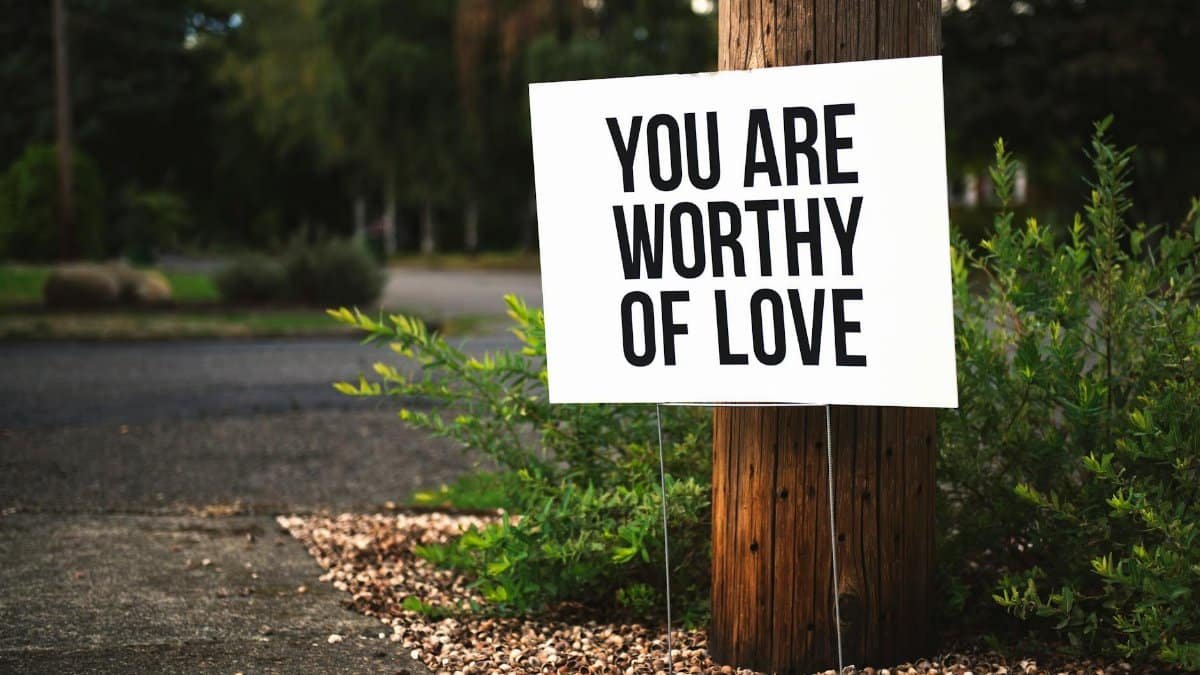
Speak kindness to yourself. Daily affirmations reinforce self-worth. Repeat phrases like “I am capable” during routines. Psychological research from the American Psychological Association supports positive self-talk in building resilience. It shifts mindsets from doubt to confidence. Think of a teacher in the Midwest, whispering affirmations while grading papers. They help navigate burnout. The practice isn’t magic; it requires repetition to embed. Tensions emerge when affirmations feel inauthentic, but customizing them helps. As economic pressures mount in America, this habit bolsters emotional fortitude, integrating seamlessly into daily life for sustained inner balance.
8. Social Connection Check-Ins

Reach out. A quick call or coffee meetup sustains bonds. Loneliness affects millions, per CDC reports, exacerbating stress. Regular interactions combat this.CDC on Loneliness in Older Adults details the health impacts. A group of neighbors in Denver started weekly walks, sharing laughs and concerns. This builds community support. Yet, introverts might find it draining—balance is key. In our increasingly isolated society, these check-ins nurture emotional health, weaving social threads into the fabric of daily inner balance.
9. Evening Wind-Down Routines

Prepare for rest. Dim lights, read, or sip tea. This signals the body to unwind. Sleep experts at the National Sleep Foundation emphasize consistent routines for better sleep quality.Sleep Foundation on Sleep Hygiene provides evidence-based tips. An accountant in California swapped late-night TV for journaling, noting improved mornings. “Sleep came easier,” she reflected. Challenges include resisting the pull of devices, but persistence pays off. As 2025 brings new work demands, this habit ensures recovery, maintaining the delicate equilibrium of mind and body through thoughtful closure to the day.
These nine habits aren’t revolutionary. They’re practical tools, drawn from everyday experiences and backed by research. Across the U.S., from coast to heartland, people are adopting them to navigate life’s demands. Inner balance isn’t a destination. It’s a ongoing practice. By incorporating these into routines, many find greater clarity and resilience. The shift starts small, but the impact ripples outward, improving not just personal lives but communities too.