

In a recent survey by the Pew Research Center, nearly 45% of American adults reported incorporating mindfulness practices into their routines, up from just 30% a decade ago. This surge highlights how trends elevating inner-balance are reshaping daily life amid rising stress levels. From bustling cities like New York to quieter suburbs in the Midwest, people seek ways to center themselves. Wellness experts note this shift toward habits that foster calm without overwhelming demands. It’s not about drastic changes. Simple adjustments can make a difference. As we navigate 2025’s fast-paced world, these trends offer practical tools for equilibrium. They address the mental clutter of modern existence. More Americans turn to them for relief. This article explores nine key habits driving this movement.
1. Mindful Breathing Breaks
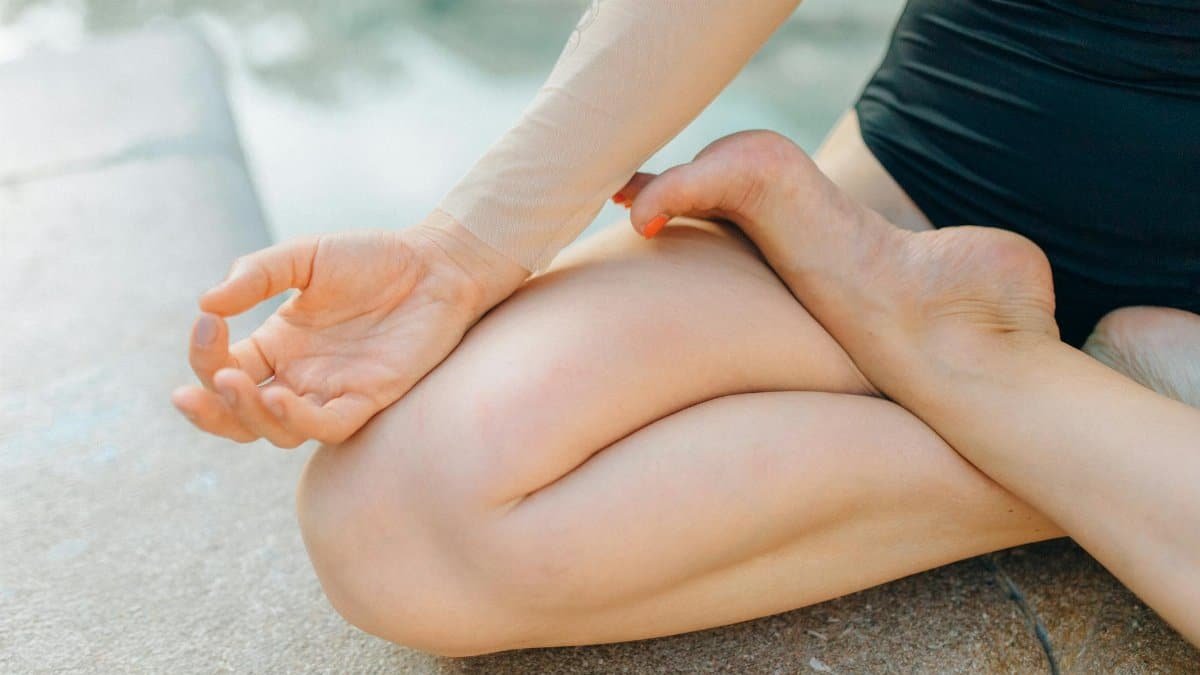
Start small. That’s the mantra for mindful breathing, a cornerstone of trends elevating inner-balance. Imagine a harried office worker in Chicago pausing mid-meeting to inhale deeply. She counts to four, holds, then exhales slowly. This isn’t new-age fluff. It’s backed by science. Studies show such practices lower cortisol levels, easing anxiety. One recent account shared publicly described feeling “instantly grounded” after just a minute of focused breathwork during a stressful commute. It’s accessible. No apps needed, though many exist. The beauty lies in its simplicity. Over time, it builds resilience. In 2025, with remote work blurring boundaries, these breaks become essential. They interrupt the cycle of constant connectivity. Try it between emails. Feel the shift.
Research from the National Institutes of Health supports this. Their findings indicate regular breathing exercises improve emotional regulation. For deeper insights, check the NIMH Anxiety Disorders page, which discusses related techniques.
2. Digital Detox Routines

“I put my phone away at 8 p.m., and suddenly sleep came easier,” an anonymous forum poster reflected last month. This sentiment echoes a growing pushback against screen overload. Trends elevating inner-balance now emphasize unplugging as a habit, not a luxury. It’s about reclaiming mental space. In bustling households across Texas, families designate tech-free zones. Dinner tables transform into conversation hubs. The result? Deeper connections and reduced mental fog. Experts warn of blue light’s impact on circadian rhythms. Cutting back isn’t extreme. Start with one hour before bed. Read a book instead. Or step outside. This habit counters the always-on culture. It fosters presence. As digital demands intensify in 2025, detoxes offer a counterbalance. They’re practical, not punitive.
A study from the American Psychological Association links excessive screen time to heightened stress. Explore their APA Stress Resources for evidence-based strategies.
3. Nature Immersion Walks
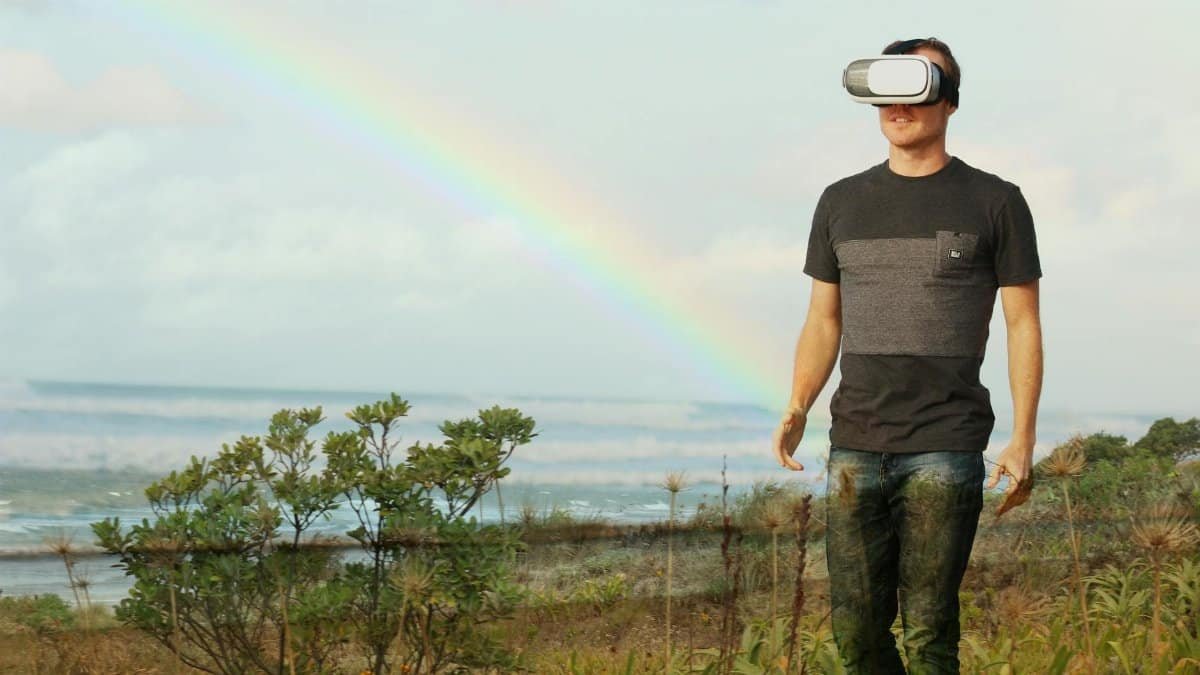
What draws crowds to national parks like Yellowstone these days? Beyond scenery, it’s the quest for solace. Trends elevating inner-balance spotlight nature walks as a revitalizing habit. Picture a middle-aged couple in Oregon strolling forest paths, leaves crunching underfoot. They leave worries behind. Research confirms exposure to green spaces boosts mood and creativity. It’s not just escapism. Even urban parks suffice. A 20-minute jaunt can reset the mind. Birds chirp, wind whispers. These elements ground us. In an era of indoor living, this habit bridges the gap. It combats isolation. Families incorporate it weekly. The key is intention. Walk without distractions. Absorb the surroundings. In 2025, with climate awareness rising, such outings also nurture environmental ties.
The CDC highlights physical and mental benefits of outdoor activity in their CDC Physical Activity Guidelines.
4. Gratitude Journaling Sessions
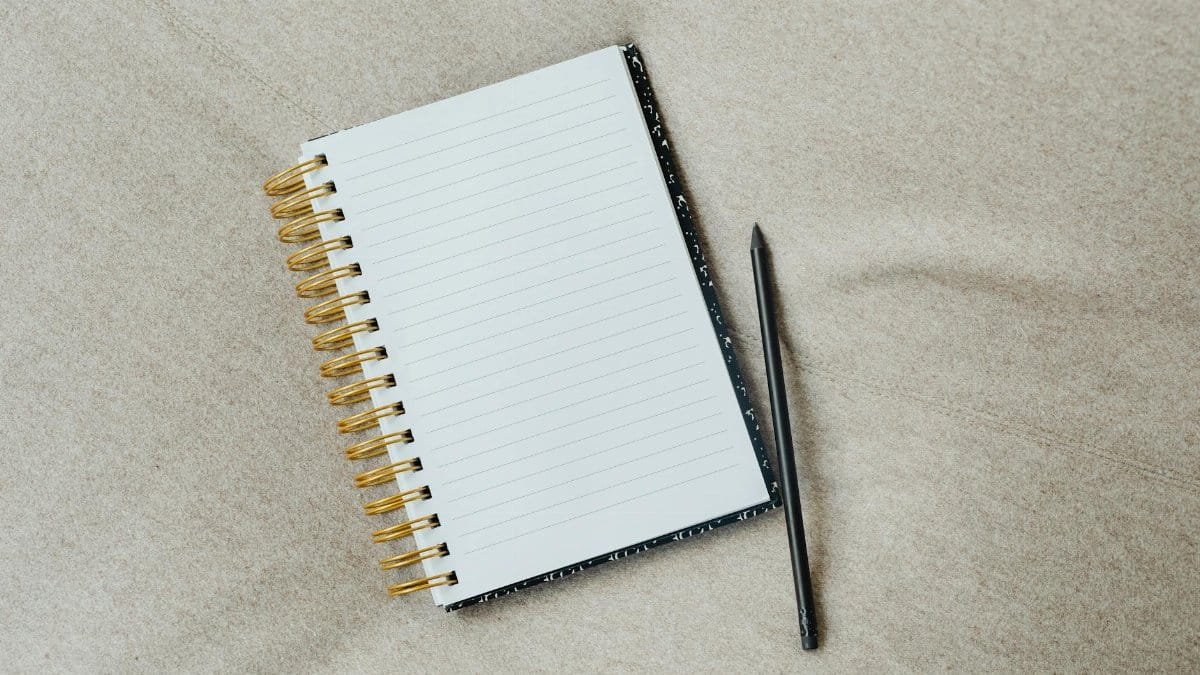
Flip open a notebook. Jot down three things that sparked joy today. This ritual, central to trends elevating inner-balance, shifts focus from lacks to abundances. A retiree in Florida shared how it transformed her outlook after loss. “It pulled me from the shadows,” she said. Not dramatic, but profound. Studies reveal journaling enhances optimism and sleep quality. It’s flexible. Morning or night works. Some apps guide it, but pen and paper feel more tangible. Amid economic uncertainties in 2025, this habit builds emotional buffers. It counters negativity bias. Share entries with a friend for added depth. Over weeks, patterns emerge. Gratitude becomes reflexive. It’s a quiet revolution in mindset.
5. Balanced Nutrition Choices

Eating isn’t just fuel. It’s a pathway to harmony. Trends elevating inner-balance promote mindful meals over fad diets. Consider a busy parent in Atlanta opting for colorful salads instead of fast food. Flavors burst, energy sustains. Nutritionists emphasize whole foods for stable blood sugar, which supports mental clarity. It’s about listening to the body. Hydrate intentionally. Include omega-3s for brain health. This habit weaves into daily routines seamlessly. Grocery lists evolve. Meals become meditative. In 2025, with wellness apps tracking nutrients, it’s easier than ever. Yet, simplicity reigns. No perfection required. Small swaps accumulate. The outcome? Sustained vitality without extremes.
For nutritional science, refer to Harvard’s Harvard Nutrition Source, which details balanced eating’s effects on well-being.
6. Gentle Movement Practices

Yoga flows or tai chi in the park—these aren’t trends for the elite. They’re democratizing inner peace. One observer noted a group in a Boston community center, bodies moving in sync, breaths aligned. Trends elevating inner-balance favor low-impact exercises that sync mind and body. They reduce joint stress while elevating mood via endorphins. No gym membership needed. Home videos abound. The appeal lies in accessibility. Adapt to any fitness level. In 2025, virtual classes make it global. Participants report better focus post-session. It’s restorative, not exhaustive. Integrate it thrice weekly. Feel the inner shift. This habit honors the body’s limits while pushing gentle boundaries.
7. Boundary-Setting Strategies

“No” becomes a powerful ally. In the mosaic of modern life, setting limits preserves energy. Trends elevating inner-balance teach this through assertive communication. Envision a professional in Seattle declining an extra project to safeguard family time. Relief follows. Psychologists link boundaries to lower burnout rates. It’s learned behavior. Practice with small refusals. Communicate clearly, without guilt. Workplaces increasingly respect this. In 2025, amid hybrid models, it’s crucial. Friends and family benefit too. Healthy limits foster mutual respect. Reflect on overcommitments. Adjust accordingly. This habit cultivates self-respect, ripple-effecting outward.
8. Sleep Hygiene Rituals

Dim lights signal wind-down. Consistent bedtimes anchor the day. These rituals, key to trends elevating inner-balance, prioritize rest as non-negotiable. A night owl in Los Angeles experimented with earlier hours and woke refreshed. Science underscores sleep’s role in emotional processing. Aim for seven to nine hours. Cool rooms, no screens. Herbal teas soothe. In 2025, wearables track patterns, offering insights. Yet, basics matter most. Naps sparingly. This habit combats chronic fatigue. Dreams flourish in quality slumber. It’s foundational for all else.
9. Community Connection Efforts

Loneliness erodes balance. Counter it with intentional outreach. Trends elevating inner-balance highlight group activities, from book clubs to volunteer gigs. In a Denver neighborhood, strangers bonded over shared hikes, forging lasting ties. Social bonds buffer stress, per research. It’s not about quantity but quality. Host a potluck. Join online forums mindfully. In 2025, post-pandemic, these efforts rebuild fabrics torn. Vulnerability strengthens connections. Listen actively. This habit nourishes the soul, proving we’re wired for togetherness. It elevates collective well-being.