

A recent study from the National Institutes of Health revealed that nearly 40% of Americans report heightened anxiety levels, a figure that’s climbed steadily over the past decade, prompting many to seek natural remedies. This surge aligns with growing interest in holistic approaches to wellness, particularly in regions like the South where traditions of herbal healing run deep. In Georgia, where humid summers and bustling urban life can amplify stress, people are turning to time-tested ingredients that calm the nervous system. From the rolling hills of North Georgia to the coastal plains, these natural elements offer subtle support for emotional balance, drawing on both local flora and globally recognized botanicals. As we navigate 2025’s fast-paced demands, understanding these ingredients provides a grounded way to foster calm without relying solely on pharmaceuticals.
1. Chamomile: Georgia’s Gentle Soother
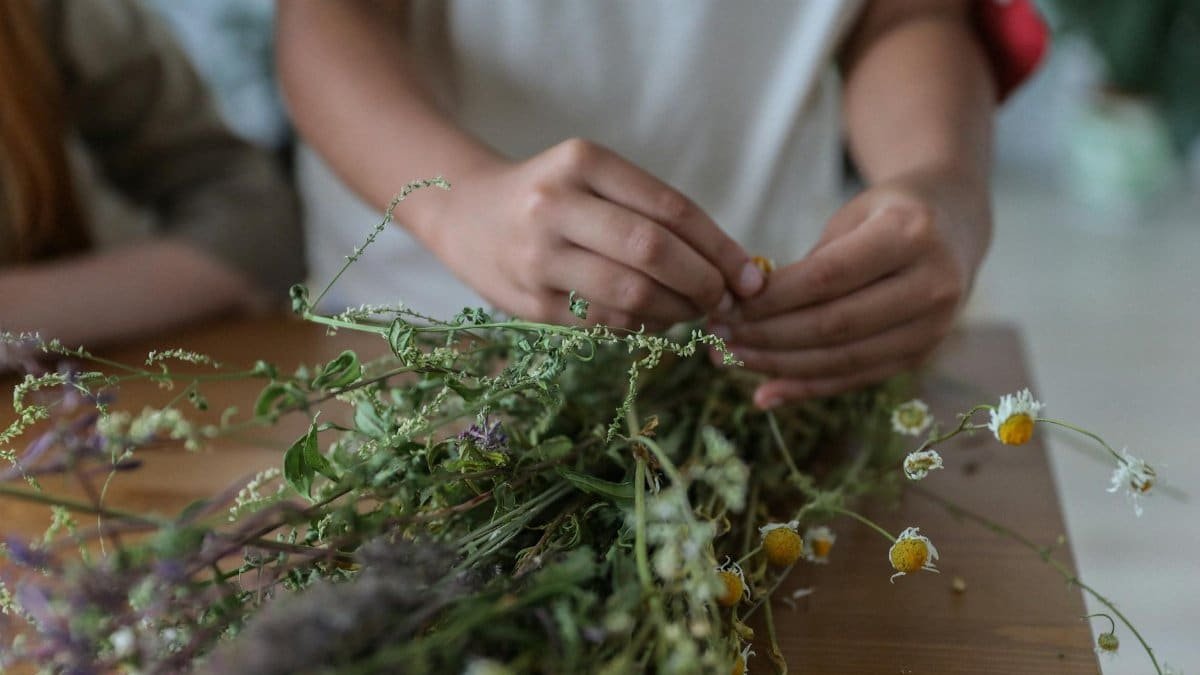
Chamomile grows wild in parts of Georgia, its daisy-like flowers dotting meadows and backyard gardens. This herb has long been a staple in Southern kitchens, brewed into teas that ease tension after a long day. Researchers have noted its apigenin content, which binds to brain receptors much like anti-anxiety medications, promoting relaxation without drowsiness.
Picture a family in Atlanta, gathered around a porch swing on a sticky evening. The mother steeps chamomile blossoms picked from her plot, the steam carrying a faint apple-like scent. As they sip, conversations soften, worries fading into the twilight. Studies back this ritual; one from the University of Pennsylvania showed chamomile extract reducing generalized anxiety disorder symptoms in participants over eight weeks.University of Pennsylvania Study on Chamomile Yet chamomile isn’t just for tea. In Georgia’s farm-to-table scene, chefs infuse it into desserts or salads, blending tradition with modern flair. This versatility makes it accessible, a quiet ally against the nervous system’s overload from daily commutes or work pressures.
2. Lavender: Aromatic Calm from the Fields
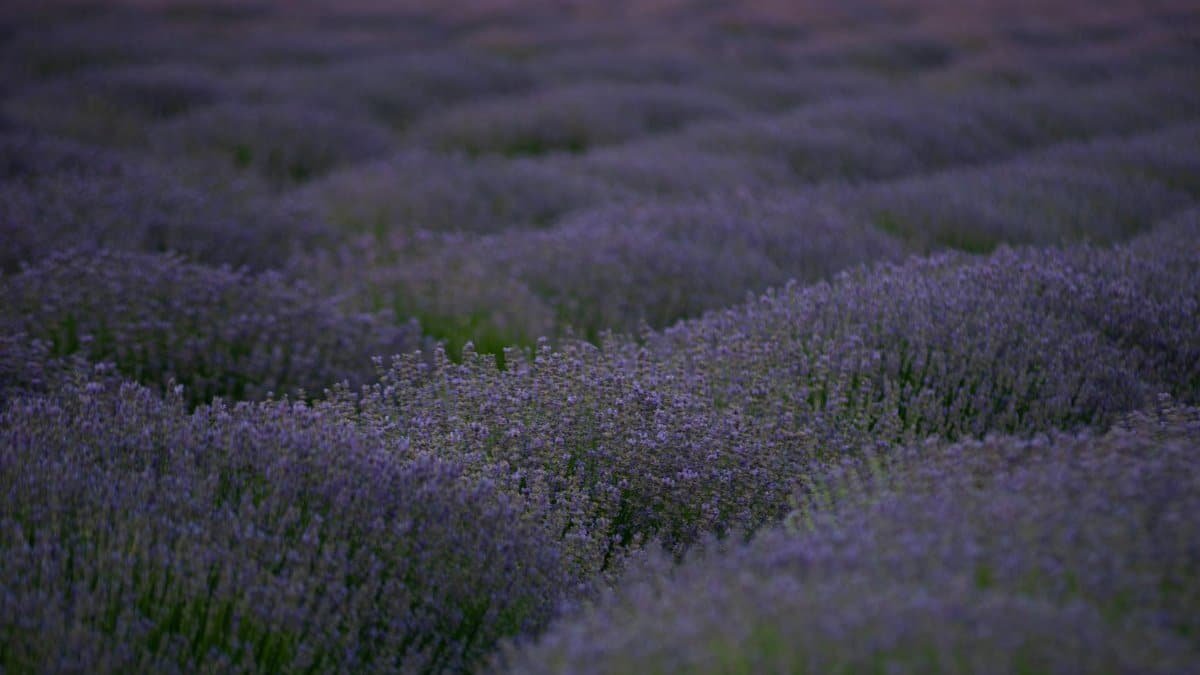
Lavender fields aren’t native to Georgia, but farms in the northern part of the state have embraced this fragrant herb, turning hillsides into purple waves during bloom season. Its essential oil, distilled from the flowers, has been shown to lower cortisol levels, the hormone tied to stress.
One visitor to a lavender festival in Dahlonega recalled the scent enveloping her like a soft blanket, melting away the knots of a hectic week. She wasn’t alone; online discussions often highlight such moments, with one anonymous account describing how a lavender sachet under the pillow transformed restless nights into peaceful slumber.
Science supports these experiences. A study published in the Journal of Alternative and Complementary Medicine found lavender aromatherapy significantly reduced anxiety in dental patients.Journal of Alternative and Complementary Medicine on Lavender In Georgia, where pollen seasons can heighten irritability, incorporating lavender into daily routines offers a sensory reset.
The plant’s adaptability shines here too. Local distillers craft lavender-infused honeys or candles, extending its calming reach beyond the garden.
3. Valerian Root: Underground Relief

Dig beneath the soil in Georgia’s woodlands, and you might encounter valerian root, a hardy perennial valued for its sedative properties. Native Americans in the region used it centuries ago to promote restful sleep, a practice that persists today.
Imagine a hiker in the Chattahoochee National Forest stumbling upon wild valerian, its earthy aroma hinting at hidden potency. Brewed as a tincture, it interacts with GABA receptors in the brain, easing nervous tension. A clinical trial from the National Center for Complementary and Integrative Health demonstrated valerian’s effectiveness in improving sleep quality for insomniacs.NCCIH on Valerian But valerian demands respect; its strong odor can surprise newcomers. In Georgia’s wellness communities, it’s often paired with milder herbs to balance flavors, creating custom blends that address the nervous system’s subtle imbalances.
4. Lemon Balm: Citrusy Serenity
Lemon balm thrives in Georgia’s mild climate, its lemon-scented leaves a favorite in herb gardens from Savannah to Macon. This member of the mint family calms the mind by modulating neurotransmitters, offering a gentle lift without overstimulation.
A community gardener in Augusta shares how tending lemon balm patches became her ritual for unwinding. As she crushes the leaves, the bright aroma cuts through mental fog, a simple act that grounds her amid family demands. Research from the University of Maryland Medical Center echoes this, noting lemon balm’s role in reducing agitation in Alzheimer’s patients.University of Maryland on Lemon Balm In 2025, with remote work blurring boundaries, lemon balm teas provide a midday pause, helping recalibrate the nervous system against screen-induced strain.
Its ease of growth encourages experimentation; locals dry it for winter use, ensuring year-round access to this soothing ingredient.
5. Passionflower: Vine of Tranquility

Passionflower vines climb fences and trellises across Georgia, their intricate blooms a symbol of calm amid chaos. Indigenous to the Southeast, this plant boosts GABA levels, quieting an overactive nervous system.
During a stormy afternoon in Athens, a student might pluck passionflower from a backyard vine, steeping it to steady nerves before exams. The flower’s complexity mirrors its effects, providing layered relief from anxiety. A study in Phytotherapy Research confirmed passionflower’s anxiolytic benefits, comparable to some prescription drugs.Phytotherapy Research on Passionflower Georgia’s humid conditions nurture robust growth, making passionflower a readily available remedy. Blended into syrups or vinegars, it adapts to culinary traditions, weaving calm into everyday meals.
6. Ashwagandha: Adaptogenic Power

Though not native, ashwagandha has found a home in Georgia’s health food stores and urban farms, prized as an adaptogen that helps the body resist stress. Its roots contain withanolides that regulate cortisol, supporting nervous system resilience.
Consider a busy professional in Atlanta incorporating ashwagandha powder into morning smoothies. Over weeks, the subtle shift becomes evident: fewer jitters, more focus. Clinical evidence from the Journal of Alternative and Complementary Medicine shows it lowers stress scores in adults.Journal on Ashwagandha In a state where seasonal changes can disrupt moods, ashwagandha offers steady support, bridging ancient Ayurvedic wisdom with modern Southern life.
Farmers experiment with cultivation, adapting it to local soil for fresher supplies.
7. Holy Basil: Sacred Stress Buster

Holy basil, or tulsi, grows in Georgia’s herb gardens, its spicy leaves a nod to global healing traditions. This adaptogen modulates stress hormones, fostering emotional equilibrium.
A yoga instructor in Decatur describes holy basil tea as her anchor during group sessions, its warmth diffusing collective tensions. Participants leave feeling centered, a testament to its effects. Research from the National Institutes of Health links it to reduced anxiety in controlled trials.NIH on Holy Basil Amid Georgia’s vibrant cultural mix, holy basil bridges worlds, calming the nervous system through ritual and routine.
8. Magnolia Bark: Southern Bark’s Secret
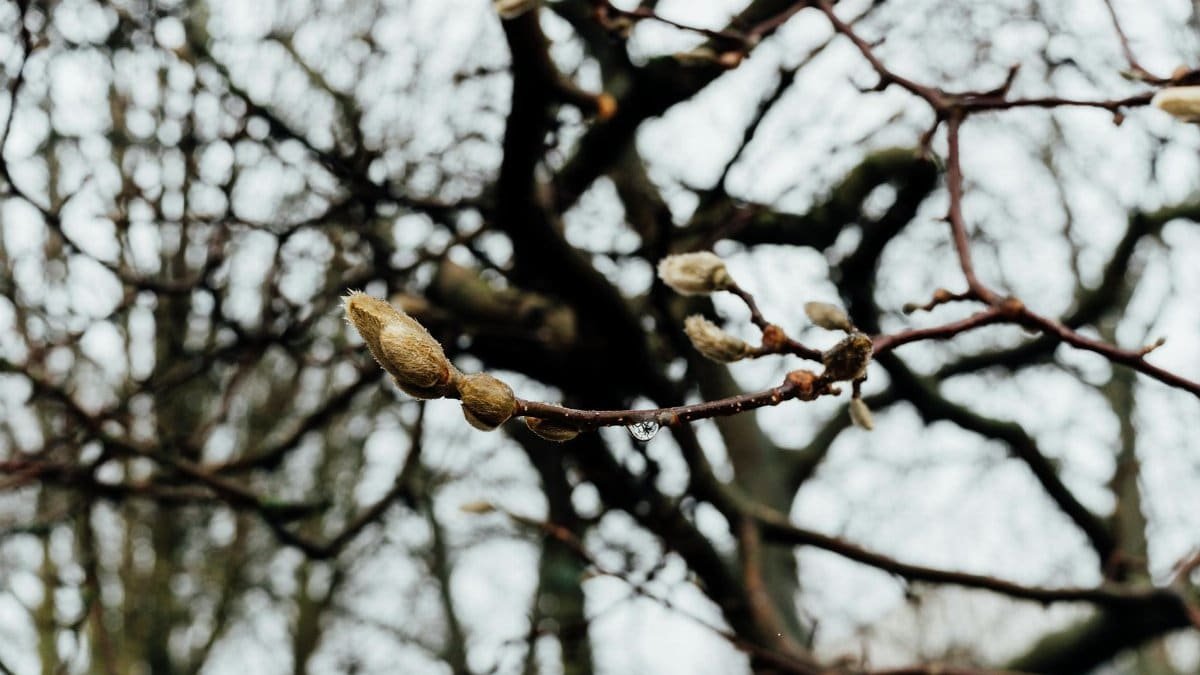
Magnolia trees grace Georgia landscapes, their bark harboring honokiol, a compound that eases anxiety by influencing brain chemistry. Long used in traditional medicine, it’s gaining traction in wellness circles.
Envision peeling bark from a backyard magnolia, a practice rooted in folk remedies. Infused extracts provide nighttime relief, as evidenced by studies showing improved sleep latency.PubMed on Magnolia Bark In 2025, with environmental stressors rising, magnolia offers a local, sustainable option for nervous system support.
9. Oat Straw: Humble Grain’s Gift
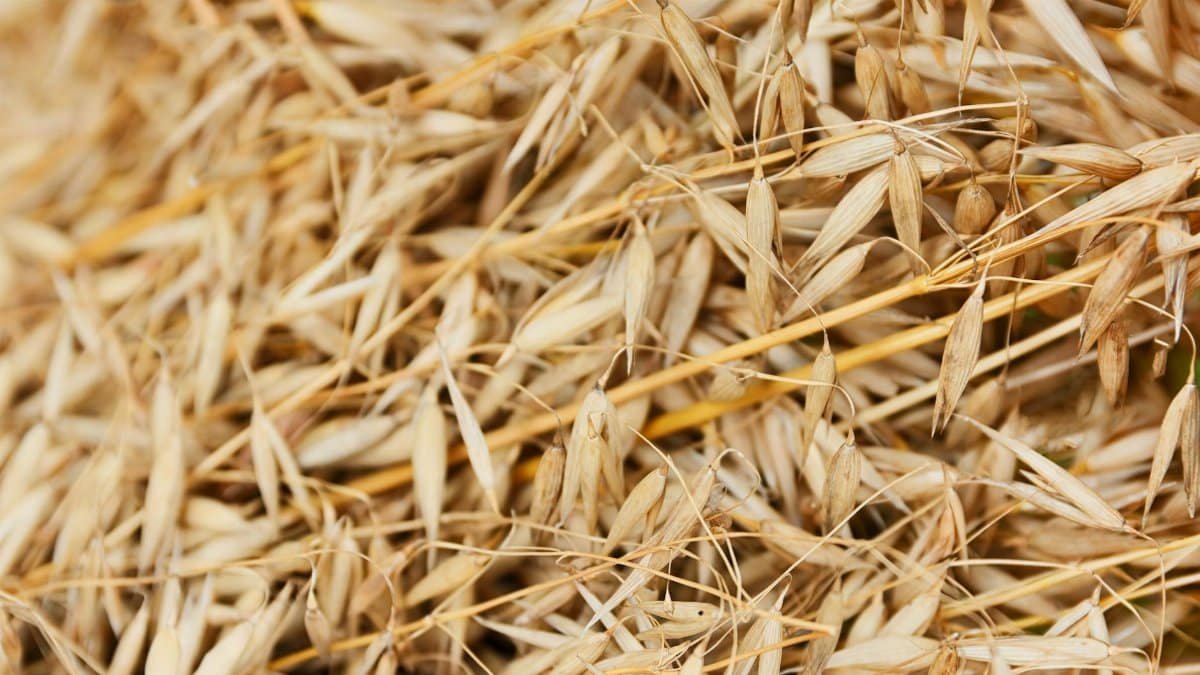
Oat straw, derived from Georgia’s grain fields, nourishes the nervous system with minerals that promote relaxation. It’s a folk remedy turned modern supplement, easing irritability.
A farmer in rural Georgia might harvest oat tops, drying them for teas that soothe frayed nerves after harvest season. A review in the Journal of Dietary Supplements affirms its calming properties.Journal of Dietary Supplements on Oat Straw This unassuming ingredient rounds out Georgia’s arsenal, reminding us that calm often hides in everyday elements.