
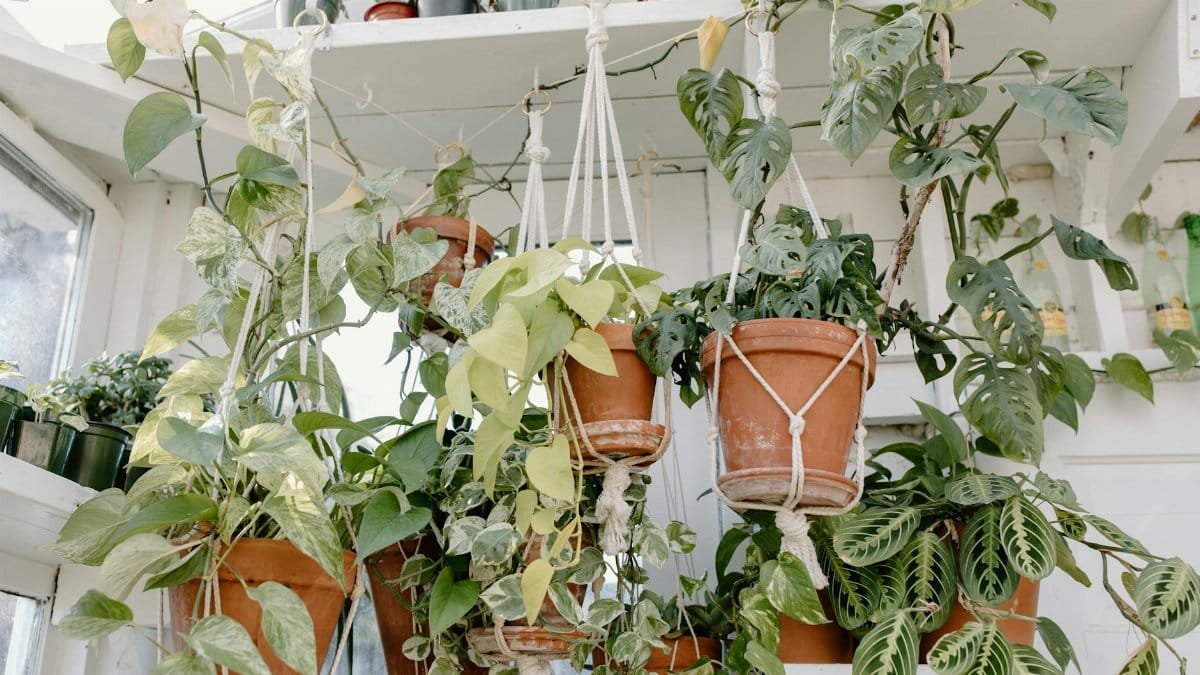
In the dim glow of a New York high rise living room, where concrete views dominate, a single vine can rewrite the narrative. Tendrils reach for sunlight filtering through sheer curtains, their leaves unfurling like secrets from a distant rainforest. Indoor climbing plants have surged in popularity, offering city dwellers an effortless path to biophilic bliss. These resilient growers not only purify air and soften stark interiors but also evoke the wild tangle of jungle canopies. Hardy and forgiving, they thrive on benign neglect, draping furniture and framing doorways with lush drama. From pothos that trail endlessly to philodendrons that grip moss poles, nine standout varieties promise instant transformation. They demand little yet deliver profound impact, turning everyday spaces into verdant retreats.
Pothos: The Unkillable Trailblazer

Epipremnum aureum, commonly known as pothos, tops lists for beginners drawn to indoor climbing plants. Its heart shaped leaves, often marbled in green and gold, cascade with abandon, growing up to 10 feet indoors if given a trellis or pole. Native to Southeast Asian solitudes, this plant adapts to low light and irregular watering, making it ideal for forgetful owners. NASA once flagged it for removing indoor toxins like benzene, though everyday enthusiasts prize its vigor over science. Train it along bookshelves or let it puddle on floors; either way, it conjures humid tropics. Water when soil dries two inches down, and mist occasionally for that jungle humidity. Propagate by snipping stems in water, watching roots emerge in weeks.
Heartleaf Philodendron: Elegant Vines for Subtle Drama
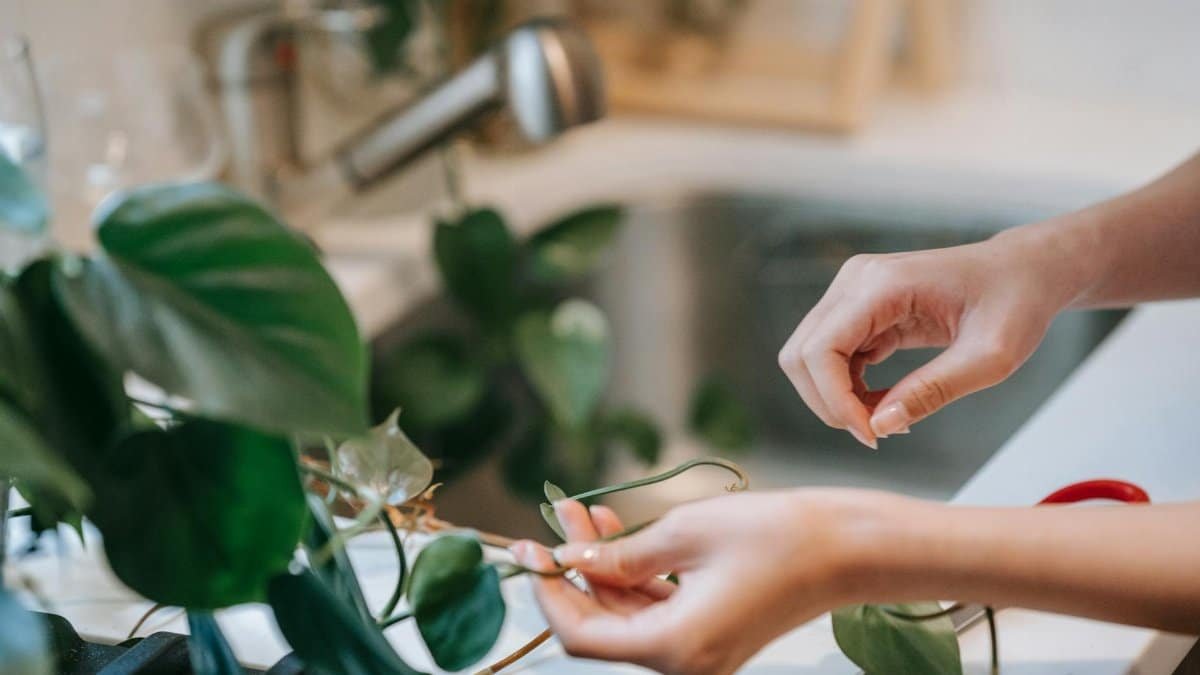
Philodendron hederaceum drapes with understated grace, its glossy, deep green leaves perfect for minimalist rooms craving texture. This indoor climbing plant climbs via aerial roots that latch onto supports, mimicking rainforest epiphytes. Reaching eight feet, it flourishes under fluorescent office lights or north facing windows, tolerating dry air from radiators. Experts at botanical gardens note its role in boosting mood through greenery, a subtle nod to nature deficit studies. Keep soil moist but not soggy, fertilize monthly in growth season, and provide a coir pole for upward ambition. Variegated versions add cream flecks, elevating plain walls to artful backdrops.
Swiss Cheese Vine: Holes That Tell a Story
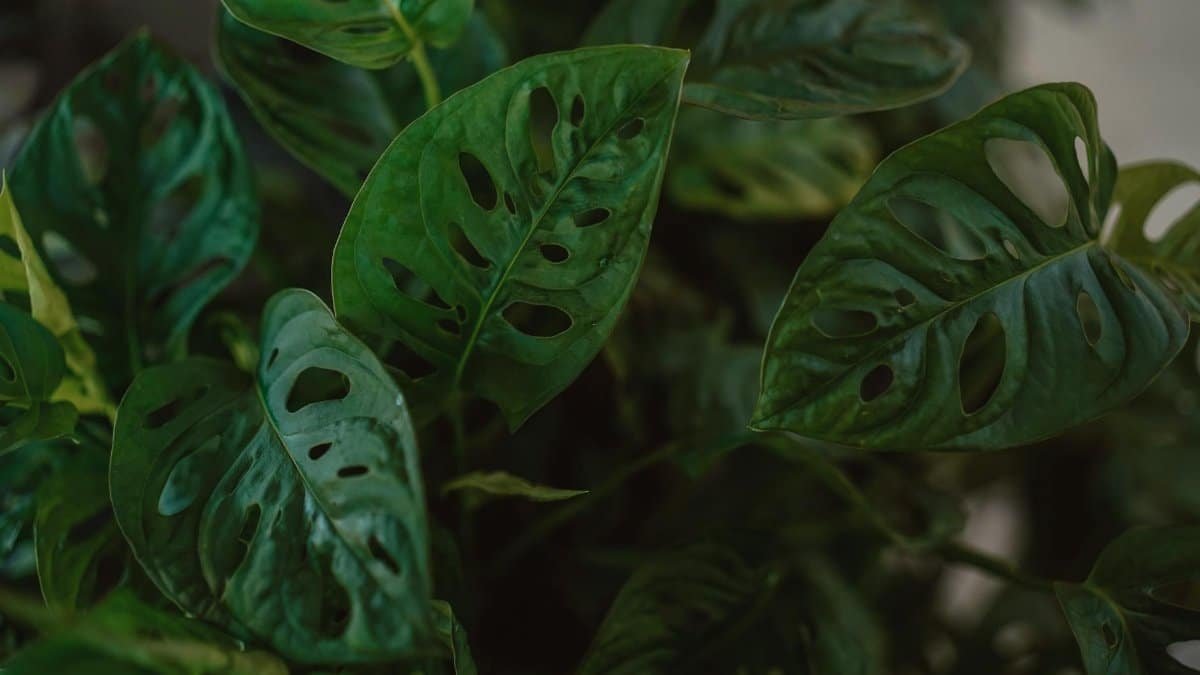
Monstera adansonii, the Swiss cheese vine, punctuates spaces with perforated leaves that split as it matures, evoking mature jungle specimens. Faster than its larger cousin, this indoor climbing plant scrambles up to 10 feet, ideal for corner poles or ceiling hooks. Thriving in medium indirect light, it forgives skipped waterings yet rewards consistency with aerial roots that grip bark or fabric. Urban plant shops report it as a bestseller for its sculptural holes, which improve airflow in dense interiors. Use well draining mix, water deeply weekly, and humidity trays fend off brown tips. Its fenestrations filter light dramatically, casting patterns like stained glass.
English Ivy: Classic Twists with Timeless Charm

Hedera helix brings old world romance, its lobed leaves weaving intricate patterns on wires or lattices. As a quintessential indoor climbing plant, it tolerates shade where others falter, growing vigorously to cover frames in months. From European woodlands, it purifies air by trapping particulates, per environmental reports. Caution its invasiveness outdoors, but indoors, it stays contained. Bright indirect light prevents legginess; water sparingly to avoid root rot. Prune to encourage bushiness, and it rebounds with denser foliage. Pair with ferns for a woodland nook, transforming alcoves into enchanted hideaways.
Creeping Fig: Wall Hugger Extraordinaire

Ficus pumila clings like ivy on steroids, its tiny heart leaves forming a living tapestry over walls or frames. This indoor climbing plant accelerates, blanketing surfaces in under a year with adhesive aerial roots. Suited to bathrooms for humidity, it prefers partial shade and even moisture. Landscape designers tout its texture for vertical gardens, softening urban edges. Trim aggressively to control spread, and repot every two years. Browned leaves signal overwatering; otherwise, it endures. Imagine it sheathing a plain partition, birthing a private jungle grotto amid city clamor.
Arrowhead Plant: Arrows Aimed at the Ceiling

Syngonium podophyllum shifts from arrow shaped juveniles to lobed adults, a metamorphosis that delights observers. Versatile as an indoor climbing plant, it scales poles or trails shelves, hitting six feet with ease. Tropical origins demand medium light and weekly waterings, plus pebble trays for mist. Pink or white variegates inject color pops. Plant enthusiasts share propagation hacks online, rooting cuttings swiftly. Its evolving form symbolizes growth, fitting mindful decor trends. Stake early to direct ambitions upward, avoiding floppy habits.
Hoya: Waxy Blooms in Porcelain Perfection
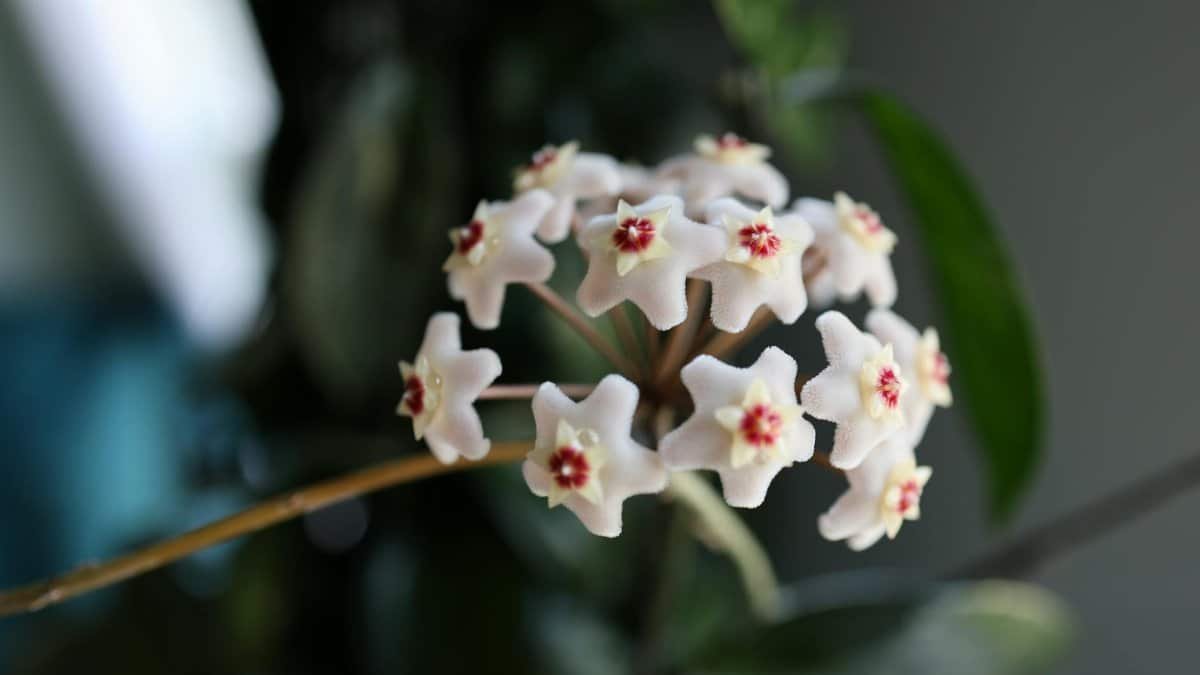
Hoya carnosa, the porcelain flower, combines climbing prowess with fragrant summer blooms. Thick, waxy leaves store water, suiting it to erratic care as an indoor climbing plant. Vines extend 10 feet on trellises, their star shaped clusters evoking exotic allure. Bright indirect light spurs flowers; underwater rather than drown. From Australian wilds, it resists pests, thriving in standard pots. Enthusiasts treasure its longevity, some specimens flowering decades. Cluster blooms near paths for scent surprises, layering aroma into visual lushness.
String of Hearts: Delicate Chains for Hanging Havoc

Ceropegia woodii dangles tuberous stems beaded with heart leaves, a trailing indoor climbing plant that loops over edges or climbs strings. Drought tolerant, it stores moisture in swollen roots, perfect for vacation prone homes. South African native, it basks in bright light, watering only when shriveled. Silver patterns gleam, adding whimsy. Propagate by laying stems on soil; nodes root readily. Its playful drape softens harsh lines, mimicking forest floor vines lifted aloft.
Pink Jasmine: Scented Climber for Sensory Splendor

Jasminum polyanthum bursts with pink buds opening to white stars, perfuming rooms as it climbs vigorously. This indoor climbing plant reaches 20 feet untrained, but prunes neatly to frames. Cool nights trigger blooms; position near windows. Moderate water and fertile soil fuel growth. From Himalayan foothills, it infuses homes with springtime essence year round. Wire supports guide its twining stems, framing mirrors or bedsides. Allergies aside, its fragrance elevates evenings, blending sight and smell into immersive jungle reverie.
Training Your Climbers: Poles, Wires, and Trellises

Success with indoor climbing plants hinges on guidance. Moss poles mimic tree bark, encouraging aerial roots; soak weekly for moisture. Wire frames offer custom shapes, while hooks suspend trails. Start young plants low, twisting stems gently. Urbanites favor self watering reservoirs to maintain even hydration across heights. Observe growth patterns: pothos rambles freely, ivy grips tightly. Seasonal repotting prevents circling roots, sustaining vigor. These setups not only showcase but extend lifespan, turning novelties into heirlooms.
Care Essentials: Light, Water, and Common Pitfalls

Most indoor climbing plants crave indirect light, avoiding scorched direct sun. Water when topsoil dries, using room temperature to sidestep shock. Well draining pots thwart rot, the silent killer. Fertilize diluted monthly spring through fall. Pests like spider mites lurk in dry air; neem sprays deter. Overwatering drowns, underwatering crisps. Humidity boosts via grouping or humidifiers. Tailor to species: hoyas prefer dry spells, monstera steady moisture. Patience yields: leggy starts bush out with pinches.
Why Jungle Vibes Matter in Modern Homes

Amid remote work and screen fatigue, indoor climbing plants restore equilibrium. Studies link greenery to lower cortisol, though anecdotes abound of revived spirits. They mask imperfections, absorb noise, and foster rituals like misting. Sustainable sourcing grows, with propagations reducing waste. For middle aged renters, they offer commitment free luxury. Layer with textiles for depth, or solo for impact. These vines bridge concrete isolation to primal wilds, nurturing souls one leaf at a time.