
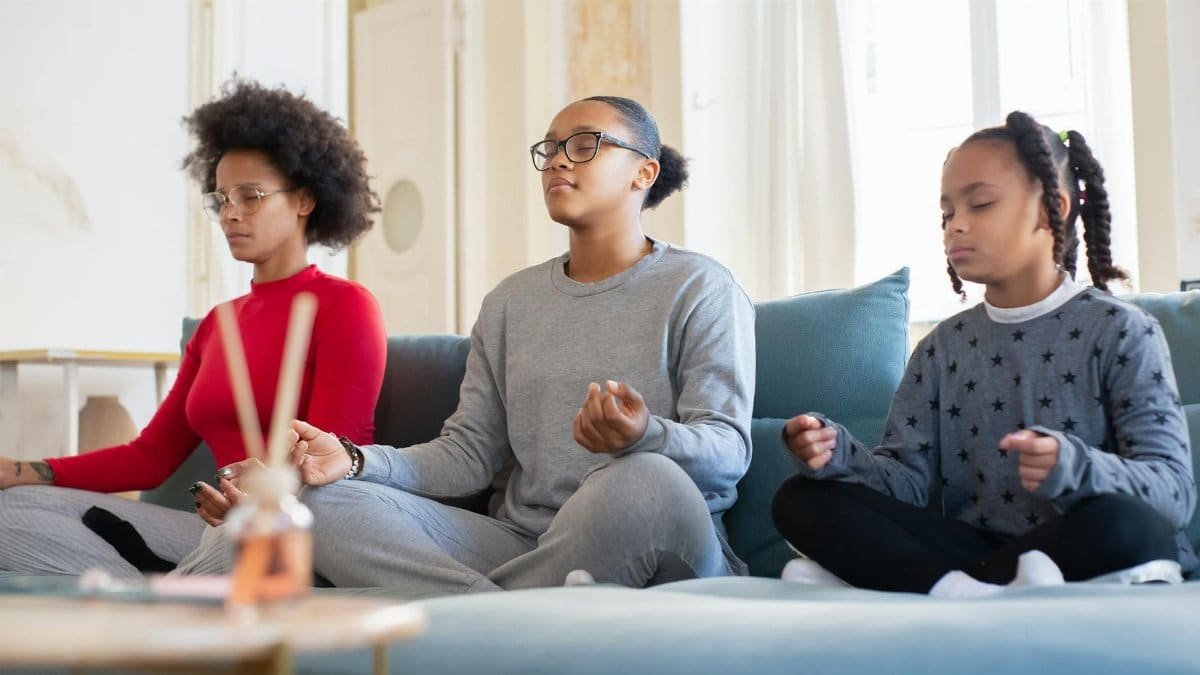
A recent study from the American Psychological Association revealed that 68% of U.S. families reported stronger emotional bonds after incorporating structured rituals into their daily lives, a sharp rise from just 45% a decade ago. This surge highlights a broader shift toward intentional practices that foster healing and connection amid modern stresses. In bustling households across cities like Chicago and suburbs in California, parents and children are turning to these simple yet profound activities to mend relational rifts and boost overall well-being. As wellness trends evolve in 2025, family healing rituals stand out for their accessibility and impact. They address everything from daily tensions to deeper traumas, drawing on age-old wisdom updated for today’s fast-paced world. What makes them particularly appealing is their ability to weave improving, trends, rituals into everyday routines, creating lasting positive change without requiring expensive therapies or retreats.
1. Shared Meal Reflections
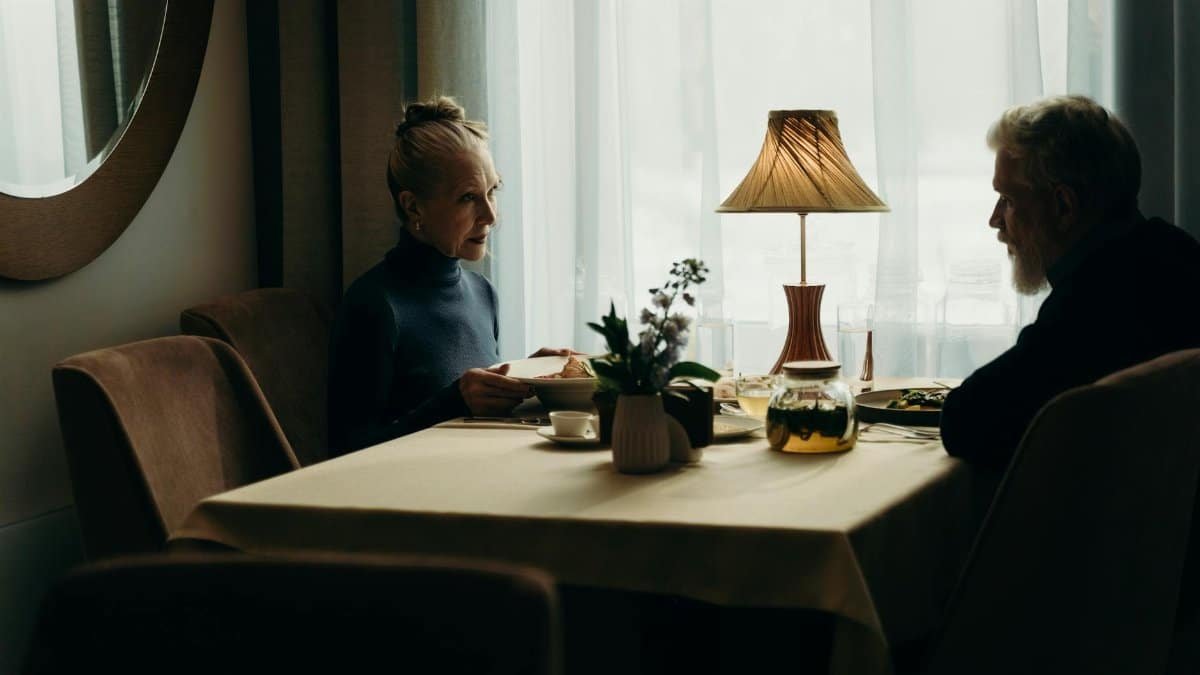
Families often gather around the dinner table, but transforming this into a healing ritual elevates the experience. Instead of casual chatter, participants take turns sharing one positive moment from their day and one challenge they’re facing. This practice, rooted in mindfulness techniques, encourages empathy and active listening. Picture a mother in Atlanta pausing to acknowledge her teenager’s frustration with school pressures, turning potential conflict into a moment of understanding. Research from the American Psychological Association’s family resources shows such routines can reduce household stress by up to 25%. The key is consistency; even brief sessions build trust over time. Vary it by incorporating seasonal themes, like gratitude during holidays, to keep it fresh and engaging.
One family described how this ritual shifted their dynamic. The father, initially skeptical, found himself opening up about work anxieties, which in turn invited his kids to do the same. It’s not about solving problems on the spot but creating space for vulnerability. In 2025, with remote work blurring home boundaries, these reflections help redraw lines of emotional support.
2. Nature Walk Confessions

Step outside for a walk in a local park, and let the ritual unfold. Each family member shares a “confession” – something weighing on their mind – while strolling amid trees and fresh air. The movement and natural setting make disclosures feel less daunting. A study published in the Journal of Environmental Psychology, accessible via ScienceDirect’s journal page, links outdoor activities to improved mental health, noting reduced anxiety through nature exposure. In places like Seattle’s rainy trails or Texas hiking paths, families report deeper connections from these walks.
Imagine a sibling duo in New York, whispering regrets about past arguments as leaves crunch underfoot. The ritual ends with affirmations, reinforcing forgiveness. It’s simple, requires no props, and adapts to urban or rural settings. Over time, it builds resilience, turning walks into anticipated healing sessions.
3. Gratitude Jar Contributions

A glass jar on the kitchen counter becomes a vessel for positivity. Family members jot down notes of gratitude – for each other or small daily wins – and drop them in. Weekly readings aloud turn this into a communal celebration. This draws from positive psychology principles, with evidence from Harvard’s long-term studies on happiness, detailed at Harvard Health’s positive psychology section, showing gratitude practices enhance emotional well-being.
In a Midwestern home, a jar filled with slips like “Thanks for helping with homework” sparked laughter and tears during readings. It counters negativity bias, especially in blended families navigating changes. Adapt by digitizing for tech-savvy groups, but the tactile act of writing adds a personal touch. As wellness trends emphasize mental hygiene in 2025, this ritual proves timeless yet modern.
4. Forgiveness Circles

Gather in a circle, perhaps in the living room, and pass a symbolic object like a stone or candle. When it’s your turn, express a hurt and offer forgiveness, or seek it. This structured format prevents interruptions, fostering genuine reconciliation. Insights from the National Institutes of Health on family therapy, found at NIMH’s psychotherapies page, underscore how such dialogues mitigate long-term resentment.
One anonymous account shared publicly described a tense holiday circle that melted years of sibling rivalry into hugs. The vulnerability required can be intense, so start small with minor grievances. It teaches emotional literacy, crucial in an era of digital distractions. Families in diverse U.S. communities adapt it culturally, incorporating prayers or songs for added depth.
5. Memory Lane Evenings
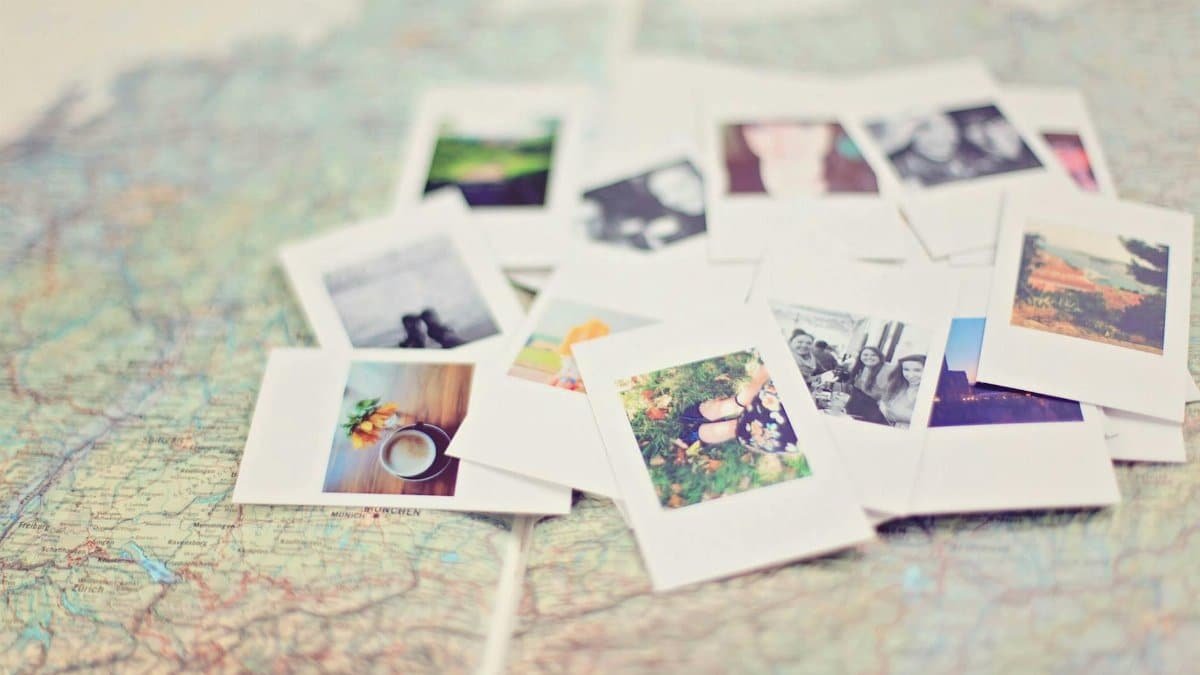
Dedicate an evening to revisiting old photos, videos, or stories from the past. The focus is on healing through nostalgia, discussing how challenges were overcome. This ritual strengthens family identity and resilience. A Pew Research Center report on family dynamics, available at Pew’s family relationships topic page, notes that shared histories bolster intergenerational bonds.
Envision a California family laughing over childhood mishaps, then pivoting to lessons learned from tougher times like a parent’s job loss. It humanizes family members, revealing vulnerabilities. Vary by theme, like “funny fails” or “proud moments,” to keep it light yet meaningful. In 2025, with improving, trends, rituals gaining traction, this one reminds us of our shared roots.
6. Breathing Sync Sessions

Sit together and synchronize breathing patterns, perhaps guided by a simple app or timer. Inhale for four counts, hold, exhale. This calms the nervous system collectively, reducing collective stress. The CDC’s resources on stress management, at CDC’s stress coping page, highlight breathing techniques for family health.
A single parent in Florida shared how these sessions diffused bedtime chaos, leading to quieter evenings. It’s quick, often just five minutes, making it ideal for busy schedules. Add visualization, like imagining releasing tensions, for deeper impact. As wellness trends evolve, this ritual underscores the power of physiological harmony in emotional healing.
7. Acts of Service Swaps
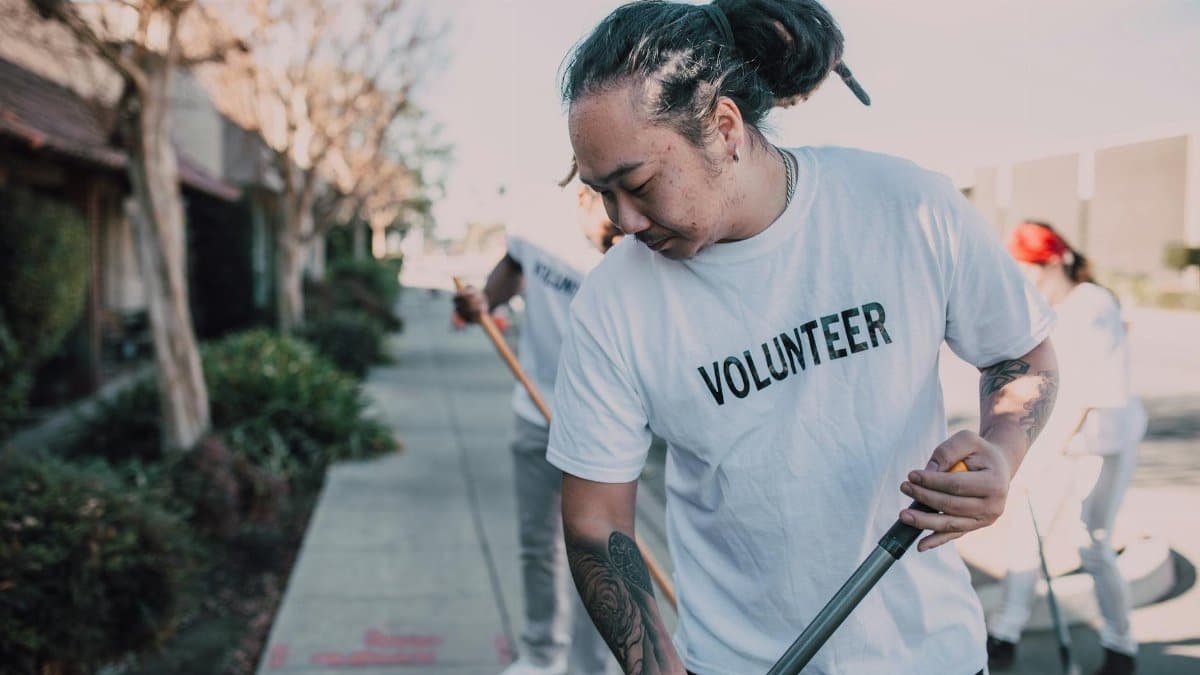
Family members draw tasks to perform for one another – from chores to small favors – as a way to express care without words. This builds reciprocity and appreciation. Studies from the University of California, Berkeley’s Greater Good Science Center, linked at Greater Good’s altruism topic, show service acts enhance relational satisfaction.
Think of a teen surprising a sibling with breakfast in bed, sparking a chain of kindness. It heals by shifting focus from self to others. Customize for ages, ensuring fairness. In multicultural U.S. households, it incorporates traditions like communal cooking, enriching the experience.
8. Dream Sharing Mornings

Over breakfast, recount dreams from the night before, interpreting them lightly as a group. This opens doors to subconscious thoughts, promoting insight and closeness. Psychological research from the American Psychological Association on dream analysis, via APA’s dreams topic, suggests it aids emotional processing.
An East Coast family found it revealed hidden fears, like a child’s anxiety about school changes, leading to supportive talks. Keep it fun, avoiding overanalysis. It’s a gentle way to start the day, aligning with improving, trends, rituals that prioritize mental health in 2025.
9. Closure Letters

Write letters to each other about unresolved issues, then read and discuss them. Burn or store them as a symbol of release. This ritual facilitates deep healing. The Mayo Clinic’s guidance on forgiveness, at Mayo Clinic’s forgiveness article, emphasizes its role in wellness.
In a Southern home, letters addressed lingering grief from a loss, bringing catharsis. It’s profound, best for older families, but adaptable. As part of broader improving, trends, rituals, it empowers families to move forward with renewed strength.